


What is the OSHA Definition of an Overhead Crane?
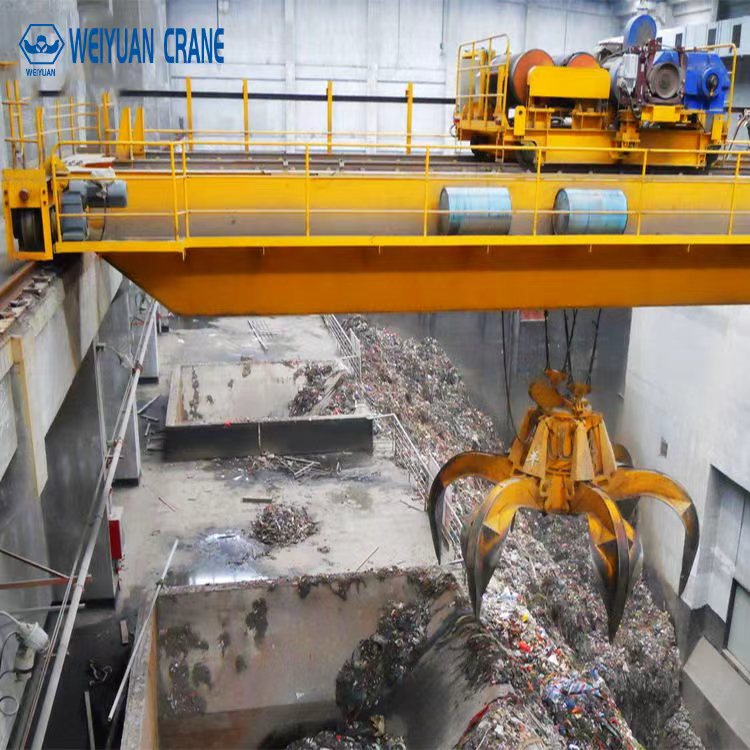
In the dynamic world of industrial material handling, the electric hoist stands as a pillar of efficiency. From lifting heavy engines in automotive plants to positioning delicate components in aerospace facilities, these machines transform manual labor into precise, powered operation. However, despite their versatility and power, they are not a universal solution for every lifting scenario. One of the most critical questions a facility manager or operator can ask is: “When should you not use an electrical hoist?”
The answer is multifaceted, involving load dynamics, environmental conditions, and power supply limitations. Misusing a cable hoist electric system or pushing a small electric hoist beyond its limits can lead to catastrophic equipment failure, costly downtime, and severe safety hazards.
This comprehensive guide serves two purposes: first, to clearly define the operational boundaries and safety limitations of electric hoists; and second, to showcase how WEIYUAN—a professional production manufacturer integrating production, sales, design, and installation—can provide the customized, industrial-grade solutions that overcome these challenges. Whether you are looking for a 10 ton electric chain hoist for a shipyard or a mini electric chain hoist for a workshop, understanding when not to use the wrong equipment is the first step toward operational excellence.
1. Product Description: Defining the Electric Hoist and Its Purpose
An electric hoist is an electro-mechanical device used to raise and lower heavy loads vertically. It typically consists of an electric motor, a gear reducer (transmission), a braking system, and a lifting medium—either a high-strength alloy steel chain or a wire rope.
Product Purpose
The primary function of an electric hoist is to facilitate the vertical movement of materials that are too heavy or bulky for manual handling. It is designed to operate within a specific Safe Working Load (SWL), ranging from a lightweight 1000 lb electric hoist to massive industrial units. The goal is to improve workflow efficiency, reduce operator fatigue, and ensure precise load placement.
Core Advantages and Attraction
- Efficiency: Automated lifting speeds up production cycles significantly compared to manual chain blocks.
- Precision: Advanced models offer dual-speed controls for millimeter-accurate positioning.
- Safety: By removing the operator from the immediate lifting zone (via remote control), the risk of injury is minimized.
- Versatility: With options like electric hoist trolley systems, these units can move loads horizontally across a facility, covering vast areas.
However, the very features that make them powerful also define their limitations. Understanding the product’s intended design is key to knowing when it should not be used.
2. The Critical Question: When Should You Not Use an Electrical Hoist?
Safety regulations (such as OSHA and ISO) and engineering principles dictate specific scenarios where a standard electric hoist is the wrong tool for the job.
Scenario A: Exceeding Rated Capacity (Overloading)
You should never use an electric hoist to lift a load that exceeds its rated capacity. This is the most common cause of failure.
- The Risk: Lifting 1,200 kg with a 1000 kg electric hoist stresses the chain beyond its elastic limit, overheats the motor, and can cause the brake to slip.
- The Misconception: Operators often believe safety factors (e.g., 5:1) mean they can “get away” with a slight overload. This is false. The safety factor is for dynamic stress and wear, not for intentional overloading.
- Correct Action: Always verify the load weight. If you frequently approach the limit of a 1000 pound electric hoist, you should not use it; instead, upgrade to a 3000 lb electric hoist or a 1 4 ton electric chain hoist to ensure a safety margin.
Scenario B: Side Pulling and Non-Vertical Lifting
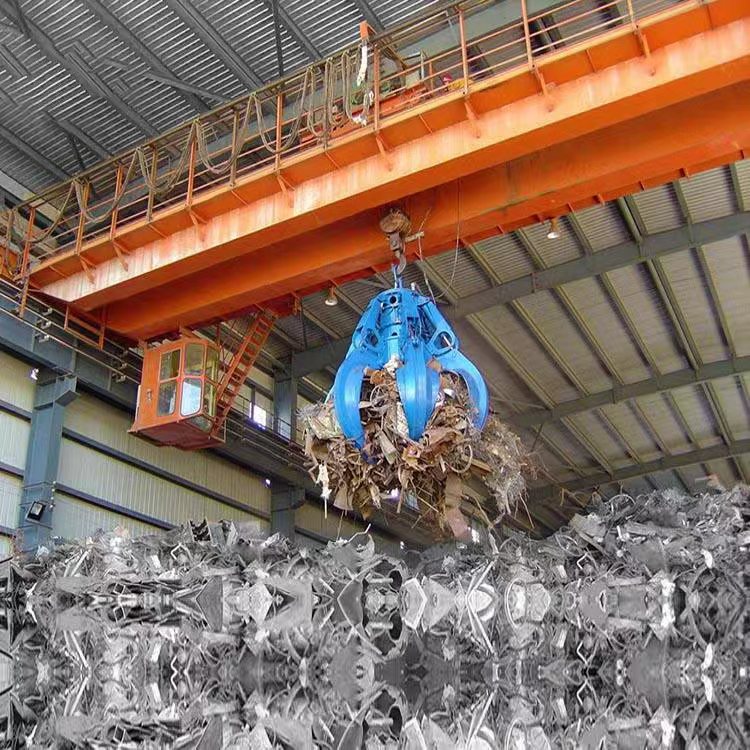
Standard electric pulley hoist and chain hoist models are designed exclusively for vertical lifting.
- When NOT to use: Do not use a hoist to drag a heavy object across the floor or to pull a load at an angle greater than a few degrees from vertical.
- The Consequence: Side pulling causes the wire rope or chain to scrape against the guide and housing. This damages the rope (causing fraying or bird-caging) and puts severe lateral stress on the mounting structure and trolley wheels, potentially causing derailment.
- The Solution: Use a electric chain hoist with trolley to position the hoist directly above the center of gravity of the load before lifting.
Scenario C: Improper Duty Cycles (Jogging and Overheating)
You should not use a consumer-grade or small electric hoists for high-frequency, continuous industrial production.
- Duty Cycle Explained: A DIY pittsburgh 440 lb electric hoist might have a 20% duty cycle (2 minutes on, 8 minutes off). Using this in a factory requiring 50 lifts per hour will burn out the motor windings rapidly.
- The Limit: Do not use “jogging” (rapidly pressing the start/stop button) to position a load unless the hoist is rated for it. This causes massive heat buildup in the contactors and motor.
- Industrial Standard: For continuous work, you must use an industrial-grade unit from WEIYUAN rated for M5 or M6 duty classes, such as our 10 ton electric chain hoist.
Scenario D: Hazardous Environments Without Protection
Unless specifically customized, you should not use a standard electric hoist in hazardous environments.
- Explosive Atmospheres: In chemical plants, grain silos, or paint booths where flammable dust or gas is present, a spark from a standard motor or brake can cause an explosion.
- Corrosive Settings: Using a standard steel-cased hoist in a marine environment or an acid bath facility will lead to rapid corrosion and structural failure.
- The Solution: WEIYUAN provides explosion-proof (Ex-rated) motors and stainless steel/epoxy-coated components for these specific needs.
Scenario E: Incorrect Power Supply
You should not use an AC industrial hoist with an incompatible power source.
- Mobile Applications: Do not try to rig a 110V/220V shop hoist to a truck’s battery using an inverter for heavy loads. For vehicle-mounted applications, you must use a dedicated 12 volt dc electric hoist designed for DC power and intermittent winching.
- Voltage Stability: Operating a electric chain hoist 1 4 ton on unstable voltage can damage the control electronics and motor.
3. Features and Advantages: Why Choose WEIYUAN Industrial Hoists?
When the conditions are right, a WEIYUAN electric hoist is an asset that drives productivity. We engineer our products to overcome the common limitations of generic hoists.
High-Grade Materials
- Shell: We use die-cast aluminum alloy shells that are lightweight, rugged, and offer superior heat dissipation—crucial for extending duty cycles.
- Chain: Our lifting medium is Grade 80 or Grade 100 heat-treated alloy steel chain, offering exceptional tensile strength and wear resistance compared to standard chains found on a harbor freight electric chain hoist.
Advanced Control and Precision
- Dual Speed: Unlike many basic dayton electric chain hoist models, WEIYUAN hoists often feature dual-speed motors. This allows for a fast speed for travel and a slow creep speed for precision placement, mitigating the need for “jogging.”
- Magnetic Braking: Our side-magnetic braking system engages instantly upon power loss, providing a fail-safe hold that is superior to mechanical pawl brakes.
Integrated Safety Systems
- Phase Protection: A special relay prevents the hoist from running if the power supply phase is incorrect, protecting the motor.
- Limit Switches: Top and bottom limit switches prevent over-travel, a common operator error that can destroy a hoist.
4. Technical Specifications: Matching the Hoist to the Job
To ensure you are using the right hoist (and avoiding the “when not to use” scenarios), you must match the technical specs to your needs.
| Specification Item | Industrial Standard (WEIYUAN) | Consumer/Light Duty | Consideration |
| Capacity | 1 ton, 3 ton, up to 10 ton electric chain hoist | 440 lb, 1000 lb electric hoist | Always choose a capacity 10-20% higher than your max load. |
| Lift Height | 3 meters to 50 meters (Customizable) | 10 ft – 20 ft fixed | Ensure the chain bag can accommodate the length. |
| Power Supply | 3-Phase 220V-480V, 50/60Hz | Single Phase 110V/220V, 12 volt dc | 3-Phase offers smoother, cooler operation for heavy loads. |
| Duty Rating | ISO M4, M5, M6 (Heavy Duty) | M3 or unrated | Critical for determining usage frequency. |
| Control Voltage | 24V/36V/48V (Safe Voltage) | 110V/220V (Line Voltage) | Low voltage controls protect the operator. |
5. Customization Options: Tailoring for Safety
At WEIYUAN, we don’t just sell boxes; we provide solutions. Our customization services ensure that you never have to use a hoist in an unsuitable manner.
Dimensional Customization
- If you have low ceilings, we design low-headroom electric chain hoist with trolley systems to maximize lift height.
- We can customize the electric hoist mounting bracket to fit specific beams or gantry structures.
Environmental Adaptation
- Outdoor Use: We offer IP65-rated protection with rain covers for hoists used in outdoor yards.
- Marine Use: Special anti-corrosion paint and stainless steel components for electric hoist nearby saltwater.
Functional Customization
- Remote Control: Integration of wireless remotes to keep operators at a safe distance.
- Synchronization: For lifting long loads (like a electric hoist for jeep hardtop or a boat hull), we can synchronize two hoists to operate from a single control, preventing uneven lifting.
6. Application Fields: Where Electric Hoists Shine
Understanding where hoists are meant to be used helps avoid misuse.
Manufacturing and Assembly
- Use: Lifting engines, transmissions, and chassis components.
- Model: Electric chain hoist milwaukee style (industrial equivalent) or electric chain hoist 1 4 ton for speed and precision.
Logistics and Warehousing
- Use: Stacking pallets and loading trucks.
- Model: Electric hoist trolley systems on overhead rails cover large floor areas efficiently.
Construction and Maintenance
- Use: Lifting tools and materials to upper levels.
- Model: Electric hoist ladder attachments or scaffold hoists.
Home and Hobby (Light Duty)
- Use: Garage storage, lifting hardtops.
- Model: Electric hoist for jeep hardtop, electric deer hoist for hunters. Note: WEIYUAN focuses on industrial quality, which is often an upgrade for these users seeking longevity.
7. Safety and Compliance: The Foundation of Trust
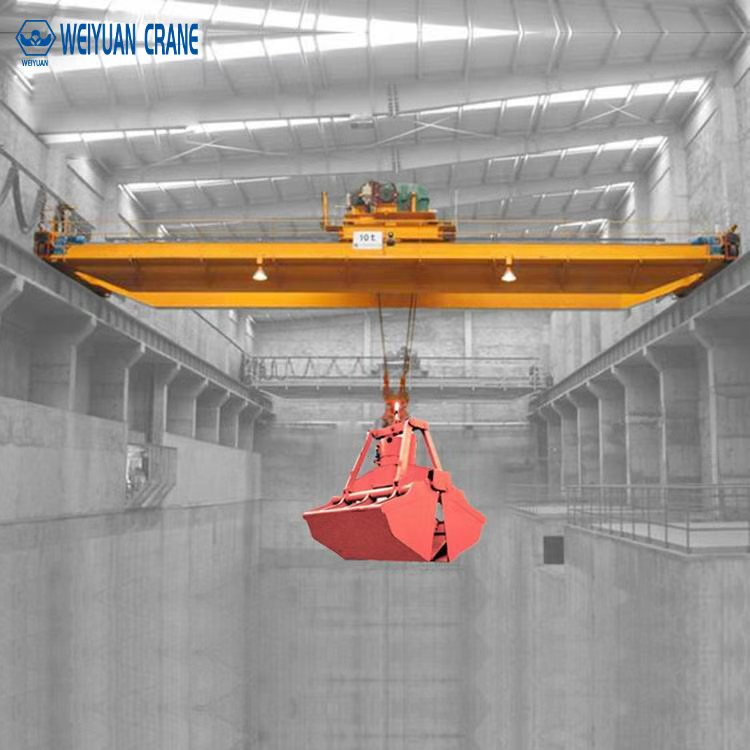
Using a hoist safely means using a compliant hoist.
Regulatory Standards
- Certifications: All WEIYUAN products meet strict international standards, including CE certification (for Europe) and ISO quality management.
- Testing: Every unit undergoes a dynamic load test at 1.25 times the rated capacity before shipment.
Mandatory Safety Features
- Overload Limiter: A mechanical clutch or electronic sensor that stops the lift if the load exceeds the rated capacity (e.g., trying to lift 1.5 tons with a 1000 kg electric hoist).
- Emergency Stop: All control pendants feature a prominent E-Stop button.
8. Case Study: Correcting Misuse in a Steel Fabrication Shop
Project: Structural Steel Fabrication Plant, Eastern Europe.
The Challenge
The plant was using several small electric hoists (rated for 500kg) to flip and position large steel beams weighing approximately 450kg. While technically within the weight limit, the side pulling required to flip the beams was causing frequent chain jams, guide damage, and motor burnouts. The hoists were failing every few months.
The WEIYUAN Solution
We conducted a site audit and determined that the application required a 2 ton electric chain hoist equipped with a specialized load-turning device (or two synchronized hoists). We replaced the single-speed units with dual-speed industrial hoists rated for M5 duty cycle.
The Result
- Safety: The risk of chain snapping due to side-loading was eliminated.
- Longevity: The new hoists have operated for over two years with only routine maintenance.
- Efficiency: The dual-speed control allowed welders to align beams faster and with greater precision.
9. Installation and Support Services
Even the best hoist can fail if installed incorrectly.
Professional Installation Guidance
- We provide detailed wiring diagrams and mounting instructions.
- For electric hoist trolley systems, we offer guidance on rail alignment to prevent premature wheel wear.
After-Sales Support
- Warranty: We provide a comprehensive one-year warranty on all industrial units.
- Parts: We stock replacement parts for all models, ensuring you can repair rather than replace.
- Technical Support: Our team helps troubleshoot issues, ensuring you don’t use a malfunctioning unit.
10. Pricing and Quotation
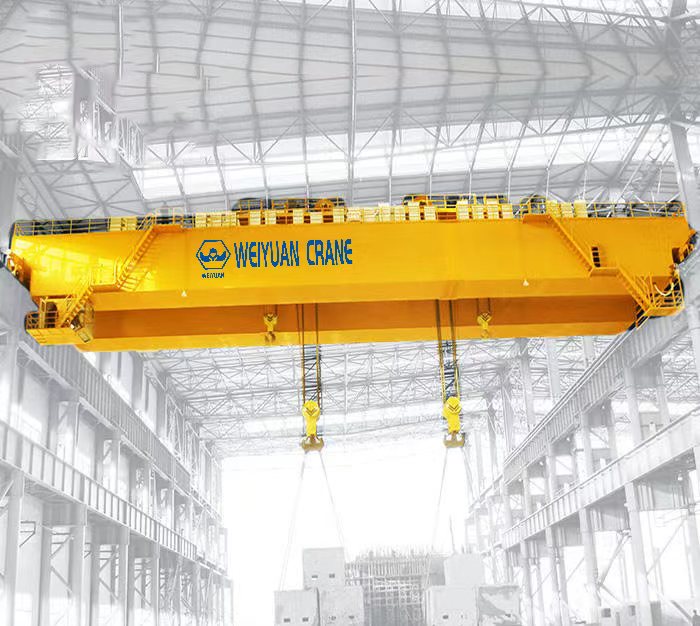
Investing in the right hoist prevents the cost of failure.
Transparent Pricing
- Consumer vs. Industrial: A 1000 lb electric hoist from a budget brand might cost less upfront, but an industrial 1000 kg electric hoist from WEIYUAN offers a lower Total Cost of Ownership due to durability.
- Custom Quotes: Contact us for a quote tailored to your specific voltage, lift height, and capacity needs. We offer competitive pricing for everything from a 1 4 ton electric chain hoist to heavy-duty wire rope electric hoist systems.
11. Delivery Cycle
Timelines
- Standard Models: In-stock units (1 ton, 2 ton, 3 ton) typically ship within 3-5 working days.
- Customized Models: Units requiring special voltages (e.g., 12 volt dc electric hoist adaptations) or anti-corrosion treatments typically require 15-20 days.
- Logistics: We arrange secure shipping to major ports worldwide.
12. FAQ: Common Questions on Hoist Limits
Q1: Can I use a winch as a hoist?
A: No. This is a critical distinction. Winches are designed for horizontal pulling; hoists are designed for vertical lifting. Winches rely on dynamic braking that may not hold a suspended load safely. Always use an electric lifting hoist for vertical loads.
Q2: Is a 12 volt DC electric hoist suitable for my shop?
A: Generally, no. 12 volt dc electric hoist models are designed for mobile use (like on trucks) and rely on battery power. They have limited duty cycles. For a stationary shop, an AC-powered hoist (110V/220V) is far superior.
Q3: Can I lift people with an electric hoist?
A: Absolutely not. Material handling hoists are not rated for lifting personnel. Lifting people requires specialized “man-rated” equipment with redundant safety systems and specific certifications.
Q4: My load is 1000 lbs. Should I buy a 1000 lb electric hoist?
A: It is safer to size up. If your regular load is 1000 lbs, we recommend a 1 ton (2000 lb) or at least a 1500 lb hoist. Operating a 1000 pound electric hoist at 100% capacity constantly will reduce its lifespan.
Q5: Can I use a chain hoist outdoors?
A: Only if it is rated for it. Standard hoists are IP54 (indoor). For outdoor use, you need an IP55 or IP65 rated hoist with a rain cover to prevent water ingress into the brake and motor.
Conclusion
Knowing when not to use an electrical hoist is the mark of a professional. By respecting load limits, environmental constraints, and duty cycles, you ensure safety and efficiency. WEIYUAN is here to provide the high-quality, customized lifting solutions that mean you never have to compromise. Contact us today for a professional consultation and find the right hoist for your specific application.