


Is an Electric Hoist Better Than a Manual Hoist? Choosing the Right Lifting Solution for Your Operations
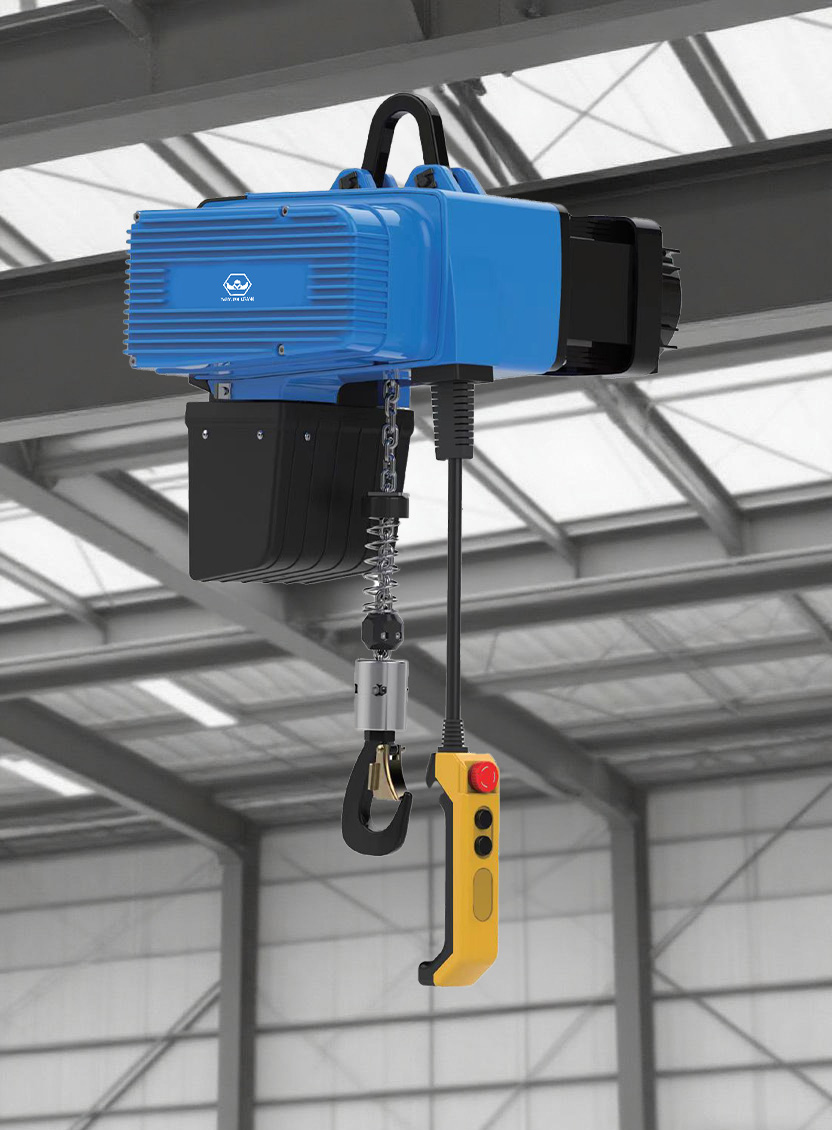
When it comes to vertical lifting, the debate often boils down to one question: Is an electric hoist better than a manual hoist? While manual chain blocks have their place for light, occasional tasks, modern industrial demands in Europe, Asia, and Africa are increasingly shifting toward automation. For businesses looking to scale production and ensure worker safety, the electric hoist has become the gold standard.
At WEIYUAN, we specialize in the design, manufacturing, and installation of high-performance lifting equipment. Our goal isn’t just to sell you a machine, but to provide a solution that integrates seamlessly into your workflow.
1. Product Description: Why the Shift to Electric?
Manual hoists rely on physical labor, which inevitably leads to fatigue and slower cycle times. An electric hoist, on the other hand, utilizes a powerful motor to handle the heavy lifting. Whether you are operating in a precision manufacturing plant or a high-volume logistics warehouse, these units provide consistent, smooth lifting power.
By integrating an electric hoist with trolley systems, you can move loads not just vertically but also horizontally along an I-beam, transforming a static lifting point into a dynamic material handling station. This transition significantly boosts worker efficiency, allowing your team to focus on technical tasks rather than physical exertion.
2. Key Features and Advantages
- Precision Control: Unlike the jerky movement of manual pulling, an electric hoist remote allows for “inching” and micro-positioning of heavy loads.
- Reduced Physical Strain: Automating the lift eliminates the risk of repetitive strain injuries, a critical factor in modern workplace safety compliance.
- High Duty Cycles: Designed for continuous use, our hoists can operate for hours without the performance drops associated with human fatigue.
- Versatile Configurations: From a small electric hoist for light workshop use to a heavy-duty electric wire rope hoist for industrial plants, there is a configuration for every need.
3. Technical Specifications
Our range covers everything from compact units to heavy-duty industrial workhorses.
| Specification | Details |
| Lifting Capacity | 0.5 Ton to 50 Tons (e.g., electric hoist 2 ton, 3 ton electric chain hoist) |
| Power Supply | 220V/380V/440V, 50/60Hz, 3-Phase |
| Lifting Speed | Single Speed or Dual Speed (Frequency Inverter optional) |
| Lifting Height | Standard 3m to 30m (Customizable) |
| Control Type | Pendant Control or Wireless Electric Hoist Remote |
| Chain/Rope Type | High-strength G80 Alloy Chain or Galvanized Hoist Electric Cable |
4. Customization and Personalized Design
At WEIYUAN, we understand that no two factories are identical. We provide free design services to ensure your equipment fits your specific environment.
- Bespoke Dimensions: Custom heights and widths for tight spaces.
- Branding: Personalized colors and Logo placement to match your corporate identity.
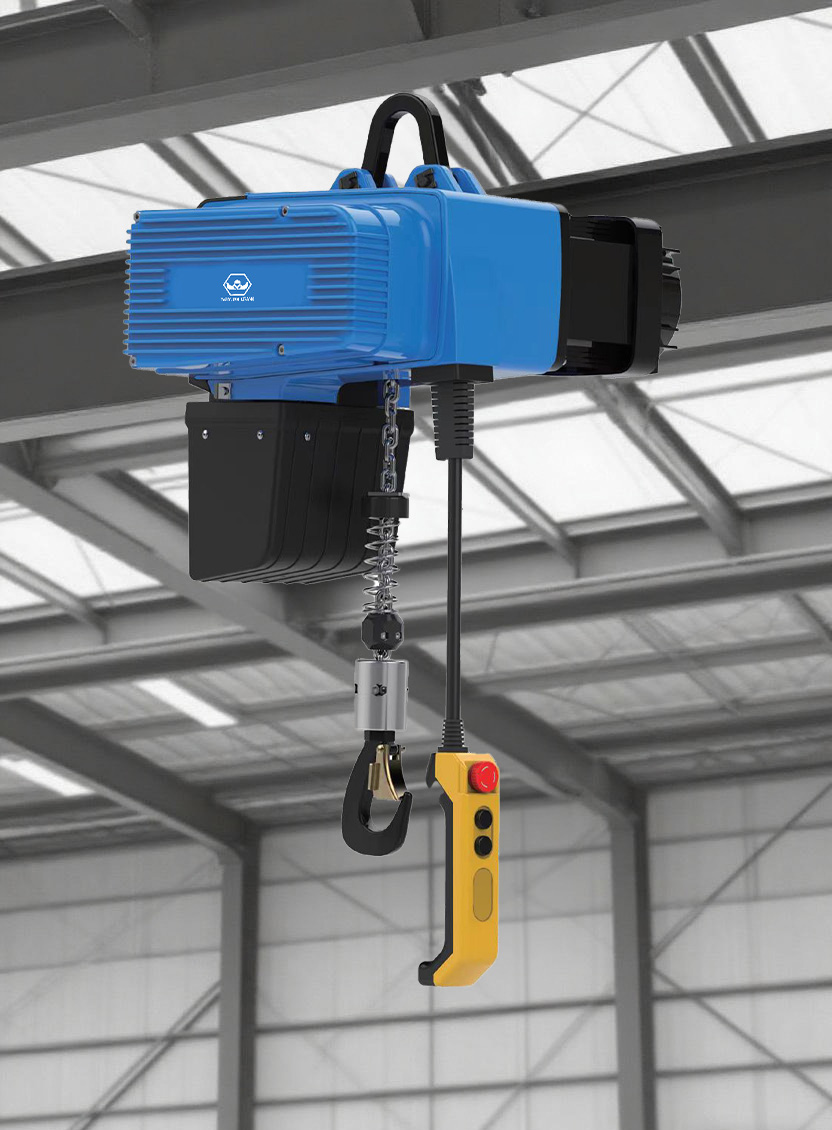
- Specialized Components: Options for an electric hoist trolley or an electric hoist winch configuration depending on your structural setup.
5. Versatile Application Fields
Our equipment is currently powering growth in various sectors:
- Automotive Plants: For engine assembly and chassis movement.
- Logistics & Warehousing: Utilizing a portable gantry crane with electric hoist for flexible loading docks.
- Residential & Small Business: Using a 500 lb electric hoist or an electric garage hoist for lighter, repetitive tasks.
- Construction: Implementing electric ladder hoist systems for vertical material transport.
6. Safety Standards and Global Compliance
Safety is non-negotiable. Every electric hoist manufactured by WEIYUAN complies with international standards, including CE and ISO certifications. Our units feature:
- Overload Protection: Automatic cutoff if the weight exceeds the rated capacity (e.g., exceeding a 1 ton electric hoist limit).
- Limit Switches: Prevents the chain or cable from over-traveling.
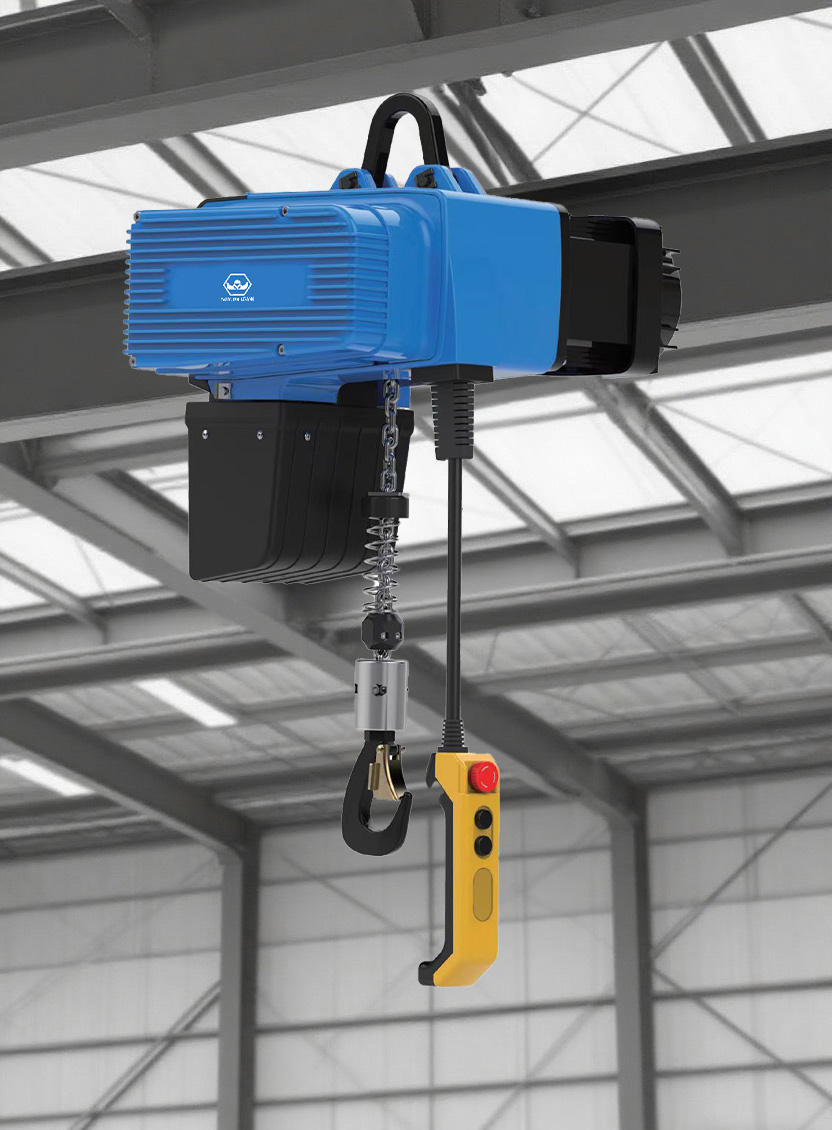
- Emergency Stop: Instant power-off capability at the touch of a button.
7. Real-World Case Study: Boosting Efficiency in Baku
A logistics partner in Azerbaijan recently replaced their manual warehouse pullers with five of our custom electric wire rope hoist units.
- The Problem: High worker turnover due to physical exhaustion and slow loading times.
- The Solution: WEIYUAN designed a custom overhead rail system.
- The Result: Loading efficiency increased by 45%, and workplace injury reports dropped to zero within the first six months.
8. Professional Installation and Global Support
WEIYUAN is a full-service provider. We don’t just ship a box; we provide a partnership. Our technical teams are available for on-site installation assistance and commissioning to ensure your portable electric hoist or fixed system is calibrated perfectly. We offer 24/7 remote technical support and a robust spare parts supply chain.
9. Pricing, Quotations, and Delivery
We offer competitive, factory-direct pricing that eliminates the middleman.
- Get a Quote: Contact our sales team with your capacity requirements (e.g., electric chain hoist harbor freight style for light use vs. industrial grade) for a personalized proposal.
- Delivery Timeline: We pride ourselves on speed. Standard configurations typically ship within 20 to 30 days, while complex projects like double girder cranes may take up to 40 days.
10. Frequently Asked Questions (FAQ)
Q: Can I use an electric hoist outdoors?
A: Yes, we provide specialized weatherproofing and “rain covers” for hoists used in outdoor shipyards or construction sites.
Q: What is the difference between a chain hoist and a wire rope hoist?
A: Generally, an electric chain hoist is more compact and ideal for loads up to 5 tons, while an electric wire rope hoist is preferred for higher speeds and heavier industrial capacities.
Q: Do you provide the trolley as well?
A: Absolutely. We can provide a manual trolley or an electric hoist with trolley for fully automated movement.
Q: How do I know if I need a 1-ton or a 2-ton unit?
A: Always choose a capacity that exceeds your heaviest expected load. If you frequently lift 900kg, a 1 ton electric hoist is sufficient, but a 2 ton unit offers a higher safety margin and longer motor life