


The TCO Blueprint: Why Energy-Efficient Overhead Cranes Deliver Higher ROI Over Low-Cost Alternatives
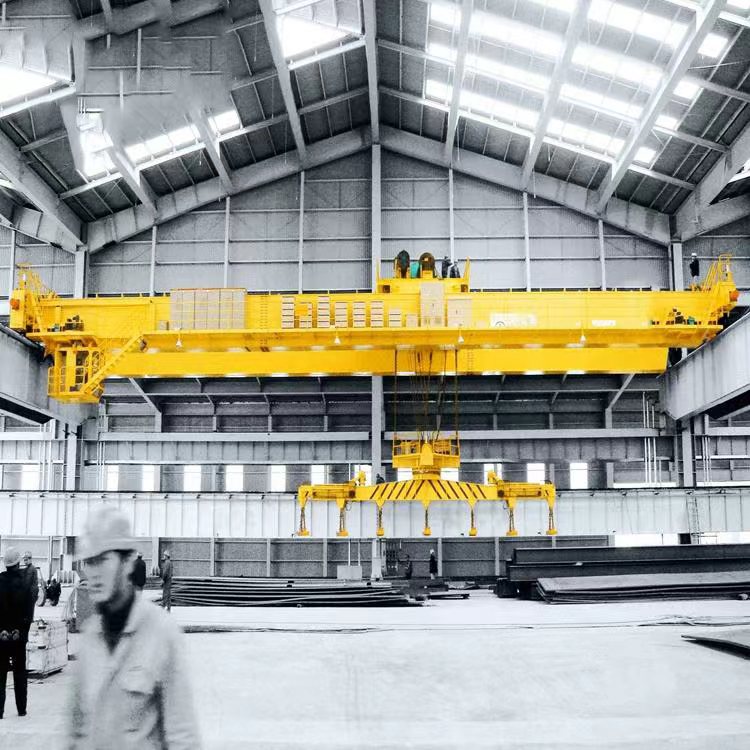
When investing in heavy industrial equipment, the initial purchase price is often the most scrutinized number. A low-cost alternative can seem like a smart financial move, but this narrow focus on upfront cost can be deceptive. For an asset with a lifespan measured in decades, like an overhead crane, the true cost is revealed over time. This is the essence of Total Cost of Ownership (TCO), a financial blueprint that savvy businesses use to make smarter, more profitable investments.
An energy-efficient overhead crane might have a higher initial price tag than a basic model, but it is engineered to deliver a significantly higher return on investment (ROI). By looking beyond the sticker price, you can uncover long-term savings in energy consumption, maintenance, and operational uptime that far outweigh the initial outlay. This article breaks down the TCO of an overhead crane and explains why investing in energy-efficient technology is a winning strategy.
What is Total Cost of Ownership (TCO)?
TCO is a comprehensive assessment of all costs associated with an asset throughout its entire lifecycle. For an industrial overhead crane, this includes:
- Acquisition Cost: The initial purchase price of the crane.
- Operating Costs: The day-to-day expenses, with energy being the largest component.
- Maintenance Costs: Scheduled servicing, inspections, and replacement of wear-and-tear parts.
- Downtime Costs: The loss of production and revenue when the crane is out of service for unplanned repairs.
- Disposal Costs: The cost to decommission and remove the crane at the end of its life.
Low-cost cranes are tempting because they minimize the acquisition cost. However, they often have higher operating and maintenance costs, leading to a much higher TCO over the long run. An energy-efficient crane, by contrast, is designed to minimize those long-term expenses.
Features and Advantages of Energy-Efficient Cranes
Modern, energy-efficient cranes incorporate advanced technologies that directly impact your bottom line. These are not just “nice-to-have” features; they are core components of a high-ROI lifting solution.
- Regenerative Braking Systems: When a hoist lowers a heavy load, the motor acts as a generator. Traditional systems dissipate this energy as heat through resistors. Regenerative systems capture this power and feed it back into the facility’s electrical grid, potentially reducing the crane’s net energy consumption by up to 30%.
- Variable Frequency Drives (VFDs): VFDs control motor speed, ensuring the crane only uses the power it needs for a specific task. They eliminate the high-energy “jolt” of starting a motor at full power, providing a smooth start that reduces mechanical wear and slashes energy usage during acceleration.
- Lightweight Structural Design: Through advanced engineering and the use of high-strength steel, modern girders are lighter without sacrificing strength. A lighter crane requires smaller motors and less energy to move, contributing to daily power savings.
- LED Lighting: Equipping cranes with energy-efficient LED lights instead of traditional halogen or sodium lamps reduces direct power consumption and maintenance, as LEDs have a much longer lifespan.
Technical Specifications of a High-Efficiency Crane
When selecting an overhead hoist crane, the specifications determine its performance and suitability for your application. An energy-efficient design considers these factors in relation to power consumption.
- Lifting Capacity: Standard capacities range from a 2 ton overhead crane to a 30 ton overhead crane and beyond. A correctly sized crane avoids the inefficiency of using an oversized motor for routine lifts.
- Span Length: Custom spans from 7.5 to 34 meters are designed to fit your facility perfectly.
- Lifting Height: Standard heights from 6 to 50 meters, with low-headroom designs available to maximize lift in facilities with low ceilings.
- Duty Cycle: Cranes are rated for different service classes (e.g., ISO M5 to M8). Matching the duty cycle to your operational intensity ensures the components are not over-stressed, which prevents premature wear and costly repairs.
- Control Systems: Wireless remote controls and VFD-integrated pendant stations provide the operator with precise control, minimizing unnecessary movements and optimizing each lift cycle for efficiency.
Customization: The Weiyuan Approach to Efficiency
A standard crane is rarely the most efficient one. As a manufacturer specializing in custom design and installation, Weiyuan understands that peak efficiency comes from a solution tailored to your specific workflow. Our engineers provide free consultations to analyze your operational needs and design an overhead traveling crane that minimizes TCO.
Customization options focused on efficiency include:
- Power System Integration: Designing regenerative braking and power feedback systems that are compatible with your facility’s grid.
- Load-Sensing Technology: Advanced systems that adjust power output based on the actual weight of the load being lifted.
- Optimized Gearing and Motors: Selecting the most efficient combination of motors and gearboxes for your typical lifting speeds and loads.
Application Areas
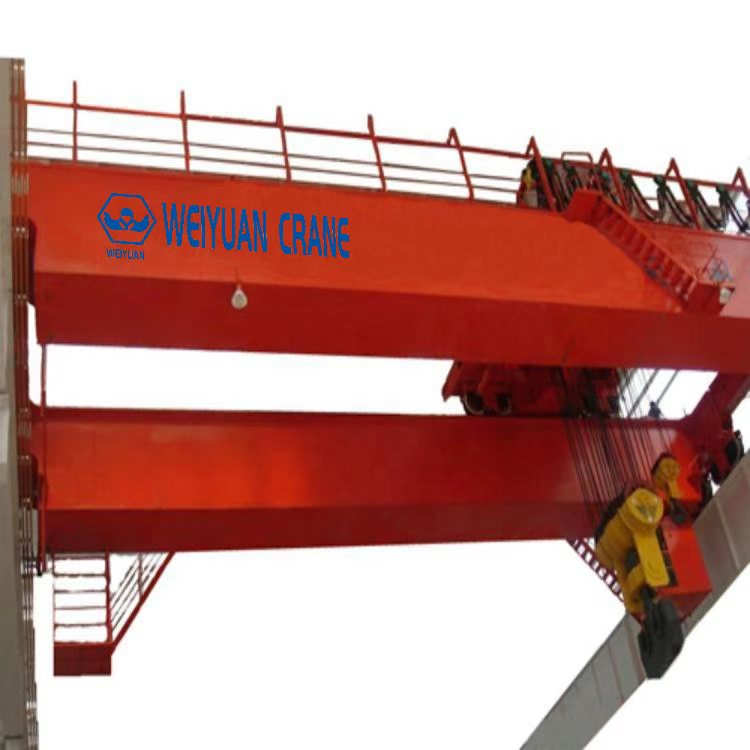
The TCO benefits of energy-efficient cranes are realized across various industries in Europe, Africa, and Asia.
- Warehousing and Logistics: In a high-volume warehouse overhead crane application, constant lifting and moving quickly racks up energy costs. VFDs and regenerative braking provide substantial savings.
- Manufacturing: For assembly lines requiring frequent, precise movements, the smooth control from VFDs reduces product damage and cycle times.
- Steel and Metal Processing: Where cranes run almost continuously, the cumulative energy savings from efficient motors and drives can be enormous.
- Automotive Plants: Used for heavy mold changes and assembly, where reliability and low operational costs are paramount.
Safety, Compliance, and TCO
Safety incidents are one of the biggest hidden contributors to TCO. Unplanned downtime, worker compensation claims, and potential fines add up quickly. A well-built, compliant crane is a safer crane. Our systems are designed to meet stringent standards, including CE for Europe and OSHA regulations in relevant markets.
Investing in a high-quality overhead crane and hoist with modern safety features reduces the risk of accidents. Compliance with OSHA overhead crane inspection requirements and OSHA overhead crane training requirements is also crucial for minimizing liability and ensuring a safe, productive workplace.
Case Study: Steel Distributor Slashes Energy Costs
A large steel distribution center in Germany was operating a fleet of five older, 20-ton overhead cranes. Their energy bills were high, and maintenance costs were increasing annually.
- The Challenge: Reduce operational expenditures without disrupting their 24/7 workflow.
- Our Solution: Weiyuan proposed a phased replacement with five new, energy-efficient overhead cranes equipped with VFDs and regenerative braking systems.
- The Result: After one year, the new cranes had reduced the facility’s crane-related energy consumption by 22%. Maintenance costs dropped by 40% due to the reliability of the new components. The company calculated that the higher initial investment would be fully paid back by energy and maintenance savings within four years.
Installation and Support
A long-lasting, efficient crane starts with a flawless installation. We provide comprehensive global support.
- Remote & On-Site Installation: We offer detailed manuals and video guidance for local teams. For complex projects, our engineers can provide on-site supervision to ensure everything is installed to precise specifications.
- Service and Maintenance: Our commitment extends beyond the sale. We provide a one-year warranty, lifetime technical support, and rapid delivery of spare parts to keep your TCO low and your uptime high.
Pricing and Quotes
The price of a crane is only one part of the TCO equation. While a used overhead crane may have a low initial cost, it often comes with unknown maintenance issues and lacks modern efficiency features.
Investing in a new, custom-engineered crane from a manufacturer like Weiyuan ensures you get a system optimized for your needs, backed by a full warranty. This approach delivers a lower TCO and a higher ROI. Contact us for a personalized quote and a free TCO analysis.
Delivery Timeline
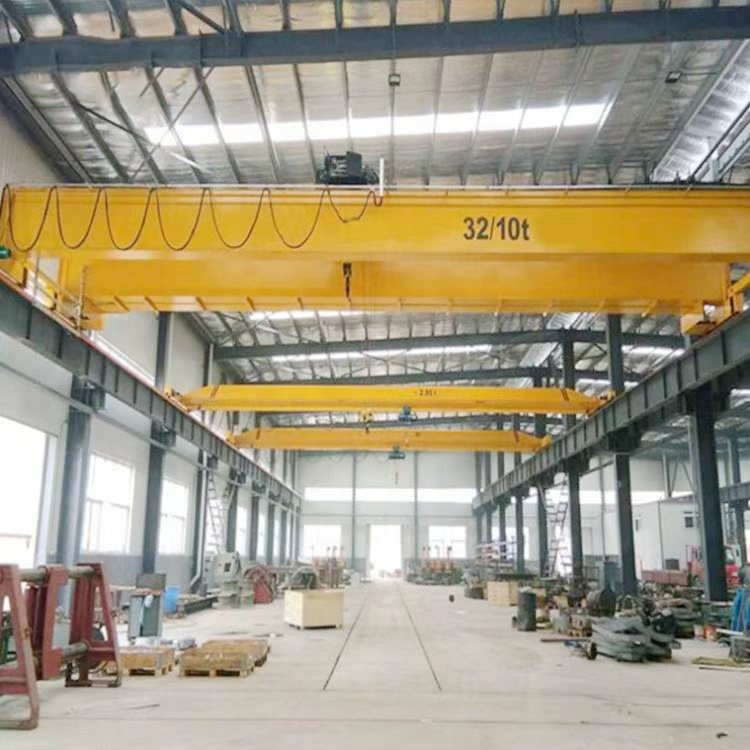
We respect your project deadlines and have streamlined our production process.
- Standard Components: Can be dispatched in 3-5 business days.
- Custom Crane Systems: Typically designed, manufactured, and ready for shipment in 2-4 weeks.
Frequently Asked Questions (FAQ)
Q: What is an overhead crane, and how does it differ from a gantry crane?
A: An overhead crane runs on an elevated runway system attached to the building’s structure. A gantry crane is a similar device, but it is supported by legs that run on tracks on the floor, making it independent of the building structure.
Q: Can VFDs be retrofitted to an older crane?
A: Yes, it is often possible to retrofit VFDs onto an older crane to improve energy efficiency and control. However, it’s important to have a qualified engineer assess the condition of the existing motors and electrical systems first.
Q: Does Weiyuan provide an overhead crane training course?
A: We provide comprehensive operational training for your staff during the commissioning of a new crane. For formal certification, we can recommend accredited third-party providers for overhead crane safety training.
Q: How do regenerative systems work in a power outage?
A: They don’t generate power from nothing. Regenerative systems only capture the potential energy of a descending load. During a power outage, the crane’s mechanical and electrical brakes will engage to hold the load safely.