


Heavy Lifting: The Ultimate Guide to Selecting Industrial Overhead Cranes
Introduction
- The High Stakes of Heavy Lifting: Begin by acknowledging that purchasing an industrial overhead crane is a major capital investment that impacts safety, workflow, and profitability.
- The “One-Size-Fits-All” Fallacy: Immediately address the common mistake of buying generic lifting equipment. Explain why “off-the-shelf” solutions often fail to meet the specific demands of heavy-duty industrial environments.
- What This Guide Covers: Outline the scope of the post, promising a deep dive into technical specifications (single vs. double girder), ISO duty classes, and safety certifications.
- The Weiyuan Promise: Briefly introduce Weiyuan Crane’s 20+ years of experience in delivering customized, high-performance solutions, setting the stage for a discussion on quality and reliability.
Body Sections
1. The Anatomy of Choice: Single vs. Double Girder
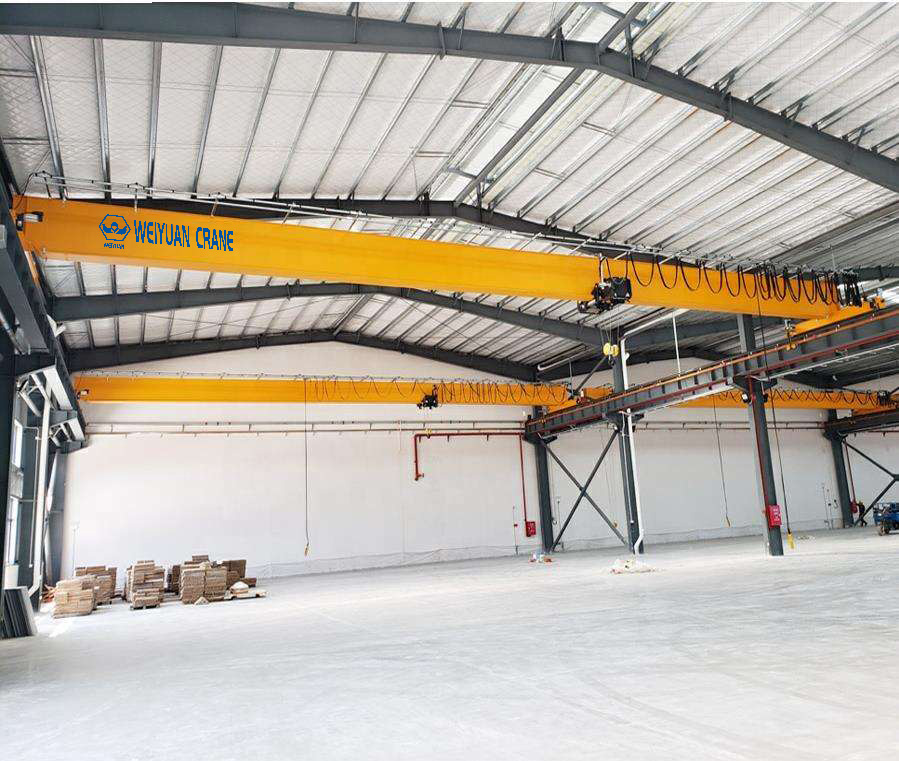
- Single Girder Cranes: Define this configuration and explain its best use cases—typically for lighter loads and facilities where headroom is a constraint. Discuss cost-effectiveness without compromising basic functionality.
- Double Girder Cranes: Detail when a double girder system is non-negotiable (heavier capacities, wider spans, and higher hook heights).
- Making the Decision: Provide a comparison checklist to help facility managers decide which structure suits their building’s architecture and lifting needs.
2. Understanding ISO Duty Classes: The Heart of Durability
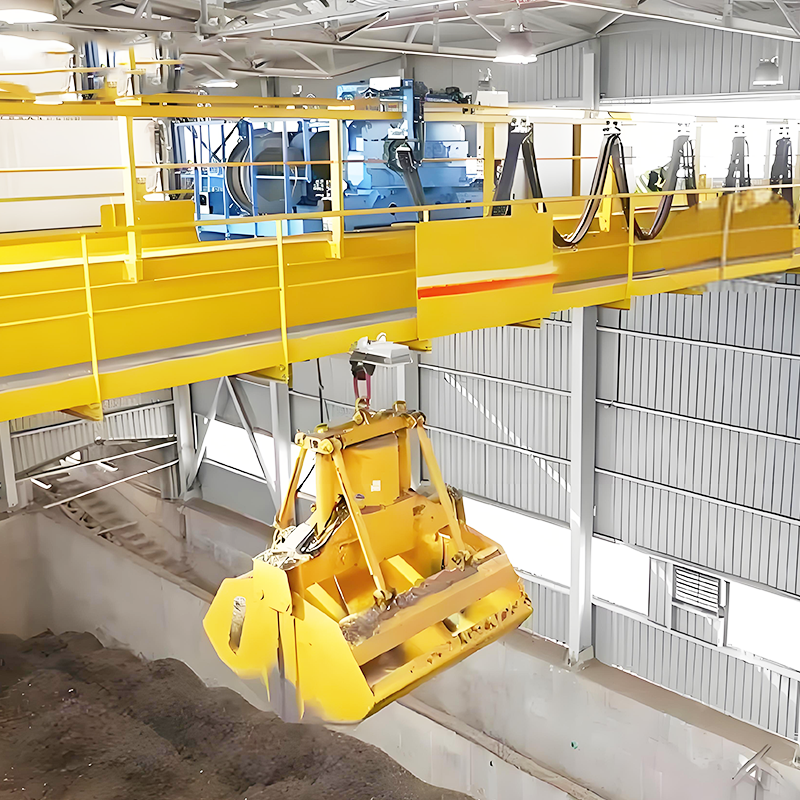
Weiyuan QZ Type Grab Crane for Steel Scrap | 30 Ton, Heavy-Duty, High-Efficiency
The Weiyuan QZ Type 30 Ton Grab Crane is engineered specifically for demanding steel scrap handling operations. Built on a heavy-duty double-girder platform with a high-strength orange peel grab, it delivers reliable performance and high efficiency in continuous scrap yard and foundry material handling environments. :contentReference
View Product / Get Quote- Defining Duty Classes: Explain what ISO duty classes are (from light maintenance to continuous heavy operation).
- Why It Matters: Discuss the correlation between duty class and equipment lifespan. A crane under-specified for its duty cycle will face rapid wear and frequent breakdowns.
- Weiyuan’s Approach: Highlight how Weiyuan engineers assess a client’s specific operational frequency to recommend the exact duty class required, ensuring the crane lasts for decades, not just years.
3. Application Spotlight: Tailoring the Tech to the Industry
This section emphasizes that specific environments require specific engineering.
High-Heat Environments: Steel Mills and Foundries
- The Challenge: Discuss the extreme conditions of steel mills—dust, vibration, and scorching temperatures.
- The Solution: Detail high-temperature protection features, such as insulated cables, specialized motors, and heat shields for the operator cab.
- Reliability: Explain how specialized coating and sealed components prevent failure in these harsh settings.
Precision Manufacturing: Automotive and Machinery
- The Challenge: In automotive assembly or machinery manufacturing, speed is important, but precision is critical to avoid damaging expensive parts.
- The Solution: Introduce features like anti-sway technology, micro-speed handling, and inverter controls that allow for smooth, millimeter-perfect positioning.
4. The Future of Lifting: Smart and Green Technologies
- Smart Crane Features: Elaborate on the “Smart Crane” concept. Discuss remote diagnostics and real-time monitoring that allow facility managers to track usage data and predict maintenance needs before a failure occurs.
- “Green Crane” Tech (2026 Outlook): Look ahead to energy-saving innovations available in 2026, such as regenerative braking systems that feed energy back into the grid during the lowering of loads, reducing overall operational carbon footprints.
5. Safety First: Certifications and Features
- Verifying Manufacturer Certifications: Guide the reader on how to audit a manufacturer. Stress the importance of checking for international standards (ISO, CE, etc.) to ensure compliance and safety.
- Essential Safety Features: List non-negotiable safety inclusions, such as overload limiters, emergency stop buttons, and collision avoidance systems for facilities with multiple cranes on one runway.
6. The Long Game: ROI, Maintenance, and Support
- Case Study: Reducing Downtime by 30%: Introduce a detailed case study where a client replaced a generic system with a custom Weiyuan overhead crane. Highlight the metrics: 30% reduction in downtime and a significant increase in daily throughput.
- Total Cost of Ownership: Argue that while a custom crane might have a higher upfront cost, the long-term ROI is superior due to reduced repairs and energy efficiency.
- Spare Parts and Support: Emphasize the importance of choosing a partner with a global presence. Discuss Weiyuan’s commitment to long-term spare parts availability and expert maintenance support, ensuring the asset remains operational for its full lifecycle.