


Portable vs. Fixed Gantry Cranes: A 2026 Guide to Making the Right Choice
1. The Role of Gantry Systems in Today’s Facility
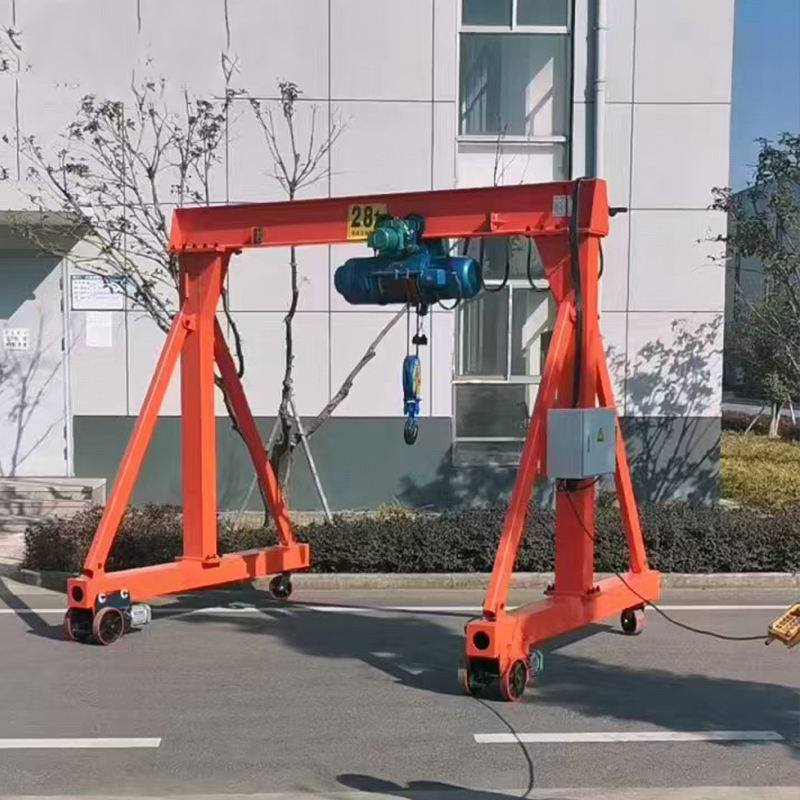
A gantry crane is defined by its freestanding design. Supported by legs that travel on wheels or rails, it bypasses the need for expensive overhead runway installations. This makes them the go-to choice for:
- Leased workshops where permanent modifications are prohibited.
- Outdoor yards (steel, precast, or shipyards) where building ceilings don’t exist.
- Maintenance zones requiring localized, heavy-duty support.
In 2026, we see a shift toward “hybrid lifting.” Facilities are increasingly using gantry systems to complement existing bridge cranes, creating a more responsive material handling ecosystem.
2. Defining the Contenders: Portable vs. Fixed
Before diving into the specs, let’s clarify the fundamental differences:
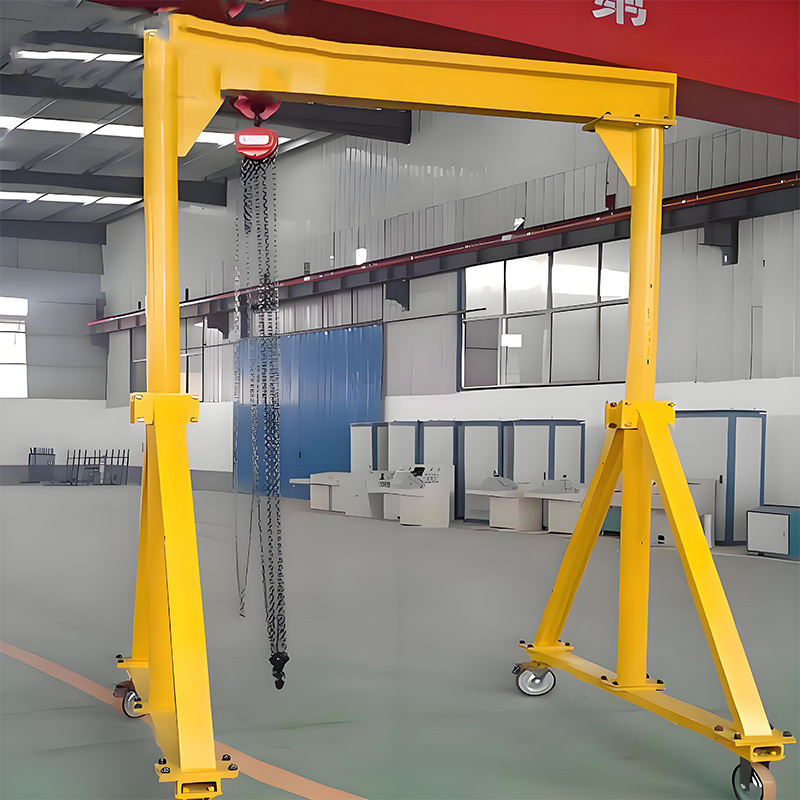
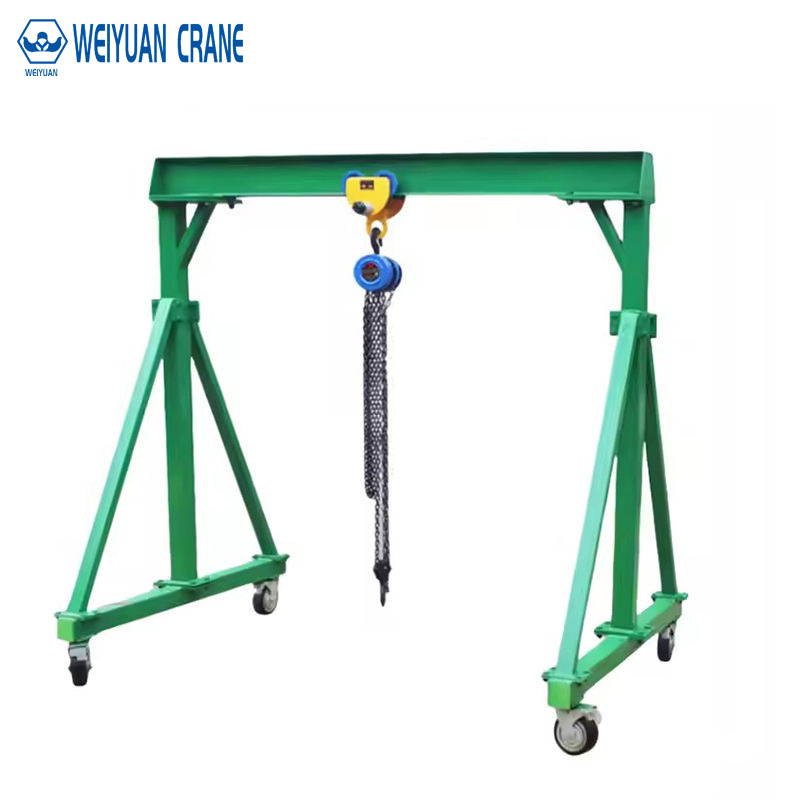
- Portable Gantry Cranes: Built for agility. These typically feature adjustable heights, lightweight aluminum or modular steel frames, and heavy-duty casters. They are the “utility players” of the workshop.
- Fixed Gantry Cranes: Engineered for permanence. These are often rail-mounted, featuring robust welded steel structures and high-torque motors. They are the “heavy hitters” designed for continuous, high-duty cycles.
3. Structural Performance and Load Capacity
Load capacity is the primary filter for your search, but it shouldn’t be the only one.
Portable systems generally top out around 5–10 tons. Because they are modular, they lack the structural rigidity required for high-impact or non-stop lifting. If your process involves occasional lifts of engines or small molds, portability is a win.
Fixed [Gantry Crane] systems, however, are built for the long haul. Capable of exceeding 50 tons, they manage dynamic forces—like wind loads in outdoor yards—with ease. For heavy equipment manufacturing or steel production, the structural integrity of a fixed system is non-negotiable.
4. Mobility vs. Stability: The Trade-off
- When to Choose Mobility: If your workstations change frequently or you need to share one crane across multiple departments, a portable unit is ideal. It’s perfect for intermittent tasks where the equipment needs to be tucked away when not in use.
- When to Choose Stability: If you require precision positioning for heavy, unbalanced loads or long travel distances, go fixed. Stability isn’t just about weight; it’s about safety. A rail-mounted system eliminates the “drift” often seen with manual casters, ensuring a predictable path every time.
5. Installation and Infrastructure
The “hidden” cost of any crane is the preparation.
- Portable units are nearly “plug-and-play.” As long as your floor is level and reinforced enough for the point loads, you’re ready to go.
- Fixed units require an investment in infrastructure. This includes rail foundations, reinforced concrete tracks, and dedicated power distribution. While more involved, this foundation is what allows the crane to operate at peak efficiency for decades.
6. Safety and Compliance in 2026
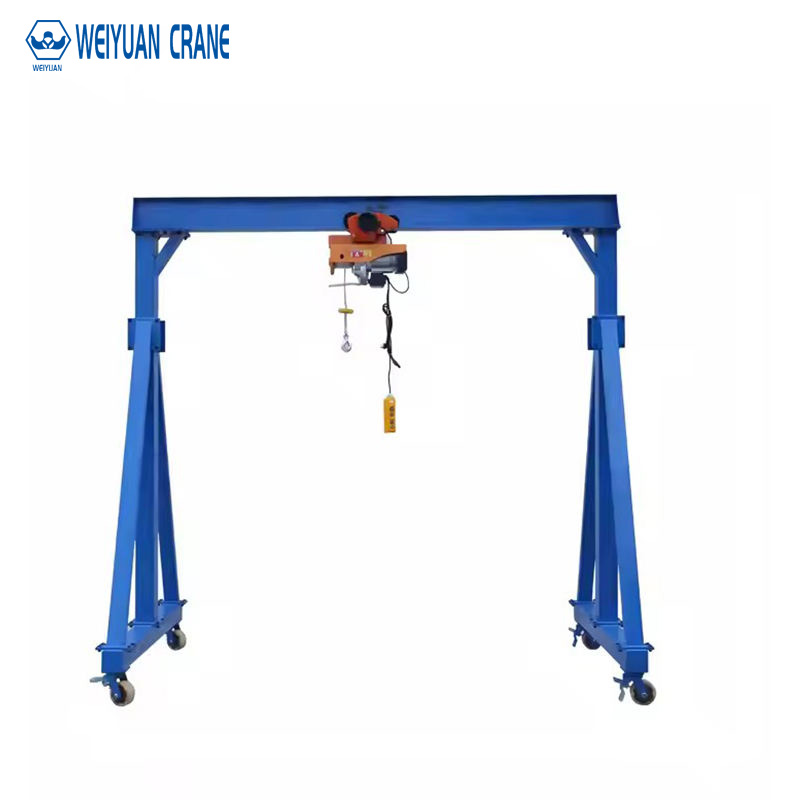
Portable A-Frame Gantry Crane
A highly versatile, portable A-frame gantry crane featuring a single main beam supported by steel legs with durable polyurethane wheels, movable for workshops, garages, and warehouses, providing a flexible and economical lifting solution.:contentReference
View Product / Get QuoteSafety is more than a checklist; it’s a trust signal. A professional-grade [Gantry Crane] must align with international standards (ISO, CE, or CMAA).
Fixed systems naturally accommodate more advanced safety tech:
- Electronic Overload Protection: Preventing the “human error” of over-lifting.
- Anti-collision Sensors: Critical for facilities running multiple units.
- Redundant Braking: A secondary fail-safe for high-value loads.
7. Total Cost of Ownership (TCO)
A common mistake is focusing solely on the purchase price. While a portable crane is cheaper upfront, its manual nature and limited lifespan can lead to higher operational costs. Fixed systems represent a larger capital expenditure but offer higher productivity per shift and lower maintenance-related downtime.
8. Environmental Resilience
Where will the crane live?
- Indoors: Portable cranes thrive here.
- Outdoors: Fixed systems are the clear winners. They are built with corrosion-resistant coatings and weather-protected motors specifically designed to handle rain, snow, and high winds.
Conclusion: Making the Strategic Choice
Choosing the right crane in 2026 is about aligning your equipment with your operational reality. If you need speed, flexibility, and a low entry cost, the portable route is yours. If your goal is strength, stability, and a 20-year asset, the fixed system is the superior investment.
Ultimately, a [Gantry Crane] is not just a machine—it’s a productivity tool. By matching the crane to your specific load demands and workflow, you ensure your facility remains resilient and efficient for years to come.
Frequently Asked Questions (FAQ)
Q1: Can a portable gantry crane be upgraded to a fixed system later? Generally, no. The structural designs are fundamentally different. A portable frame isn’t engineered to handle the stresses of a rail-mounted drive system. It’s best to plan for your 5-year growth today rather than trying to retrofit later.
Q2: Are fixed gantry cranes only for outdoor use? Not at all. Many high-capacity indoor fabrication shops use fixed gantries where the building’s roof cannot support an overhead bridge crane or where they need massive lifting power in a dedicated bay.
Q3: How do I know if my floor can handle a portable gantry crane? You must check the “point load” rating of your concrete. Even a 2-ton load, when concentrated on four small casters, can crack standard shop floors. Always consult a structural engineer before operation.
Q4: Is a gantry crane safer than a traditional bridge crane? Both are exceptionally safe when operated within their parameters. The “safety” comes from choosing the right tool for the job—using a portable gantry for a load it wasn’t built for is where risks arise.