


Maximizing Workshop Productivity: The Strategic ROI of Heavy-Duty Rail-Mounted Gantry Cranes in 2026
In 2026, workshop productivity is no longer defined by how fast equipment can move a load, but by how reliably an entire system performs under pressure. Manufacturers operating in heavy-duty environments are increasingly recognizing that material handling is not a support function—it is a core productivity driver.
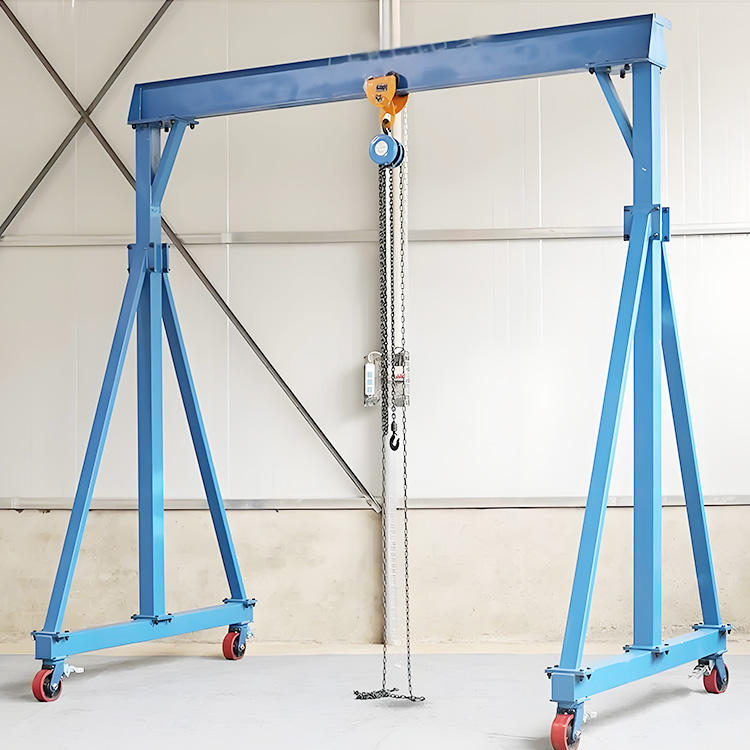
Among all lifting solutions, the heavy-duty rail-mounted 【Gantry Crane】 stands out as one of the most strategic long-term investments. While its upfront cost often attracts scrutiny, its real value lies in operational consistency, space efficiency, and measurable returns that accumulate year after year.
This article takes a practical, business-oriented look at why rail-mounted gantry systems are gaining momentum in 2026 and how their ROI extends far beyond the initial purchase.
1. The 2026 Productivity Shift: Why Rail-Mounted Systems Dominate
Rail-mounted gantry cranes are engineered for permanence. Unlike mobile or rubber-tired alternatives that prioritize flexibility, these systems are built around fixed travel paths and high structural rigidity, making them ideal for continuous, high-load operations.
What has changed in 2026 is not the concept—but the expectations.
Precision Becomes Non-Negotiable
Fixed rails allow millimeter-level positioning accuracy. In workshops handling large steel components, molds, or prefabricated structures, this precision directly reduces collision risk, product damage, and rework.
Designed for High Duty Cycles
Rail-mounted systems are typically rated for heavy or severe duty classes, enabling 24/7 operation without accelerated wear. For facilities where lifting is part of the production rhythm—not an occasional task—this reliability is critical.
Vertical Space as a Productivity Asset
By lifting and transporting loads above the floor plane, a 【Gantry Crane】 frees valuable ground space. In dense workshops, vertical material flow often unlocks capacity that cannot be achieved through layout changes alone.
2. Understanding ROI Through Total Cost of Ownership
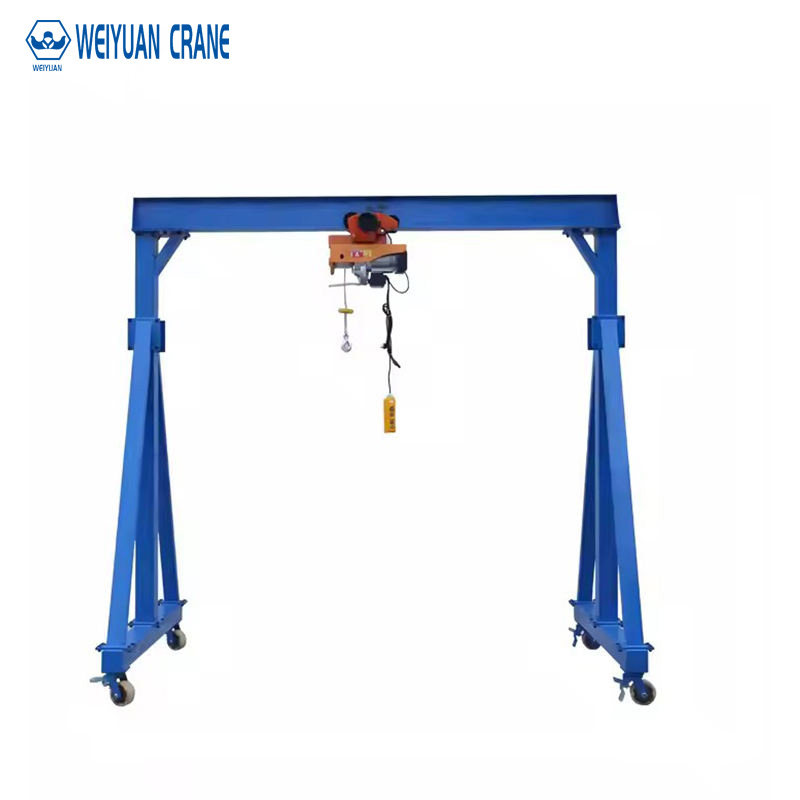
The true return on investment of a rail-mounted gantry crane is revealed through Total Cost of Ownership (TCO), not the purchase invoice.
A. Labor Efficiency Gains
Manual and semi-manual lifting processes carry hidden labor costs. Coordinating teams, waiting for availability, and handling loads cautiously all consume time.
A heavy-duty rail-mounted system allows:
- One operator to handle tasks previously requiring multiple workers
- Faster, repeatable lift cycles with minimal setup time
Over a single shift, labor cost reductions of 20–30% are realistic in high-load environments.
B. Energy Recovery and Maintenance Stability
Modern systems increasingly use regenerative braking technology. When lowering heavy loads, energy is recovered and reused, reducing net power consumption.
From an ROI perspective, this delivers:
- Lower long-term energy costs
- Reduced thermal stress on motors and brakes
- Fewer component replacements over the crane’s lifecycle
Combined with steel-wheel rail travel—which wears far more slowly than tires—maintenance costs remain predictable and manageable.
C. Floor Space as a Financial Metric
Rail-mounted cranes reduce dependence on forklifts and wide travel aisles. In a 5,000-square-foot workshop, reclaiming even 10–15% of floor area can translate into hundreds of square feet of usable production space.
That reclaimed space often supports:
- Additional workstations
- Improved material staging
- Safer, less congested workflows
All without expanding the building footprint.
3. Safety Is Not a Cost Center—It’s a Revenue Protector
Safety improvements are often viewed as compliance expenses. In reality, they protect productivity.
A heavy-duty 【Gantry Crane】 reduces risk through:
- Advanced anti-sway control that stabilizes suspended loads
- Consistent travel paths that eliminate unpredictable movement
- Reduced human exposure to heavy lifting zones
Fewer incidents mean less downtime, lower insurance exposure, and a more confident workforce—factors that quietly but powerfully influence long-term profitability.
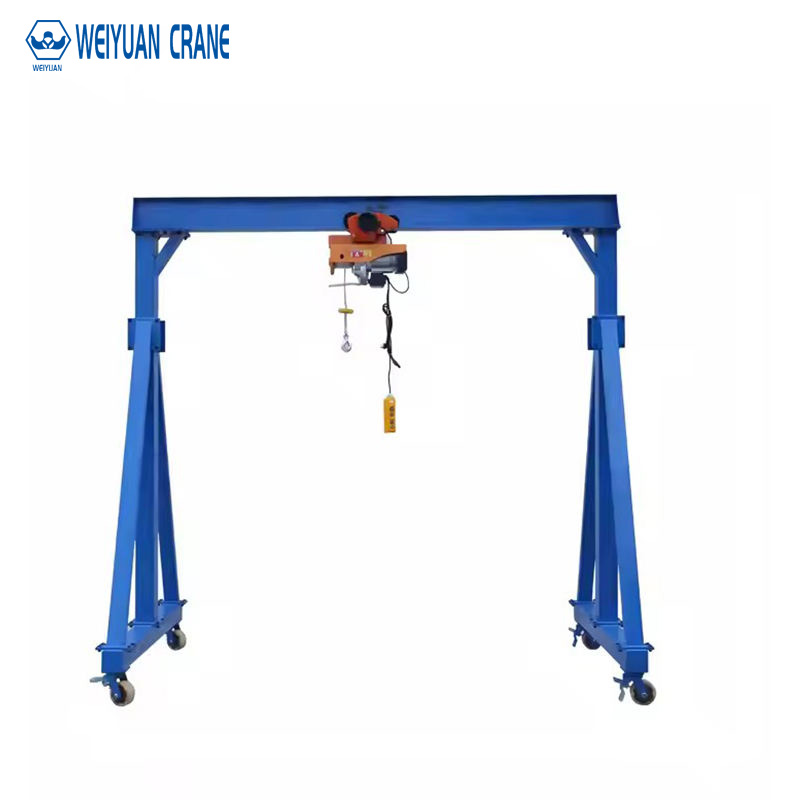
Portable A-Frame Gantry Crane
A highly versatile, portable A-frame gantry crane featuring a single main beam supported by steel legs with durable polyurethane wheels, movable for workshops, garages, and warehouses, providing a flexible and economical lifting solution.:contentReference
View Product / Get Quote4. Rail-Mounted vs. Rubber-Tired: A Practical Comparison
| Feature | Rail-Mounted Gantry | Rubber-Tired Gantry |
|---|---|---|
| Positioning Accuracy | Excellent (fixed path) | Moderate (operator-dependent) |
| Typical Capacity | 20–500+ tons | Usually under 50 tons |
| Maintenance Profile | Low, predictable | High tire and surface wear |
| Automation Readiness | Very high | Limited |
| Long-Term ROI | Strong | Situational |
Rubber-tired systems retain value where mobility is essential, but for precision-heavy, high-volume operations, rail-mounted cranes consistently outperform over time.
5. Automation, AI, and Future-Proof Operations
As smart factories become standard, fixed-path systems gain a clear advantage. Rail-mounted gantry cranes are inherently compatible with automation because their movement is predictable and repeatable.
In 2026, leading installations support:
- Real-time condition monitoring
- Predictive maintenance alerts
- Integration with ERP and MES platforms
- Simulation within digital twin environments
This transforms the crane from a mechanical tool into a data-driven productivity asset.
6. Is the Investment Worth It?
For workshops operating under heavy loads, tight schedules, and high safety expectations, the answer is increasingly clear.
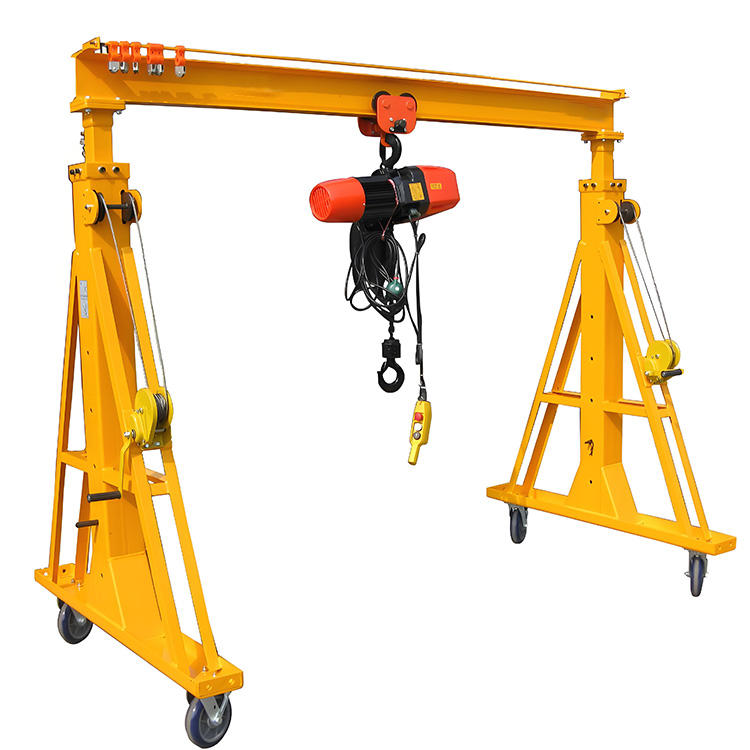
While a rail-mounted 【Gantry Crane】 requires higher upfront planning and infrastructure, its ROI—driven by labor savings, energy efficiency, reduced downtime, and extended service life—often materializes within 3 to 5 years.
Manufacturers such as Weiyuan focus on designing these systems not just for current capacity, but for future expansion, ensuring that today’s investment remains relevant for decades.
Frequently Asked Questions (FAQ)
Q1: How much space is required for a rail-mounted gantry crane foundation?
While the rails themselves are compact, the foundation must handle high point loads. A structural analysis is essential to ensure the floor can support long-term stress.
Q2: Are rail-mounted gantry cranes suitable for outdoor use?
Yes. They are widely used in shipyards and steel yards and can be equipped with wind sensors, rail clamps, and corrosion-resistant coatings.
Q3: Can these cranes integrate with existing ERP or MES systems?
Most modern systems use PLC-based controls that support data exchange with enterprise systems for tracking usage, maintenance, and productivity.
Q4: What is the expected lifespan of a heavy-duty rail-mounted gantry crane?
With proper maintenance, 25–30 years of service life is common, making them one of the most durable lifting investments available.