


5 Ways Green Gantry Cranes Boost Energy Efficiency
🌿 Sustainable Industrial Equipment
5 Ways Green Gantry Cranes Boost Energy Efficiency
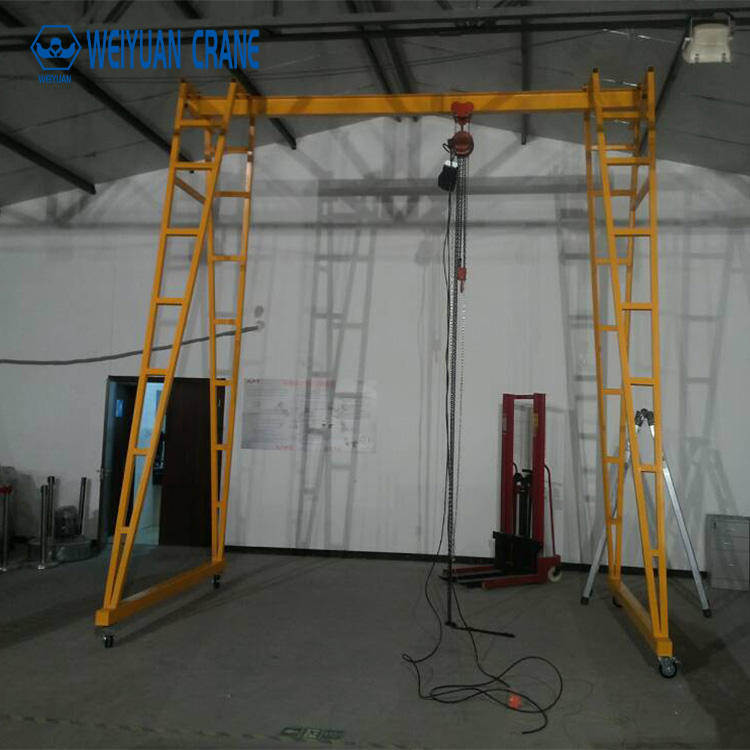
How modern eco-engineering is quietly transforming heavy lifting — and slashing operational costs at the same time.
✍️ By Equipment Engineering Team📅 Updated March 2026⏱ 7 min read🌍 Industry Insight
45%Energy savings from regenerative braking
30%Reduction in lifecycle carbon footprint
3–5 yrsTypical ROI payback period
60%Less standby power with smart idle systems
When most people picture a gantry crane, they think of raw industrial power — towering steel frames, rumbling motors, and the satisfying clunk of heavy loads being moved from point A to point B. Energy efficiency rarely enters the picture. Yet the crane industry is undergoing a quiet revolution, and green gantry cranes are leading the charge.
For port operators, warehouse managers, and logistics directors, energy costs can represent anywhere from 20% to 35% of total operating expenditure. That’s a significant line item — and one that modern crane technology is uniquely positioned to shrink. This article breaks down exactly how green gantry cranes achieve those savings, backed by engineering principles and real-world performance data, so you can make informed procurement and upgrade decisions.
Whether you’re evaluating a full fleet replacement or simply want to understand where the industry is headed, these five mechanisms are the ones worth knowing inside out.
The 5 Core Efficiency Mechanisms
Each innovation below targets a different stage of the crane’s operating cycle — together, they compound into dramatic overall savings.
01
⚡ Regenerative Drive Systems That Recapture Braking Energy
Traditional crane motors simply dissipate braking energy as heat — a complete waste of a valuable resource. Green gantry cranes equipped with regenerative variable frequency drives (VFDs) flip this equation entirely. When a loaded trolley decelerates or a hoist lowers a heavy load, the motor transitions into generator mode, converting kinetic energy back into electrical energy that feeds directly into the facility’s grid or an on-site energy storage buffer.
In high-throughput port environments where cranes perform hundreds of lift-lower cycles per shift, this alone can account for 30–45% of total energy savings. The electrical energy recovered is particularly clean and immediately usable, unlike heat, which requires additional HVAC systems to manage — adding yet another indirect saving.
💡 Engineering Note: Modern regenerative drives achieve up to 97% conversion efficiency during energy recovery, meaning almost none of the captured kinetic energy is lost in the process.
02
🧠 Intelligent Load-Sensing and Adaptive Power Modulation
A traditional crane motor runs at a fixed power level regardless of whether it’s lifting 10 tonnes or 1 tonne. That’s a bit like driving a car with the accelerator permanently floored. Smart green gantry cranes use real-time load sensors paired with adaptive controllers to modulate motor output precisely to the task at hand.
When handling lighter loads — which account for a surprisingly large portion of most operational cycles — the system automatically reduces power draw, sometimes by as much as 50% compared to full-rated output. The controller also factors in trolley position, wind resistance in outdoor yard environments, and the crane’s structural flex to continuously optimize the drive profile throughout every movement.
The practical result is a crane that feels the same to the operator but uses dramatically less energy over a full working day. Across a fleet of ten cranes operating two shifts per day, the cumulative saving is substantial.
💡 Real-World Impact: A medium-sized container terminal that implemented adaptive load-sensing across its RTG fleet reported a 28% reduction in annual electricity consumption within the first 12 months.
03
🏗️ Lightweight High-Strength Steel and Structural Optimization
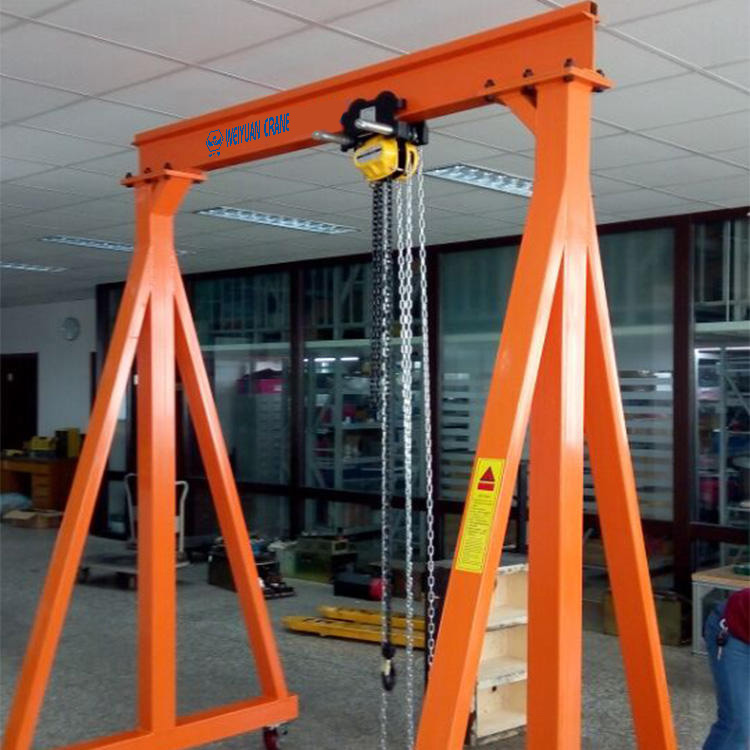
Energy efficiency isn’t only about the electrical system — it starts with the crane’s physical mass. Every kilogram of crane structure that moves during operation requires energy to accelerate and decelerate. Green gantry cranes are now engineered using finite element analysis (FEA) to identify and remove material from non-critical structural zones, while upgrading high-stress areas to advanced high-strength steel (AHSS) grades.
The result is a structure that may be 15–25% lighter than a conventionally designed crane of equivalent rated capacity, while maintaining or improving safety factors. That mass reduction directly reduces the energy required for all gantry travel movements, and it also extends wheel and rail life — a significant indirect operational saving that’s often overlooked in energy efficiency calculations.
Additionally, lighter structures place less dynamic load on port infrastructure, potentially deferring costly foundation and rail reinforcement work.
04
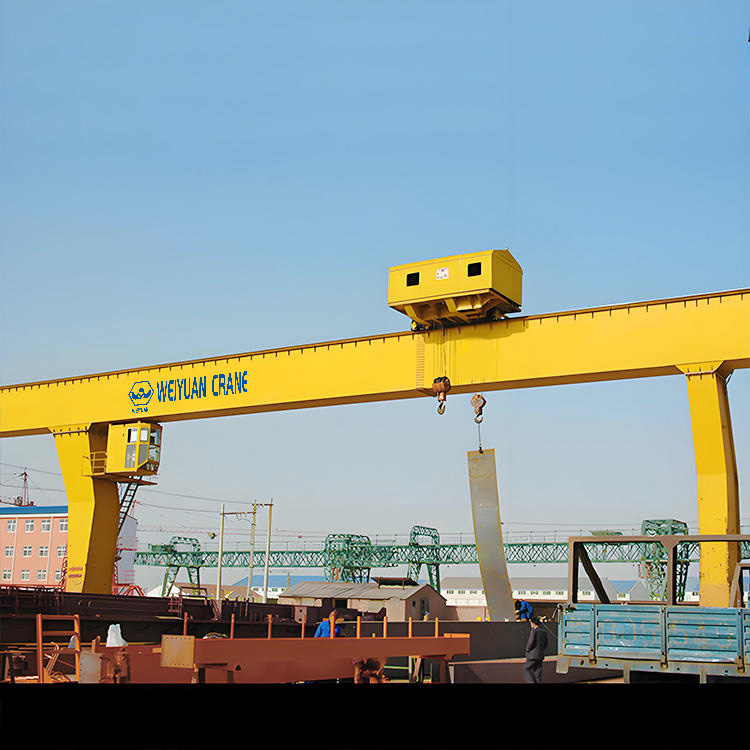
Weiyuan L-Shape Leg Walk Gantry Crane | Manufacturer Direct, Enhanced Mobility
The Weiyuan L-Shape Leg Walk Gantry Crane is a high-performance single-girder gantry crane with a distinctive L-shaped leg design that offers superior clearance for long and oversized loads, and smooth “walk” travel on ground rails — direct from the manufacturer for competitive pricing and reliable quality. :contentReference
View Product / Get Quote🔋 Hybrid Energy Storage Integration — Supercapacitors and Battery Buffers
Regenerative energy is only as useful as your ability to store and redeploy it at the right moment. A growing number of green gantry cranes now incorporate hybrid energy storage systems that combine lithium-iron-phosphate (LiFePO4) battery packs with supercapacitor arrays.
Supercapacitors excel at handling the rapid, high-current bursts associated with braking recovery and peak acceleration demands. Batteries, meanwhile, provide deeper storage for sustained low-power operations and overnight charge buffering. Together, they smooth the crane’s demand profile on the grid, which not only reduces energy costs but also eliminates expensive peak demand charges from utility providers — a cost that many operators underestimate significantly.
In fully electrified rubber-tyred gantry (E-RTG) configurations, this hybrid storage system can allow the crane to operate for extended periods on stored energy alone, completely eliminating diesel generator running time and the associated fuel, maintenance, and emissions costs.
💡 Cost Perspective: Eliminating diesel genset operation on a single RTG can save $40,000–$80,000 annually in fuel costs alone, depending on utilization rate and local diesel pricing.
05
📊 Predictive Maintenance and Digital Twin Technology
Energy efficiency degrades over time as mechanical components wear and electrical systems drift from optimal calibration. A crane that was 95% efficient when new may be running at 80% efficiency three years later — and nobody notices because it’s still lifting loads successfully. Green gantry cranes built on IoT-connected platforms prevent this invisible efficiency decay through continuous condition monitoring and predictive maintenance algorithms.
Vibration sensors, thermal cameras, current signature analysis, and hydraulic pressure monitors feed data continuously into a digital twin model of the crane. Machine learning algorithms compare real-time performance against the calibrated baseline, flagging anomalies before they become failures and identifying efficiency losses before they become significant. When a wheel bearing begins to degrade, for example, the system detects the increased rolling resistance as an energy anomaly — days or weeks before any mechanical failure would occur.
Beyond energy savings, predictive maintenance reduces unplanned downtime by 40–70% in practice, which has profound implications for terminal throughput and revenue protection.
💡 Industry Data: Facilities using digital twin monitoring for their crane fleets report maintaining energy efficiency within 3–5% of the as-new baseline, even after five or more years of operation.
Green vs. Conventional Gantry Cranes: Key Metrics
| Performance Category | Conventional Crane | Green Gantry Crane | Improvement |
|---|---|---|---|
| Braking energy recovery | 0% (dissipated as heat) | Up to 45% recovered | High |
| Partial-load power draw | Near full rated power | Adaptive, up to 50% less | High |
| Structural mass | Baseline | 15–25% lighter | Medium |
| Diesel dependency (RTG) | Full-time generator | Minimal or zero | Very High |
| Long-term efficiency retention | Degrades silently | Monitored & maintained | High |
| Grid demand charges | High peak spikes | Buffered & smoothed | Medium |
| Carbon emissions intensity | Baseline | Up to 30% lower | High |
The shift toward green gantry crane technology isn’t just an environmental story — it’s a fundamental business competitiveness story. Facilities that invest in energy-efficient crane fleets today are building a cost structure advantage that will compound for decades. The operators who wait are effectively choosing to subsidize the ones who moved early.
— Senior Port Equipment Consultant, International Port Technology Review, 2025
Making the Business Case: Total Cost of Ownership vs. Sticker Price
One of the most persistent barriers to green crane adoption is an over-reliance on purchase price as the primary procurement criterion. A green gantry crane typically carries a 15–25% price premium over a conventionally specified unit — a gap that can look significant when viewed in isolation. But when the full 20-year total cost of ownership (TCO) is modelled, the picture changes dramatically.
Energy savings alone typically offset the price premium within three to five years, depending on local electricity tariffs and operational intensity. Add in reduced diesel costs for RTG applications, lower predictive maintenance expenditure versus reactive repairs, extended wheel and rail life from reduced structural mass, and reduced utility peak demand charges — and the green option often delivers a TCO advantage of 20–35% over its operational life.
Procurement teams that communicate this TCO framework to finance stakeholders are consistently more successful in securing approval for greener fleet investments. The key is translating engineering efficiency gains into the language of financial returns — net present value, internal rate of return, and payback period rather than watts and kilowatt-hours.
It also helps to factor in the regulatory environment. Emissions regulations for port equipment are tightening across major jurisdictions, from the EU’s Green Deal to California’s zero-emission cargo handling equipment rules. Facilities investing in green technology today are ahead of compliance requirements, avoiding the forced upgrade costs that less forward-thinking operators will face in coming years.
📈
Model Full TCO
Include energy, maintenance, fuel, and compliance costs over a 15–20 year period, not just initial purchase price.
🏛️
Check Incentives
Many jurisdictions offer grants, tax credits, or green bonds specifically for zero-emission port equipment.
🔌
Audit Your Grid
Understand your facility’s demand charge structure — hybrid storage systems can eliminate the most expensive part of your electricity bill.
📋
Plan for Regulation
Review upcoming local and national emissions standards to ensure your investment timeline stays ahead of compliance requirements.
Frequently Asked Questions
Answers to the questions we hear most often from procurement managers and operations directors.
What exactly makes a gantry crane “green”?
The term refers to cranes designed with energy efficiency and reduced environmental impact as primary engineering objectives. This typically includes regenerative drive systems, adaptive power controls, lightweight structures, hybrid or full-electric power systems, and IoT-based monitoring. There is no single universal certification standard, so buyers should request detailed technical specifications and third-party verified performance data from manufacturers when evaluating claims.
Can existing conventional cranes be retrofitted with green technology?
In many cases, yes. Retrofitting is most cost-effective when focused on the drive and controls systems — replacing standard drives with regenerative VFDs, adding adaptive load-sensing controllers, and integrating IoT monitoring platforms. Structural mass reduction is generally not practical as a retrofit. A well-executed electrical retrofit can deliver 25–40% of the energy savings achievable with a purpose-built green crane, at a fraction of the cost.
How long do the batteries and supercapacitors last in hybrid systems?
Modern LiFePO4 battery packs used in crane hybrid systems are typically rated for 3,000–5,000 deep charge cycles, which translates to 8–15 years of service in most operational profiles. Supercapacitors have much longer cycle lives — often exceeding one million cycles — and typically outlast the crane itself. Most manufacturers now offer battery replacement programs and capacity guarantee agreements as part of their service contracts.
Does green crane technology reduce operational performance or lifting capacity?
No — rated lifting capacity and operational speed are maintained at specification. Lightweight structural design uses higher-grade materials to preserve safety factors while reducing mass. In practice, many operators report improved cycle times with smart drive systems due to optimized acceleration and deceleration profiles, even while using less energy. The efficiency gains come from how energy is used, not from compromising what the crane can do.
What is the typical return on investment for a green gantry crane upgrade?
For a full crane replacement, most facilities report payback periods of 3–5 years when combining direct energy savings, fuel cost elimination (for RTG applications), and reduced maintenance expenditure. For electrical system retrofits, payback periods are often shorter — sometimes 18–30 months — due to the lower upfront investment. Available government incentives and rising carbon pricing mechanisms are accelerating these returns in many markets.
Are green gantry cranes suitable for all operating environments?
The core energy-saving technologies — regenerative drives, adaptive controls, and digital monitoring — are appropriate for virtually any industrial or port gantry crane application. Hybrid and full-electric power systems are most impactful in high-cycle applications such as container terminals and intermodal yards. For lower-intensity applications such as construction sites or temporary industrial installations, a more targeted approach focused on drive efficiency may be more cost-effective than full hybrid integration.