


Top 5 Benefits of Gantry Cranes for Industrial Material Handling
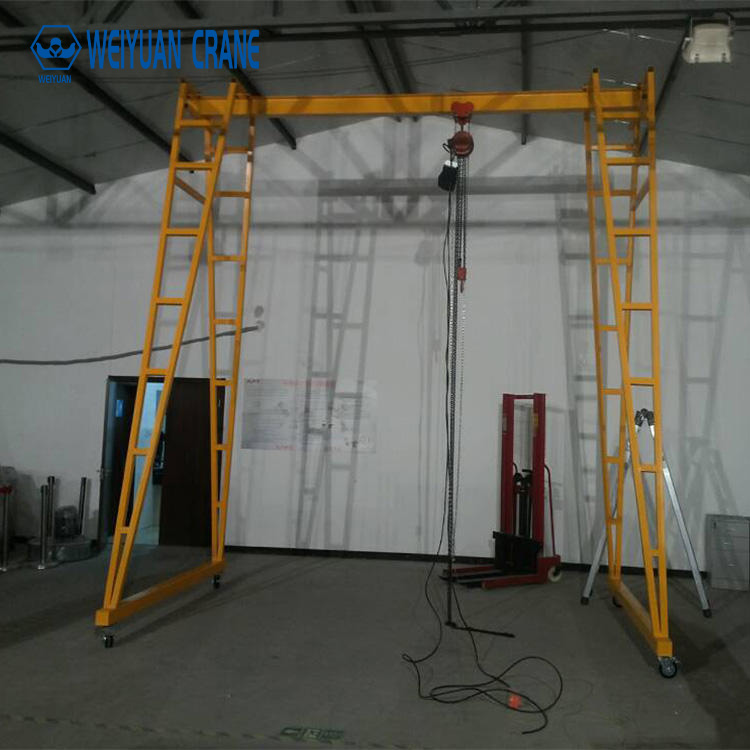
Lifting heavy materials across large industrial spaces requires the right equipment. When you need to move massive steel beams, shipping containers, or heavy machinery, relying on standard forklifts often falls short. Facilities need equipment that offers high capacity without permanently altering the building’s structure.
This is exactly where a Gantry Crane excels. These freestanding lifting systems provide immense power and mobility, completely transforming how businesses handle their heaviest loads.
This post explores the top five advantages of integrating these impressive lifting systems into your industrial workflow. We will examine how they enhance operational flexibility, reduce long-term costs, and protect your workforce. By understanding these core benefits, you can make an informed decision about upgrading your material handling infrastructure.
1. Unmatched Mobility and Flexibility
The most defining feature of this equipment is its inherent mobility. Unlike traditional bridge systems that require permanent installation on existing building columns, these systems stand on their own legs. This design offers incredible flexibility for dynamic work environments.
Adapting to Changing Layouts
Industrial facilities rarely stay the same forever. Production lines shift, storage areas expand, and workflow requirements evolve over time. Permanent overhead systems lock you into a specific floor plan. If you move a production line, the overhead system cannot easily follow.
Freestanding lifting systems solve this problem entirely. Many models feature heavy-duty polyurethane casters that allow you to roll the entire structure across the factory floor. You can move the equipment exactly where you need it, whether that means repositioning it over a new CNC machine or rolling it out of the way to clear floor space.
Indoor and Outdoor Versatility
Many material handling tasks happen outside the main factory walls. Shipping yards, construction sites, and outdoor steel fabrication areas require heavy lifting capabilities. You cannot easily build a permanent bridge system outdoors without constructing an entirely new support structure.
These freestanding systems operate just as effectively outdoors as they do indoors. Manufacturers build outdoor models with weather-resistant coatings, galvanized hardware, and enclosed electrical components. A single piece of equipment can unload a flatbed truck in the yard and then roll inside to deliver the materials directly to the assembly line.
2. High Cost-Effectiveness and ROI
Capital equipment investments require careful financial planning. When evaluating lifting solutions, you must look beyond the initial purchase price and consider the total cost of ownership. These freestanding systems consistently deliver an exceptional return on investment.
Avoiding Structural Modifications
Installing a traditional overhead runway system is a massive construction project. You must hire structural engineers to verify that your building’s columns and roof trusses can support the extra weight. Often, facilities require expensive structural reinforcements before the installation can even begin.
Because a Gantry Crane supports its own weight and the weight of the load, it places zero stress on your building’s structure. You avoid engineering fees, construction delays, and expensive steel reinforcements entirely. This makes them highly cost-effective, especially for companies leasing their industrial spaces.
Lower Maintenance Expenses
Complex machinery generally requires complex maintenance. These freestanding lifting systems, however, feature straightforward mechanical designs. They rely on sturdy steel legs, a solid horizontal beam, and a standard hoist mechanism.
This simplicity translates directly to lower maintenance costs. Routine upkeep generally involves greasing the casters, inspecting the hoist chain, and checking the structural bolts. Your internal maintenance team can usually handle these tasks without hiring expensive specialized contractors. Fewer breakdowns and cheaper repairs keep your operational budget firmly under control.
3. Superior Load Capacity and Efficiency
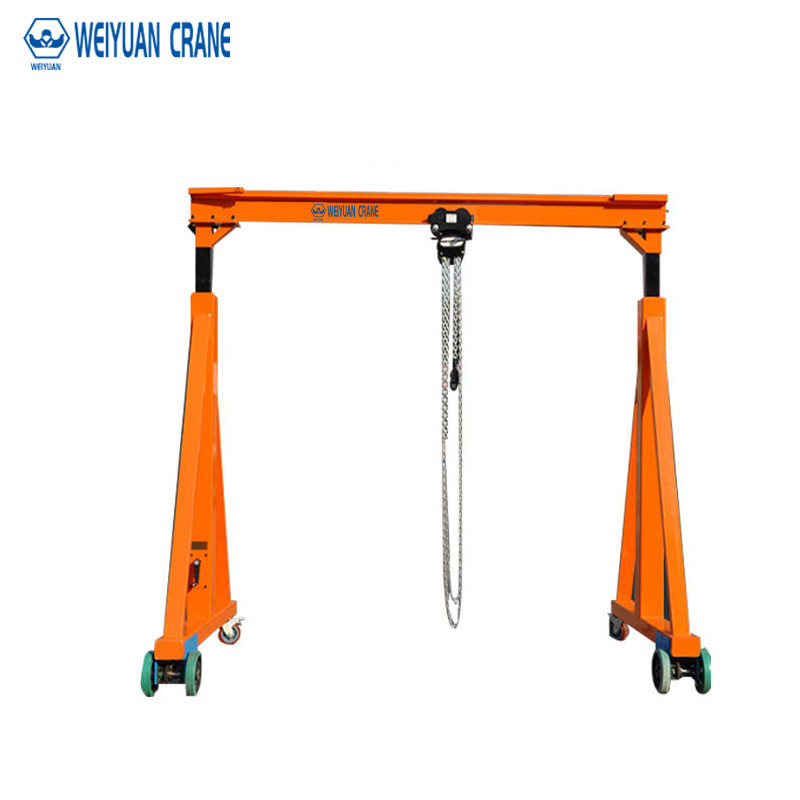
Productivity relies on moving materials quickly and securely. Bottlenecks form when workers cannot find the right equipment to handle exceptionally heavy or awkward loads. These robust systems eliminate those delays by offering massive lifting capabilities.
Handling Heavy Loads Safely
Standard warehouse forklifts struggle with long, unstable loads like steel pipes or massive timber beams. Trying to balance these items on two forks creates a significant tipping hazard. These freestanding systems lift from above, completely eliminating the balance issues associated with ground-level transport.
Capacities range widely to suit different applications. Lightweight aluminum models can easily handle 500-pound engine blocks in an automotive shop. Meanwhile, heavy-duty steel models can lift 15 tons or more in a busy shipyard. This broad range of capacities ensures you always have the right amount of power for the task at hand.
Speeding Up Workflow
Waiting for shared facility equipment kills productivity. If twenty workers share a single overhead bridge system, they spend a large portion of their shift simply waiting for their turn. This idle time costs the company thousands of dollars in lost labor.
Deploying several smaller freestanding systems across different workstations decentralizes your material handling. Workers have immediate access to lifting power exactly when they need it. This localized approach keeps production lines moving fluidly and dramatically increases your facility’s daily throughput.
4. Ergonomic Benefits and Worker Safety
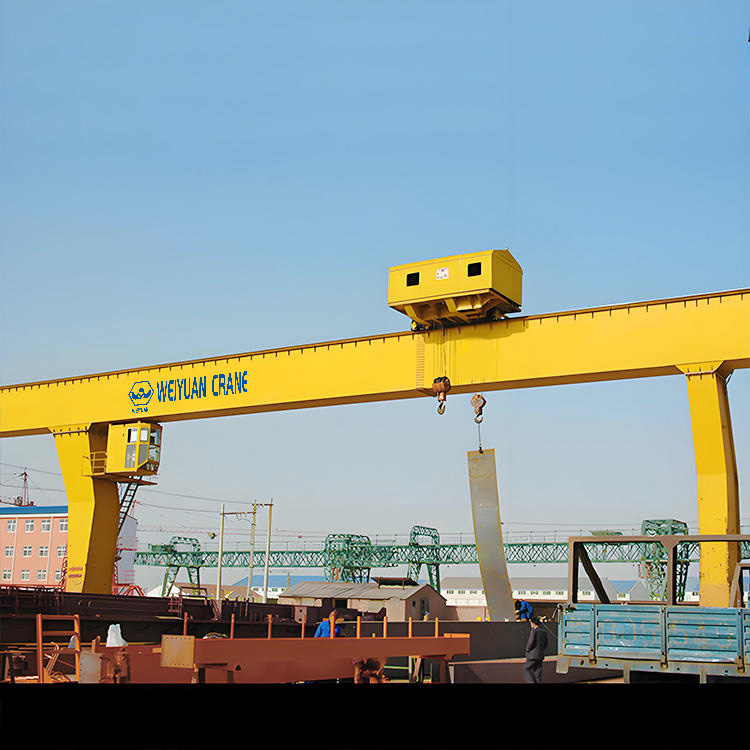
Weiyuan L-Shape Leg Walk Gantry Crane | Manufacturer Direct, Enhanced Mobility
The Weiyuan L-Shape Leg Walk Gantry Crane is a high-performance single-girder gantry crane with a distinctive L-shaped leg design that offers superior clearance for long and oversized loads, and smooth “walk” travel on ground rails — direct from the manufacturer for competitive pricing and reliable quality. :contentReference
View Product / Get QuoteProtecting your workforce from injury is both a moral imperative and a financial necessity. Manual lifting causes severe musculoskeletal injuries, leading to costly workers’ compensation claims and chronic absenteeism. Mechanical lifting solutions drastically improve workplace ergonomics.
Reducing Manual Strain
Even seemingly light loads cause damage when lifted repetitively throughout an eight-hour shift. Workers often strain their backs and shoulders trying to manipulate awkward components into position. A motorized hoist attached to a freestanding frame removes this physical burden completely.
Workers use an ergonomic pendant control to manage the heavy lifting. They can lift, lower, and position components with minimal physical effort. A rested, healthy workforce remains alert, which naturally reduces the likelihood of secondary accidents on the factory floor.
Enhanced Control Systems
Modern lifting equipment includes sophisticated safety features that protect both the operator and the materials. High-quality systems feature fail-safe magnetic brakes that engage automatically if the facility loses power. This prevents the suspended load from dropping unexpectedly.
Furthermore, variable frequency drives allow operators to control the lifting speed with absolute precision. A worker can lift a load quickly to clear obstacles, then slow down to a micro-speed to gently lower a delicate component into a tight fixture. This high degree of control prevents impact damage and ensures perfect alignment.
5. Easy Assembly and Customization
Industrial operations vary wildly from one facility to the next. Off-the-shelf solutions rarely fit every unique workflow perfectly. Fortunately, these lifting systems offer incredible customization options and fast deployment times.
Quick Deployment
Installing major facility equipment often requires shutting down production for several days or weeks. This downtime disrupts your supply chain and frustrates your customers. Freestanding lifting systems require minimal assembly time.
Smaller models often assemble in less than two hours using standard hand tools. Even large, heavy-duty models typically assemble within a single day. This rapid deployment means you can order the equipment, receive it, and put it to work almost immediately, without causing major disruptions to your operational schedule.
Tailored Specifications
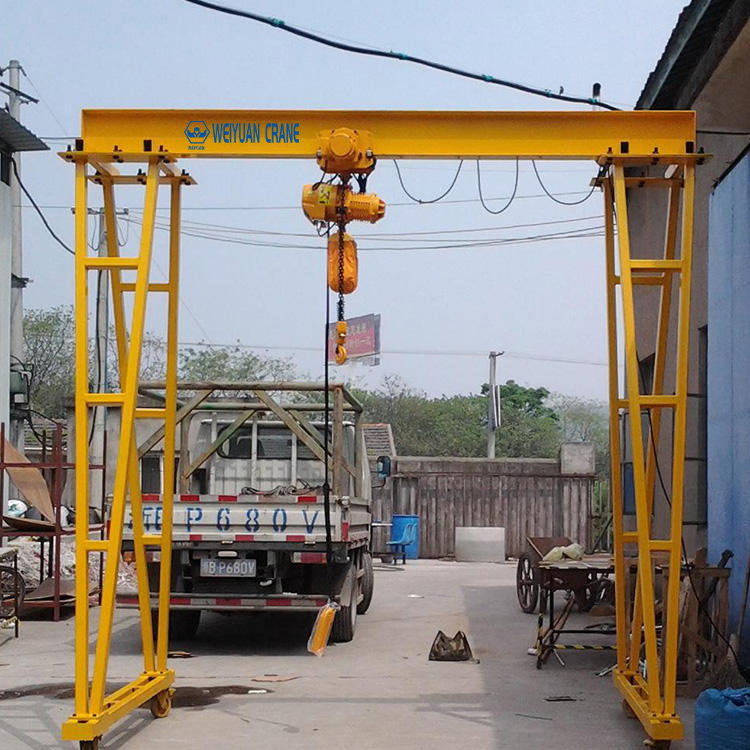
Manufacturers understand that no two facilities operate exactly the same way. You can customize nearly every aspect of a Gantry Crane to match your specific needs.
If you have low ceilings, you can order a system with an adjustable height mast. If you work in a highly corrosive environment, you can request an aluminum frame or specialized epoxy coatings. You can select custom span widths to clear specific machinery or choose specific caster types to roll smoothly over uneven concrete. This high level of customization ensures the equipment perfectly complements your existing workflow.
Frequently Asked Questions (FAQ)
What is the difference between an adjustable and a fixed-height system?
A fixed-height system has a permanent vertical clearance, which provides maximum structural rigidity for extremely heavy loads. An adjustable system uses telescoping legs secured with heavy-duty pins. This allows you to raise the beam to clear tall machinery or lower it to roll the entire unit through standard warehouse doorways.
Can one person move a fully loaded system across the floor?
Generally, no. Safety regulations strongly advise against rolling the equipment while it supports a heavy load. The casters are designed for repositioning the unloaded frame to a new workstation. If you need to transport heavy loads across long distances, a forklift or an overhead runway system is more appropriate.
How do I choose the correct capacity for my operations?
Calculate the weight of the absolute heaviest single item your operators will lift. Then, add the weight of the hoist, the trolley, and any specialized rigging you plan to use. Select a system with a maximum capacity that exceeds this total combined weight by at least twenty percent to ensure optimal safety.
Do I need a special concrete floor to use this equipment?
Small to medium capacity systems roll perfectly well on standard industrial concrete floors. However, very high-capacity models exert tremendous point-load pressure through the casters. If you plan to lift ten tons or more, a structural engineer should evaluate your concrete slab to ensure it can withstand the concentrated weight without cracking.