


Gantry Cranes in Action: Real-World Applications That Boost Efficiency
Lifting massive steel beams or maneuvering bulky shipping containers requires more than just raw power. It demands precision, adaptability, and unwavering safety. When standard forklifts fail to handle awkward loads and permanent overhead systems lack the necessary mobility, facility managers face a serious logistical hurdle.
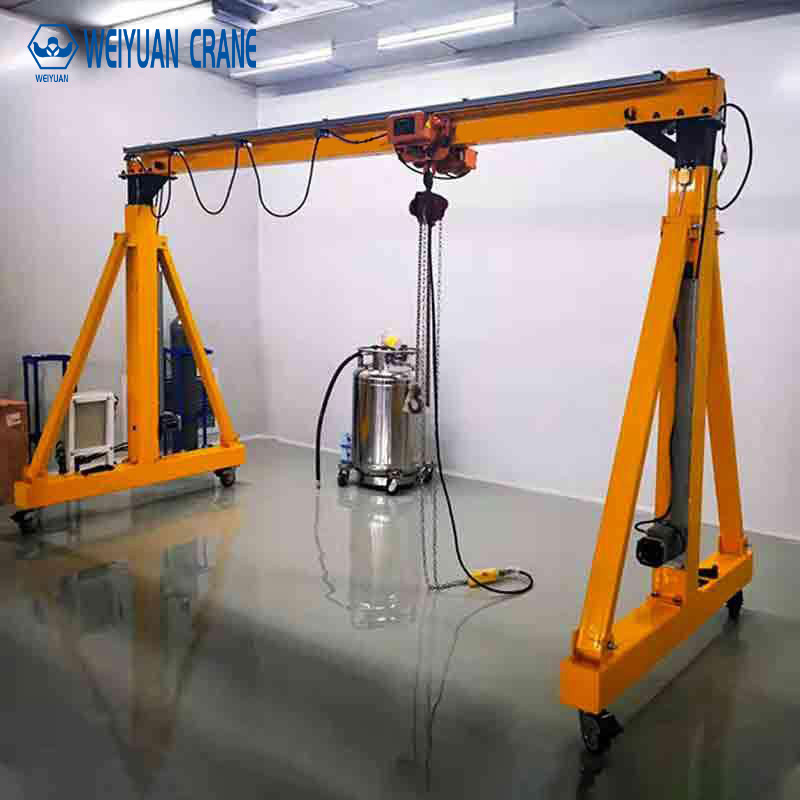
Overcoming this challenge means rethinking how you approach material handling. Integrating a Gantry Crane into your operations provides a highly adaptable, freestanding lifting solution that moves wherever you need it. These robust systems lift massive weights without putting stress on your building’s structure, offering a unique blend of strength and flexibility.
This article explores exactly how these lifting systems perform in the real world. We will dive into specific applications across manufacturing, logistics, and heavy construction. You will learn how deploying this equipment directly boosts operational efficiency, protects your workforce from severe injuries, and maximizes your daily productivity.
The Unique Advantage of Mobile Lifting
Before exploring specific industries, we must understand why these systems are so highly valued. Traditional overhead bridge setups require permanent installation on existing building columns. This locks your material handling capabilities into a fixed, rigid grid.
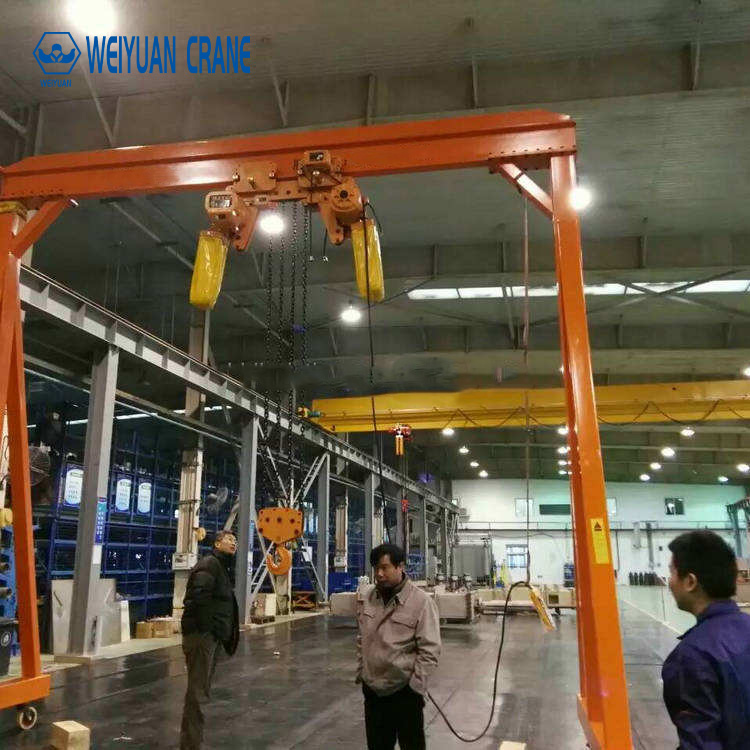
Freestanding lifting systems break free from these structural constraints. They stand on their own independent support legs, and many models feature heavy-duty polyurethane casters. This allows your team to roll the entire structural frame across the factory floor, bringing massive lifting power directly to the workstation that needs it most.
By eliminating the need to modify your building or wait for shared overhead equipment, you immediately remove severe workflow bottlenecks. You gain the freedom to rearrange your production lines, expand your storage areas, and adapt to new operational challenges at a moment’s notice.
Manufacturing: Precision Meets Heavy Duty
Modern manufacturing plants demand a careful balance between rapid production and exact precision. Dropping a heavy metal billet or misaligning a massive engine block causes severe damage and costly delays. Freestanding lifting systems provide the exact control needed to maintain high manufacturing standards.
Feeding CNC Machines and Workstations
Computer Numerical Control (CNC) machines operate with microscopic precision, but loading the raw materials into these machines is a heavily physical task. Workers often struggle to align heavy steel blocks onto the machine beds. This manual effort slows down the entire machining cycle and creates significant safety risks.
Positioning a mobile lifting system directly over the CNC station solves this problem entirely. The operator can secure the raw material, lift it smoothly using a motorized hoist, and guide it perfectly into the machine fixture. Variable-speed controls allow the operator to lower the material at a crawl, preventing any impact damage to the expensive machine tooling. This streamlined loading process drastically increases the number of parts a single machine can produce in a shift.
Assembling Oversized Equipment
Manufacturing massive products, such as aerospace components, commercial HVAC units, or heavy agricultural machinery, requires handling incredibly bulky parts. Standard forklifts simply cannot maneuver these oversized components into the tight spaces required for final assembly.
Localized lifting stations empower assembly workers to manipulate these massive parts independently. They can lift a heavy chassis, rotate it precisely, and hold it firmly in place while another worker installs the mounting bolts. This collaborative, supported approach speeds up the assembly line and guarantees a higher quality final product.
Logistics and Warehousing: Keeping Supply Chains Moving
Warehouses and distribution centers thrive on continuous, uninterrupted movement. When freight stops flowing, supply chains break down, and profits vanish. Logistics managers rely on adaptable lifting equipment to keep docks clear and trucks moving.
Streamlining Shipping Yards and Docks
Loading docks frequently encounter freight that defies standard palletization. Long bundles of industrial piping, heavy spools of wire, and crated machinery present major challenges for standard warehouse equipment. Forklifts often struggle with the shifting center of gravity when lifting these awkward items.
In these environments, a mobile Gantry Crane shines by offering superior vertical lifting capabilities. Workers can position the frame directly over the awkward freight, attach specialized rigging, and lift the load straight up. They can then back a flatbed truck directly underneath the suspended load and lower it gently into place. This method prevents product damage and significantly reduces the time transport trucks spend idling at your facility.
Managing Maintenance and Battery Charging Stations
Electric forklifts power most modern warehouses, but their massive industrial batteries require regular swapping and maintenance. A standard forklift battery can weigh several thousand pounds. Manually maneuvering these batteries is exceptionally dangerous and prone to causing chemical spills.
Many facilities set up dedicated battery changing stations equipped with a specialized lifting frame. A single worker can attach a lifting beam to the depleted battery, hoist it out of the forklift, and lower it onto a charging rack. They then lift a fully charged battery and slide it perfectly into the machine. This specialized application keeps your primary warehouse fleet running around the clock with minimal downtime.
Construction and Heavy Infrastructure: Building the Future
Construction sites represent some of the most chaotic and demanding work environments on the planet. Uneven terrain, brutal weather, and massive structural components push material handling equipment to its absolute limits. Freestanding lifting systems provide the rugged reliability needed to build massive infrastructure safely.
Managing Precast Concrete and Steel Beams
Building modern bridges, parking garages, and high-rise structures relies heavily on precast concrete and massive steel I-beams. While towering tower cranes handle the high-altitude lifting, ground-level staging requires equally robust equipment. Ironworkers and concrete crews need a way to organize, flip, and prepare these materials before they go up into the sky.
Setting up a heavy-duty lifting station in the staging yard allows crews to maneuver these massive elements safely. Welders can use the equipment to lift and rotate steel beams, ensuring they can access every joint for a perfect, structurally sound weld. This ground-level efficiency keeps the primary construction schedule moving forward without costly delays.
On-Site Equipment Maintenance
Heavy construction equipment, like bulldozers, excavators, and dump trucks, takes a massive beating on the job site. When a hydraulic pump fails or an engine block cracks, contractors cannot always afford to tow the machine back to a central repair shop. They need to perform heavy maintenance directly in the dirt.
Deploying a rugged, weather-resistant lifting system to the job site allows mechanics to tear down massive machinery safely. Using a heavy-duty Gantry Crane allows teams to pull a broken engine out of an excavator and place it onto a portable work stand. The mechanic completes the repair on-site, and the equipment returns to digging dirt days faster than if it had been shipped off-site for service.
Core Benefits Across All Sectors
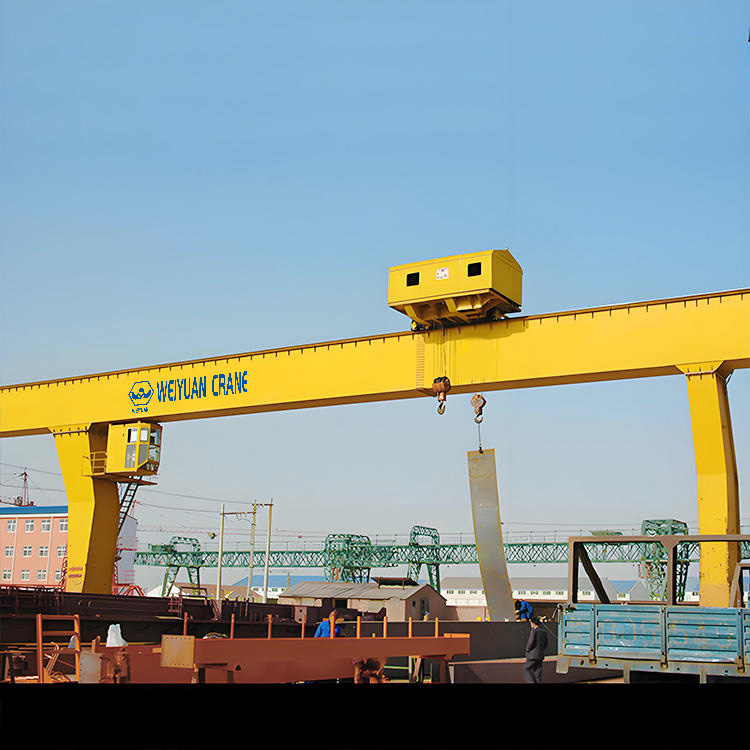
Weiyuan L-Shape Leg Walk Gantry Crane | Manufacturer Direct, Enhanced Mobility
The Weiyuan L-Shape Leg Walk Gantry Crane is a high-performance single-girder gantry crane with a distinctive L-shaped leg design that offers superior clearance for long and oversized loads, and smooth “walk” travel on ground rails — direct from the manufacturer for competitive pricing and reliable quality. :contentReference
View Product / Get QuoteRegardless of whether you build airplanes, ship consumer goods, or pour concrete foundations, implementing these localized lifting systems yields universal operational benefits. Facility managers who invest in this technology see immediate, measurable improvements in two critical areas: safety and overall productivity.
Amplifying Worker Safety and Ergonomics
Manual lifting remains the leading cause of severe workplace injuries. Chronic back pain, muscle tears, and spinal compression ruin careers and cost companies millions of dollars in workers’ compensation claims. You have a direct responsibility to protect your team from these physical hazards.
Motorized lifting solutions completely remove the physical burden from your operators. Instead of straining to push heavy loads, workers use an ergonomic pendant remote to control the machinery. This mechanical advantage eliminates the fatigue that leads to secondary accidents. When your workers feel safe and physically rested, employee morale improves, and your turnover rates drop significantly.
Unlocking Operational Productivity
Workflow bottlenecks destroy your profit margins. When twenty employees share a single overhead bridge system, you pay them to stand around and wait for equipment to become available. This wasted time compounds daily, crippling your facility’s true output potential.
Decentralizing your material handling by deploying multiple freestanding lifting stations completely eliminates this idle time. Workers gain the autonomy to manage their own heavy lifting exactly when they need to. This smooth, uninterrupted workflow allows your facility to process more materials, build more products, and load more trucks every single day.
Frequently Asked Questions (FAQ)
What is the difference between an aluminum and a steel system?
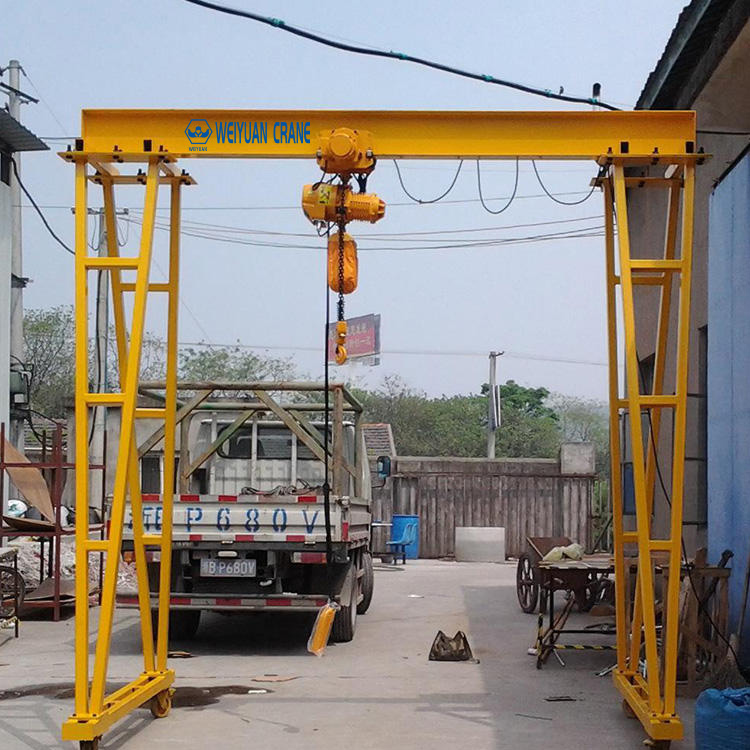
Steel systems provide maximum structural strength for exceptionally heavy loads, often exceeding 15 tons. They are highly durable but very heavy. Aluminum systems are much lighter and highly corrosion-resistant. They are ideal for cleanrooms, outdoor use, and situations where one or two workers need to assemble and push the unloaded frame frequently.
Can I move the equipment while a heavy load is suspended?
Generally, no. Safety regulations strongly dictate that pushing a loaded Gantry Crane is dangerous and creates a severe tipping hazard. The casters are designed to let you roll the empty structural frame to a new workstation. Once in position, you must lock the casters firmly before initiating any lifting procedures.
How do I know if my concrete floor can support this equipment?
Small, lightweight systems roll perfectly fine on standard industrial concrete. However, heavy-duty systems lifting 10 tons or more exert incredible point-load pressure through the wheels. If you plan to lift massive capacities, you must hire a licensed structural engineer to verify that your concrete slab is thick enough to prevent cracking under the load.
Do these systems require professional installation?
Many lightweight and medium-capacity models assemble easily in a few hours using your internal maintenance team and standard hand tools. However, massive industrial systems with high-voltage motorized hoists typically require professional installation and certified electrical wiring to ensure absolute safety and compliance with OSHA regulations.