


Top Features of Universal Electric Hoists: Versatility for Every Industry
Moving massive loads safely and efficiently requires the right mechanical support. Facilities that rely on manual lifting or outdated equipment face constant delays, higher injury rates, and damaged products. You need lifting machinery that adapts to your specific workspace while delivering consistent, reliable power day after day.
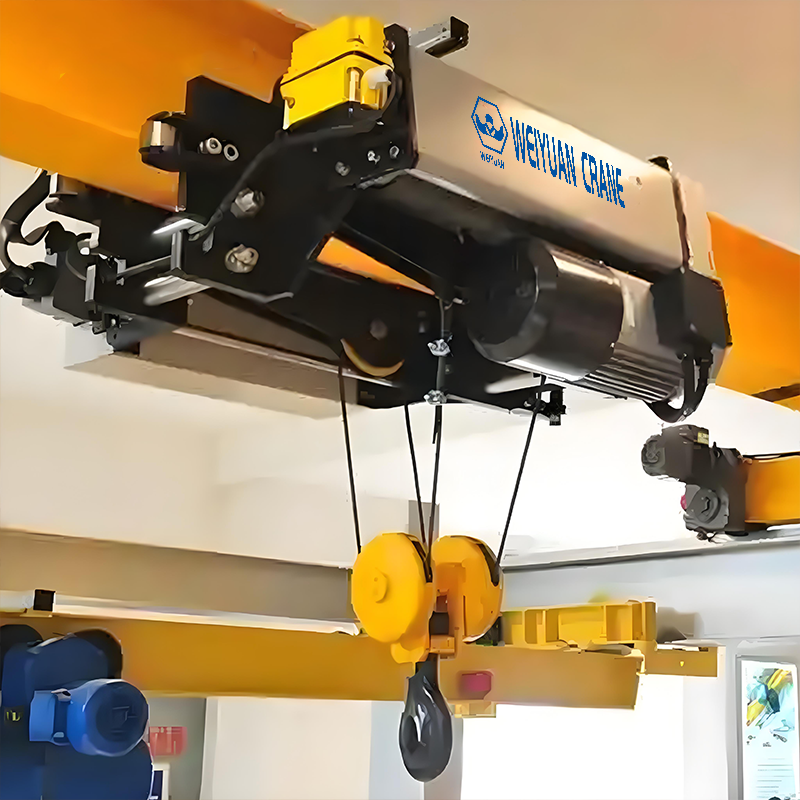
The universal electric hoist represents one of the most practical solutions for modern material handling. These compact, powerful devices replace physical strain with precise, motorized lifting. They attach to various crane systems, operate seamlessly in tight spaces, and handle incredible weights with absolute control.
This guide breaks down exactly what makes these hoists so valuable. We will explore their core mechanical features, examine how they boost daily efficiency, and look at their specific applications across major global industries. By the end, you will understand why upgrading your lifting equipment is a smart investment for your operation.
Core Features Driving Industrial Efficiency
Equipment must earn its keep on the factory floor. You cannot afford machinery that breaks down constantly or only performs one highly specific task. A universal electric hoist delivers exceptional value precisely because it combines several critical mechanical advantages into a single, compact unit.
Unmatched Operational Versatility
Standardization often limits flexibility, but universal hoists break this rule. Engineers design these units to work seamlessly with a massive variety of structural setups. You can attach them to a freestanding jib crane, suspend them from a localized workstation bridge, or run them along a simple I-beam monorail.
This adaptability means you do not need to purchase entirely different lifting mechanisms for different parts of your facility. A high-quality universal electric hoist easily mounts to your existing infrastructure. Furthermore, these units accommodate a wide range of below-the-hook attachments. Whether you need to lift steel coils with a C-hook or move wooden crates using specialized spreader bars, the hoist handles the base lifting duties flawlessly.
Rugged Durability for Heavy Loads
Industrial environments destroy fragile equipment. Dust, moisture, and constant vibration wear down inferior machinery rapidly. Universal hoists feature rugged construction designed specifically to survive these harsh conditions. Manufacturers build the main outer housings from high-strength aluminum or cast iron, protecting the sensitive internal gears from physical impacts.
The internal components boast similar toughness. The lifting medium, whether wire rope or high-tensile chain, undergoes rigorous stress testing to prevent snapping under maximum capacity. The internal braking systems remain completely sealed away from airborne factory contaminants. This heavy-duty engineering ensures your equipment lasts for years, drastically reducing your long-term replacement costs.
High-Speed Efficiency and Control
Speed matters when you need to hit strict production quotas. However, speed without control causes dangerous load swinging and equipment damage. Modern hoists solve this by integrating advanced Variable Frequency Drive (VFD) technology.
VFD systems allow the operator to control the lifting speed with incredible precision. They can lift a heavy load rapidly to clear ground obstacles, then slow the motor down to a crawl when positioning the item into a tight machine fixture. This smooth, micro-speed capability prevents sudden jerks and shock loading. It protects your valuable products from impact damage and allows your workers to complete tasks much faster than traditional manual positioning.
Applications Across Major Industries
Different sectors face entirely different material handling challenges. Yet, the core need to lift heavy items safely remains a constant thread. The adaptability of the universal electric hoist allows it to solve specific workflow bottlenecks across diverse commercial operations.
Streamlining Heavy Manufacturing
Manufacturing plants operate on strict, continuous schedules. An assembly line stops completely if workers cannot move heavy engine blocks, metal castings, or stamped chassis parts to the next station. Using shared forklifts for these tasks causes massive traffic jams on the factory floor.
Hoists eliminate this waiting game entirely. Facility managers install dedicated hoists directly over critical assembly cells. Workers use a simple pendant remote to lift heavy components from a delivery pallet and position them perfectly onto their workbenches. This continuous, localized lifting power keeps the production line moving smoothly and prevents the severe back injuries associated with manual lifting.
Powering Logistics and Warehousing
Warehouses deal with constant inventory turnover. Workers must unload delivery trucks, stage heavy crates, and organize bulky materials quickly. Time spent struggling with awkward, heavy pallets eats directly into a logistics company’s profit margins.
Integrating hoists into loading dock areas and staging zones drastically speeds up the receiving process. A hoist running on a monorail can easily pull heavy items directly out of a shipping container and transport them to an inspection area. This mechanical support allows a single worker to manage massive crates that would normally require a team of three people to move safely.
Supporting Demanding Construction Sites
Construction sites present incredibly challenging lifting environments. The workspace changes daily, and teams must move heavy steel beams, concrete forms, and large mechanical equipment across uneven ground.
Contractors frequently utilize portable hoists attached to temporary gantry frames or scaffolding systems. These setups allow workers to lift heavy HVAC units to higher floors or position structural beams accurately before welding. Because the hoists are relatively compact and easy to transport, construction crews can move them to different areas of the job site as the project progresses.
Prioritizing Operator Safety
No feature matters more than safety. Industrial lifting carries inherent risks, and dropped loads cause catastrophic injuries and massive financial liabilities. Universal hoists incorporate multiple redundant safety systems to protect your workforce.
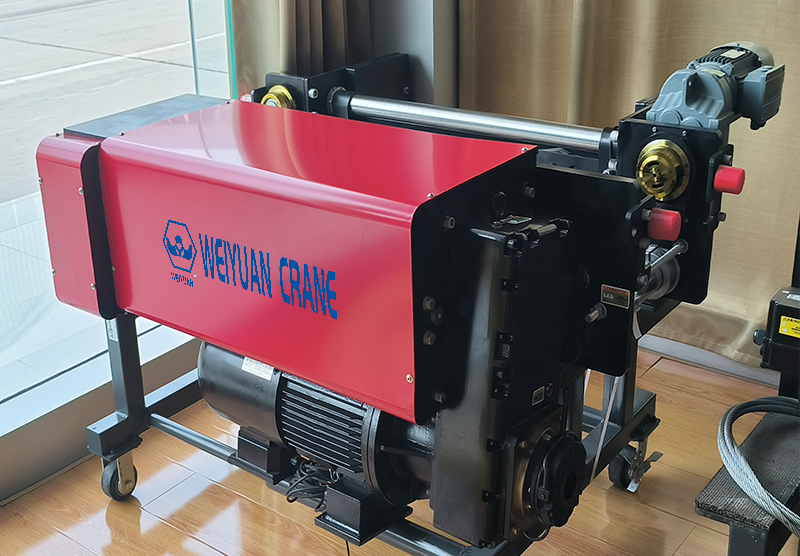
Upper and lower limit switches come standard on almost all models. These switches automatically cut power to the motor if the hook travels too high or unspools too low, preventing the internal drum from binding or snapping the wire rope. Additionally, integrated overload clutches physically prevent the hoist from lifting a load that exceeds its maximum rated capacity.
If the power suddenly fails in your building, the electromagnetic braking system engages instantly. It locks the load securely in place in mid-air, preventing it from crashing down onto the floor below. These built-in safety mechanisms give your operators the confidence to work efficiently without constantly worrying about equipment failure.
Taking the Next Step
Ignoring inefficient material handling processes drains your operational budget and exhausts your workforce. Providing your team with targeted, motorized lifting power eliminates production bottlenecks and creates a significantly safer working environment.
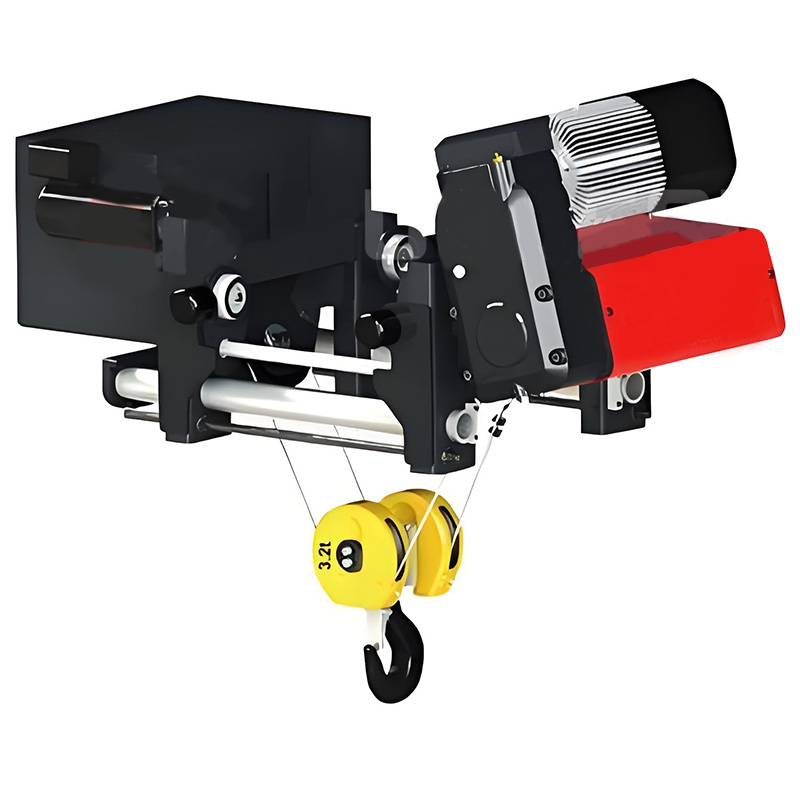
The unmatched versatility, rugged durability, and precise control makes the universal electric hoist an invaluable tool for virtually any industrial application. Whether you run a bustling automotive assembly plant or manage a high-volume logistics hub, investing in a reliable universal electric hoist directly improves your daily throughput.
Stop settling for outdated lifting methods that hold your business back. Upgrade your facility with machinery engineered to work exactly the way you need it to. Contact the Weiyuan Crane engineering team today to explore our comprehensive lineup of advanced hoist solutions and find the perfect fit for your operational needs.