



Cranes
The Jib Crane Advantage: Why Every Facility Needs One
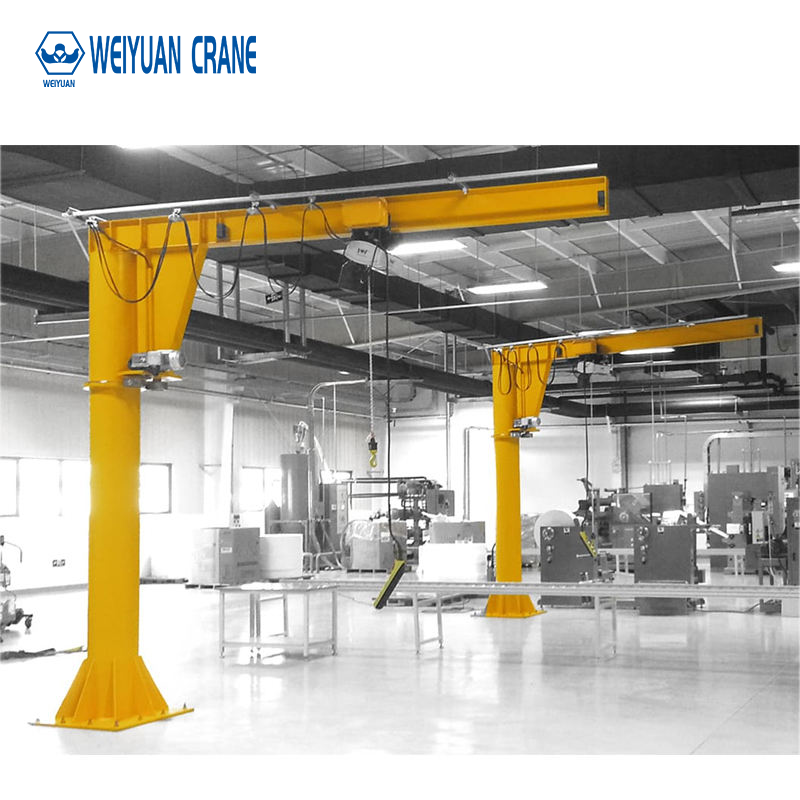
Material handling bottlenecks quietly destroy your profit margins. When workers struggle to move heavy components or spend half their shift waiting for a shared forklift, production grinds to a halt. Facility managers constantly search for ways to eliminate these costly delays and keep their assembly lines moving smoothly.
Upgrading your lifting infrastructure offers the most direct path to solving these operational challenges. Traditional overhead bridge systems handle massive weights, but they lock your facility into a rigid grid. You need a targeted, localized lifting solution that empowers individual workers to manage massive loads exactly when their specific task requires it.
This post explores why the jib crane represents one of the smartest investments a manufacturing facility can make. We will unpack the unique advantages of this localized lifting technology. You will learn how these systems deliver unmatched versatility, highly cost-effective lifting power, and massive improvements to your daily workflow efficiency.
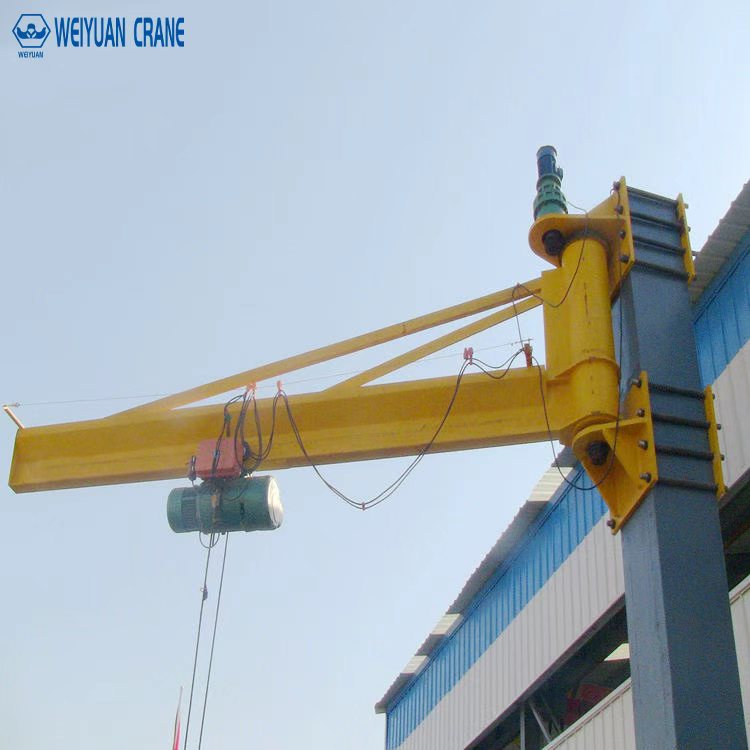
Weiyuan 500kg Wall Mounted Jib Crane
The Weiyuan 500kg Wall Mounted Jib Crane is a compact and efficient lifting solution designed for workshops, assembly lines, and warehouse operations. Mounted directly to a structural wall or column, it saves valuable floor space while providing smooth 180° slewing coverage for precise material handling up to 500 kg.
View Product / Get QuoteThe True Cost of Inefficient Material Handling
Before we explore the solutions, we must examine the actual cost of poor material handling. Many facilities accept sluggish lifting processes as a normal part of doing business. However, ignoring these inefficiencies drains your operational budget daily.
Wasted Time at Shared Workstations
A bustling factory floor requires constant movement. When twenty different employees share a single large overhead bridge system, workers naturally form a queue. They spend a significant portion of their shift simply standing around, waiting for the shared equipment to become available.
This idle time costs your company thousands of dollars in wasted labor every single month. Furthermore, it disrupts the entire rhythm of your production line. When one station falls behind because they cannot access lifting equipment, the subsequent stations run out of parts. This domino effect cripples your facility’s true output potential.
The Hidden Dangers of Manual Lifting
When workers cannot access mechanical lifting support, they often resort to manual physical labor. They attempt to wrestle heavy steel billets, awkward castings, or massive engine blocks into alignment by hand. This dangerous approach leads directly to severe musculoskeletal injuries.
Chronic back pain, muscle tears, and spinal compression remain the leading causes of long-term disability in the manufacturing sector. These preventable injuries result in massive workers’ compensation claims and severe chronic absenteeism. You have a direct responsibility to provide the right mechanical tools to protect your dedicated workforce from physical harm.
Unpacking the Localized Lifting Advantage
Implementing targeted lifting stations fundamentally changes how your facility operates. By bringing the heavy lifting power directly to the individual workstation, you eliminate the severe bottlenecks caused by shared machinery.
Unmatched Versatility in Tight Spaces
Industrial floor space represents a massive financial premium. Every square foot dedicated to bulky, oversized equipment limits your overall production capacity. You need lifting machinery that provides immense power without dominating your valuable manufacturing real estate.
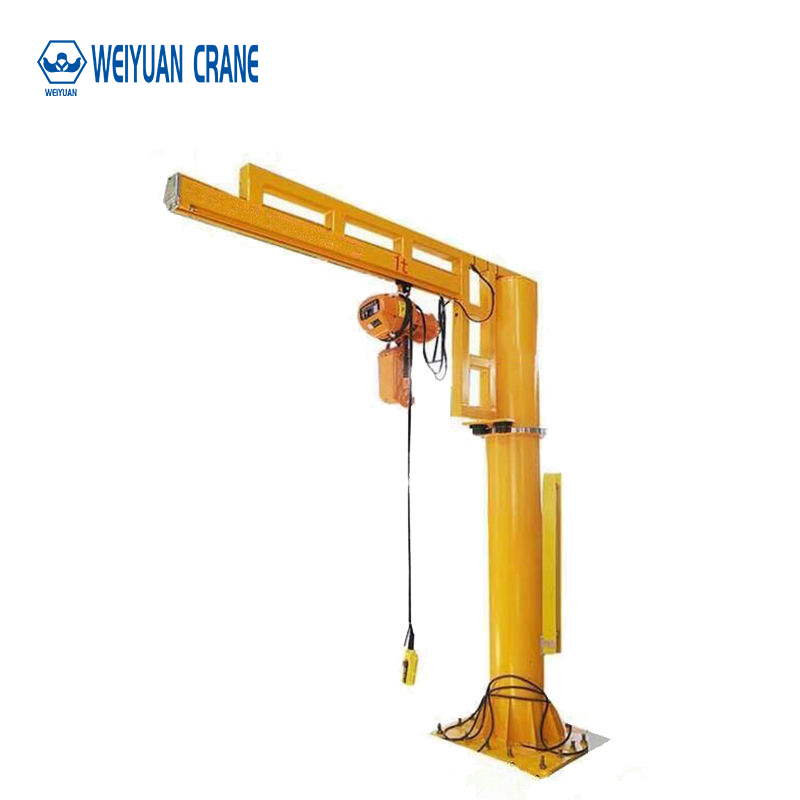
A localized rotational lifting system utilizes your vertical space perfectly. A standard freestanding pillar model occupies only a tiny concrete footprint to support its heavy-duty base plate. The horizontal boom operates entirely overhead, leaving the ground below completely clear for essential foot traffic and material staging.
If your facility cannot spare even a few inches of floor space, you can utilize wall-mounted models. These systems bolt directly to structurally sound concrete walls or heavy steel building columns. They fold entirely flat against the wall when workers do not need them, completely eliminating overhead obstructions.
Highly Cost-Effective Infrastructure
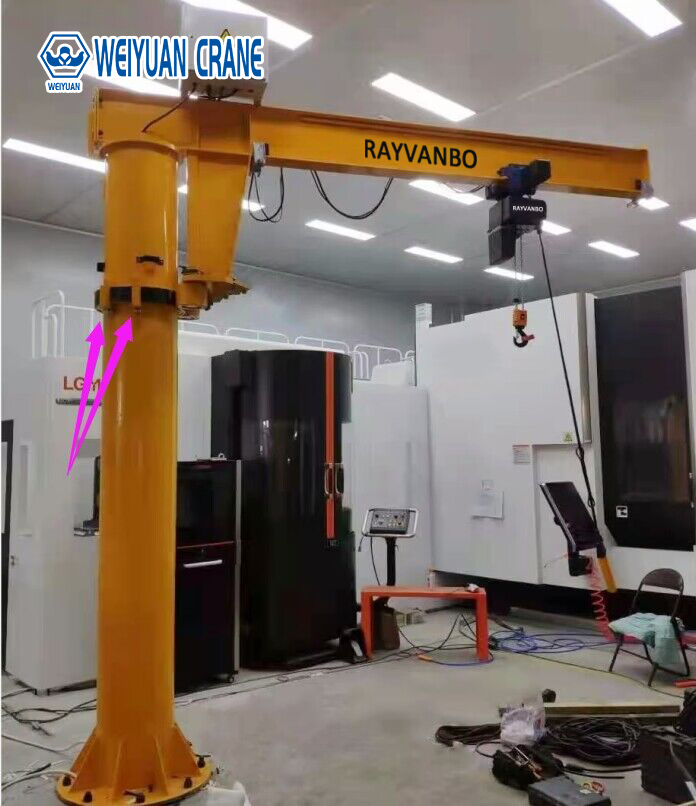
Facility managers must carefully justify every capital equipment purchase. Outfitting an entire factory with heavy-duty overhead runway systems costs hundreds of thousands of dollars. You must pay for massive steel girders, complex electrical busbars, and extensive structural engineering assessments.
A high-quality jib crane provides a highly affordable alternative. Because these systems feature a relatively simple mechanical design, manufacturing costs remain exceptionally low. You can purchase and install several localized lifting stations for a fraction of the cost of a single massive bridge system.
This affordability allows you to scale your material handling infrastructure gradually as your business grows. Furthermore, their simple mechanical engineering guarantees a low total cost of ownership. Routine maintenance generally involves greasing the pivot bearings and inspecting the structural bolts, tasks your internal maintenance team can easily handle.
How Localized Lifting Transforms Workflow Efficiency
The true value of any industrial equipment lies in its ability to streamline your daily operations. Adding dedicated lifting stations directly over your most demanding work areas unlocks massive gains in overall facility throughput.
Empowering the Individual Worker
Autonomy drives productivity. When workers need to load a heavy metal billet into a stamping press, they should not have to hunt down a forklift driver. Localized lifting stations provide immediate access to mechanical lifting power.
Assembly line workers dictate their own working pace rather than operating at the mercy of shared facility equipment. They use an ergonomic pendant remote to lift heavy loads, swing the horizontal boom to the desired drop-off point, and lower the materials gently. This continuous, self-directed workflow drastically increases the number of units your team can produce during a standard shift.
Delivering Precise Load Control
Dropping a massive steel component damages expensive machinery and endangers everyone standing nearby. Traditional manual lifting lacks the precise control necessary for delicate assembly tasks. Modern localized lifting systems feature advanced technology that guarantees total load stability.
Many systems pair seamlessly with variable-frequency drive hoists. This allows the operator to lift a heavy load quickly to clear an obstacle, then slow the descent to a micro-speed. The worker can then guide the component perfectly into a tight machine fixture without causing any impact damage. This absolute precision protects your valuable products and ensures a highly secure work environment.
Streamlining Repetitive Lifting Tasks
Certain industrial tasks require operators to move materials back and forth repeatedly all day long. Loading and unloading machining centers, packing heavy crates, or sorting raw materials demands constant, repetitive lifting. Manual lifting forces workers to take frequent rest breaks to recover their physical strength.
Motorized lifting arms handle these repetitive cycles effortlessly. Because the mechanical structure bears the entire physical weight, the operator never experiences deep muscular fatigue. They can maintain a rapid, consistent working pace from the beginning of their shift until the very end, resulting in a massive boost to your daily production numbers.
Key Considerations When Upgrading Your Facility
Selecting the right localized lifting system represents a critical strategic decision. You must carefully evaluate your exact load capacities and understand your spatial limitations to guarantee your new equipment enhances your workflow.
Identifying the Right Mounting Style
The physical layout of your facility heavily dictates which mounting style makes the most sense. Freestanding pillar models offer the highest weight capacities and a full 360-degree rotation. They are the ideal choice for open assembly areas or heavy machining centers.
Wall-mounted systems provide excellent localized lifting power but come with rotational limits. Because the building wall blocks the horizontal boom, you typically only get 200 degrees of rotation. You must also hire a structural engineer to verify that your building columns can safely support the immense pulling forces generated during a heavy lift.
Calculating True Load Capacity
Guessing how much weight you need to lift causes catastrophic equipment failures. You must calculate your maximum load requirements with absolute precision. Determine the absolute heaviest single item your operators will handle on a daily basis.
Next, you must add the physical weight of the motorized hoist, the rolling trolley, and any below-the-hook attachments like spreader bars or lifting magnets. Engineers strongly recommend calculating this total combined weight and then adding a 20 percent safety margin to determine your final required capacity. Buying a system that barely meets your current needs leaves zero room for future business expansion.
Prioritizing Routine Maintenance
Every heavy-duty lifting system must meet strict engineering standards to protect your dedicated workforce. Taking the time to evaluate manufacturers ensures you gain a reliable, long-term partner who will support your operations.
Once your equipment is installed, you must establish a strict preventative maintenance protocol. Operators must perform visual inspections before every shift, checking for frayed hoist cables and listening for unusual grinding noises. Furthermore, safety regulations require a certified third-party inspector to evaluate the entire system thoroughly at least once a year.
Conclusion
Maximizing industrial efficiency requires deploying the right equipment exactly where your workers need it most. By integrating targeted lifting systems into your facility, you eliminate the severe workflow bottlenecks caused by shared overhead machinery. You empower your assembly line workers to manage massive loads safely and independently.
These highly adaptable systems utilize your vertical space perfectly, leaving your factory floor clear for essential foot traffic. They protect your workforce from career-ending physical injuries and provide precise control for complex manufacturing tasks. Furthermore, their simple mechanical design guarantees a low total cost of ownership and an exceptionally fast return on your investment.
Stop letting outdated manual lifting methods slow down your business growth or endanger your dedicated employees. Take a close look at your daily operations and identify your most severe lifting bottlenecks today. Reach out to a material handling specialist now to explore custom jib crane solutions and elevate your facility’s productivity to the next level.
Frequently Asked Questions (FAQ)
What is the maximum rotation I can get from these systems?
Freestanding pillar models generally offer a full 360-degree rotation, allowing you to service a massive circular work area seamlessly. Wall-mounted models typically provide 200 degrees of rotation because the physical building column blocks the horizontal boom from spinning entirely around.
Can I install a freestanding system on a standard concrete floor?
Light-duty models often bolt directly to standard six-inch reinforced industrial concrete slabs. However, heavy-duty models lifting several tons exert incredible point-load torque on the foundation. You must have a structural engineer evaluate your specific floor to determine if you need to pour a specialized concrete footing.
Do I need to buy a specific type of motorized hoist?
No. The horizontal booms accommodate a wide variety of standard trolleys and hoists. Whether your facility prefers electric chain hoists, pneumatic air balancers, or simple manual chain blocks, the structural system adapts easily to your preferred lifting accessory.
How do I stop the boom from swinging into nearby machinery?
If your workstation sits very close to sensitive machinery or structural walls, you can install heavy-duty mechanical rotation stops. These adjustable steel bumpers bolt directly onto the mast assembly. They physically prevent the horizontal boom from rotating past a specific point, protecting your facility infrastructure from accidental impact damage.