


Bridge Cranes: Reliable Lifting Solutions for Maximum Productivity
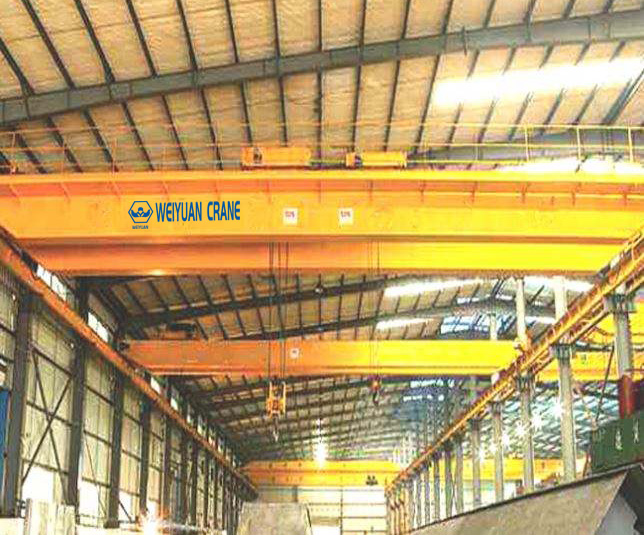
In competitive manufacturing environments, productivity is rarely limited by demand. More often, it is constrained by internal bottlenecks—material handling delays, inefficient floor layouts, safety incidents, or equipment downtime. For operations managers and plant engineers, lifting systems sit at the center of these variables. When designed correctly, a bridge Crane becomes more than a tool for moving loads; it becomes a structural advantage embedded into the facility itself.
This article takes a deeper, engineering-driven look at how bridge crane systems influence workflow design, cost control, compliance, and long-term scalability. Rather than repeating common definitions, we will focus on what decision-makers need to evaluate before investing—and how the right configuration supports measurable business growth.
Rethinking Overhead Lifting: From Equipment to Infrastructure
A bridge Crane operates on elevated runway beams, allowing horizontal travel along the length and width of a building. That much is widely understood. What is less frequently discussed is how this overhead architecture changes the economics of a facility.
By relocating material movement above ground level, companies eliminate many of the inefficiencies associated with forklifts and mobile cranes:
- Reduced aisle congestion
- Lower risk of product damage
- More predictable material flow
- Improved line-of-sight safety
In high-volume workshops, the difference between floor-based handling and overhead systems can equate to several hours of regained production time per week. Over the course of a year, those hours become revenue.
Engineering Fundamentals: Why Design Details Matter
Every bridge crane system consists of five primary structural elements: girders, end trucks, runway beams, trolley assemblies, and hoists. However, the performance of the entire system depends on precise engineering decisions in three areas:
1. Load Spectrum Analysis
Rated capacity alone does not define crane suitability. Engineers must examine:
- Average load weight
- Maximum load weight
- Frequency of lifts per hour
- Percentage of full-capacity lifts
These factors determine the appropriate duty classification under standards such as those published by the Crane Manufacturers Association of America (CMAA). A crane used intermittently for maintenance differs dramatically from one supporting continuous steel coil handling.
2. Structural Integration with the Building
Runway beams may be supported by:
- Existing building columns
- Independent freestanding columns
- Hybrid steel structures
Load path calculations ensure that vertical forces, lateral thrust, and dynamic loads are transferred safely to the foundation. Skipping this stage can lead to structural fatigue or costly retrofits.
3. Motion Control Technology
Modern systems use Variable Frequency Drives (VFDs) to regulate acceleration and deceleration. Smooth starts and stops reduce load sway, protect structural welds, and extend motor life. In precision manufacturing—such as aerospace or heavy machining—controlled micro-movements are essential.
Configurations: Selecting the Right Structural Format
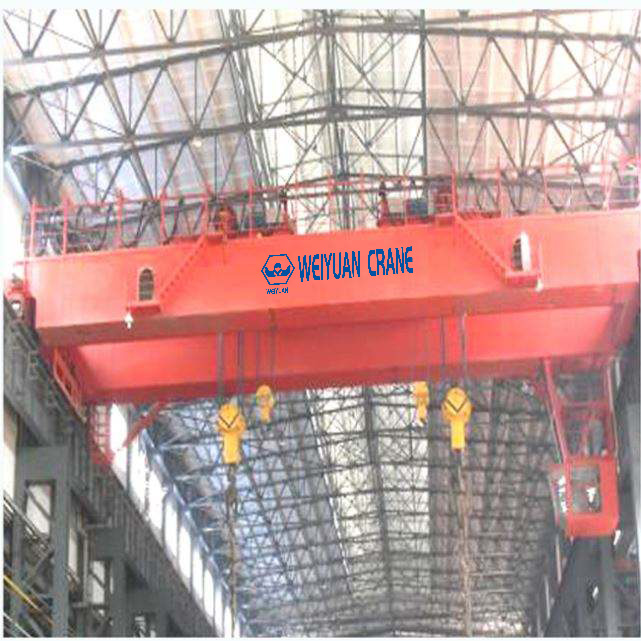
Single Girder Systems
Single girder configurations are efficient for light to moderate service. They typically offer:
- Lower capital investment
- Reduced structural weight
- Faster installation timelines
They are well-suited for machine shops, maintenance facilities, and medium-load fabrication.
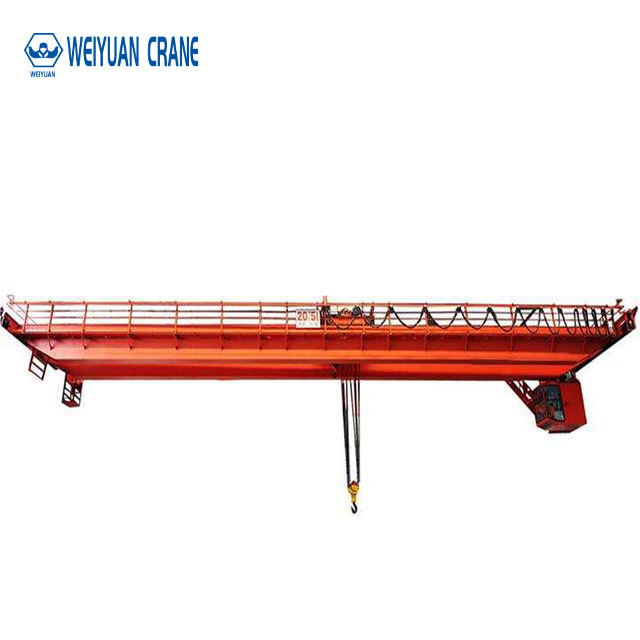
Double Girder Systems
Double girder cranes support heavier loads and longer spans. Benefits include:
- Higher hook height
- Greater lifting capacity
- Increased structural stability
For heavy industrial processing, steel handling, or high-cycle production environments, double girder systems provide long-term durability.
Top-Running vs. Under-Running
Top-running cranes ride on rails mounted atop runway beams and are standard for heavy-duty applications. Under-running systems suspend from the bottom flange of beams and work well where headroom is limited.
The decision between these types should reflect structural constraints, load demands, and future expansion plans—not just initial price.
Business Impact: Where ROI Becomes Tangible
Executives often ask whether a bridge Crane justifies its investment. The answer lies in Total Cost of Ownership (TCO), not the purchase price.
1. Floor Space Recovery
Because overhead cranes eliminate wide forklift aisles, facilities can reallocate space to production equipment or inventory. In a 50,000-square-foot plant, even a 10% improvement in usable space equates to 5,000 additional square feet—often more economical than building expansion.
2. Labor Optimization
Manual rigging and team-based lifting consume time and increase injury risk. With properly designed controls, one trained operator can move loads that previously required multiple workers. Over several shifts, this reduction in labor dependency produces measurable cost savings.
3. Reduced Product Damage
Uncontrolled movement leads to impact damage. Precision-controlled hoists and anti-sway systems minimize collisions with walls, machinery, or stored materials. In industries handling high-value components, this protection alone can offset system costs.
Safety as a Core Operational Strategy
Industrial safety is not a regulatory checkbox—it is a financial variable. According to OSHA standards (29 CFR 1910.179 in the United States), overhead cranes must undergo routine inspections and proper load testing.
A well-designed bridge Crane improves safety through:
- Controlled load paths
- Reduced human contact with heavy components
- Automated braking systems
- Overload protection devices
When injuries decrease, companies experience fewer compensation claims, less downtime, and improved workforce morale. Safety investments generate operational continuity.
Maintenance and Lifecycle Management
A crane’s lifespan can exceed 20–30 years if properly maintained. Maintenance best practices include:
- Daily operator inspections
- Monthly mechanical checks
- Annual certified load testing
- Periodic structural evaluation
Forward-looking facilities now incorporate Industrial Internet of Things (IIoT) sensors. These devices track motor temperature, cycle counts, brake wear, and load patterns. Predictive maintenance strategies allow managers to schedule repairs before breakdowns interrupt production.
Downtime prevention is one of the most underestimated financial advantages of overhead lifting systems.
Automation and Smart Manufacturing Integration
Bridge crane technology is evolving alongside Industry 4.0 initiatives. Automation features increasingly include:
- Anti-sway software algorithms
- Remote-control cabins
- Real-time load monitoring
- Integration with ERP and MES systems
In advanced operations, cranes communicate directly with digital production planning systems, ensuring materials arrive exactly when needed. This alignment between mechanical movement and digital workflow reduces staging delays and improves throughput.
Facilities planning long-term modernization should evaluate cranes not just as mechanical systems, but as integrated data-enabled infrastructure.
Industry-Specific Applications
Bridge cranes support a wide range of sectors:
- Automotive manufacturing: Die changes, chassis movement
- Steel processing: Coil and slab handling
- Aerospace assembly: Precision component placement
- Energy generation: Turbine installation and maintenance
- Heavy fabrication: Structural beam manipulation
Each industry requires custom load attachments, environmental considerations, and duty classifications. Selecting a supplier with proven engineering experience in your sector strengthens reliability and compliance.
Planning for Future Expansion
One of the most overlooked considerations is scalability. When production volume grows, crane systems must adapt.
Design strategies for expansion include:
- Oversizing runway beams for future capacity
- Designing columns to accommodate additional girders
- Installing modular hoist systems
- Allowing control systems to support automation upgrades
Building flexibility into initial design reduces the cost of later expansion.
Choosing the Right Manufacturing Partner
Beyond technical specifications, trust in the manufacturer matters. Decision-makers should evaluate:
- Engineering certifications
- Compliance with CMAA, OSHA, or CE standards
- Documented case studies
- After-sales support capability
- Availability of spare parts
An experienced supplier provides not only fabrication but also structural analysis, commissioning services, operator training, and ongoing technical assistance.
Frequently Asked Questions (FAQ)
1. How do I determine the correct crane capacity for my facility?
Capacity selection should consider maximum load weight, average load weight, lift frequency, and future growth projections. A professional load spectrum analysis ensures the crane matches your operational demands without over- or under-specification.
2. What is the typical installation timeline?
Installation varies depending on building preparation and crane size. Standard systems may require several weeks from structural preparation to commissioning, while large custom cranes can take longer.
3. Can a bridge crane be added to an existing building?
Yes, provided structural assessments confirm the building can support runway loads. In some cases, independent support columns are installed to avoid modifying the primary structure.
4. How long does a bridge crane typically last?
With proper maintenance and adherence to inspection standards, high-quality systems can operate reliably for 20–30 years or more.
5. Is automation necessary for smaller workshops?
Not always. Many facilities begin with manual or radio-controlled systems and later upgrade to semi-automated solutions as production demands increase.