


How Do Electric Hoists Work? The Mechanics of Automated Lifting
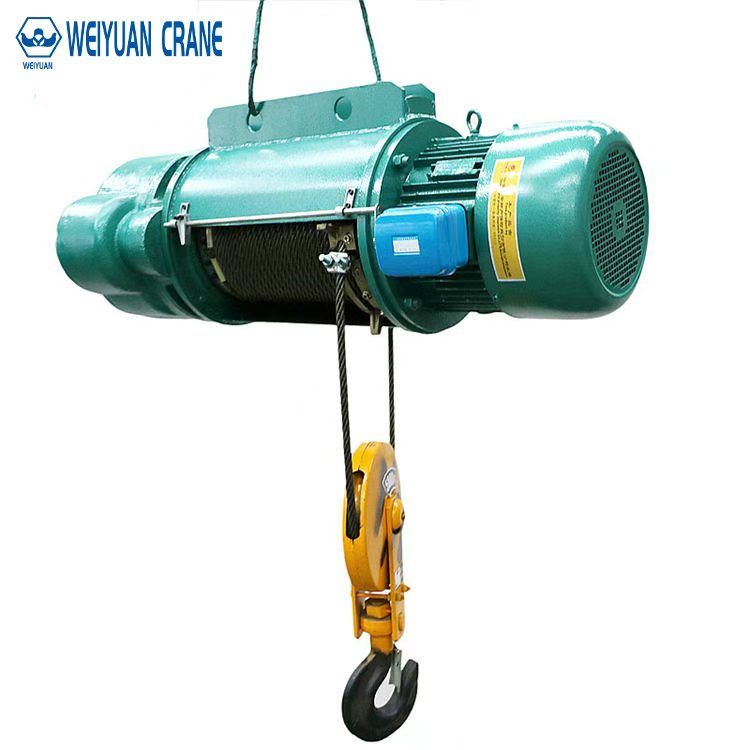
The electric hoist is a cornerstone of industrial efficiency, transforming electrical energy into precise, heavy lifting power. At its core, an electric hoist works through a straightforward, yet highly engineered, process involving a motor, a brake, and a gear reduction system to manage incredibly heavy loads safely and smoothly. Understanding this mechanical sequence is crucial for appreciating the reliability and safety of the equipment.
The Mechanical Sequence: From Power Input to Vertical Lift
The process of lifting a load with an electric hoist is initiated when the operator engages the controls (usually a pendant or remote), starting the motor.
1. Product Description: The Purpose of the Electric Hoist
An electric hoist is a motor-driven machine designed to lift, lower, and position materials, whether they are heavy components on an assembly line or bulk inventory in a storage facility.
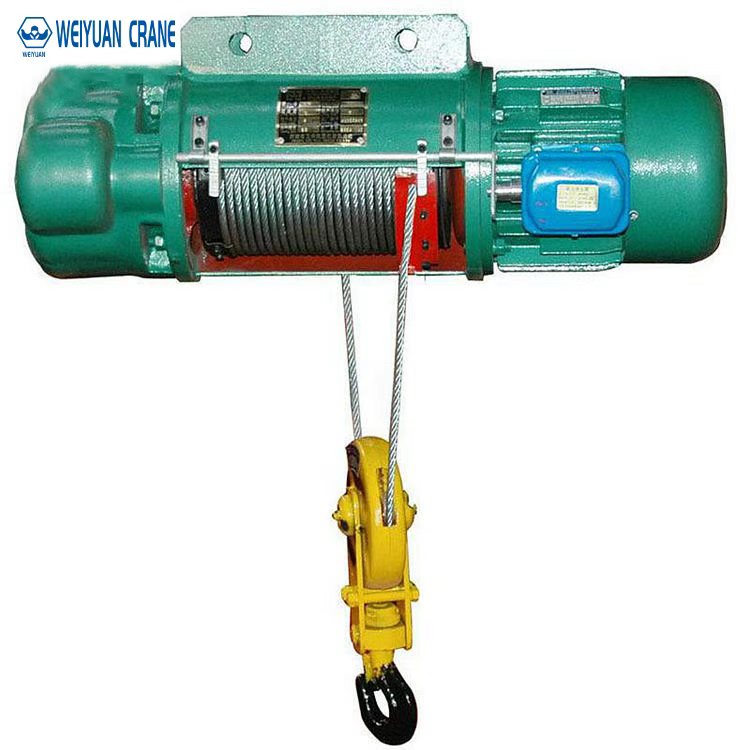
- Core Components: The hoist integrates a motor, gearbox, braking system, and the lifting medium (chain or wire rope) into one compact unit.
- Purpose: The hoist’s primary job is to replace manual effort, optimizing material handling across manufacturing and logistics. This significantly increases worker efficiency and safety compared to traditional methods.
- Attraction: The high-speed, controlled lifting provided by the electric hoist maximizes the utilization of factory space and labor hours, offering a compelling return on investment.
The Mechanics of Operation
- Motor Engagement: The electric motor, receiving power from the control system, begins to rotate.
- Gear Reduction: The high-speed motor rotation is transmitted to a heavy-duty gearbox. The gearbox uses multiple stages of robust gears to reduce the speed dramatically while multiplying the torque (lifting power) exponentially. This is the crucial step that allows a compact motor to lift tons of material.
- Lifting Medium Action: The highly torqued output shaft drives the load sheave (for chain hoists) or the winding drum (for wire rope hoists). The chain or cable then engages, lifting the suspended load vertically.
- Braking and Load Security: When the operator releases the controls, or in the event of a power outage, the integrated brake system (typically electromagnetic) engages immediately, ensuring the load is held securely and preventing hazardous slippage.
2. Core Features and Technical Specifications for Reliability
The internal design and specifications of a quality electric hoist determine its working longevity and safety features.
Features and Advantages Ensuring Safe Function
| Feature | Advantage | Operational Value |
| Robust Gearbox/Motor | Uses hardened steel, permanently lubricated gears within a sealed casing, often constructed from high-strength materials. | Guarantees minimal wear and tear, prolonging the hoist’s service life and allowing high-frequency use. |
| VVVF Control | Variable Voltage Variable Frequency drives allow for smooth acceleration and deceleration. | Reduces mechanical shock on the gears and frame, enabling highly accurate micro-positioning of the load. |
| Integrated Limit Switches | Safety switches at the top and bottom of the lift path. | Automatically cut motor power if the hook travels too high or too low, preventing damage to the hoist and structure. |
| Overload Protection | A clutch or electronic system prevents the hoist from attempting to lift a load exceeding its rated capacity. | Protects the hoist motor and the supporting structure from hazardous overstressing. |
Technical Specifications Driving Performance
| Specification Item | Common Range | Applicability Consideration |
| Standard Capacity | 1 ton – 80 tons (Custom up to 400 tons). | Hoists range from the 500 pound electric hoist for light work to heavy industrial 3-ton models. |
| Lifting Height | 6 meters-50 meters | Must be customized to the vertical requirements of the facility. |
| Power Supply | 380V-50 Hz (3-phase) or local standard. | Must match the power available at the installation point. |
| Working Grade | A4 (Medium) or A5 (Heavy Duty). | Dictates the intensity and frequency of work the hoist is designed to perform safely. |
3. Customization, Compliance, and Real-World Application
For an electric hoist to work optimally, it must be matched precisely to the environment and task through customization and guaranteed compliance.
Customization Options for Optimized Workflow
We offer complimentary design consultation and personalized customization to ensure the equipment works perfectly within your system.
- Size and Fit: Custom adjustment of dimensions, span, and chain/rope length.
- Environmental Adaptation: Customization for explosion-proof, anti-corrosion, or specialized temperature environments.
- Branding: Custom colors and logo integration.
WEIYUAN is a professional production manufacturer integrating production, sales, design, and installation, providing expert guidance from design to electric hoist installation.
4. Application Fields
The versatility of the electric hoist allows it to work effectively in:
- Factories and Manufacturing: Assembly lines and machinery maintenance.
- Logistics and Warehousing: Loading, unloading, and vertical stacking.
- Specialty Use: Such as a miniature electric hoist for delicate tasks or a deer hoist electric for specialized outdoor tasks.
5. Safety and Compliance: The Non-Negotiable Standard
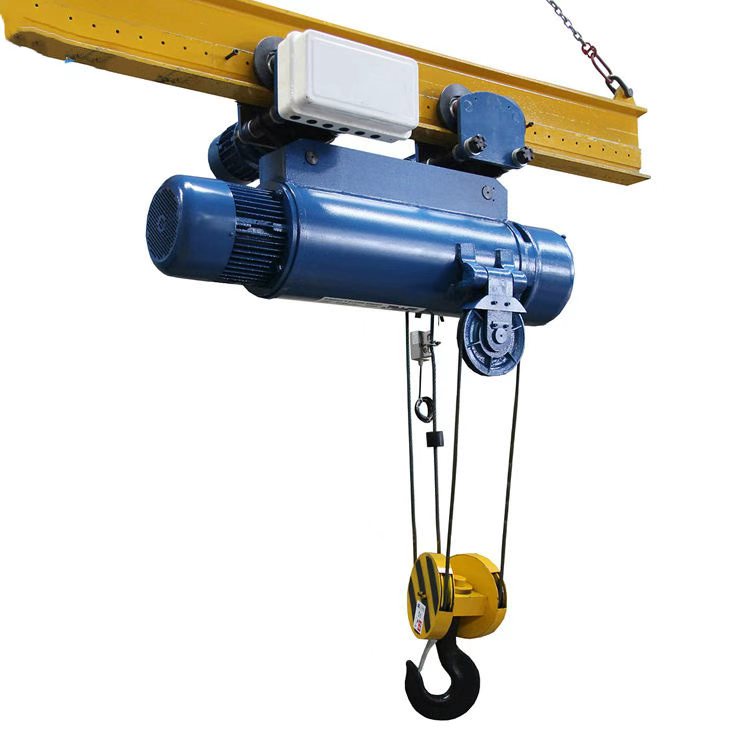
The safe functioning of every electric hoist is secured by compliance with high international standards.
- Certifications: Products meet standards like CE certification (Europe), ensuring they are built for safe operation.
- Integrated Safety: Critical safety components, including load limiters and precise braking systems, ensure operator safety and prevent structural damage.
6. Case Study: Logistics Efficiency Through Automation
Case: Major Logistics Hub
- Challenge: The hub faced high labor costs and reduced throughput due to reliance on manual handling for heavy freight.
- The Solution: Implementation of automated electric hoist units, allowing a single worker to manage heavy items with remote control.
- Client Benefits: The system reduced manual lifting needs by 75%, leading to a significant increase in operational throughput and drastically improving worker safety.
7. Installation and Support Services
Proper electric hoist installation is the first step to maximizing its working life.
- Guidance: We provide comprehensive documentation, video tutorials, and technical support.
- On-Site Support: Professional technical teams are available for on-site assistance and commissioning.
- After-Sales: A one-year warranty is provided, along with support for specified parts repair.
8. Pricing and Delivery
- Quotation: Pricing is based on specifications and customization. Contact our sales team for a personalized quote, reflecting options from a miniature electric hoist to a 3 ton electric hoist.
- Delivery: Standard models ship in 3-5 working days; custom models require 2-4 weeks.