


How Long is the Running Length of the Overhead Crane?
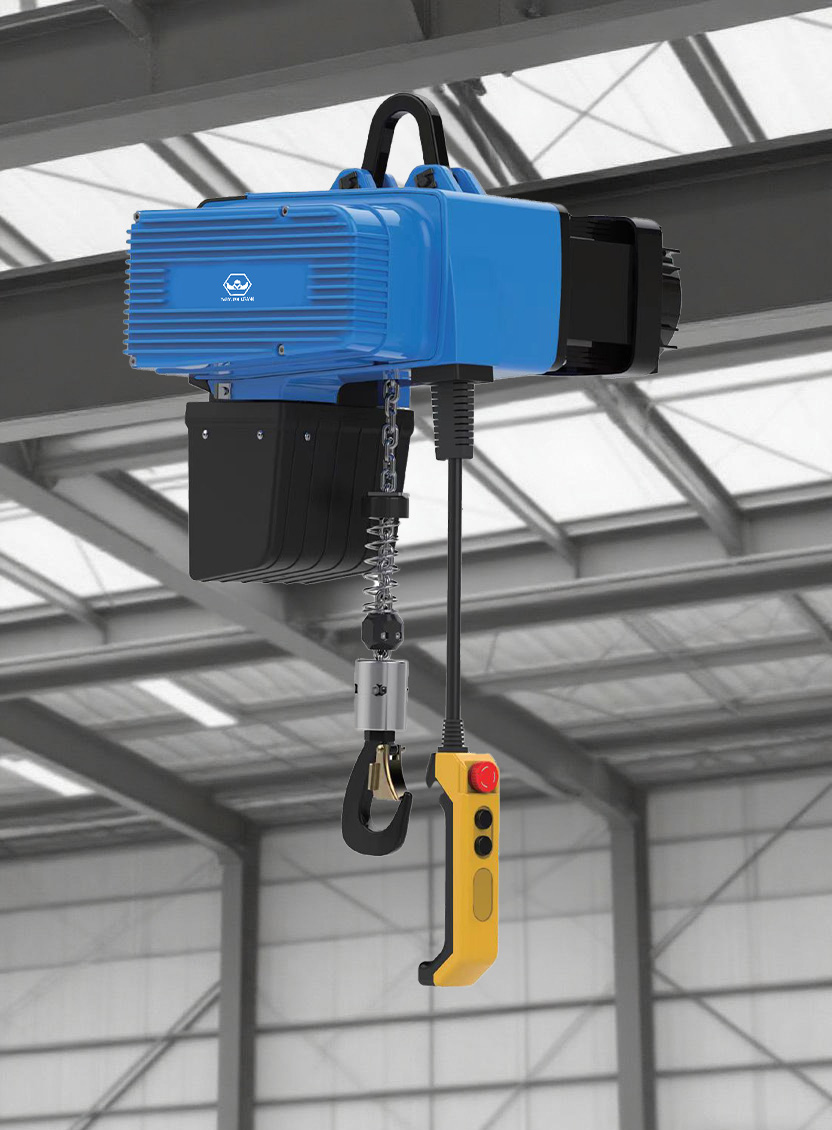
In the landscape of industrial material handling, the effectiveness of an overhead crane is not merely defined by its lifting capacity, but by its ability to navigate the full footprint of a facility1. When planning a new installation or upgrading a production line, determining the “running length”—the distance the crane travels along the runway rails—is critical for maximizing operational flow and ROI.
Understanding the Runway and Long Travel
The running length, often referred to as the long travel, is typically determined by the length of the building or the specific work zone the crane is intended to service. For a high-performance bridge overhead crane, the runway can extend across the entire bay, provided the structural supports and power supply systems are correctly engineered.
In modern manufacturing, such as a double girder overhead crane factory, the running length must account for several key areas:
- Loading and Unloading Zones: Ensuring the crane reaches the absolute edge of the bay to interface with transport vehicles.
- Production Buffers: Providing enough travel distance to store materials between assembly stages.
- Maintenance Stations: Dedicated space at the end of the runway where technicians can perform inspections without blocking active work zones.
Technical Integration for Smooth Performance
To maintain efficiency over long distances, several overhead bridge crane components must work in synchronization. At WEIYUAN, we emphasize the integration of “Three-in-One” driving systems—consisting of a hardened gear reducer, a frequency conversion brake motor, and a high-performance reducer—to ensure smooth movement and precise positioning2.
By utilizing Variable Frequency Drive (VFD) technology, an overhead crane can achieve stepless speed regulation3. This is vital for long runways, as it minimizes the “pendulum effect” and reduces mechanical wear during acceleration and braking. For heavier industrial applications, adding a wholesale overhead crane load cell provides real-time data to ensure the structure remains safe as the crane moves through its full range of travel.
Safety, Training, and Human Factors
Operating heavy machinery over a long running length requires both mechanical safeguards and skilled personnel. To prevent overhead crane accidents, every system must be equipped with limit switches, emergency stops, and overload protection.
However, technology is only part of the solution. While online overhead crane training provides a theoretical foundation, we strongly recommend hands-on electric overhead travelling crane training to ensure operators understand how to operate an overhead crane safely, especially when handling non-standard loads or working in high-density industrial indoor overhead cranes environments. WEIYUAN provides this specialized training to ensure your team is as robust as your equipment.
Product Detail Page: Are Pneumatic Hoists Better Than Electric Hoists?
When selecting lifting equipment, many facilities weigh the benefits of air-powered systems against the modern electric hoist4. While pneumatic hoists are often selected for highly volatile environments, the electric hoist has become the preferred choice for European and Asian industrial markets due to its superior precision, lower energy consumption, and ease of integration into automated systems.
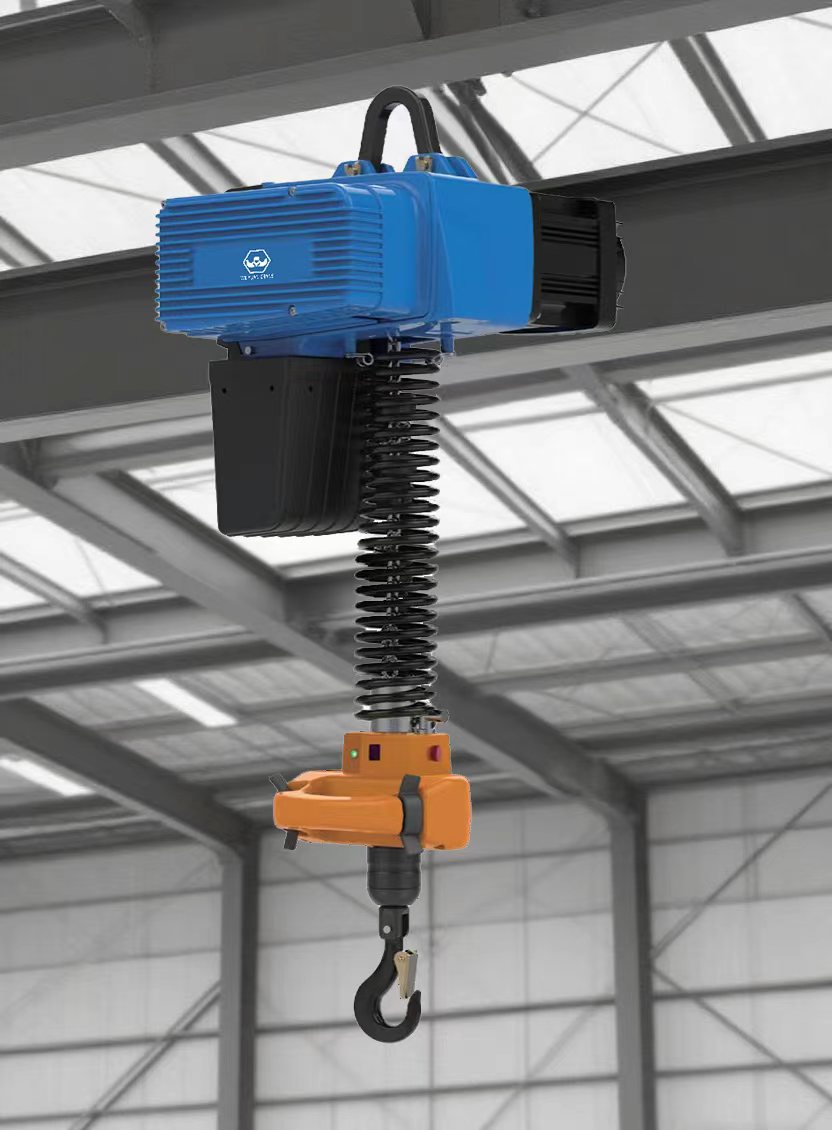
1. Product Description and Core Value
The WEIYUAN electric hoist is a cornerstone for modernization in factories, warehouses, and metallurgy plants. These units are designed for vertical lifting and horizontal transport of heavy materials, significantly improving worker efficiency by over 20%. By choosing an electric hoist with remote control, operators can manage heavy loads from a safe distance, ensuring the precise placement of components in automotive assembly or steel processing.
2. Features and Advantages
- Precision Driving System: Features a 3-in-1 reducer (hard tooth surface gear reducer) and VFD control for stepless speed regulation and smooth starts5.
- Structural Efficiency: Optimized box-type or I-beam designs provide high strength with low wheel pressure, maximizing workshop space.
- High Work Duty: Our systems are rated for A4 or A5 duty cycles, making them suitable for medium to heavy industrial use.
- Advanced Control: Options include pendant control or high-range electric hoist with remote systems for maximum mobility.
3. Technical Specifications
| Specification | Standard Range | Custom Capability |
| Capacity | 1 Ton to 80 Tons | Up to 400 Tons |
| Span Length | 7.5m to 34m | Bespoke lengths available |
| Lifting Height | 6m to 50m | Custom for high-bay storage |
| Voltage | 380V/400V/415V | 50-60Hz, 3-Phase AC |
4. Customization and Applications
WEIYUAN provides free structural analysis and layout optimization for every project. Whether you need a specific 20 ft electric cable hoist or a specialized 1 ton electric chain hoist for a small workshop, we customize dimensions, colors, and logos to fit your brand. Our products are widely used in:
- Automotive: Loading and unloading assembly molds.
- Logistics: High-frequency lifting in warehouse hubs.
- Energy: Heavy component maintenance in power plants.
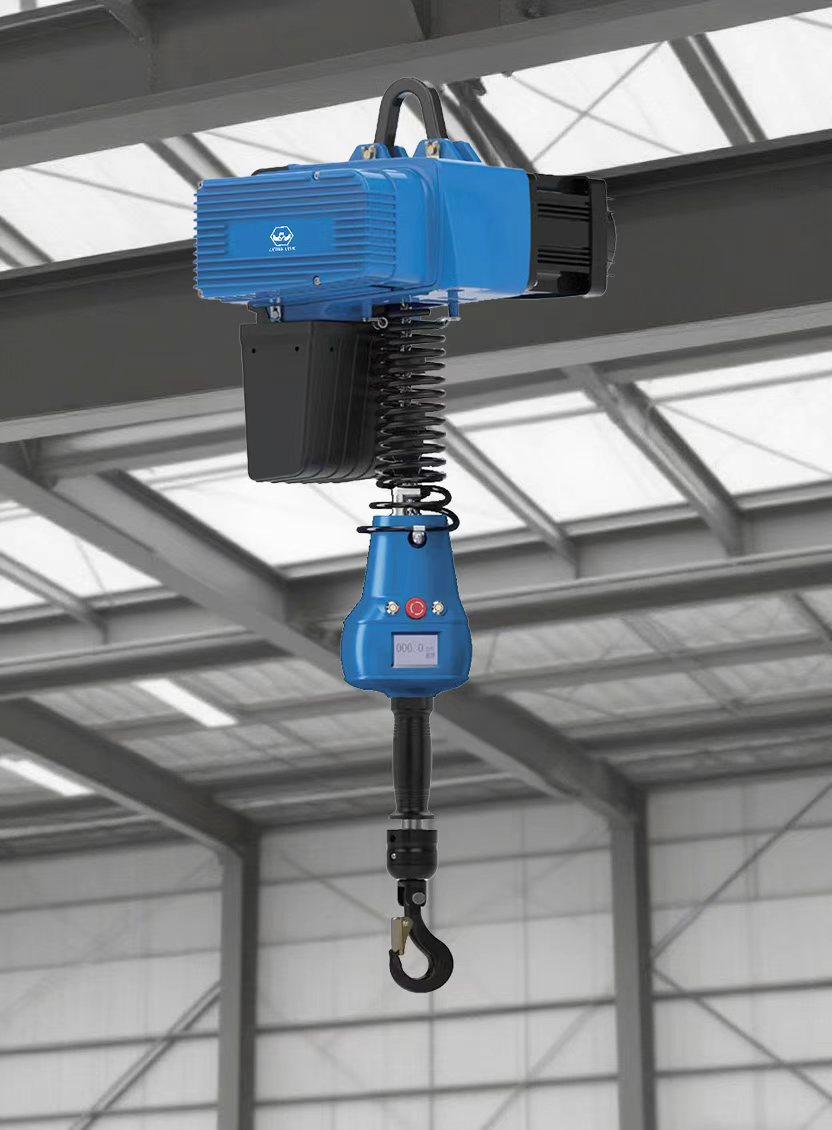
5. Safety, Support, and Delivery
All our electric hoist products comply with international safety standards, including CE and UL certifications. Safety features like overload limiters, emergency stops, and 50V safety control circuits come standard.
- Installation: We provide detailed video tutorials and can send technical teams to your site for guidance.
- Warranty: 12-month standard warranty with full spare parts support.
- Delivery: Standard models ship in 3-5 days; custom designs typically take 2-4 weeks.