


How to Choose the Best Overhead Crane for Your Industrial Needs
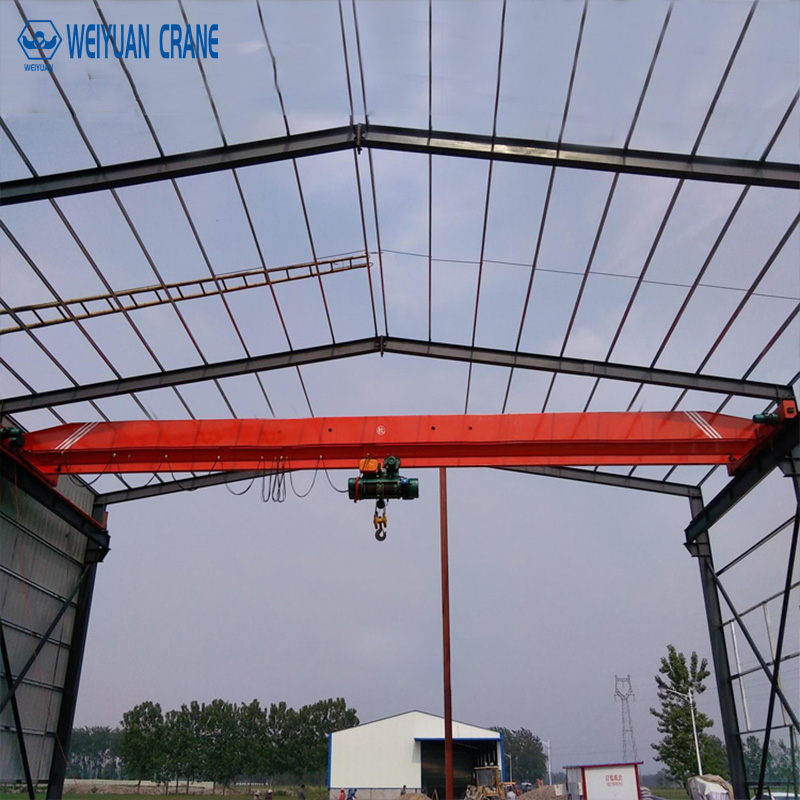
Moving heavy materials safely and efficiently is the ultimate test of any industrial facility. When a 20-ton steel coil or a delicate aerospace component needs to travel across a crowded shop floor, ground-based equipment often creates dangerous bottlenecks. Investing in an overhead lifting system solves this problem by moving your logistics to the ceiling.
However, purchasing this equipment is a major capital investment. Choose correctly, and you unlock decades of seamless productivity. Choose poorly, and you risk structural damage, constant maintenance downtime, and severe safety hazards.
The market offers a massive variety of Overhead Cranes, each engineered for highly specific tasks. This comprehensive guide will walk you through the exact technical, structural, and operational factors you must evaluate to select the perfect crane for your facility.
1. Define Your Exact Lifting Requirements
Before speaking with a manufacturer or looking at specific models, you must deeply understand what you are lifting. This goes far beyond just knowing the weight of your product. You need to map out the entire physical envelope of your lifting operation.
Working Load Limit (Capacity)
The Working Load Limit (WLL) is the absolute maximum weight your crane can safely lift. A common mistake facility managers make is buying a crane rated exactly for their current heaviest load.
If your heaviest die weighs 5 tons, do not buy a 5-ton crane. Industry best practices dictate adding a 15% to 25% capacity buffer. This buffer accounts for future business growth, heavier product iterations, and the weight of the rigging equipment (slings, spreader bars, or lifting magnets). Operating a crane slightly below its maximum capacity also significantly extends the lifespan of the hoist motor and braking systems.
Span and Hook Approach
The span is the distance between the centerlines of the two runway rails. It dictates how wide your crane will be. However, you must also calculate the “hook approach.”
Because of the physical size of the hoist and the trolley end-stops, the lifting hook can never reach the absolute edge of the bridge beam. You must ensure the actual hook coverage area reaches your machinery and drop-off zones.
Height Under Hook (Lift Height)
Calculating the required lift height requires a careful “stack-up” equation. You must measure the distance from the floor to your highest obstruction. Then, factor in:
- The height of your tallest load.
- The length of your rigging equipment.
- The required clearance to move the load safely over machinery or personnel.
If your facility has low ceilings, this calculation will heavily influence the physical design of the crane you select.
2. Match the Crane to Your Duty Cycle
Understanding your duty cycle is the most critical factor for ensuring the longevity of your equipment. The Crane Manufacturers Association of America (CMAA) categorizes cranes into service classes based on how frequently they are used and how heavy the loads are relative to their maximum capacity.
- Class A and B (Infrequent/Light Service): Ideal for maintenance shops, pump rooms, or light assembly workstations. These cranes might only perform a few lifts per day at a fraction of their maximum capacity.
- Class C (Moderate Service): The standard for general machine shops and fabrication facilities. They handle roughly 5 to 10 lifts per hour, averaging 50% of the rated capacity.
- Class D (Heavy Service): Built for heavy manufacturing, foundries, and steel warehouses. These systems manage 10 to 20 lifts per hour, frequently handling loads near their maximum capacity.
- Class E and F (Severe/Continuous Service): Engineered for relentless, 24/7 operations like scrap yards, lumber mills, and automated handling facilities.
Putting a Class C crane in a Class E environment will destroy the hoist motor and wear out the structural steel within months. Always match the CMAA class to your actual operational intensity.
3. Select the Right Structural Configuration
Once you know your capacity and duty cycle, you can determine the physical layout of the crane. Overhead Cranes generally fall into a few primary structural categories based on their girder design and runway interaction.
Single Girder vs. Double Girder
- Single Girder: The bridge consists of one main horizontal beam, with the hoist traveling along the bottom flange. This design is highly cost-effective, lighter, and faster to install. It is generally the best choice for capacities under 15 tons and spans under 60 feet.
- Double Girder: The bridge features two parallel beams, with the hoist riding on rails mounted on top of them. This is the heavy-duty standard. It handles massive capacities (up to hundreds of tons) and extremely long spans. Because the hoist sits between the beams rather than hanging below them, double girder systems also provide superior lift height.
Top-Running vs. Under-Running
- Top-Running: The crane’s end trucks ride on top of the runway rails. This configuration is supported by dedicated building columns or freestanding structures. It offers the highest capacity and the most vertical clearance.
- Under-Running (Underslung): The end trucks hang from the bottom flange of the runway beams, which are often suspended directly from the building’s roof structure. This is an excellent solution for lighter loads in facilities where you want to avoid installing floor-to-ceiling support columns.
4. Evaluate Your Facility’s Structural Integrity
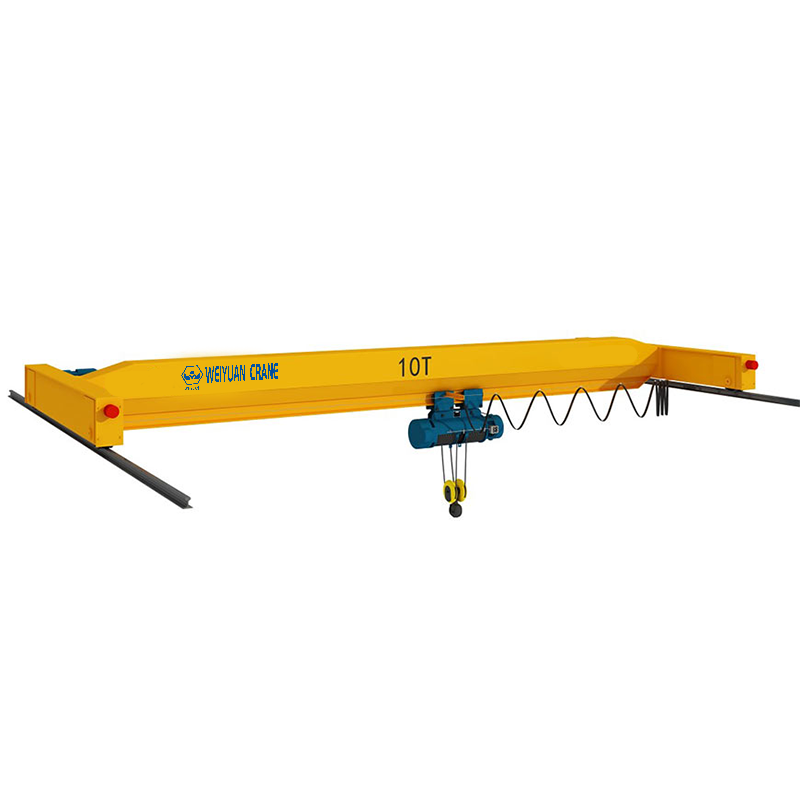
An overhead crane is only as strong as the building supporting it. You cannot simply bolt runway beams to your existing warehouse columns without a thorough engineering review.
When a crane lifts a heavy load and moves it down the runway, it creates immense dynamic forces, including vertical loading, lateral impact, and longitudinal momentum. A certified structural engineer must evaluate your facility to determine how to support the system.
You have two main options:
- Tie into the Building Structure: If your existing columns and foundations are strong enough, you can mount the runway beams directly to them. This saves floor space and installation costs.
- Freestanding Runway System: If your building cannot support the dynamic loads, you must install a freestanding system. This involves pouring specialized concrete footings and erecting independent steel columns to support the crane runways. While more expensive, it ensures absolute structural safety and allows you to install a crane in virtually any building.
5. Choose the Optimal Hoist and Controls
The bridge and runways provide the framework, but the hoist and control systems act as the brain and muscle of your material handling operation.
Wire Rope vs. Chain Hoists
For capacities under 5 tons, electric chain hoists are incredibly reliable, compact, and affordable. They are perfect for localized workstations. For capacities exceeding 5 tons, or for applications requiring very fast lifting speeds and high duty cycles, a wire rope hoist is the mandatory choice. Wire rope disperses the lifting stress more evenly and handles the heat of constant operation better than chain links.
The Power of Variable Frequency Drives (VFDs)
Older cranes often operate on single-speed or two-speed contactor controls, which cause jerky movements and dangerous load swing. Modern Overhead Cranes should always be equipped with Variable Frequency Drives (VFDs).
A VFD regulates the power sent to the crane’s motors, allowing for smooth acceleration and deceleration. This eliminates load sway, reduces mechanical wear on the crane’s gears, and allows the operator to perform “micro-positioning” when setting down heavy, expensive components.
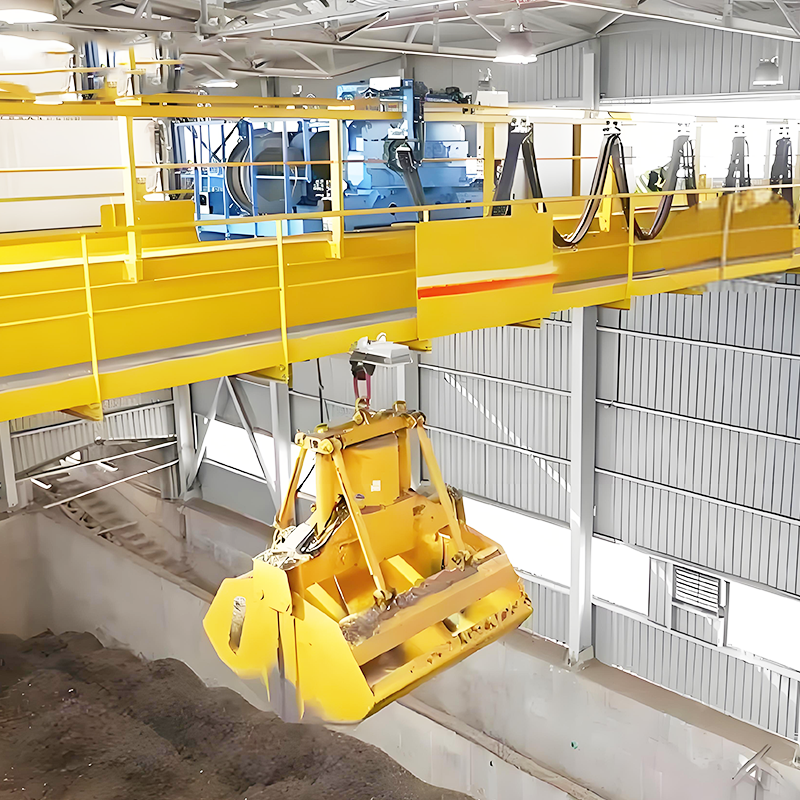
Weiyuan QZ Type Grab Crane for Steel Scrap | 30 Ton, Heavy-Duty, High-Efficiency
The Weiyuan QZ Type 30 Ton Grab Crane is engineered specifically for demanding steel scrap handling operations. Built on a heavy-duty double-girder platform with a high-strength orange peel grab, it delivers reliable performance and high efficiency in continuous scrap yard and foundry material handling environments. :contentReference
View Product / Get Quote6. Account for Your Operating Environment
The environment inside your facility dictates the specific materials and protective features your crane requires to survive.
- High Heat: Foundries and steel mills require cranes with specialized heat shielding, high-temperature wiring, and insulated motor housings.
- Harsh Chemicals or Moisture: Galvanizing plants and food processing facilities need corrosion-resistant components. This often includes stainless steel hoists, epoxy-based paints, and fully enclosed, waterproof electrical panels (NEMA 4 or 4X ratings).
- Explosive Environments: Chemical plants, grain silos, and petroleum facilities require “explosion-proof” (spark-resistant) cranes. These feature bronze wheels, specialized non-sparking hooks, and intrinsically safe electrical enclosures to prevent accidental ignition of airborne dust or gases.
- Outdoor Use: Cranes operating in lumber yards or shipping ports need weatherization packages, including structural canopies over the hoist, drainage holes in the girders, and internal space heaters to prevent condensation in the control panels.
7. Prioritize Post-Installation Support and Compliance
Buying a crane is a long-term partnership with a manufacturer. To maintain the highest levels of safety and operational authority, you must ensure your equipment complies with strict industry standards (such as OSHA and ASME B30.2 in the United States).
When choosing a vendor for your Overhead Cranes, look for companies that offer comprehensive post-installation support. A reliable partner will provide operator training, automated maintenance scheduling, and 24/7 emergency repair services. Regular preventative maintenance and annual load testing are not just good ideas; they are legal requirements to protect your workforce.
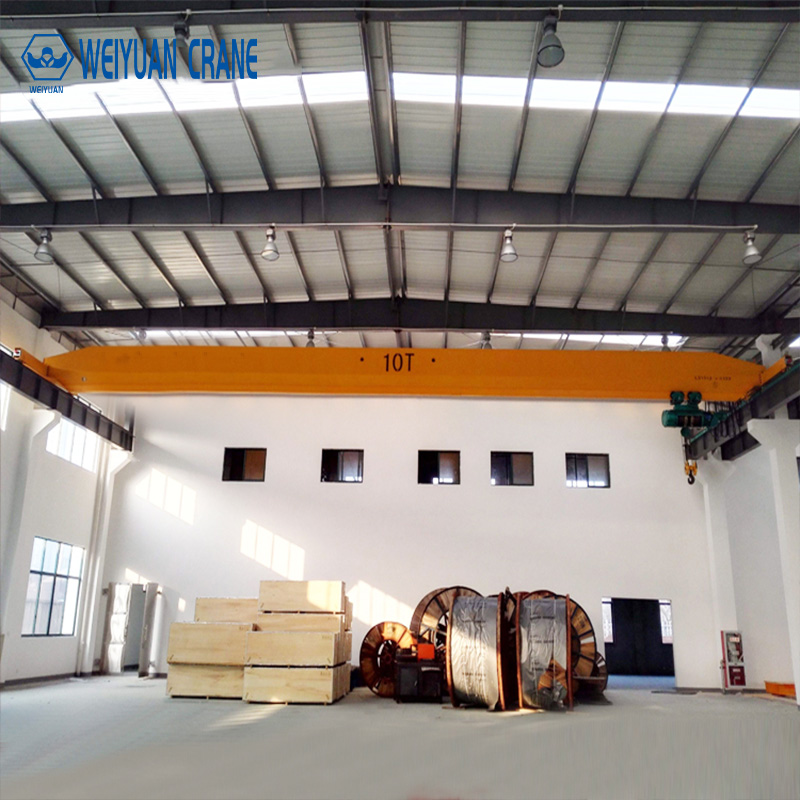
Frequently Asked Questions (FAQ)
What is the difference between a bridge crane and an overhead crane?
In the material handling industry, the terms are used interchangeably. Both refer to a system where a horizontal beam (the bridge) travels along elevated parallel runways.
Can I upgrade the capacity of my existing overhead crane?
Sometimes, but it is a complex engineering process. You cannot simply install a larger hoist. An engineer must re-evaluate the bridge beam, the end trucks, the runway rails, and your building’s columns to ensure they can handle the increased stress. It is often more cost-effective to replace the entire system.
How often do overhead lifting systems need to be inspected?
Safety regulations mandate a daily visual inspection by the operator before the shift begins. Additionally, a comprehensive “Periodic Inspection” must be performed by a certified crane technician. Depending on the crane’s duty cycle and operating environment, this professional inspection occurs monthly, quarterly, or annually.
What is load sway, and how do I prevent it?
Load sway is the dangerous pendulum effect that occurs when a crane accelerates or stops too quickly. You can prevent it by properly training operators to control their movements and by upgrading your crane’s control panel with a Variable Frequency Drive (VFD), which automates smooth starts and stops.
Do I need a radio remote control or a wired pendant?
Wired pendants hang down from the hoist and require the operator to walk close to the load. Wireless radio remotes are far superior for safety and visibility. They allow the operator to stand at a safe distance from heavy materials and position themselves for the best line of sight during complex lifts.