


Mastering Gantry Cranes: Comprehensive Guide to Types, Benefits, and Uses
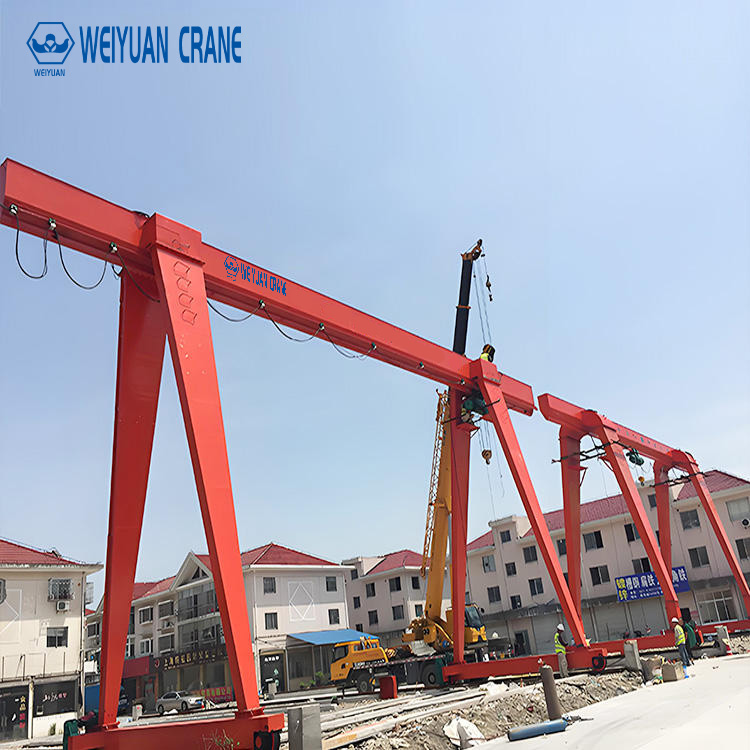
In the world of heavy industry, from bustling shipyards to sprawling construction sites, moving massive objects is a daily challenge. While indoor facilities often rely on overhead bridge cranes, many operations require a lifting solution that is more flexible, mobile, and independent of building structures. This is where the gantry crane comes into its own.
These freestanding powerhouses are the workhorses of outdoor yards, fabrication shops, and any environment where traditional lifting systems are impractical. Gantry Cranes offer a unique combination of immense power and versatility, making them an indispensable asset for some of the world’s most demanding industries. This guide will explore the different types of gantry systems, their key benefits, and the critical factors to consider when choosing one for your specific needs.
What Exactly is a Gantry Crane?
A gantry crane is a type of overhead lifting system distinguished by its freestanding structure. It consists of a horizontal bridge beam supported by two or more vertical legs. Unlike a conventional bridge crane, which travels on elevated runways attached to a building’s columns, a gantry crane moves on wheels or rails at ground level.
This fundamental design difference is its greatest advantage. Because the crane supports its own weight through its legs, it does not rely on the building’s structural integrity. This allows you to install a powerful lifting system in outdoor yards, leased facilities, or areas of a plant where building modifications are not feasible. The hoist moves across the bridge, and the entire structure travels along the ground, providing full lifting coverage over a large rectangular area.
The Core Components of a Gantry System
While designs vary, most gantry cranes share a common anatomy built for strength and reliability.
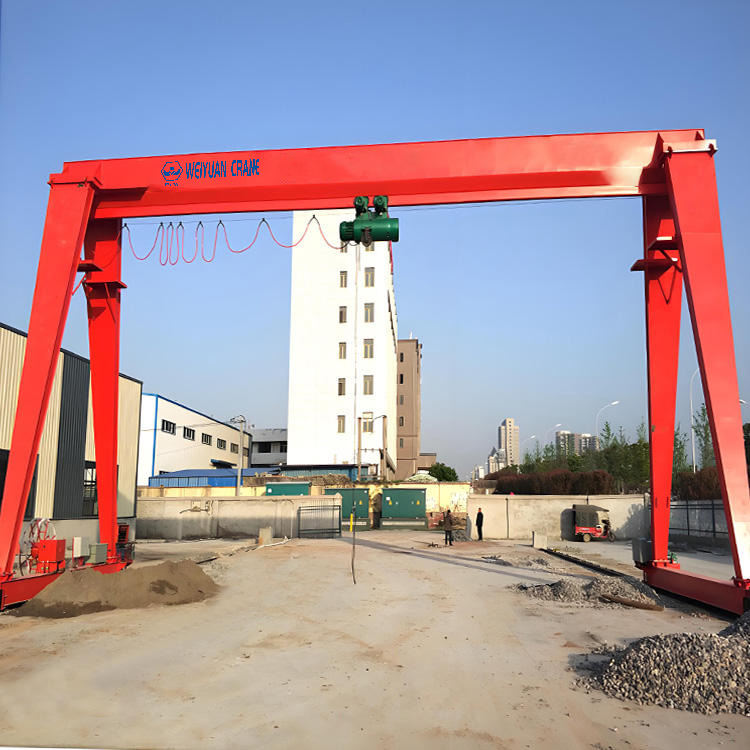
- The Bridge (Girder): This is the main horizontal beam that spans the work area. It can be a single girder for lighter loads or a robust double-girder design for heavy-duty applications.
- The Legs: These are the vertical supports that connect the bridge to the ground-level end trucks, transferring the full weight of the load to the floor or rails.
- The Hoist and Trolley: The hoist is the mechanical unit that performs the actual lifting, using either wire rope or chain. It is mounted on a trolley that travels from side to side along the bridge.
- End Trucks and Wheels: Located at the base of the legs, the end trucks contain the wheels that allow the crane to move. These can be steel wheels for rail-mounted systems or heavy-duty casters for portable models.
- Power System: A power delivery system, such as a flexible festoon cable, a motorized cable reel, or a conductor bar, supplies electricity to the hoist and drive motors.
The Major Types of Gantry Cranes
Manufacturers have developed several distinct gantry configurations to meet the unique challenges of different industries.
1. Full Gantry Cranes
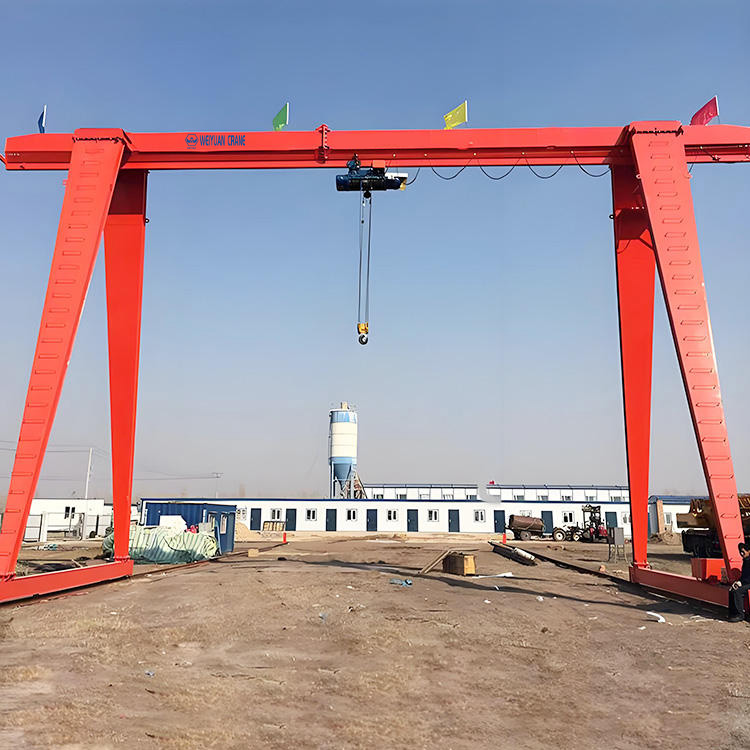
This is the most common design, featuring two legs that support the bridge and travel along a parallel set of ground-level rails. They are often massive structures designed for extreme loads.
- Best For: Shipyards, rail yards, precast concrete plants, and heavy fabrication shops.
- Key Advantage: They offer the highest lifting capacities and widest spans, operating completely independent of any building structure.
2. Semi-Gantry Cranes
This hybrid design uses one leg that rides on a ground-level rail, while the other side of the bridge travels on an elevated runway beam attached to a building’s columns.
- Best For: Facilities that need to maximize floor space along one side of a bay.
- Key Advantage: It provides lifting coverage without obstructing the entire floor, often working in conjunction with a larger overhead crane operating above it.
3. Portable Gantry Cranes
These are smaller, lighter systems that move on swivel casters instead of fixed rails. They are typically pushed into position manually and are designed for flexibility rather than high-volume lifting.
- Best For: Maintenance shops, automotive garages, and light manufacturing or assembly areas.
- Key Advantage: Unmatched mobility. You can easily roll the crane to a piece of equipment, perform a lift for service or repair, and then store it out of the way.
4. Rubber-Tired Gantry (RTG) Cranes
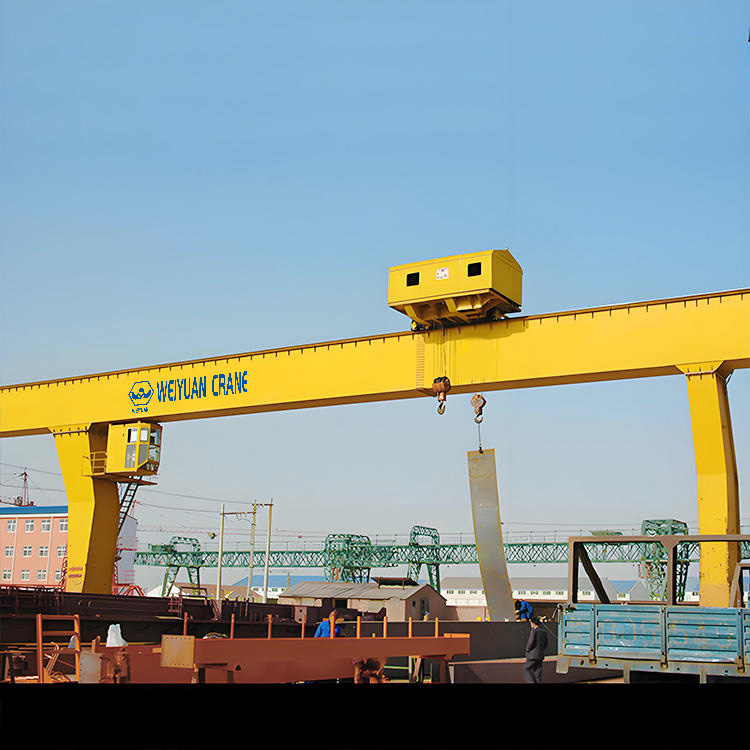
Weiyuan L-Shape Leg Walk Gantry Crane | Manufacturer Direct, Enhanced Mobility
The Weiyuan L-Shape Leg Walk Gantry Crane is a high-performance single-girder gantry crane with a distinctive L-shaped leg design that offers superior clearance for long and oversized loads, and smooth “walk” travel on ground rails — direct from the manufacturer for competitive pricing and reliable quality. :contentReference
View Product / Get QuoteThese colossal machines are a common sight in shipping ports and intermodal container yards. Instead of rails, they move on large rubber tires and are typically powered by an onboard diesel generator.
- Best For: Stacking and moving shipping containers or other large, uniform loads across vast yards.
- Key Advantage: Complete freedom of movement. They are not limited to a fixed path, allowing them to navigate different aisles and rows as needed.
Key Benefits That Drive ROI
Integrating Gantry Cranes into your workflow offers clear, measurable advantages that impact both safety and your bottom line.
- Structural Independence: This is their defining benefit. Since the crane is self-supporting, you avoid the significant cost and complexity of reinforcing your building’s structure. This makes them ideal for open yards, temporary job sites, and rented facilities.
- Cost-Effectiveness: When you factor in the avoided costs of building modifications and extensive structural engineering, a gantry crane is often a more economical solution than a bridge crane of similar capacity, especially for outdoor or semi-outdoor applications.
- Versatility for Indoor and Outdoor Use: Gantry cranes are not limited to a single environment. While they are the default choice for outdoor work, they are also highly effective indoors, particularly in buildings where ceiling structures cannot support a suspended crane.
- Simplified Installation: Compared to installing a full runway system for a bridge crane, erecting a gantry crane is generally faster and less disruptive to your ongoing operations.
Critical Industrial Applications
The scalability and adaptability of gantry cranes make them vital in a wide range of sectors.
- Manufacturing: From moving heavy molds in a plastics factory to lifting large components in a fabrication shop, gantry systems provide localized power.
- Shipbuilding: Massive gantry cranes, known as “Goliath cranes,” straddle entire dry docks to lift and assemble prefabricated ship sections weighing hundreds of tons.
- Precast Concrete: These cranes are essential for lifting long concrete beams and panels from their forms and transporting them to storage yards.
- Steel Yards and Service Centers: Gantries easily straddle long rows of steel plates, pipes, and beams, allowing for efficient loading and unloading of trucks and rail cars.
Selecting the Right Crane: Duty Cycle Matters
A crucial step in selecting a crane is understanding its duty cycle. The Crane Manufacturers Association of America (CMAA) classifies cranes based on how frequently and intensely they will be used. Choosing an underrated crane for a demanding job will lead to premature failure.
- Class C (Moderate Service): Suitable for machine shops and general manufacturing, handling 5-10 lifts per hour at around 50% of rated capacity.
- Class D (Heavy Service): Built for the demands of foundries, steel warehouses, and other facilities with 10-20 lifts per hour near the crane’s capacity.
- Class E (Severe Service): Designed for continuous, high-volume work in environments like scrap yards and cement plants.
Always consult with a crane specialist to ensure the duty classification of the Gantry Cranes you are considering aligns with your operational reality.
Frequently Asked Questions (FAQ)
Q1: What is the main difference between a gantry crane and a bridge crane?
The primary difference is the support structure. A bridge crane runs on elevated runways attached to a building’s structure. A gantry crane is self-supporting, with legs that run on rails or wheels at ground level.
Q2: Can gantry cranes be used indoors?
Absolutely. They are an excellent solution for indoor lifting in buildings where the roof structure cannot support a suspended crane or where you want to avoid installing runway columns.
Q3: Is it safe to move a portable gantry crane while it’s holding a load?
Generally, no. Most portable gantry cranes are designed for static lifting only and should be positioned first, then loaded. Attempting to roll one under load can cause instability or caster failure. Rail-mounted gantry cranes, however, are designed to travel while fully loaded.
Q4: Can the height or span of a gantry crane be adjusted?
Many portable and smaller gantry models feature adjustable height legs, allowing them to fit under low obstacles or doorways. The span, however, is typically fixed. For large, rail-mounted systems, both height and span are fixed dimensions determined at the time of manufacturing.
Q5: What special considerations are needed for outdoor gantry cranes?
Outdoor cranes require weatherization packages. This includes corrosion-resistant paint, waterproof electrical enclosures, motor heaters to prevent condensation, and mechanical tie-downs or rail clamps to secure the crane against high winds.