


Overhead Crane Maintenance Checklist: 7 Essential Tips to Ensure Safety and Minimize Downtime
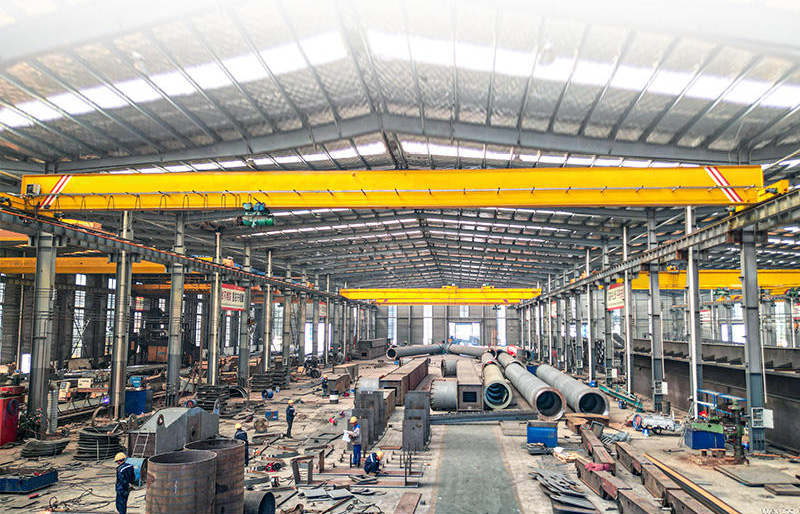
An overhead crane is the workhorse of any heavy manufacturing facility, tirelessly lifting and moving critical components. Its reliability is directly tied to your production output. However, even the most robust machinery is susceptible to wear and tear. Unplanned downtime due to equipment failure is not just an inconvenience; it’s a costly disruption that can halt your entire operation.
Preventing these failures hinges on one key activity: proactive maintenance. A well-structured overhead crane maintenance program is the single most effective way to ensure safety, extend the life of your equipment, and minimize costly downtime. This guide provides an essential checklist with seven tips to help you build a maintenance routine that keeps your operations running smoothly.
1. Prioritize Daily Pre-Shift Inspections
The first line of defense against major failures is the daily check performed by the operator. Before any lifting begins, the person at the controls should conduct a quick but thorough visual and functional inspection. This simple habit can catch small issues before they escalate.
The Operator’s Daily Checklist:
- Visual Check: Look for any obvious signs of damage, such as loose bolts, leaking fluids, or frayed wire ropes.
- Functional Test: Briefly run the crane through its motions without a load. Test the hoist, trolley, and bridge movements.
- Controls: Confirm that the pendant or remote controls are responsive and that the emergency stop button functions correctly.
- Hook and Latch: Ensure the safety latch on the hook is present and works properly.
Empowering operators with this responsibility and providing them with proper training creates a culture of overhead crane safety from the ground up.
2. Inspect the Wire Rope and Hook Religiously
The wire rope and hook are the most critical points of contact with the load. Their failure can be catastrophic. These components are subjected to immense stress and require daily attention.
What to Look For:
- Wire Rope: Inspect for broken strands, kinks, corrosion, or any sign of “bird-caging” (where the strands untwist and bulge out). A single broken wire can compromise the rope’s integrity.
- Hook: Check for any signs of stretching, cracks, or twisting. The safety latch must be in place and close securely. A stretched or bent hook indicates it has been overloaded and must be replaced immediately.
3. Don’t Neglect the Brakes and Control Systems
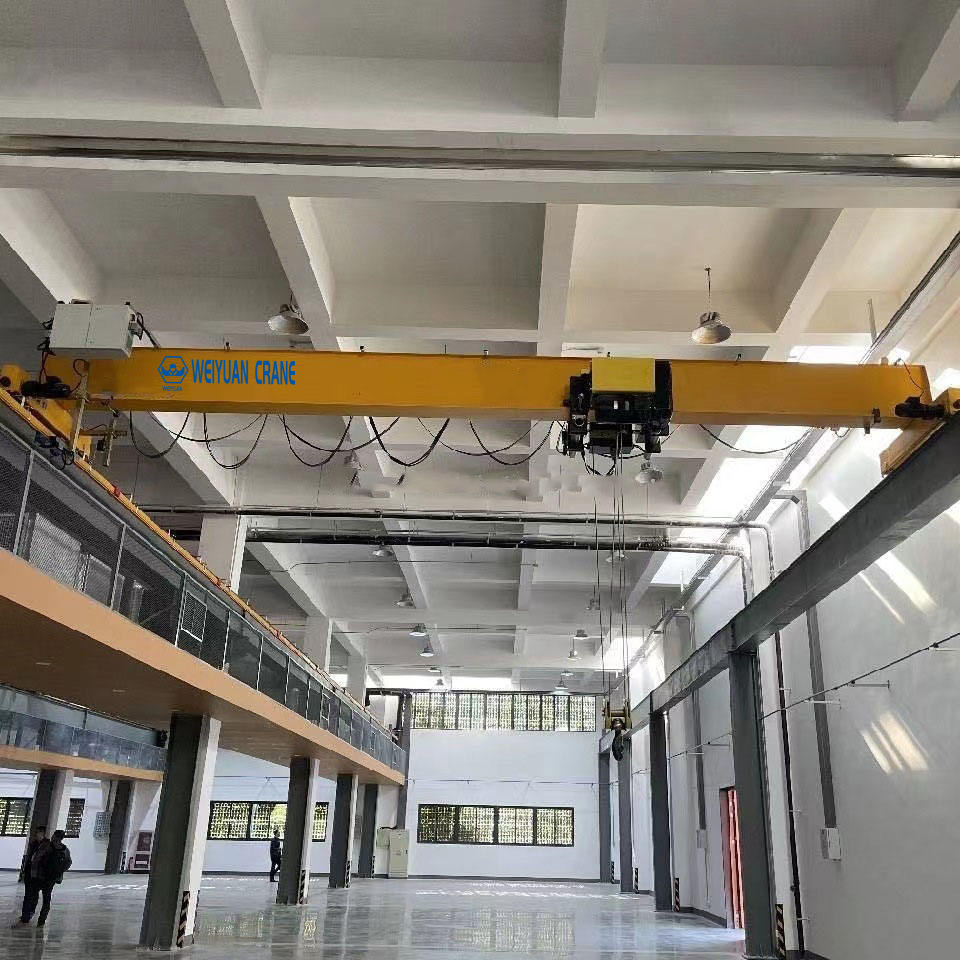
The ability to stop a heavy load is just as important as the ability to lift it. The braking system on an overhead crane is a complex mechanism involving both mechanical and electrical components.
Brake Inspection Points:
- Holding Brake: Test to ensure it can hold a rated load without slipping.
- Motor Brake: Listen for any unusual noises during operation, which could indicate wear.
- Control Systems: Regularly test all limit switches (hoist and travel) and the overload protection system to ensure they are functioning as designed.
A crane that can’t stop reliably is a significant hazard. Professional manufacturers like Weiyuan design cranes with redundant braking systems, but regular inspection is still essential for long-term safety.
4. Examine Structural Components for Wear and Fatigue
The steel structure of the crane—the bridge, girders, and runway—forms its skeleton. While incredibly durable, these components can develop issues over time, especially in high-cycle applications.
Structural Inspection Checklist:
- Runway and Rails: Check for proper alignment, wear, and ensure all fastening clips are tight. A misaligned runway will cause excessive wear on the crane’s wheels.
- Bridge and End Trucks: Look for cracks in welds, loose bolts, and any signs of deformation.
- Wheels: Inspect crane wheels for chips, cracks, or flat spots, which can cause vibrations and further damage.
This level of overhead crane inspection often requires certified technicians who have the tools and expertise to identify subtle signs of metal fatigue.
5. Follow a Strict Lubrication Schedule
Proper lubrication is the lifeblood of your crane. It reduces friction, prevents heat buildup, and protects moving parts from premature wear. An overhead crane system has many lubrication points, including gearboxes, bearings, and wire ropes.
Lubrication Best Practices:
- Follow the Manual: The manufacturer’s manual will specify the correct type of lubricant and the required frequency.
- Don’t Over-Lubricate: Too much grease can attract dirt and cause its own set of problems.
- Keep it Clean: Wipe down grease fittings before applying new lubricant to prevent contamination.
A simple, well-documented lubrication log can save you thousands in costly overhead crane repair bills for components like gearboxes and motors.
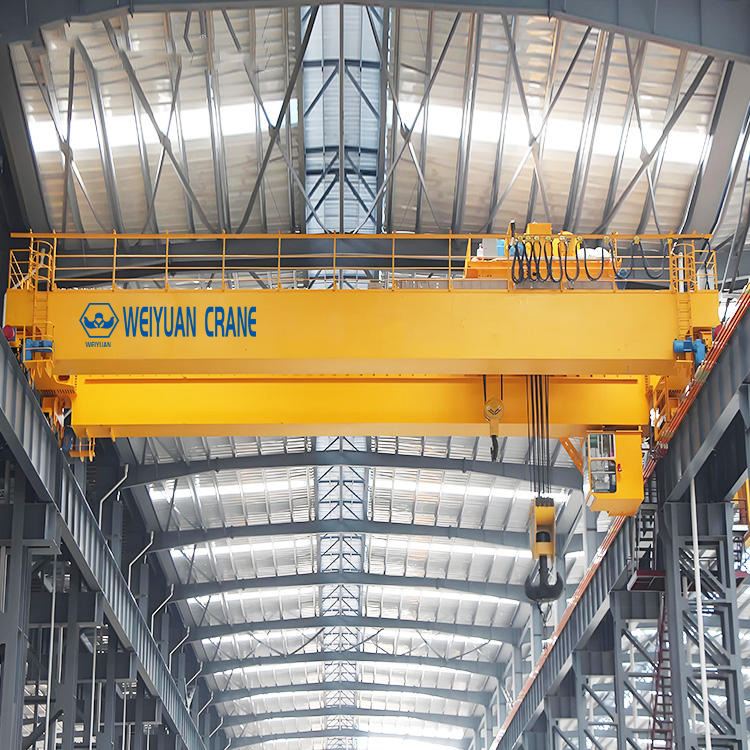
Weiyuan Double Girder Overhead Crane – High Performance, Customizable
The Weiyuan double girder overhead crane is a high-performance and fully customizable industrial lifting solution designed for heavy-duty applications with strong rigidity, reliable lifting precision and adaptability to various span and load requirements. :contentReference
View Product / Get Quote6. Keep Meticulous Maintenance Records
If it isn’t written down, it didn’t happen. Detailed record-keeping is a critical part of any maintenance program. These logs create a history of the crane’s health, help track recurring issues, and are essential for compliance with safety regulations like OSHA or local equivalents.
What to Document:
- Date of inspection/maintenance.
- Component(s) inspected.
- Condition of the components.
- Any adjustments or repairs made.
- Name of the technician who performed the work.
This data is invaluable for predicting when major components might need replacement and for budgeting future maintenance expenses.
7. Partner with a Qualified Service Provider
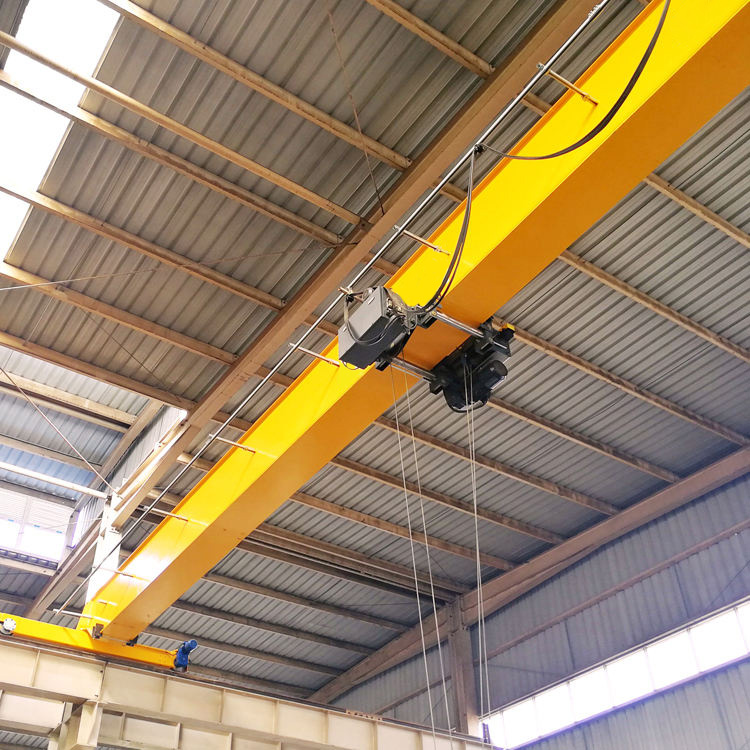
While daily checks can be handled in-house, periodic and annual inspections should be performed by a qualified and certified crane technician. These professionals have the training and specialized equipment to conduct in-depth analyses.
A quality service partner, often backed by the original manufacturer like Weiyuan, can offer:
- Load Testing: Verifying the crane’s capacity.
- Non-Destructive Testing (NDT): Finding hidden cracks in critical welds or components.
- Expert Recommendations: Providing guidance on necessary repairs and potential upgrades.
- Access to OEM Parts: Ensuring that replacement overhead crane parts meet the original design specifications for a perfect fit and function.
Conclusion
An overhead crane is a significant investment. Protecting that investment requires moving from a reactive “fix-it-when-it-breaks” mentality to a proactive maintenance culture. By implementing this seven-point checklist, you can dramatically improve safety, reduce unexpected failures, and ensure your facility’s workhorse continues to operate at peak efficiency. A few hours of planned maintenance can save you days of unplanned downtime.
Is it time for a professional inspection of your lifting equipment? Contact the Weiyuan service team today to schedule a comprehensive evaluation and ensure your crane is safe and ready for the demands of your operation.