


Selecting a Reliable Gantry Crane Manufacturer
Sourcing heavy lifting equipment is a high-stakes decision for any procurement manager or business owner. The difference between a smooth operation and a logistical nightmare often comes down to the quality of the equipment and the reliability of the partner who built it. When you are in the market for a gantry crane, you aren’t just buying steel beams and motors; you are investing in safety, efficiency, and long-term productivity.
Finding a manufacturer who understands the nuances of your industry—whether you are in a shipyard in Europe or a manufacturing plant in Asia—is critical. This guide cuts through the noise to help you identify partners who prioritize value, durability, and comprehensive service.
Understanding Your Operational Environment
Before you even begin reaching out to suppliers, you must have a crystal-clear definition of your needs. A manufacturer cannot offer the right solution if the problem isn’t defined.
Analyzing Load and Space Requirements
The first step is determining the capacity and constraints of your workspace. Are you lifting light engines in a garage, or moving shipping containers?
- Light Duty: For smaller workshops, a small gantry crane or a gantry crane 2 ton model might be sufficient. These are often manually pushable and highly versatile.
- Medium Duty: Warehouses often require a 3 ton gantry crane or 5 ton units to handle pallets and machinery parts.
- Heavy Duty: For industrial applications, such as steel mills or ports, you will likely need a 10 ton gantry crane or larger, often requiring motorized travel.
Mobility vs. Stability
Do you need the crane to move freely around a facility, or will it run on a fixed path?
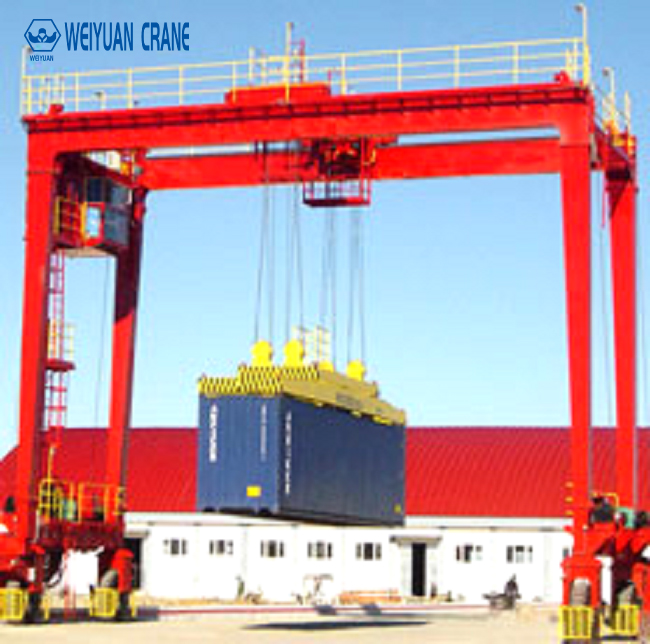
- Mobile Solutions: If you need to move the equipment between workstations, an adjustable gantry crane or a rubber tyred gantry crane (RTG) offers immense flexibility. For maintenance teams on the go, a foldable aluminum gantry crane provides a lightweight option that can be packed into a truck.
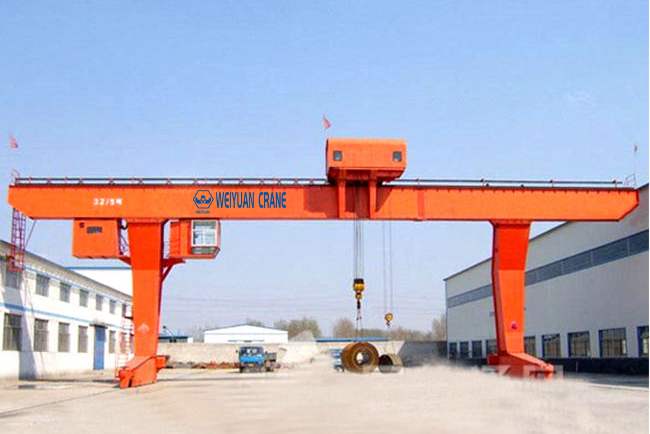
- Fixed Solutions: For consistent, heavy lifting along a specific production line, a rail gantry crane is often the superior choice for stability and precision.
Evaluating Manufacturer Capabilities
Once you have your specs, you need to vet the manufacturers. The market is flooded with traders, but working directly with a factory that handles design, production, and installation—like WEIYUAN—often yields better customization and accountability.
Customization and Design Expertise
Off-the-shelf products rarely fit every industrial scenario perfectly. A top-tier manufacturer should offer design gantry crane services. They should be able to look at your blueprint and say, “A standard overhead crane gantry crane setup won’t work here because of your ceiling obstructions; let’s try a semi-gantry design instead.”
Look for suppliers who can adapt specific features, such as:
- Material choices: Offering an aluminium gantry crane for corrosion resistance in marine environments versus standard carbon steel for indoor factories.
- Hoisting integration: The relationship between the gantry crane and hoist is vital. Whether you need a wire rope hoist for speed or a chain hoist for durability, the manufacturer must ensure seamless compatibility.
Production Quality and Standards
Ask for details on their fabrication process. Do they adhere to ISO quality standards? How do they treat their steel? A wooden gantry crane might have been acceptable a century ago, but today’s safety standards demand certified structural steel and precise welding.
Ask potential suppliers how their specs compare to well-known standards found in a Vestil gantry crane or a Pittsburgh gantry crane. While these are specific market references, a global manufacturer should be able to meet or exceed those equivalent safety factors and durability ratings.
The Critical Role of the Hoist System
The frame provides the support, but the hoist does the work. When sourcing, pay special attention to the gantry crane hoist specifications.
Electric vs. Manual Options
For heavier lifts, an electric gantry crane configuration reduces operator fatigue and improves safety. A portable gantry crane with electric hoist bridges the gap between mobility and power, allowing a single operator to lift heavy loads in remote areas of a facility without physical strain.
Hoist Gantry Crane Integration
Ensure the manufacturer tests the hoist gantry crane assembly as a complete unit. Mismatched components can lead to uneven wear on the trolley wheels or structural stress on the beam. An integrated manufacturer will install, wire, and test the hoist limit switches and overload protection before shipping.
Navigating the “New vs. Used” Debate
Budget constraints often lead buyers to look for a used gantry crane for sale. While this can save money upfront, it introduces risks regarding metal fatigue, previous maintenance history, and warranty voids.
Sourcing a new unit from a direct manufacturer often provides better long-term value. Companies like WEIYUAN can often engineer a cost-effective new solution that fits your budget while providing the full lifespan of the equipment and a manufacturer’s warranty. This is particularly important for critical components like the motors and electrical control systems, which can be expensive to replace in legacy equipment.

Weiyuan Heavy Duty MG Type Gantry Crane for Outside Lifting
The Weiyuan Heavy Duty MG Type Gantry Crane is a powerful and resilient outdoor lifting solution engineered for demanding outside lifting operations, combining a robust A-frame double-girder structure with weatherproof components for reliable performance in outdoor stockyards, construction and industrial environments. :contentReference
View Product / Get QuoteAfter-Sales Support and Technical Guidance
The relationship shouldn’t end when the crane is loaded onto the shipping container. A Gantry crane is a complex piece of machinery requiring proper installation and maintenance.
Installation Services
Does the manufacturer provide installation guides, video support, or on-site engineers? Complex systems, especially rail-mounted units, require precise alignment to prevent derailment.
Maintenance and Spare Parts
A reliable supplier ensures that parts are available years down the line. Whether you need replacement wheels for a rubber tyred gantry crane or new contactors for an electric hoist, availability is key to minimizing downtime.
Pricing vs. Total Value
When analyzing quotes, look beyond the bottom line. A quote for a gantry crane should be comprehensive.
- Check the exclusions: Does the price include the hoist? The electrification system (festooning)? Shipping to your specific port?
- Compare the weight: A heavier crane often (though not always) indicates more steel and a robust structural safety factor.
- Assess the duty cycle: Ensure the crane is rated for your frequency of use (e.g., ISO M5 or M6 standards).
Actionable Next Steps for Buyers
- Define your load: Be realistic about the maximum weight. If you lift 2 tons daily, buy a 3-ton unit for safety.
- Audit the supplier: Check their track record. Do they have experience exporting to your region? Do they offer integrated services like WEIYUAN?
- Request detailed drawings: Never buy based on a catalog photo. specific technical drawings ensure the design gantry crane dimensions fit your facility.
- Plan for the future: If you expect your production to grow, discuss scalable options or higher duty cycles now.
Selecting the right manufacturer is about finding a partner who values your safety as much as their sale. By focusing on detailed specifications, customization capabilities, and long-term support, you can secure lifting equipment that powers your business for decades.