


What are the Disadvantages of a Chain Hoist? Separating Fact from Fiction
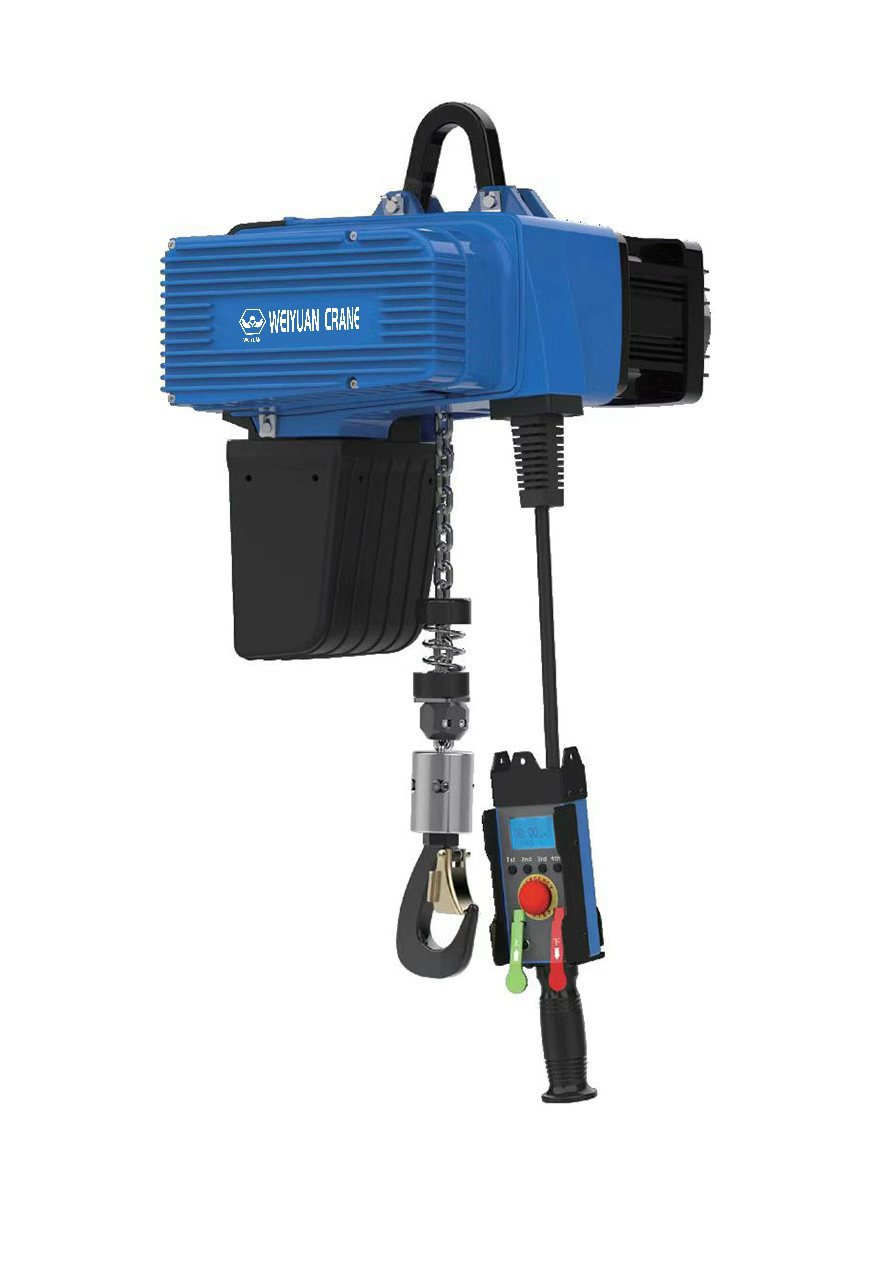
When evaluating lifting solutions, the chain hoist stands out as a reliable, cost-effective tool. However, it is essential to understand the inherent limitations of chain-based lifting mechanisms, particularly when compared to modern wire rope or fully automated electric systems. While a chain hoist offers unmatched durability and simplicity, its disadvantages—often related to speed, duty cycle, and precision—must be carefully weighed against your application needs.
This article dissects the common drawbacks of the chain hoist, enabling you to make an informed investment decision that maximizes safety and operational efficiency.
The Chain Hoist: Where Its Design Presents Challenges
The very nature of the link chain as a lifting medium introduces certain constraints, especially in high-volume or high-precision industrial settings.
Speed Limitations in High-Throughput Environments
One of the primary disadvantages, especially in large-scale logistics or continuous production lines, is the speed of the chain hoist.
- Manual Speed: A manual chain hoist relies entirely on human effort. This means lifting times are slow, inconsistent, and highly dependent on the operator’s fatigue level, severely limiting throughput in fast-paced warehouses.
- Electric Chain Speed: Even electric chain hoists are typically slower than comparable wire rope hoists. This is due to the need to safely manage the rigidity and weight of the chain medium, which cannot spool as quickly as a cable. In operations requiring rapid material transfer, this speed differential can create bottlenecks.
Reduced Durability and Precision Compared to Wire Rope
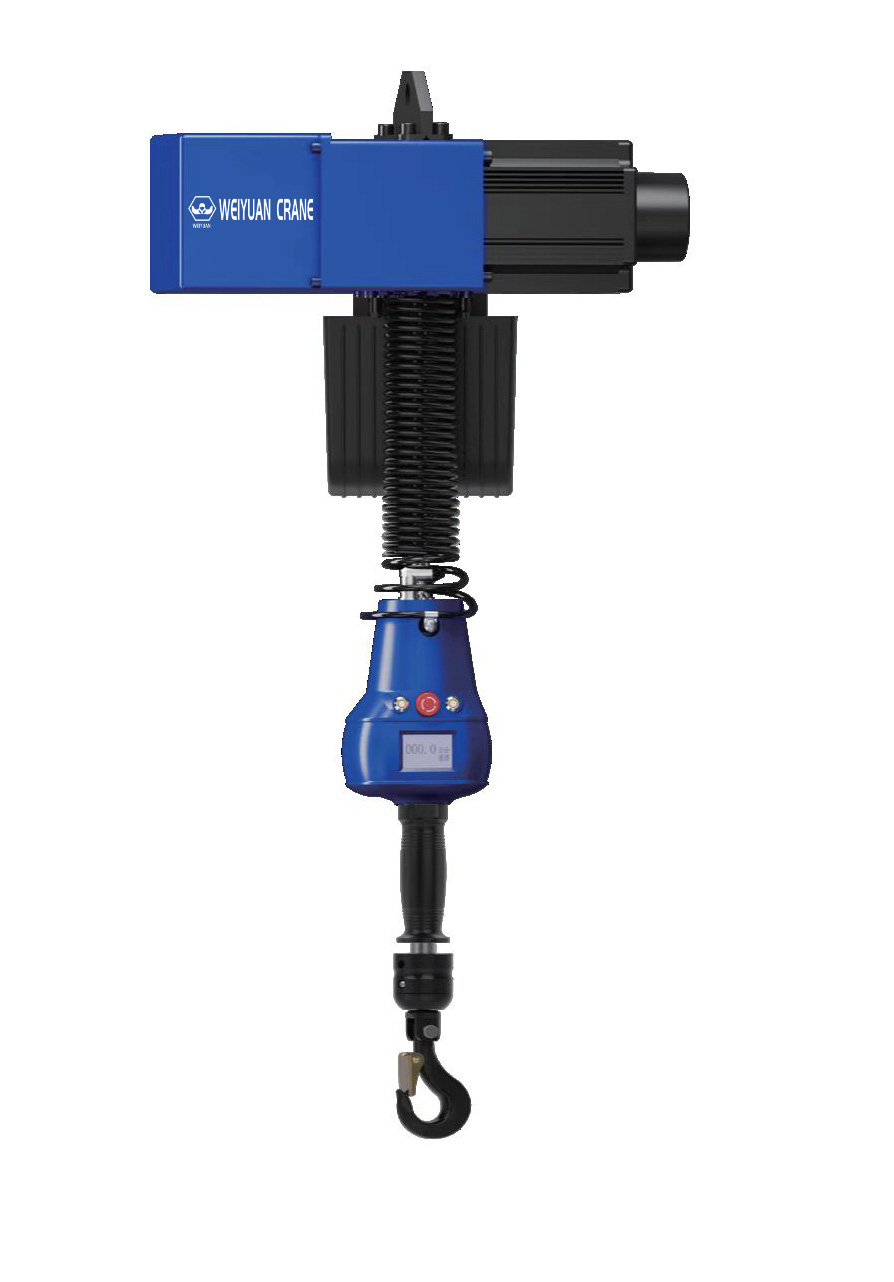
While the chain is robust, the lifting action of a chain hoist introduces specific mechanical disadvantages:
- Shock Loading Sensitivity: Chains are susceptible to damage and wear when subjected to frequent or severe shock loading (sudden starting/stopping with a heavy load).
- Precision Limitations: The nature of the chain linking over the pocket wheel makes minute, precise positioning slightly more challenging compared to the smooth, continuous winding of a wire rope, particularly at higher lift heights. For millimetre-level assembly tasks, a chain hoist may introduce minor fluctuations.
- Noise Level: Chain hoists, particularly under heavy loads, tend to generate more operational noise than wire rope alternatives due to the mechanical clatter of the links engaging the drive wheel.
Evaluating Disadvantages in Specific Chain Hoist Types
The drawbacks vary depending on whether the system is manual or electric, and what capacity is involved (e.g., 1 ton chain hoist versus 2 ton chain hoist).
Manual Chain Hoist Drawbacks (Chain Fall Hoist)
Manual hoists, often simple and durable (like a typical harbor freight chain hoist), introduce operational drawbacks that impact labor management:
- High Operator Effort: Even low-capacity models require significant manual force over time, leading to operator fatigue and potential injury risks.
- Slow Lift Height: For deep lifts (e.g., 10 meters or more), a manual chain hoist is extremely time-consuming and labor-intensive, often making it impractical.
- Limited Duty Cycle: The work period of a manual hoist is limited by the stamina of the operator, meaning they cannot sustain the kind of continuous use expected in modern manufacturing.
Electric Chain Hoist Limitations
While solving the speed issue, electric chain hoists still have application limits:
- Capacity Range: Hoists typically excel in the medium capacity range (e.g., 1/2 ton electric chain hoist up to 5 ton electric chain hoist). For truly massive lifts, specialized wire rope systems are often preferred due to chain rigidity and bulk.
- Heat Generation: High-frequency, heavy-duty use (high duty cycle) can generate significant heat within the motor and gearbox. If the hoist is not adequately rated (e.g., M6 or higher), this can lead to premature motor wear and failure.
Core Features of a High-Quality Chain Hoist System
Understanding the inherent limitations allows users to appreciate the crucial features that minimize these drawbacks in modern chain hoists.
| Feature | Advantage for Mitigating Disadvantage | Enhancement Value |
| Robust Gearing and Components | Uses sealed, permanently lubricated gearboxes and high-strength, heat-treated alloy steel for chains/wire ropes. | Minimizes internal wear and friction, significantly extending the hoist’s operational life. |
| Motor Thermal Protection | The motor includes built-in sensors that shut down the unit if it approaches an overheating threshold. | Prevents irreversible damage to the motor windings, a common cause of premature hoist failure. |
| VVVF/Two-Speed Control | Reduces mechanical shock and wear on the brake and gears by providing smooth, gradual acceleration and deceleration. | Prolongs the life of the braking system and mechanical components. |
| Durable Control System | Options like the electric hoist with wireless remote or robust pendants are rated for high-cycle use and resistance to industrial interference. | Ensures reliable control connection over the long term, reducing downtime. |
Customization and Safe Application: Turning Drawbacks into Strengths
Addressing the limitations of a chain hoist often involves customizing the system to the specific environment.
Addressing Specific Needs with Customization
We offer complimentary design consultation and personalized customization to counteract common drawbacks:
- Environmental Needs: Specialized finishes for corrosion resistance, essential for harsh environments, prolonging the life of the chain for hoist.
- Control Configuration: Integrating features like the electric trolley hoist and customizing the wireless remote range allows operators to maintain optimal visibility and precision despite inherent chain limitations.
- Precision Upgrade: Utilizing high-precision gearboxes and VVVF control allows our systems to approach the precision of wire rope, making them suitable for more sensitive tasks.
HOLILITE Expertise: Commitment to Quality and Safety
While we focus on the disadvantages, it’s critical to note that high-quality manufacturing mitigates most risks. HOLILITE is a professional production manufacturer integrating production, sales, design, and installation, ensuring every chain hoist meets rigorous standards.
Applications and Compliance
The drawbacks of a chain hoist are often negligible in applications where simplicity, durability, and compact size are more important than extreme speed.
- Manufacturing & Maintenance: Ideal for short, heavy lifts within assembly bays or maintenance areas.
- Outdoor Structures: Used for stage truss and lighting setup where portability is paramount.
- Logistics & Warehousing: Effective for loading and short vertical stacking where high speeds are not necessary.
Safety and Compliance for Lasting Reliability
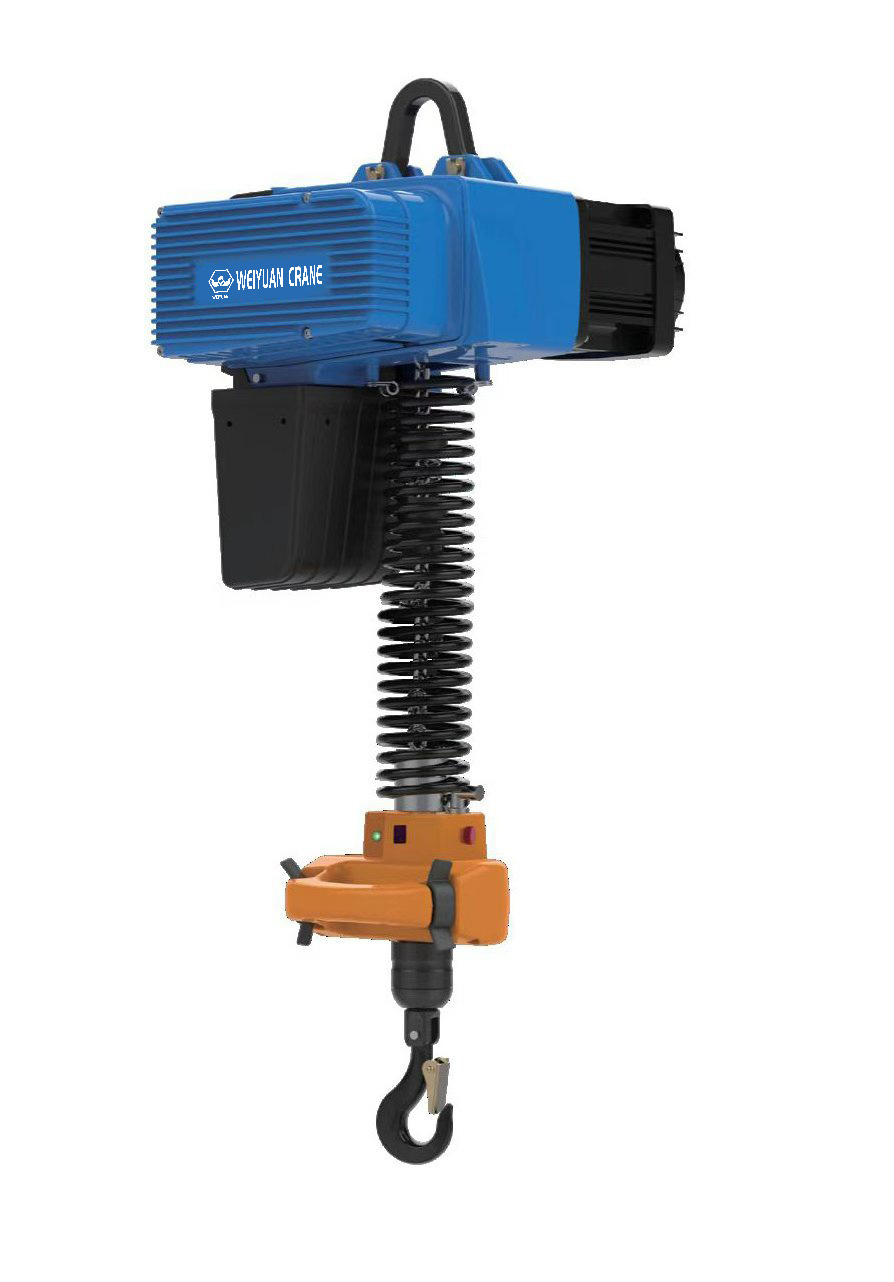
Compliance ensures the hoist operates safely, protecting its internal mechanisms from damaging overloads.
- Certification: All products comply with international standards such as CE certification (European standards) and/or other local safety standards, confirming build quality.
- Protection: Standard features include robust load limiters and emergency stop systems to prevent misuse and structural stress.
Case Study: Overcoming Manual Hoist Limitations
Case: Traditional Assembly Plant (Asia)
- Project Challenge: A traditional assembly plant relied heavily on old-style manual chain hoist units, leading to significant bottlenecks, low operational accuracy, and frequent safety incidents due to operator fatigue.
- The Solution: The client upgraded to an intelligent electric chain hoist solution. The new equipment featured multi-layer electronic safety mechanisms, real-time monitoring, and M5/M6 duty cycle ratings, suitable for their high-frequency use.
- Client Benefits: The system increased efficiency by over 30%, virtually eliminated human error accidents, and provided millimetre-level precision for component placement, demonstrating that choosing the right modern chain hoist can overcome the limitations of older manual models.
Procurement and Support
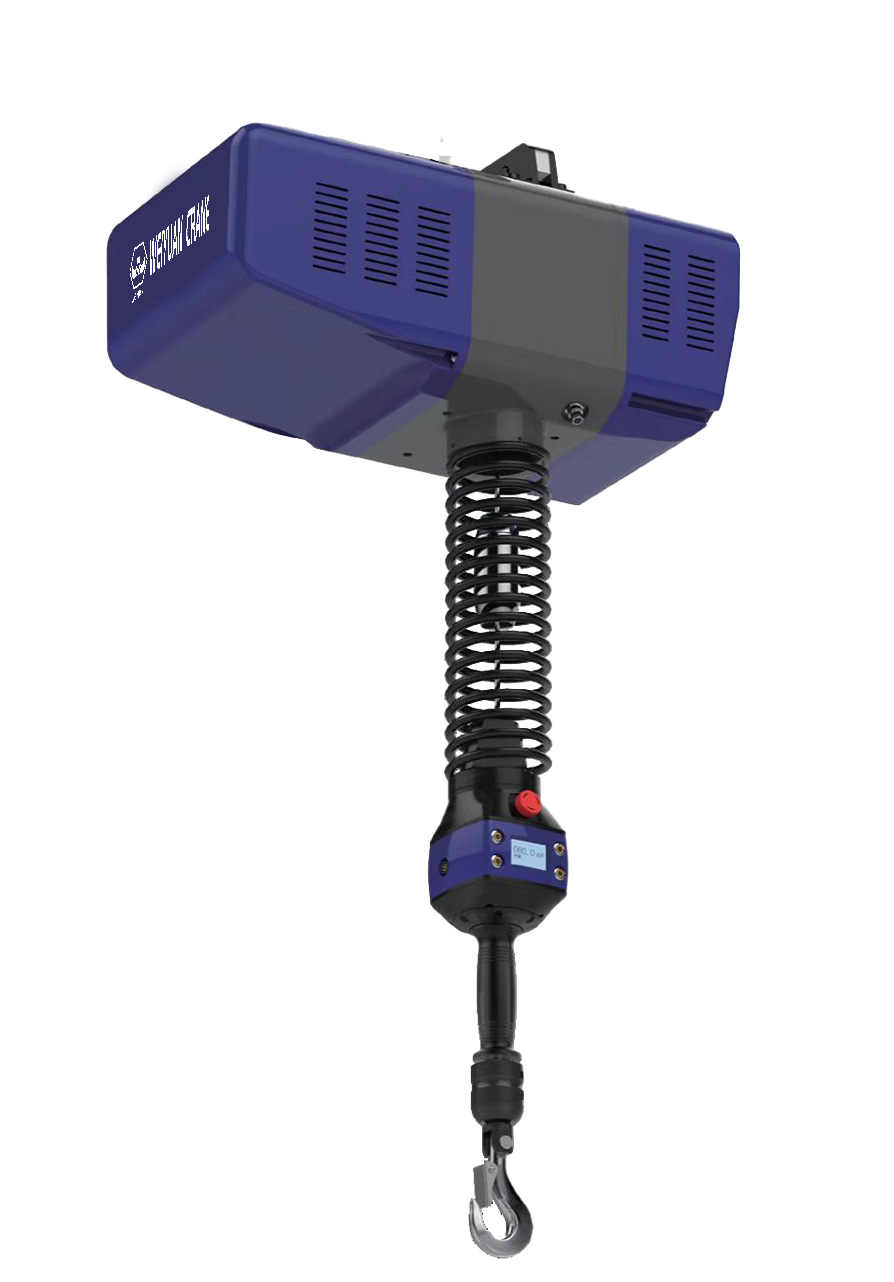
Choosing a supplier is selecting a long-term partner dedicated to system longevity.
Installation and Comprehensive Support
- Support: We provide comprehensive documentation, video guidance, and technical teams available for on-site assistance and commissioning.
- Warranty: We offer a standard one-year warranty on our systems.
Pricing and Quotation
The electric hoist price varies based on capacity, lifting height, and required duty cycle. Contact our sales team with your precise technical needs to receive a tailored quotation.
Delivery Cycle
- Standard Models: Common units are typically shipped within 3–5 working days.
- Customized Models: Units requiring special engineering or coatings typically have a delivery timeline of 2–4 weeks.
FAQ (Addressing Disadvantages)
- Q: Can a chain hoist be used for continuous, high-speed lifting? A: No, wire rope hoists are generally superior for continuous high-speed lifting. Chain hoists are best suited for short lifts and intermittent use, particularly when a high duty cycle is required.
- Q: How do I choose between a 1 ton chain hoist and a wire rope hoist? A: Choose a chain hoist if you need portability, simple maintenance, or low headroom. Choose wire rope if your priority is faster speed, higher lift height, and superior positioning accuracy.
- Q: Are manual hoists still safe? A: Yes, a modern manual chain hoist is safe when used within its SWL. However, they introduce operator fatigue, which is a key safety risk in high-frequency operations.