


What is the OSHA Definition of an Overhead Crane? Safety and Compliance
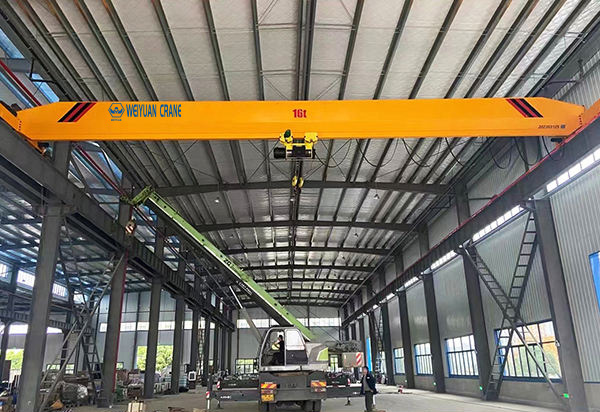
Understanding the definition of an overhead crane—and its associated safety requirements—is paramount for any business operating heavy lifting equipment, particularly in North America where OSHA (Occupational Safety and Health Administration) regulations are strictly enforced. While the specific legal text details the scope of coverage, at its core, an overhead crane is defined by its structure: a machine that lifts, lowers, and moves materials horizontally within a fixed industrial building structure.
This article details the structural, operational, and regulatory aspects that define an overhead crane, emphasizing the required safety features and compliance measures critical for minimizing risk and maintaining a safe workplace.
The Structural and Functional Definition of an Overhead Crane
The operational definition of an overhead crane is rooted in its structure, distinguishing it from gantry cranes or mobile lifting devices.
1. Product Description: The Overhead Crane Structure
An overhead crane is a device consisting of a bridge, which is a structural beam or beams, running on rails or runways that are fixed to the building’s support structure.
- Core Purpose: The primary role of the overhead crane is the vertical lifting and horizontal handling of heavy materials across the entire facility footprint. It is essential for modern factories, warehouses, and docks.
- Key Value: It optimizes workshop space utilization and enhances material handling efficiency by over 20%.
- Structural Design: The crane utilizes an optimized box-shaped or I-beam girder design, which results in lighter dead weight and reduced wheel pressure, maximizing space utilization.
- Operational Examples: Used for assembly of heavy components in machinery factories or mold loading in automotive plants.
2. Essential Components and Technology
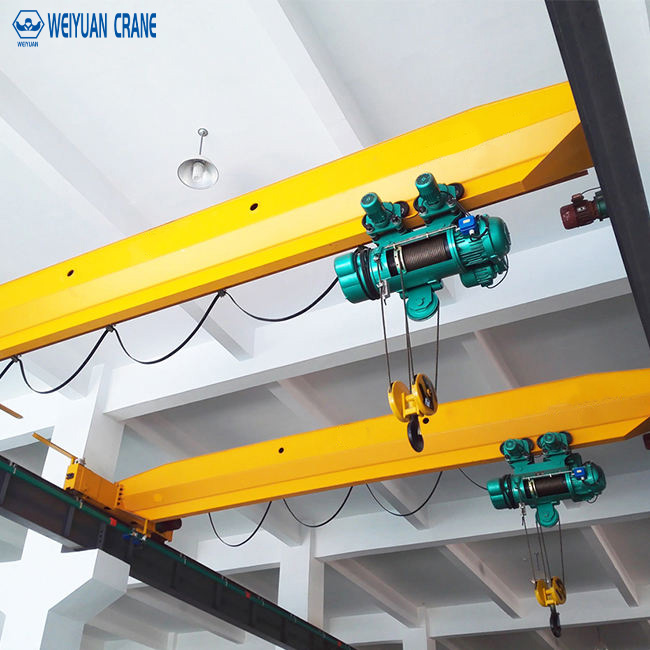
The system is defined by its components, which include the bridge, the end trucks, and the lifting mechanism (hoist and trolley).
- Lifting Mechanism: The overhead hoist crane utilizes a hoist, driven by a three-in-one reducer system (hard-tooth gear reducer and variable frequency braking motor), which ensures stable operation and high positioning accuracy.
- Control Mode: Variable Frequency Drive (VFD) controls allow for stepless speed regulation, increasing efficiency and reducing mechanical shock during operation.
OSHA Compliance and Safety Requirements for Operators
OSHA regulations mandate specific requirements related to overhead crane inspections, operator training, and the equipment’s built-in safety features. These requirements define the standard of safety for any overhead crane manufacturer and operator.
3. Technical Specifications and Compliance
The specifications of the crane must meet rigorous compliance standards based on its duty cycle.
| Specification Item | Range | Safety Compliance Factor |
| Standard Capacity | 1 ton to 80 tons (standard); up to 400 tons (custom). | Certification and overhead crane training course must cover the specific capacity and load charts. |
| Duty Cycle | Typically A4 or A5 (Medium to Heavy). | Training and maintenance schedules must align with the crane’s required duty cycle. |
| Control Voltage | Suspended control voltage must not exceed 50V safety voltage. | This ensures operator safety during direct pendant control. |
| Span Length | Standard range 7.5 meters- 34 meters | Inspection requirements cover the entire span of the runway and end trucks. |
4. Safety and Regulatory Compliance
All systems must integrate essential safety measures, regardless of whether they are a wholesale overhead gantry crane supplier or an industrial overhead crane provider.
- Key Safety Device: The crane must be equipped with a weight limiter that automatically cuts off the lifting power when the load is exceeded.
- Safety Features: Critical safety components include limit switches, emergency stop switches, braking systems, and a power cut-off device.
- Installation: Proper overhead crane installation is audited to ensure stability and safety, reinforcing the need for professional, certified engineer teams for setup.
Customization and WEIYUAN’s Role in E-E-A-T
As a provider of advanced lifting solutions, WEIYUAN ensures its products not only meet minimum OSHA structural requirements but exceed safety expectations through technology and customization.
5. Customization and Design Excellence
To fully address the diverse needs implicit in the OSHA definition of various types of overhead crane product, customization is essential.
- Design Service: We offer free factory structure analysis and crane layout optimization design.
- Customization Range: Includes non-standard capacity, anti-explosion/anti-corrosion designs, and specialized attachments like grapples to meet 100% of operational needs.
WEIYUAN is a professional production manufacturer integrating production, sales, design, and installation, offering expertise across all phases, from initial design to overhead crane inspection compliance.
6. Case Study: Safety and Efficiency Metrics
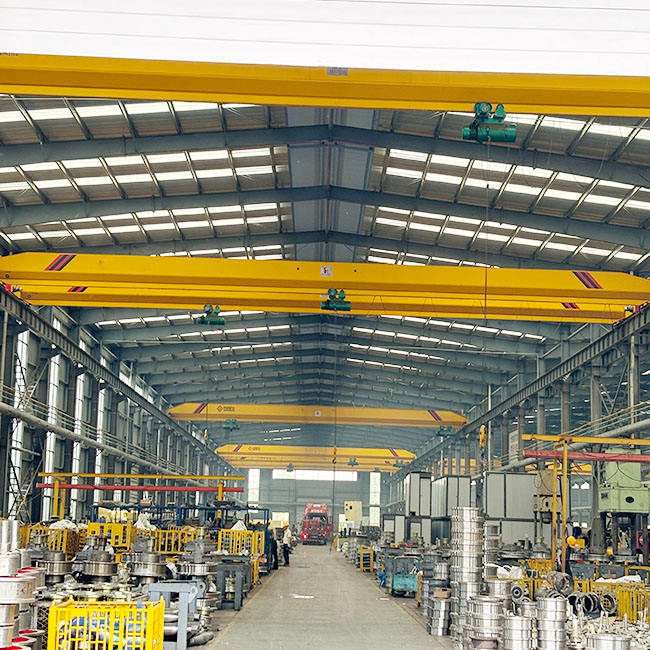
- The Project: Deployment of five 10-ton double-girder bridge cranes in the main assembly workshop of a major automotive parts manufacturing plant.
- Safety and Efficiency Results: The operation achieved a production line cycle time reduction of 8% and recorded zero safety accidents over 8000 hours of safe operation. This demonstrates the crucial link between quality equipment and safe, compliant operation.
Installation, Support, and Procurement Details
Compliance with OSHA’s definition extends to the maintenance and support provided after installation.
7. Installation and Support Services
- Guidance: We provide comprehensive services, including detailed installation manuals, video tutorials, and technical support.
- After-Sales: A one-year warranty is provided, with support for specified parts repair and replacement. Our senior engineers also provide on-site installation guidance and training.
8. Procurement and Delivery
- Quotation: Pricing is customized based on specifications; contact us for a personalized quote.
- Delivery: Standard models ship in 3-5 working days; custom models require 2-4 weeks.
Next Steps: Are you looking for information on osha overhead crane inspection requirements or specific overhead crane training course options for your operators?