


What is the Overhead Crane? A Comprehensive Guide to Industrial Lifting Solutions
Defining the Backbone of Industrial Logistics: The Overhead Crane
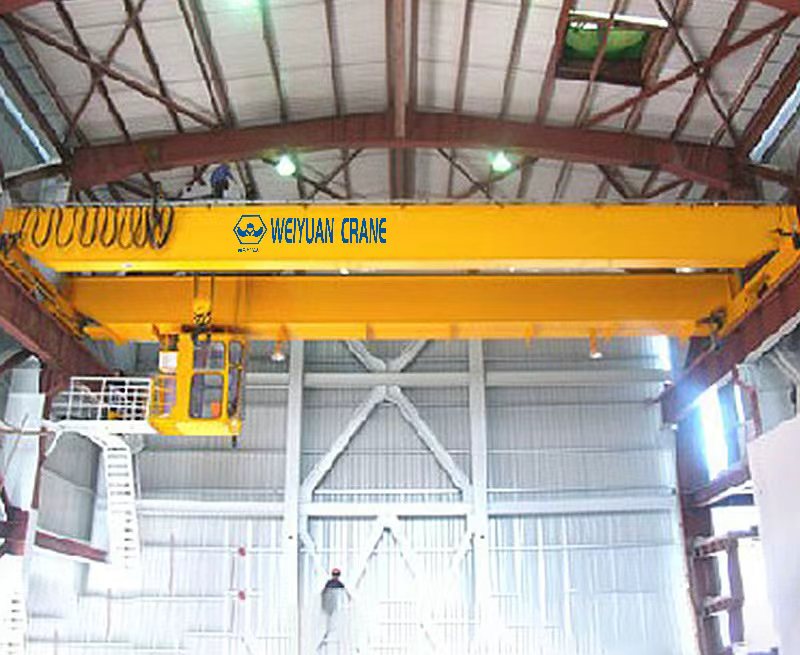
In the dynamic world of manufacturing, construction, and logistics, the ability to efficiently and safely move massive loads is paramount to operational success. At the heart of this critical process is the overhead crane, often called a bridge crane.
But beyond a simple definition, what is an overhead crane, and why has it become an indispensable tool in modern industrial settings?
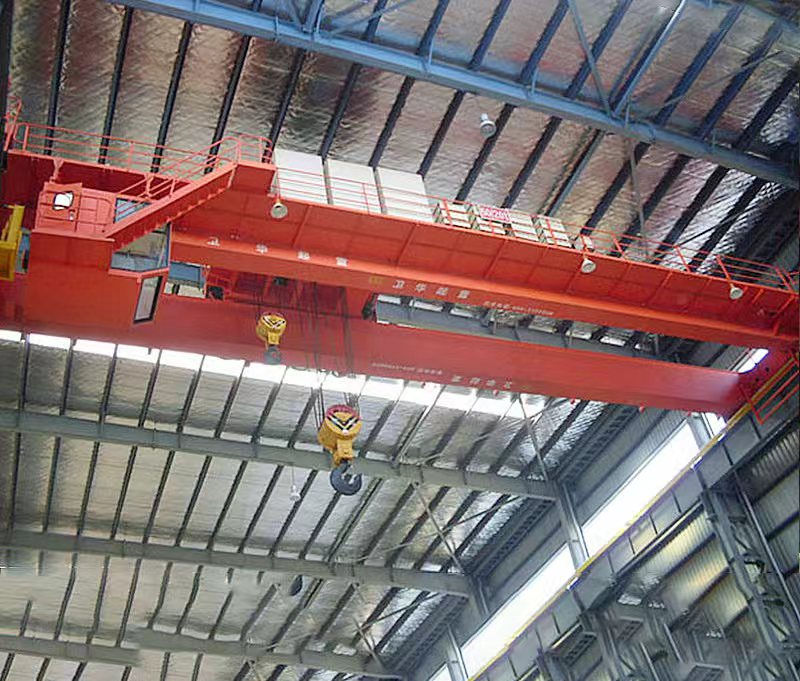
The overhead crane is essentially a machine that provides horizontal movement (trolley), vertical movement (hoist), and longitudinal movement (bridge) of heavy materials within a defined workspace. It’s an elevated mechanical system designed to handle heavy objects that manual labor or forklifts simply cannot manage, ensuring the continuous flow of production.
Our company, WEIYUAN—a professional manufacturer integrating design, production, sales, and installation—has seen firsthand how a well-specified overhead crane can be the single most effective upgrade a facility can make to its material handling capabilities.
The Core Purpose: Why Your Facility Needs an Overhead Crane
The implementation of an overhead crane is a strategic investment in efficiency and safety. Its core purpose revolves around maximizing operational throughput while minimizing risks.
Maximizing Space and Efficiency
The design of the system, utilizing overhead space, is its primary advantage. The system significantly optimizes a facility’s floor space utilization, which is crucial for maximizing production areas and storage. The centralized, predictable motion also guarantees the precise and safe movement of large, heavy, or bulky materials. This focused handling dramatically improves overall material handling efficiency by 20% or more. The structural efficiency is achieved by utilizing optimized box-type or I-beam main girders. This design ensures low dead weight and reduced wheel pressure on the runway, achieving maximum possible space utilization beneath the crane.
Safety and Precision in Heavy Lifting
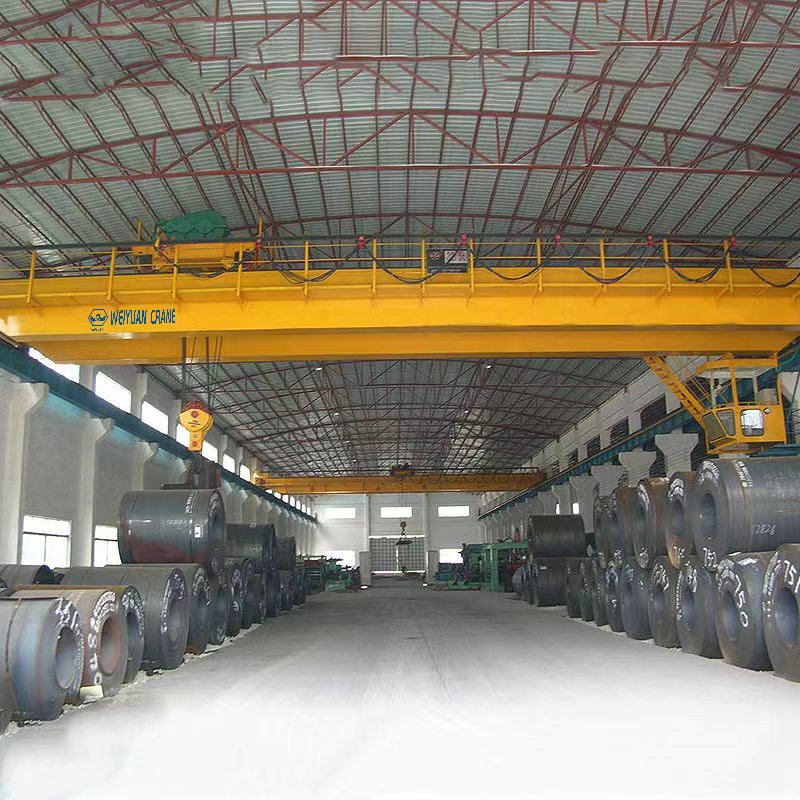
Handling heavy components manually or with less suitable equipment poses significant safety risks. The overhead crane eliminates these issues. In an automobile manufacturing plant, these cranes are vital for the precise loading and unloading of heavy stamping molds. For a steel processing plant, they are the only safe way to manage massive steel coils. They are also essential for the complex component assembly process in heavy machinery factories.
Unpacking the Technology: Features and Specifications
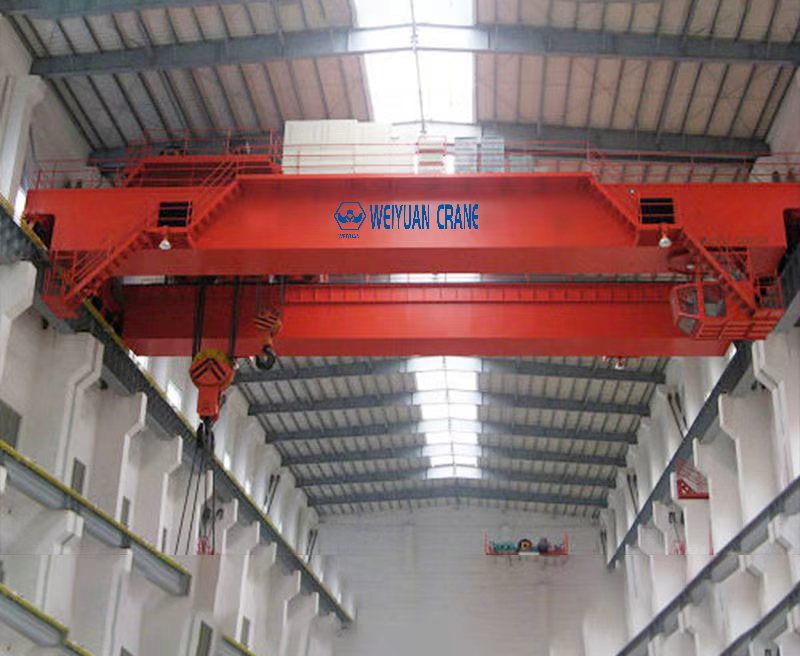
A modern overhead crane is a complex piece of engineering defined by its robust components and advanced control systems. Understanding these features is vital when considering an overhead crane for sale.
Advanced Features and Operational Advantages
The operational excellence of the crane is derived from a suite of carefully engineered features.
- Drive System Excellence: Contemporary cranes utilize a highly reliable three-in-one reducer system (comprising a hard-toothed gear reducer, variable frequency brake motor). This integration guarantees exceptionally smooth operation and ensures high-precision load positioning.
- Control Mode (VFD): The standard control mode is Variable Frequency Drive (VFD) speed regulation. VFD enables stepless speed control, which not only boosts operating efficiency but crucially reduces mechanical impact and wear on the crane components and the load itself.
- Durability and Duty Cycle: When searching for an overhead bridge crane for sale, the “Working Class” or “Duty Cycle” (A-Class) is a critical factor indicating longevity. Cranes are typically classified as A4 or A5 (Medium to Heavy duty), ensuring they can withstand the demanding cycles of industrial use.
Technical Specifications: Sizing Up Your Lifting Solution
Selecting the right crane requires matching its technical specifications to your facility’s needs.
| Specification | Standard Range (WEIYUAN) | Notes |
| Standard Capacity | 1 ton to 80 tons | Custom capacities up to 400 tons are available for specialized needs. |
| Span Length | 7.5 meters to 34 meters | Defines the horizontal coverage area. |
| Lifting Height | 6 meters to 50 meters | Customized based on the building height and specific application requirements. |
| Rated Voltage | 380V / 400V / 415V, 50-60Hz | Standard three-phase AC power requirements. |
| Control Methods | Ground pendant, Wireless remote control, Operator Cabin | Multiple options to suit different operational environments and safety protocols. |
Customization and Application: Beyond the Standard 5 Ton Overhead Crane
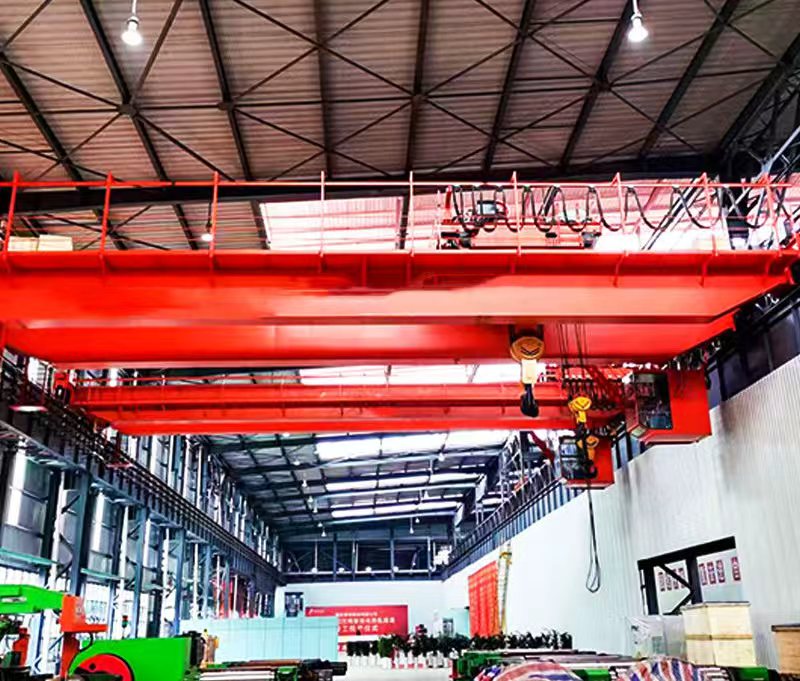
While a 5 ton overhead crane is one of the most common standard capacities, modern industrial needs frequently require bespoke solutions. Customization is where the true value of an expert manufacturer lies.
Tailoring the Crane to Your Unique Workspace
At WEIYUAN, we understand that no two factories are alike. Our approach to customization ensures the crane is not just installed, but fully integrated into your existing workflow.
- Design Consultation: We offer a free design service that includes comprehensive structural analysis of your existing facility and optimized crane layout planning.
- Customization Scope: Solutions extend far beyond standard capacity and span. We design for non-standard capacities, ultra-long spans, unique lifting heights, and specialized requirements like explosion-proof or anti-corrosion environments. For complex tasks, we can implement features like maintenance platforms or a dual trolley configuration.
- Specialized Handling: To satisfy 100% of specialized working conditions, auxiliary lifting gear like grapples, motorized grabs, or electromagnetic chucks can be incorporated. This capability means the system can handle everything from raw steel to delicate finished goods.
Diverse Application Fields
The versatility of the bridge crane makes it essential across various heavy industries. If you are looking for an overhead shop crane or a system for an outdoor yard, the application is adaptable.
- Core Industries: Mechanical Manufacturing, Metallurgy and Casting, Mold Processing, Steel Production, Power Industry, Railway Freight Yards, and large-scale Logistics Warehousing Centers.
Safety, Compliance, and Certification: Non-Negotiable Standards
Safety is the absolute priority when dealing with heavy lifting equipment. Any prospective buyer of an overhead crane must ensure the machine and the operating team adhere to stringent safety and compliance protocols.
Engineering for Absolute Safety
Compliance is not merely a box to tick; it is a framework ensuring worker protection and equipment longevity.
- Safety Standards: Our equipment is designed to comply with rigorous national and industry standards, such as the TSG Q0002-2008 ‘Safety Technology Supervision Regulations for Lifting Machinery’.
- Critical Safety Devices: Every crane must include a Lifting Weight Limiter. This critical device automatically cuts off the hoisting power should the load exceed the rated capacity, preventing catastrophic failure.
- Essential Safety Components: Beyond the limiter, standard safety equipment includes limit switches, emergency stop switches, a robust braking system, and reliable power cut-off devices. For operational safety, the control circuit voltage for suspended control devices is kept below 50V (safety voltage).
This commitment to safety is foundational to our professional approach at WEIYUAN, ensuring every crane we design and manufacture meets the highest global standards for reliability and protection. Clients often inquire about overhead crane training or overhead crane certification near me to ensure their operators are equally compliant.
Proven Reliability: Case Studies in Efficiency
Credibility in the crane industry is built on quantifiable results and verifiable performance.
Real-World Performance Data
- Representative Project: A deployment at a major Automotive Component Manufacturing Plant’s final assembly workshop.
- Project Scale: The implementation involved deploying 5 sets of 10-ton double-girder bridge cranes.
- Quantifiable Results: The result was a definitive 8% reduction in the assembly line cycle time, directly translating to increased output. Most importantly, the cranes recorded over 8,000 hours of safe operation with zero recorded safety incidents. This is the kind of reliable performance that defines a high-quality overhead crane.
Service and Partnership: Beyond the Sale
A crane purchase is the beginning of a long-term operational relationship. A reliable manufacturer must offer comprehensive support.
Installation and Aftercare Support
- Installation Support: We offer complete support, including detailed installation manuals and video tutorials for remote guidance. For complex projects, our expert technical teams can be dispatched to the site to assist with installation and commissioning.
- After-Sales Service: We provide a one-year warranty. Our service includes designated parts support, repair, and replacement. If you ever need overhead crane repair near me or overhead crane service near me, we ensure a responsive service channel.
The Next Step: Pricing and Quotation
- Quote Process: Since every overhead crane is tailored to specific capacity, span, and height requirements, prices vary based on specifications and customization complexity.
- Getting Started: To receive a personalized, detailed quotation, simply visit our website to fill out a requirements form or contact our customer hotline directly. The more detail you provide—lifting capacity, span length, lift height, and special requirements—the more accurate and rapid the quote will be.
- Delivery: Standard models that are in stock typically ship within 3-5 working days. Customized models have a delivery cycle of 2-4 weeks following design approval, depending on complexity.
Frequently Asked Questions (FAQ)
Answering the Most Common Buyer Concerns
- What information is needed for an accurate quote?The more detailed the information, the better. We need: A: Lifting capacity; B: Crane span (arm length); C: Lifting height/Hook travel; D: Material being lifted; E: Power source or any other special requirements, the information you provide will be appreciated.
- What operating methods are available?Standard options are: A: Handheld controller with buttons (pendant control) and B: Wireless remote control with buttons. You may choose the method that best fits your operational environment.
- Can the crane operate in hazardous environments?Absolutely. We can customize the unit with anti-acid or explosion-proof features to ensure safe operation in challenging environments.
- How do we install the crane?Our senior engineers can be deployed to the site to provide comprehensive installation guidance and hands-on training for your team, ensuring correct setup and operation.