


When Should You Not Use an Electrical Hoist? Understanding Limitations for Safe Operation
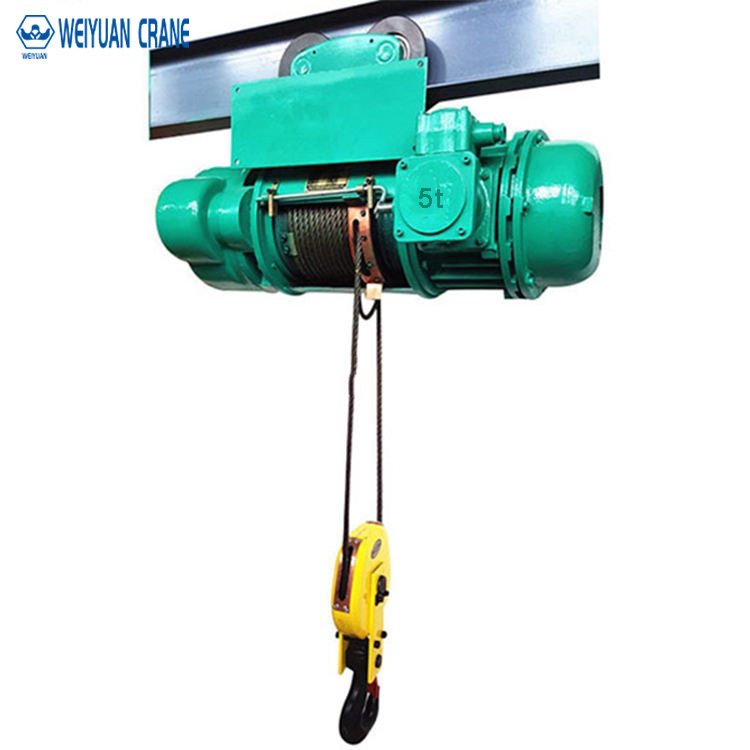
The electric hoist is a powerful tool for vertical lifting and material handling, but knowing its limits is the cornerstone of safe and efficient operation. While an electric hoist is designed for high-frequency, heavy-duty work, there are specific scenarios—often related to capacity, environment, or misuse—where you should either not use one, or require a highly specialized, customized unit. Understanding these limitations protects both personnel and your investment.
Critical Scenarios Where Standard Electric Hoists Are Unsuitable
The necessity of safety and equipment preservation dictates several “do not use” rules for a standard electric hoist.
1. Exceeding Rated Capacity and Non-Vertical Lifts
- Product Description: An electric hoist uses a motor and gear reduction system to achieve precise vertical lifts of heavy loads. It is central to optimizing material handling efficiency and safety in factories and warehouses.
- Capacity Violation: You should never use an electric hoist to lift a load exceeding its Safe Working Load (SWL). For example, do not attempt to lift a 5 ton load with a 1000 kg electric hoist. Hoists ranging from the 1000 lb electric hoist to the 10 ton electric chain hoist must be strictly used within their specified limits.
- Side Pulling/Towing: Standard hoists, including the electric pulley hoist and cable hoist electric, are designed exclusively for vertical lifting. They should not be used for side pulling, dragging, or towing loads, as this stresses the chain/cable and gearbox laterally, potentially causing catastrophic structural failure.
2. Hazardous Environments Without Customization
Standard electric hoists should not be used in environments that pose a risk of explosion.
- Explosive Atmospheres: Areas containing flammable gases, dusts, or vapors require explosion-proof (Ex-rated) hoists. A standard electrical motor can produce a spark that could ignite these substances, rendering typical units unsuitable.
- Extreme Temperatures: While hoists are built for industrial conditions, prolonged operation outside their specified temperature range (e.g., in extreme heat or sub-zero cold) can severely degrade lubrication, motor life, and braking efficiency.
Safety Features and Technical Limits
Understanding the limitations of an electric hoist is crucial for preventing unsafe usage scenarios.
3. Technical Specifications and Power Limitations
The power source dictates where and how the hoist can be safely deployed.
| Specification Item | Limit Scenario | Avoidance Measure |
| Duty Cycle/Grade | High-frequency, continuous lifting (e.g., 24/7) with a low-rated (A3 or lower) hoist. | Use M5 or M6-rated hoists for intense production environments. |
| Power Input | Using an AC-powered hoist (e.g., $380 \text{V}$ 3-phase) with a low-voltage DC source. | Only use DC units, like a specialized 12 volt dc electric hoist, in environments requiring battery power. |
| Protection Rating | Using an indoor-rated hoist in heavy rain or deep dust. | Requires customization with a higher IP (Ingress Protection) rating for outdoor use. |
4. Features That Prevent Misuse
- Integrated Safety: Critical safety components, including overload protection and limit switches, prevent the hoist from operating in hazardous conditions.
- Braking: The motor’s magnetic brake should always be tested before use. If the brake fails to hold the load securely, the hoist should not be used.
Customization and Safe Application: The WEIYUAN Solution
When a standard electric hoist is unsuitable, WEIYUAN offers specialized solutions to bridge the gap safely and effectively.
5. Applications Where Suitability is Guaranteed
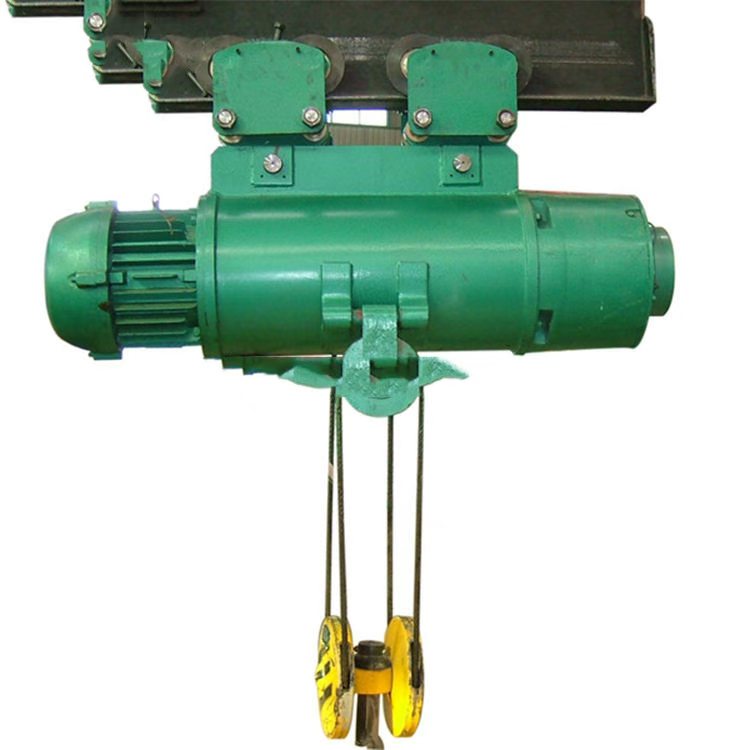
The suitability of the electric hoist is clear in fixed environments that align with its design intent:
- Factories and Manufacturing: Ideal for high-efficiency assembly and repair.
- Logistics and Warehousing: Perfect for vertical stacking and transferring materials using an electric chain hoist with trolley.
- Specialty Use (With Caution): While sometimes adapted for uses like lifting equipment (electric hoist ladder), the hoist must be permanently fixed and vertically aligned.
WEIYUAN is a professional production manufacturer integrating production, sales, design, and installation, and we provide expert guidance to ensure our hoists are never misused.
6. Safety and Compliance: Non-Negotiable Standards
- Safety Assurance: Products comply with high safety standards, such as CE certification (Europe).
- Structural Integrity: Robust design prevents structural failure, which is especially important for portable units like mini electric chain hoist models.
7. Case Study: Avoiding Manual Labor Misuse
Case: Logistics Company.
- Challenge: The company relied on manual, unsafe lifting methods for heavy packages, leading to frequent worker injuries.
- Solution: Implementation of the electric hoist system eliminated manual lifting misuse.
- Client Benefits: The system reduced manual lifting needs by 75%, leading to a significant increase in operational throughput and drastically improving worker safety.
Procurement and Support for Safe Operation
The best defense against improper usage is comprehensive training and support from the manufacturer.
8. Installation and Support Services
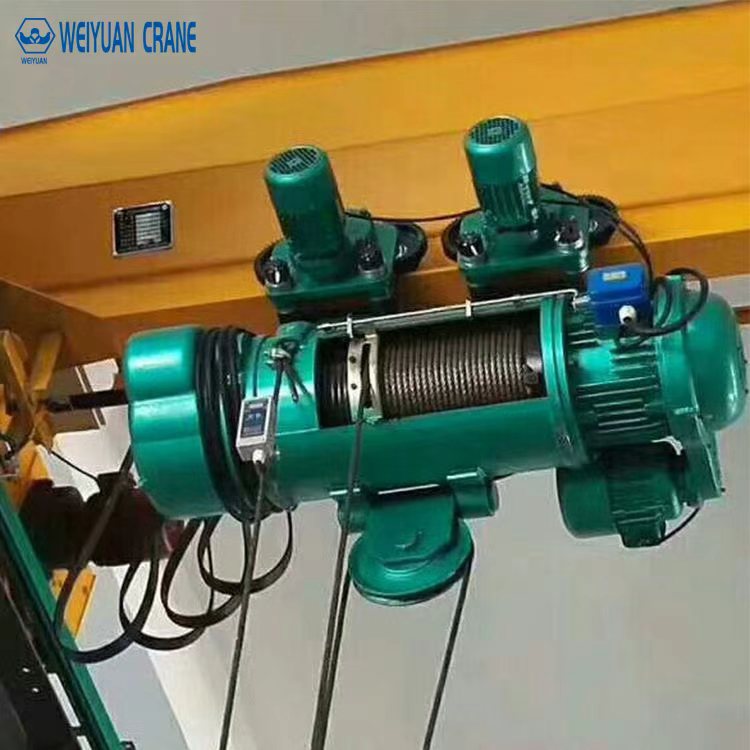
- Guidance: We provide detailed installation manuals and video tutorials.
- After-Sales: A one-year warranty is provided, with support for specified parts repair. Our engineers also provide on-site installation guidance and training.
9. Pricing and Delivery
- Quotation: Pricing is customized based on specifications. Contact our sales team for a personalized quote.
- Delivery: Standard models ship in 3-5 working days; custom models require 2-4 weeks.
10. FAQ (Addressing Misuse)
- Q: Can I use a small electric hoist to pull my car out of the mud? A: No. Hoists are for vertical lifts only and must not be used for pulling or dragging.
- Q: What information should I provide when requesting a quote? A: Details including capacity, lift height, and power source are needed to ensure the hoist is correctly specified for your use.