

Components & Parts
Hoist Wire Rope Pulley
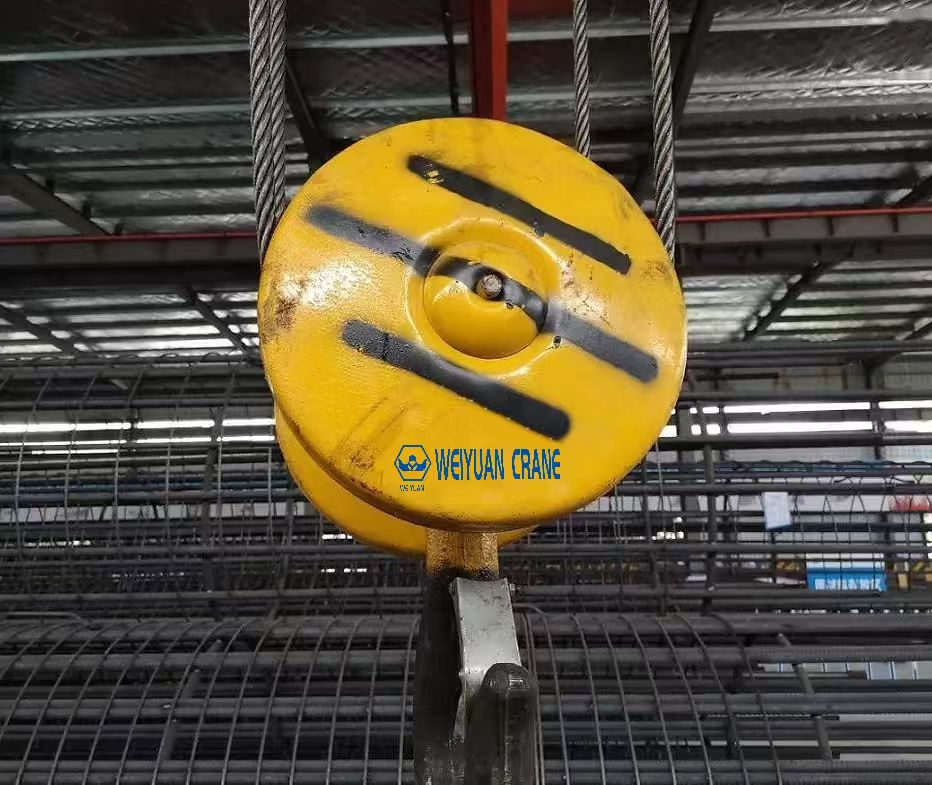
Product Overview
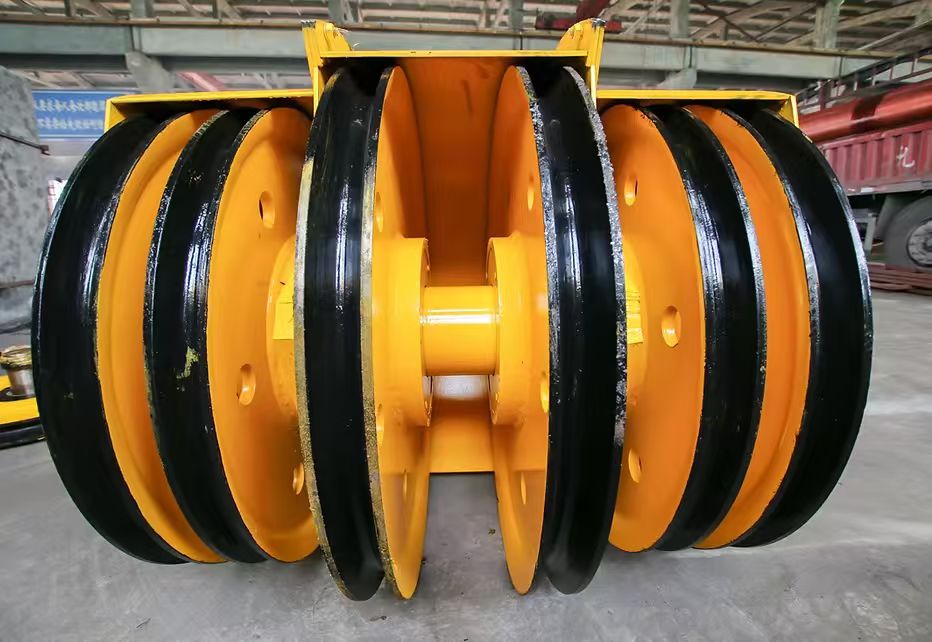
The Hoist Wire Rope Pulley is a critical component in crane and lifting machinery systems, designed to work seamlessly with wire ropes and hook blocks to provide efficient load handling capabilities. This precision-engineered pulley system consists of fixed and moving pulleys that work together to reduce effort and change the direction of force application. Built to withstand demanding industrial environments, these pulleys are essential components in cranes, winches, elevators, and other heavy-duty lifting equipment, ensuring smooth operation and enhanced mechanical advantage in material handling applications.
Product Advantages
- Enhanced Mechanical Advantage: The pulley system significantly reduces the effort required for lifting heavy loads while allowing precise control over force direction and application.
- Superior Material Construction: Manufactured from high-quality HT15-33 cast iron for standard applications, with ZG35 II cast steel available for specialized and grab bucket applications.
- Optimized Groove Design: Features precisely engineered rope grooves with R=0.6d radius to maximize contact surface area between wire rope and pulley for improved efficiency.
- Rolling Bearing Technology: Incorporates rolling bearings to improve pulley group efficiency, reduce friction, and extend operational lifespan under demanding conditions.
- Versatile Integration: Designed for seamless integration with hook blocks and wire rope systems across various crane and lifting machinery configurations.
Application Scenarios
- Bridge and Overhead Cranes: Essential components in single and double girder bridge cranes for precise load positioning and lifting operations in manufacturing facilities.
- Grab Bucket Operations: Specialized heavy-duty pulleys for material handling applications involving bulk materials like coal, ore, and aggregates.
- Winch Systems: Critical components in industrial winches for construction, mining, and marine applications requiring reliable load control.
- Elevator and Lift Systems: Used in freight elevators and industrial lift systems for smooth vertical transportation of materials and equipment.
Product Specifications and Dimensions
| Parameter | Details |
|---|---|
| Material Options | HT15-33 cast iron (standard), ZG35 II cast steel (heavy-duty applications) |
| Rope Groove Radius | R=0.6d (optimized for maximum wire rope contact) |
| Bearing Type | Rolling bearings for enhanced efficiency |
| Configuration | Fixed and moving pulley combinations |
| Integration | Compatible with wire rope and hook block systems |
| Applications | Cranes, winches, elevators, lifting machinery |
Features at a Glance
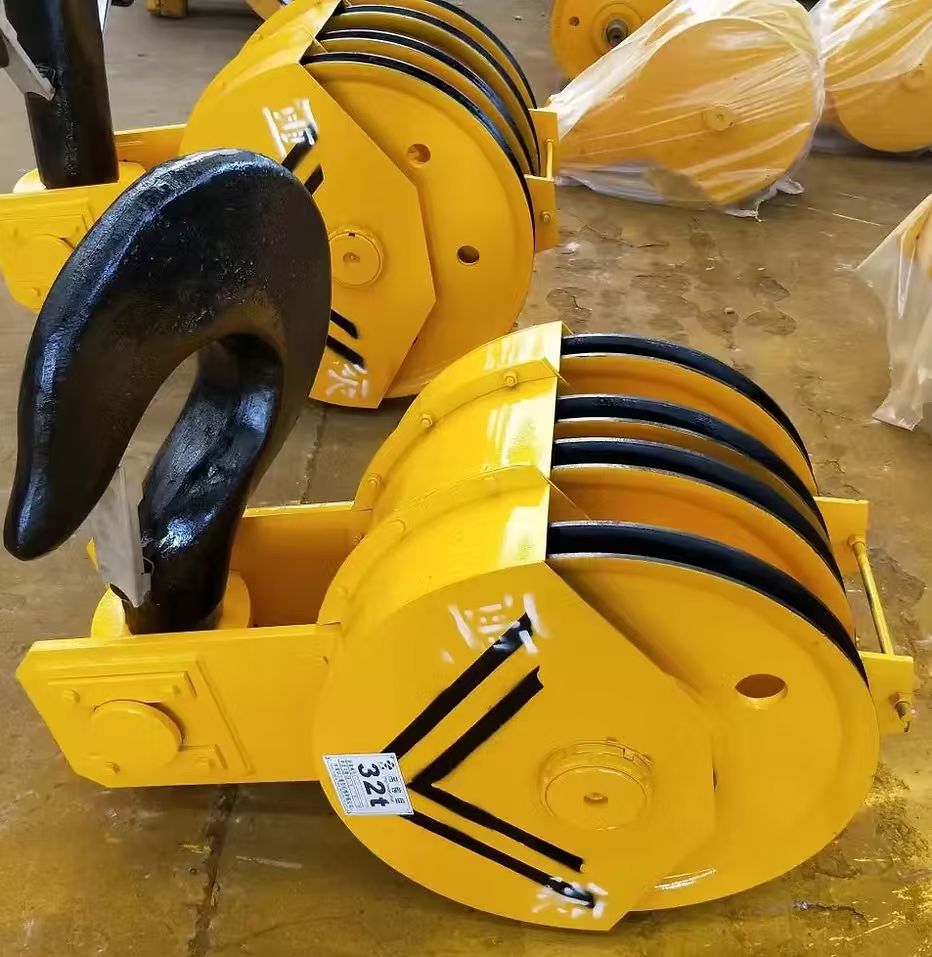
- Precision Engineering: Manufactured with precisely machined rope grooves to ensure optimal wire rope contact and minimize wear.
- Durable Construction: Built from high-grade cast iron or cast steel materials to withstand heavy loads and continuous operation.
- Efficient Design: Incorporates rolling bearings to reduce friction and improve overall system efficiency.
- Force Optimization: Combines fixed and moving pulleys to provide mechanical advantage and directional force control.
- System Integration: Designed for seamless compatibility with existing crane and hoist systems.
FAQ
1. What is the difference between fixed and moving pulleys in the system?
Fixed pulleys are attached to the crane structure and change the direction of force, while moving pulleys are attached to the load and provide mechanical advantage by reducing the effort required for lifting.
2. Why is the rope groove radius set to R=0.6d?
This specific radius ratio maximizes the contact surface between the wire rope and pulley groove, reducing wear on both components and improving lifting efficiency.
3. When should cast steel be used instead of cast iron?
Cast steel (ZG35 II) is recommended for heavy-duty applications such as grab bucket operations or specialized cranes where higher strength and durability are required.
4. How do rolling bearings improve pulley performance?
Rolling bearings significantly reduce friction compared to plain bearings, resulting in smoother operation, improved efficiency, and extended service life of the pulley system.
5. Can these pulleys be used in existing crane systems?
Yes, the pulleys are designed for compatibility with standard wire rope and hook block systems, making them suitable for both new installations and replacement applications in existing cranes.