


Boosting Productivity with Gantry Cranes: A Comprehensive Guide
Every manufacturing and logistics operation relies on a steady, predictable flow of materials. When raw steel, heavy machinery components, or shipping containers sit idle waiting for transport, your entire production line stalls. Wasted time translates directly into wasted capital. To stay competitive, facility managers must scrutinize every step of their material handling processes to identify and eliminate these hidden delays.
One of the most effective ways to accelerate throughput is by deploying specialized lifting equipment tailored to your exact operational layout. Standard forklifts and shared overhead bridge systems often fall short when dealing with oversized loads or expansive outdoor yards. By stepping outside the limitations of traditional building-supported infrastructure, you can unlock entirely new levels of operational speed.
This guide explores how heavy-duty freestanding lifting systems transform industrial workflows. We will examine the specific mechanisms that eliminate logistical bottlenecks, the technological advancements that speed up load cycling, and the best practices for deploying these massive machines to maximize your daily output.
The Mechanics of Productivity in Material Handling
Productivity in heavy industry is not just about moving things faster. It is about moving things smarter, safer, and with zero unnecessary downtime. True efficiency requires a seamless transition of materials from the delivery truck, through the production cycle, and out to the shipping dock.
When operators spend twenty minutes waiting for a shared overhead hoist to become available, your labor costs multiply while your output remains stagnant. Similarly, if workers must carefully maneuver a forklift through a crowded factory floor to deliver a single pallet, you risk collisions, product damage, and further delays.
Optimizing your lifting strategy means putting the right lifting capacity exactly where the work happens. It means freeing your facility from rigid logistical constraints.
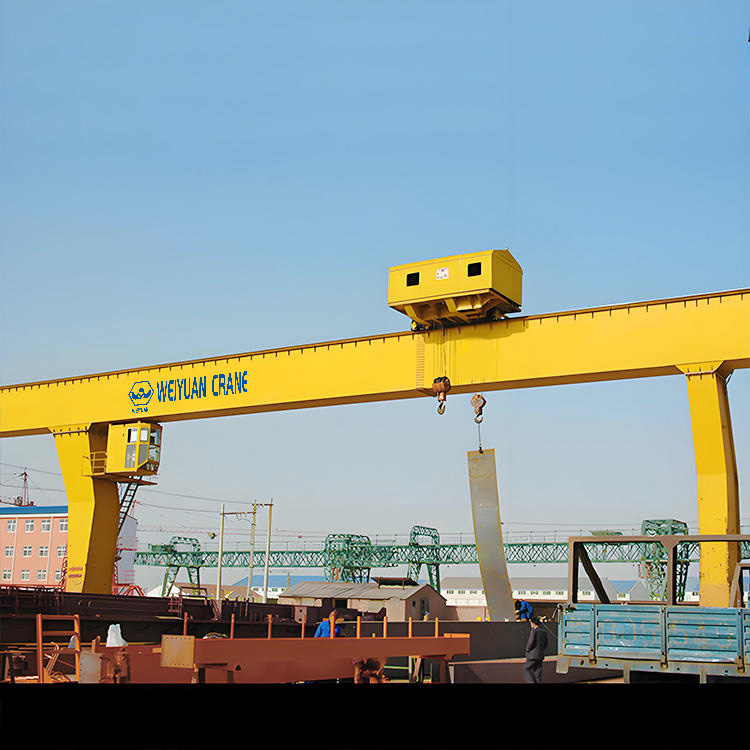
Weiyuan L-Shape Leg Walk Gantry Crane | Manufacturer Direct, Enhanced Mobility
The Weiyuan L-Shape Leg Walk Gantry Crane is a high-performance single-girder gantry crane with a distinctive L-shaped leg design that offers superior clearance for long and oversized loads, and smooth “walk” travel on ground rails — direct from the manufacturer for competitive pricing and reliable quality. :contentReference
View Product / Get QuoteHow Freestanding Cranes Eliminate Bottlenecks
Traditional overhead bridge cranes are excellent tools, but they require a massive building structure to support their runways. This rigid requirement often dictates your entire factory layout. If you need to expand production into a new bay or an outdoor yard, you cannot easily bring your bridge crane with you.
Bypassing Structural Limitations
Gantry Cranes completely bypass these structural limitations. Because they feature a horizontal bridge beam supported by their own freestanding legs, they carry the entire weight of the load directly down to the ground. This architectural independence is a massive productivity booster.
You do not need to wait months for structural engineers to reinforce your building columns or pour massive concrete footings inside an active factory. You can deploy a freestanding system rapidly, minimizing production downtime during installation. Furthermore, you can install them in lightweight metal warehouses or leased facilities where modifying the building structure is strictly prohibited.
Reducing Wait Times for Shared Equipment
In a busy fabrication shop, multiple workstations often share a single overhead lifting system. This creates a severe choke point. When the welding department needs the crane to flip a massive steel frame, the assembly department must wait idly until the crane is free.
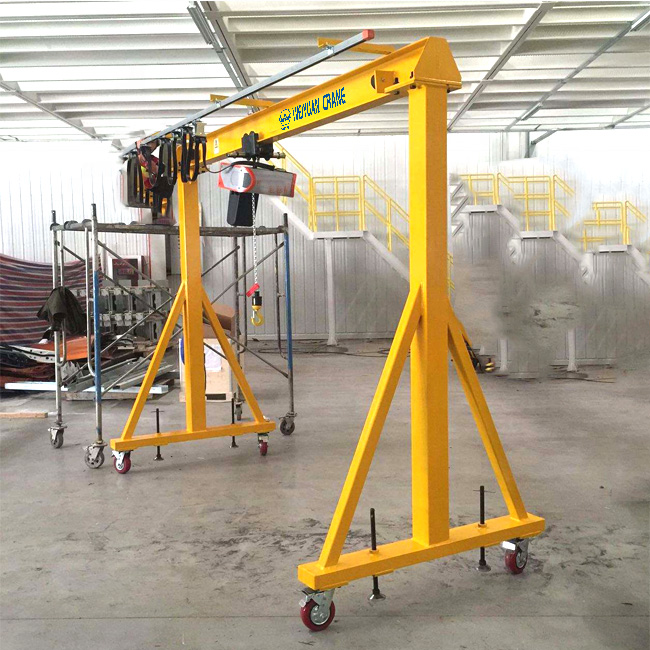
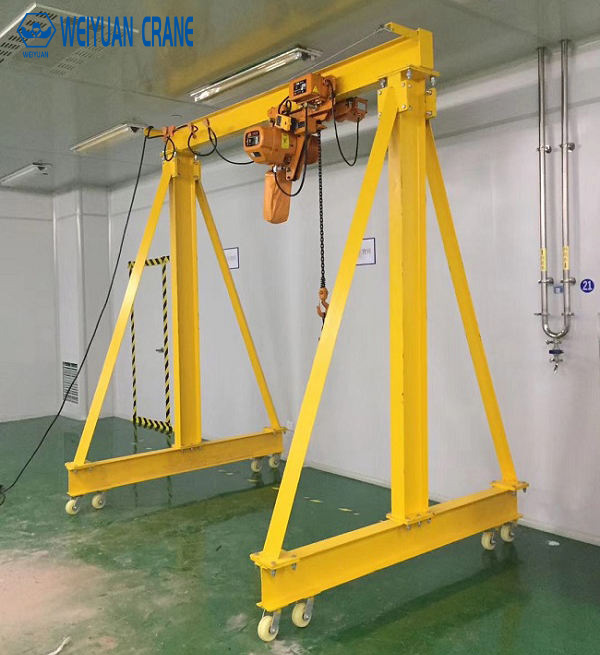
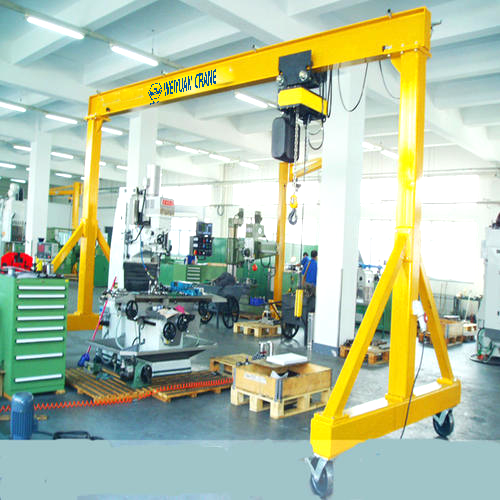
By deploying localized, trackless wheeled gantry systems at specific high-demand workstations, you eliminate this waiting game. The assembly team has immediate access to their own lifting power. They can perform their tasks continuously without interrupting the broader facility workflow. This tiered approach to lifting—using localized systems for micro-movements and facility-wide systems for macro-movements—drastically increases your overall throughput.
Strategic Deployment for Maximum Throughput
To get the highest return on your investment, you must deploy your equipment strategically. The unique mobility and structural independence of a gantry system make it incredibly versatile across a wide range of industrial environments.
Optimizing Outdoor Yard Logistics
Expansive outdoor operations, such as shipyards, rail terminals, and precast concrete facilities, demand massive lifting power over vast areas. You cannot build a roof over a ten-acre shipping yard just to support a crane runway.
For these environments, heavy-duty rail-mounted Gantry Cranes are the ultimate productivity engine. These massive machines travel along steel rails embedded in the concrete yard. They provide a highly predictable, high-speed travel path for loading and unloading freight. Because they span wide areas, they can easily straddle multiple rail cars and truck lanes simultaneously. A single operator can lift a shipping container from a train and place it directly onto a waiting flatbed truck in minutes, eliminating the need for intermediary handling equipment.
Indoor-Outdoor Hybrid Workflows
Many manufacturing processes require moving materials between indoor fabrication bays and outdoor storage yards. Transporting a twenty-ton steel beam from the yard into the shop using specialized heavy-duty forklifts is slow, dangerous, and requires wide, clear aisles.
A track-mounted gantry system can easily bridge this indoor-outdoor divide. The rails can extend from the outdoor storage yard directly into the production facility through large industrial doors. The crane can pick up raw materials outside, carry them smoothly indoors, and deposit them exactly where the machining centers need them. This seamless transition drastically cuts down handling time and minimizes the risk of dropping heavy loads during equipment transfers.
Technological Advancements Driving Efficiency
Modern industrial lifting equipment is no longer just brute mechanical force. It is driven by sophisticated electrical engineering and smart software designed to optimize every second of the lifting cycle.
Variable Frequency Drives (VFDs) for Speed and Precision
Older lifting systems utilized simple single-speed or two-speed contactor controls. When the operator pressed the button, the motor engaged instantly at full power. This sudden burst of energy caused heavy loads to jerk violently and swing like a pendulum, forcing the operator to wait for the load to settle before placing it down safely.
Today, high-productivity lifting systems rely on Variable Frequency Drives (VFDs). A VFD controls the frequency of the electrical power sent to the hoist, trolley, and travel motors. This provides infinitely variable speed control. The operator can slowly and smoothly accelerate a heavy load, move it swiftly across the yard, and then gently decelerate it to a precise stop. This eliminates the pendulum effect entirely. By removing the wait time associated with swinging loads, operators can complete their tasks much faster and with millimeter-level precision.
Smart Anti-Sway and Automation Integration
The drive for ultimate productivity has led to the integration of smart anti-sway technology. Using advanced algorithms and sensors, the crane’s onboard computer automatically detects load swing and makes micro-adjustments to the travel speed to counteract the motion. The operator simply moves the joystick to the destination, and the crane handles the complex physics of keeping the load perfectly stable.
Furthermore, many modern operations are integrating these systems into automated workflows. In specialized manufacturing and logistics, automated Gantry Cranes (often referred to as ASG cranes) operate without human intervention. They receive coordinates directly from the facility’s Warehouse Management System (WMS), locate the inventory, and transport it to the shipping dock with robotic precision. This allows for continuous, 24/7 operations, maximizing throughput without increasing labor costs.
Safety as a Productivity Multiplier
Many facility managers mistakenly view safety protocols as a hindrance to speed. In reality, safety is a massive productivity multiplier. An unsafe lifting operation inevitably leads to dropped loads, damaged inventory, severe injuries, and prolonged facility shutdowns.
When operators feel confident in their equipment, they work faster and more efficiently. Modern freestanding cranes are packed with safety features designed to maintain a high-tempo workflow without compromising security.
Intelligent Sensors and Overload Protection
To maintain an authoritative and trustworthy safety environment, your equipment must adhere to rigorous standards like OSHA and ASME. Modern systems help you maintain this compliance automatically.
Advanced load cells constantly monitor the weight on the hook. If an operator accidentally attempts to lift a load that exceeds the crane’s rated capacity, the system automatically cuts power to the hoist motor, preventing structural failure. Additionally, laser collision avoidance systems continuously scan the travel path. If they detect a vehicle, a worker, or another crane on the runway, they automatically decelerate and stop the equipment. This prevents catastrophic accidents in busy, high-traffic industrial yards.
Measuring the ROI of Your Lifting Equipment
To truly understand how these systems boost your bottom line, you must measure their impact using concrete data. You cannot improve what you do not track.
Start by measuring your load cycle times. Track exactly how long it takes to move raw materials from the receiving dock to the first stage of production. Next, measure your equipment utilization rates. Are your current overhead cranes in constant use, causing a backlog? Are your operators spending hours waiting for heavy-duty forklifts to become available?
By calculating the cost of this idle labor and delayed production, you can easily justify the capital expenditure of a dedicated gantry system. In high-volume operations, the ability to eliminate bottlenecks and streamline heavy logistics often results in a complete return on investment within the first two years of deployment.