


Electric Chain Hoist Buying Guide: How to Choose the Right Hoist for Your Facility

Choosing the right electric hoist is one of the most important procurement decisions you’ll make for your facility. The wrong unit can mean costly downtime, safety risks, and repairs that eat into your budget. The right one keeps production moving, protects your team, and delivers years of reliable service. This guide breaks down the key factors procurement professionals and plant managers should weigh before signing off on a purchase.
Understanding the Types of Electric Hoists
Not every lifting job calls for the same equipment. The most common options are the electric chain hoist and the wire rope hoist. Chain hoists are compact, easy to maintain, and ideal for loads up to around 20 tons. They work well in tight spaces and lighter-duty applications. Wire rope hoists handle heavier loads and longer lifts, making them a fit for large fabrication shops and high-capacity overhead hoist systems.
For most workshops, assembly lines, and maintenance bays, an electric chain hoist offers the best balance of cost, footprint, and reliability.
Load Capacity Considerations
Start by matching capacity to your real-world needs—not just your maximum load. Buying a hoist rated too low leads to premature wear and safety violations. Buying one rated far too high wastes budget.
Consider your typical lift weight, your heaviest occasional lift, and your duty cycle (how often the hoist runs). A high duty cycle in mining or steel work demands a more robust industrial hoist than an occasional lift in a maintenance area. A reliable chain hoist manufacturer can help you size the unit to your exact operation.
Safety Features That Protect Your Operation
Safety features aren’t optional extras—they directly affect uptime, compliance, and worker protection. Look for these as standard:
- Overload protection: Automatically cuts power at around 110% of rated load, preventing damage and dangerous lifts.
- Upper and lower limit switches: Stop the hook from over-travelling, protecting both the load and the equipment.
- Failsafe disc brake: Holds the load securely with zero drift, even during a power loss.
These features reduce accident risk and help you meet workplace safety standards across regions.
The Benefits of VFD Variable Speed
A Variable Frequency Drive (VFD) gives you smooth, jolt-free starts and stops. Instead of a sudden jerk, the load moves gradually, which protects your goods and reduces stress on the hoist.
For precision work—like positioning components on an automotive line—VFD control lets operators place loads exactly where they need to go. The result is fewer errors, less material damage, and better equipment uptime over the long run.
Weatherproofing and Certification
If your hoist operates in dusty, humid, or harsh environments, check the IP rating. An IP55 weatherproof rating means the unit resists dust and water jets, making it suitable for chemical plants, mining sites, and outdoor work.
Equally important is certification. A CE-certified hoist confirms compliance with EU machinery safety standards, giving you confidence in build quality and reducing compliance headaches during audits or inspections.
Matching Hoists to Your Industry
Different industries place different demands on lifting equipment:
- Automotive assembly: Needs precise positioning and smooth VFD control.
- Steel fabrication: Requires high capacity and a high duty cycle.
- Chemical plants: Benefit from weatherproof and corrosion-resistant builds.
- Mining operations: Demand rugged, durable units for tough conditions.
- Offshore platforms: Call for sealed, weather-resistant equipment.
Identifying your application early helps you specify the right features without overpaying for ones you don’t need.
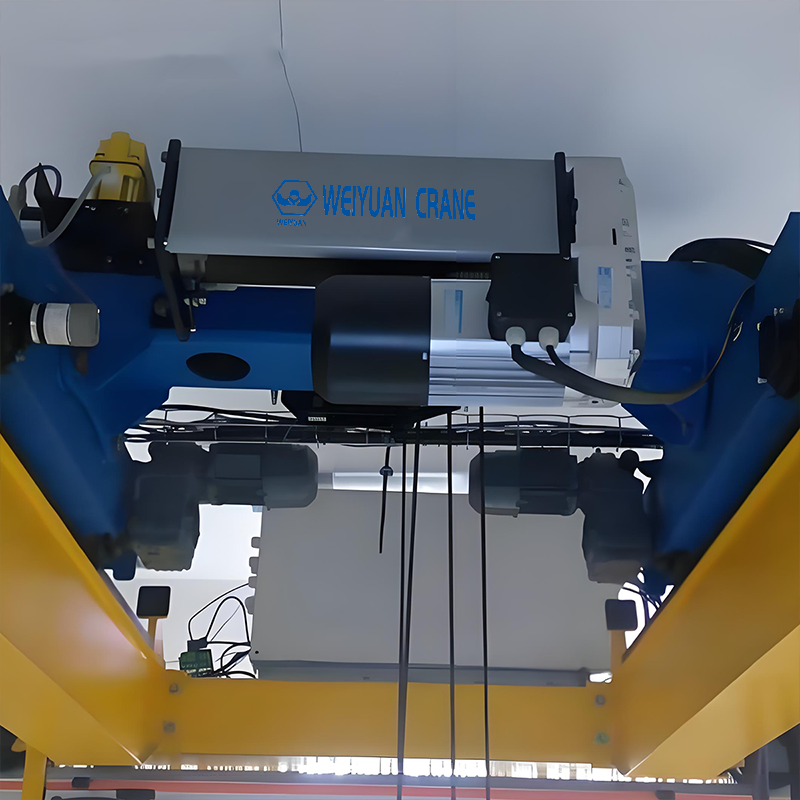
Making the Right Choice
The best electric chain hoist for your facility is the one matched to your loads, environment, and duty cycle. Focus on proven safety features, the right capacity, and certifications that simplify compliance. Partnering with an experienced chain hoist manufacturer ensures you get equipment engineered around your operation—not a generic, one-size-fits-all unit.
A smart purchase today means lower maintenance costs, fewer disruptions, and stronger equipment uptime for years to come.