


How Electric Hoists Revolutionize Material Handling
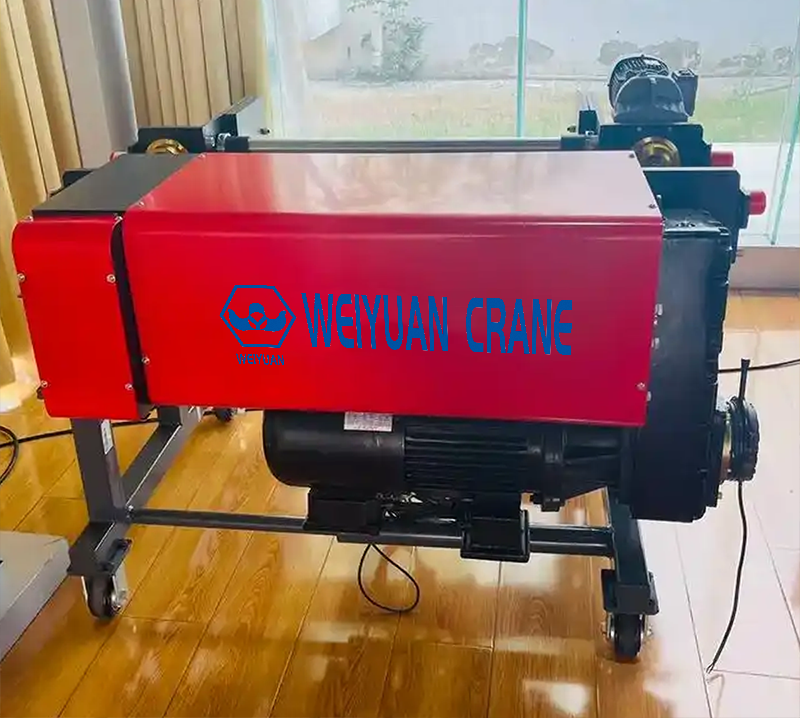
Moving heavy materials safely and quickly defines the success of modern industrial operations. Relying on manual labor or outdated mechanical pulleys drastically slows down production and puts workers at risk. Companies constantly seek smarter, safer, and more efficient ways to handle massive loads.
Upgrading your lifting infrastructure offers a direct solution to these common operational bottlenecks. Implementing motorized lifting systems changes the fundamental dynamics of how a facility operates. Workers complete tasks faster, facility throughput increases, and workplace injuries plummet.
This post explores the transformative impact of motorized lifting equipment across major industrial sectors. We will examine specific applications in manufacturing, warehousing, and construction. You will learn exactly how these systems improve efficiency, elevate safety standards, and drive long-term productivity.
The Shift Away from Manual Lifting
For decades, industries relied heavily on physical human labor and simple mechanical advantages to move heavy goods. Workers used manual chain blocks or basic lever systems to lift engine blocks, steel beams, and concrete forms. This approach required immense physical exertion and consumed vast amounts of valuable production time.
Manual lifting also restricted the overall capacity of a facility. A team of workers can only lift so much weight before fatigue sets in. This limitation forced production managers to break down materials into smaller, lighter batches. Processing these smaller batches added unnecessary steps to the workflow, ultimately reducing the facility’s overall output and profitability.
The introduction of the modern electric hoist completely disrupted this outdated model. By replacing human physical exertion with consistent, predictable motor power, facilities instantly unlocked higher production capacities. Operators could now lift massive, consolidated loads with the simple push of a button. This shift from manual effort to motorized power marks one of the most significant leaps forward in industrial efficiency.
Transforming the Manufacturing Sector
Manufacturing facilities demand precision, speed, and continuous operation. Assembly lines must keep moving, and raw materials must reach machining centers exactly when needed. Motorized lifting equipment plays a vital role in maintaining this delicate operational rhythm.
Empowering Assembly Line Workers
In heavy manufacturing, workers routinely handle parts weighing hundreds or thousands of pounds. Moving an automotive chassis or a commercial HVAC unit manually is dangerous and slow. Localized motorized lifting stations allow individual operators to handle these massive components entirely on their own.
This autonomy completely changes the assembly line dynamic. Workers no longer need to halt production to ask a colleague for lifting assistance. They can lift, rotate, and position heavy parts smoothly and independently. This uninterrupted workflow significantly increases the number of units a team can assemble during a standard shift.
Precision Loading for Machining Centers
CNC machines and metal stamping presses require constant loading and unloading. Dropping a heavy metal billet onto a precision machine bed can destroy expensive tooling and cause weeks of downtime. Motorized lifting equipment provides the exact control necessary to prevent these costly accidents.
Many systems feature variable frequency drives that allow operators to adjust the lifting speed dynamically. A worker can move a heavy casting quickly across the floor, then slow the descent to a crawl when positioning it onto the machine fixture. This high degree of precision ensures perfect alignment, protects expensive machinery, and speeds up the entire machining process.
Optimizing Warehousing and Logistics
Distribution centers and warehouses thrive on continuous material flow. Every delay at the loading dock or staging area creates a ripple effect that disrupts the entire supply chain. Integrating motorized lifting solutions accelerates these critical transfer points.
Accelerating Loading Dock Operations
Loading docks frequently handle oversized or awkwardly shaped freight that standard forklifts cannot safely manage. Long steel pipes, heavy industrial machinery, and massive spools of wire require specialized handling. Motorized lifting systems installed directly over the dock doors solve this problem instantly.
Workers can safely attach rigging to the heavy freight and lift it straight from the staging floor into the back of a waiting transport truck. This eliminates the need for complex forklift maneuvers and reduces the risk of damaging the product during the loading process. Trucks spend less time idling at the dock, allowing the facility to process more outbound shipments every day.
Streamlining Staging and Sorting
Large warehouses often utilize conveyor networks to move standard pallets. However, workers eventually need to remove heavy items from these conveyors for sorting, packaging, or custom palletizing. Relying on manual lifting for these transfer tasks severely limits the speed of the sorting process.
Installing localized lifting equipment at these transfer stations removes the bottleneck. An operator uses the equipment to lift heavy crates effortlessly off the conveyor and onto an outbound shipping pallet. This smooth transition keeps the main conveyor system running at full speed and prevents materials from backing up into the main facility.
Enhancing Construction and Heavy Industry
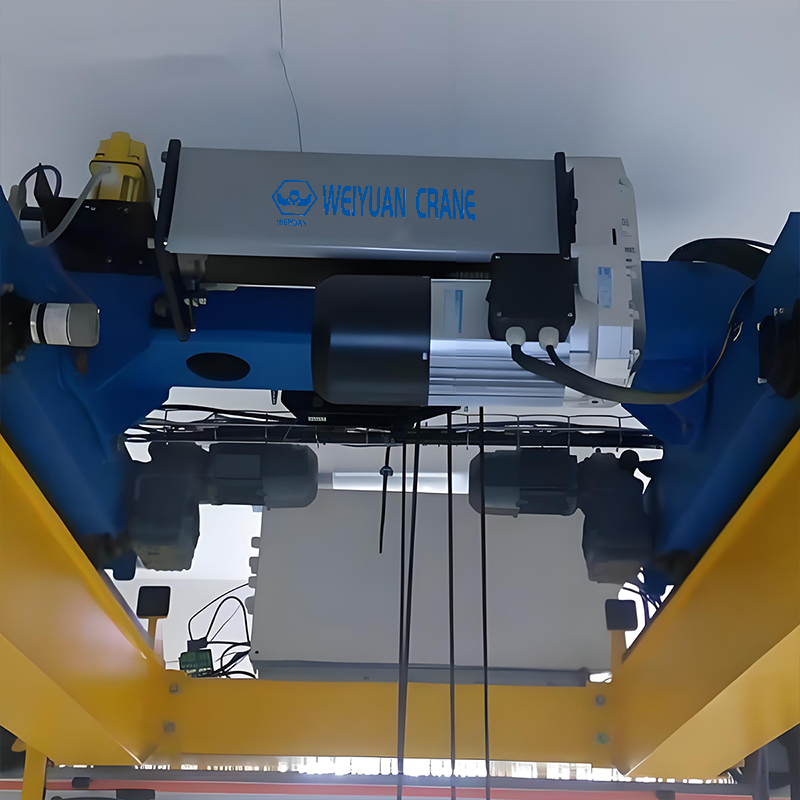
The construction industry presents some of the most challenging material handling environments in the world. Weather conditions, uneven terrain, and massive structural components push equipment to its absolute limits. Motorized lifting solutions deliver the rugged durability required to survive these demanding sites.
Managing Structural Components Safely
Building a modern high-rise or a steel bridge requires moving massive steel I-beams and concrete panels. Mobile cranes handle the primary lifting, but localized lifting systems manage the ground-level staging and fabrication. Ironworkers use these systems to position heavy steel plates precisely for complex welding procedures.
Because the equipment handles the massive physical weight, the welders can focus entirely on the quality of their welds. This ensures the structural integrity of the final building while keeping the construction schedule firmly on track.
Rugged Durability in Harsh Conditions
Standard indoor manufacturing equipment fails quickly on an active construction site. Rain, freezing temperatures, and airborne dust destroy sensitive electronics and cause raw steel to rust. Fortunately, manufacturers design specialized outdoor lifting equipment to combat these specific hazards.
A heavy-duty outdoor electric hoist features weather-sealed electrical enclosures and corrosion-resistant metal components. These rugged systems easily survive the punishing elements of an active job site. Construction managers rely on this equipment to keep materials moving, knowing it will perform consistently regardless of the environmental conditions.
The Core Benefits: Efficiency, Safety, and Productivity
Regardless of the specific industry, implementing motorized lifting equipment yields universal benefits. Facility managers who invest in this technology see immediate improvements across all vital operational metrics.
Drastically Improved Operational Efficiency
Motorized lifting equipment operates at consistent, rapid speeds that human workers cannot maintain. A task that might take ten minutes of careful manual lifting takes only thirty seconds with motorized power. These minor time savings compound dramatically over a busy month.
Furthermore, these systems allow facilities to optimize their valuable floor space. Because the equipment operates overhead, it requires virtually zero floor footprint. This frees up wide aisles that were previously required for forklift traffic, allowing managers to install more production equipment and increase the facility’s overall capacity.
Elevating Workplace Safety Standards
Manual lifting remains one of the leading causes of severe workplace injuries. Back strains, muscle tears, and spinal compression cost companies millions in workers’ compensation claims and lost productivity. Motorized equipment eliminates this physical strain completely.
Modern systems also feature advanced fail-safe braking mechanisms. If the facility loses power mid-lift, the brakes engage instantly, holding the heavy load securely in mid-air. Overload clutches prevent operators from attempting to lift loads that exceed the system’s structural capacity. These integrated safety features protect your workforce and prevent catastrophic accidents.

Weiyuan 1 Ton Remote Control Monorail Electric Hoist
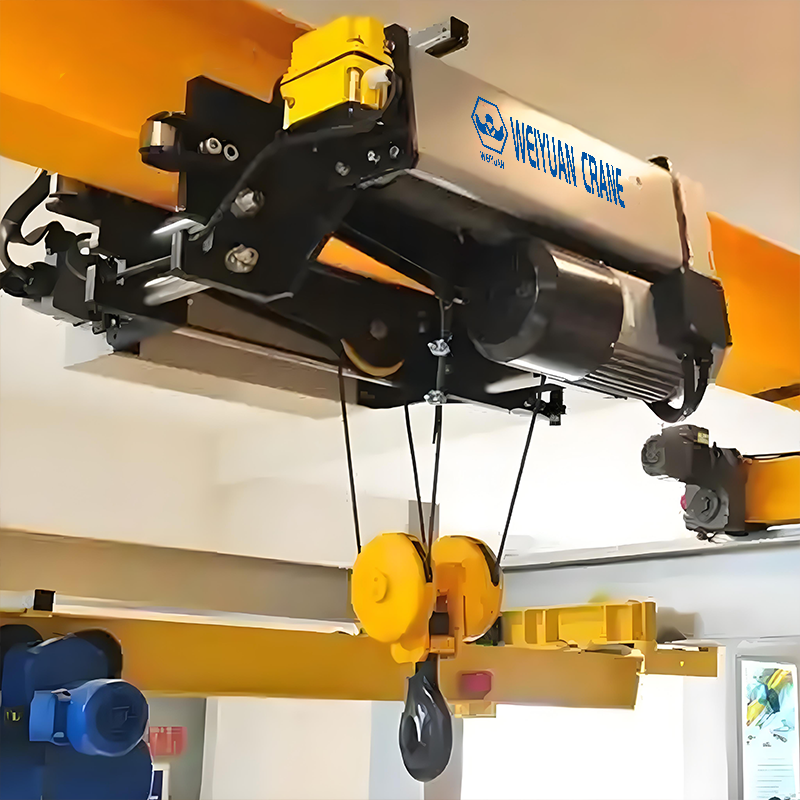
The Weiyuan 1 Ton Remote Control Monorail Electric Hoist is designed for efficient material handling in workshops, warehouses, and light industrial environments. Equipped with wireless remote control and a monorail trolley system, it ensures precise load positioning, smooth travel, and safe lifting operations up to 1 ton.
View Product / Get QuoteDriving Long-Term Productivity
A healthy, rested workforce operates much more effectively than a fatigued one. By removing the physical burden of material handling, workers remain alert and focused throughout their entire shift. This reduction in fatigue leads directly to higher quality work and fewer manufacturing errors.
Additionally, the reliability of motorized lifting equipment prevents unexpected downtime. When you maintain the equipment properly, it delivers decades of consistent performance. This predictable reliability allows production managers to schedule aggressive manufacturing targets, knowing their material handling infrastructure will not let them down.
Frequently Asked Questions (FAQ)
What maintenance is required for motorized lifting equipment?
Routine maintenance is straightforward but critical. You must regularly inspect the lifting chain or wire rope for signs of wear, fraying, or stretching. The internal gears require periodic lubrication, and you must routinely test the limit switches and braking mechanisms. Safety regulations also mandate a comprehensive annual inspection by a certified technician.
How do I choose the correct capacity for my facility?
You must calculate the weight of the absolute heaviest single item you plan to lift. Add the weight of any specialized rigging, spreader bars, or lifting magnets you will attach to the hook. Always select a system with a maximum capacity that exceeds your heaviest total load by at least twenty percent to ensure optimal safety and prevent equipment strain.
Can these systems handle delicate or fragile materials?
Yes, provided you select equipment with variable speed controls. Variable frequency drives allow operators to start the lift extremely slowly, preventing sudden jerks that might damage delicate materials. This technology allows operators to position fragile components with millimeter precision.
Are motorized lifting systems difficult to install?
Installation complexity depends entirely on your existing infrastructure. Light-duty models simply clip onto existing overhead beams and plug into standard electrical outlets. Heavy-duty industrial models require specialized mounting hardware, dedicated high-voltage electrical wiring, and professional installation to ensure absolute structural safety.