


How to Choose the Perfect Gantry Crane: A Comprehensive Buying Guide
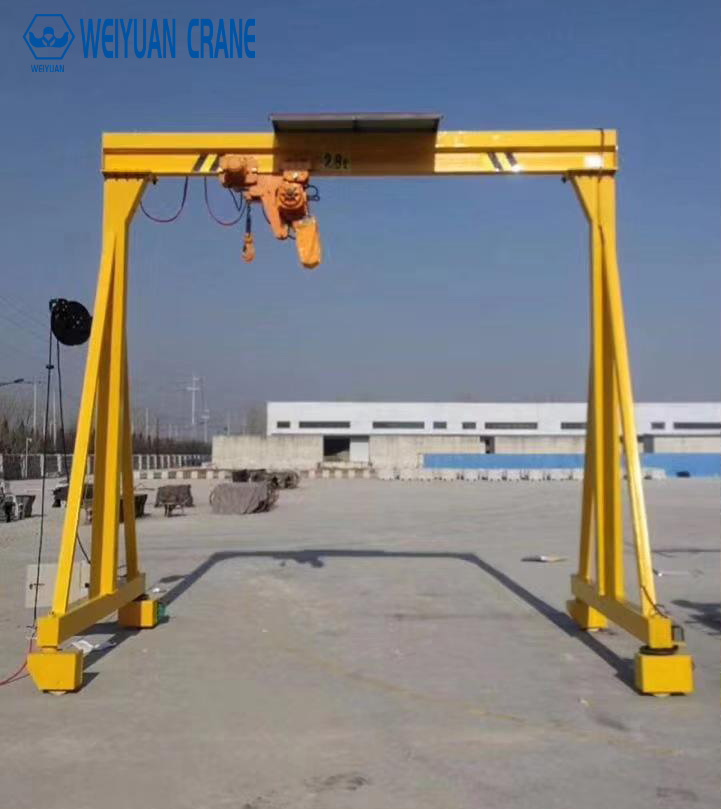
Moving massive loads across your facility presents a significant logistical challenge. Relying on inadequate equipment slows down production lines and puts your workers at serious risk of injury. You need a robust, reliable lifting solution that fits your specific operational workflow without requiring permanent building modifications.
This guide removes the guesswork from selecting your next heavy-duty lifting system. We will walk you through the essential factors you must evaluate before making a purchase. You will learn how to assess your true capacity needs, choose the right materials, and evaluate structural mobility.
By the end of this comprehensive guide, you will have a clear roadmap for purchasing the ideal system. You will know exactly what questions to ask suppliers and how to ensure your new equipment meets strict safety regulations. Let us dive into the critical components of a smart lifting investment.
Assessing Your Load Capacity Needs
The foundation of your purchasing decision rests on how much weight you actually need to lift. Capacity dictates the engineering of the entire system, from the thickness of the support beams to the type of casters required. Guessing your capacity needs often leads to disastrous structural failures or wasted capital.
Calculating the Maximum Weight
You must determine the absolute heaviest item your operators will handle. However, calculating capacity involves more than just weighing the raw material or machinery. You must factor in the weight of the hoist, the trolley, and any below-the-hook attachments.
Attachments like spreader bars, lifting magnets, and heavy-duty slings add significant weight to the overall lift. If your heaviest engine block weighs two tons, but your motorized hoist and rigging weigh an additional 800 pounds, a two-ton capacity system will fail. Engineers typically recommend adding a 20 percent safety margin to your maximum calculated load.
Factoring in Dynamic Loads and Future Growth
Static weight sitting on the floor differs greatly from dynamic weight moving through the air. When an operator suddenly stops a descending load or jerks the hoist upward, it creates dynamic forces. These forces multiply the stress placed on the structural beams and support legs.
Furthermore, you must look ahead to your future production goals. Buying equipment that barely meets your current requirements leaves zero room for business expansion. If you anticipate handling larger components in the next five years, invest in a higher capacity system today. Upgrading a hoist is simple, but replacing an entire structural frame is incredibly expensive.
Selecting the Right Material for Your Environment
Manufacturers build lifting systems from different materials to suit specific environmental conditions. The environment where your equipment operates directly impacts its lifespan and structural integrity. You must choose a material that withstands your daily operational hazards.
The Strength of Steel
Steel remains the undisputed champion for heavy-duty industrial lifting. A structural steel Gantry Crane easily handles capacities exceeding 15 tons. Manufacturers use high-grade steel to resist the immense bending forces generated when a massive load hangs at the center of the crossbeam.
Steel systems thrive in indoor manufacturing plants, heavy machinery repair shops, and standard warehousing environments. However, raw steel rusts quickly if exposed to moisture. If you plan to use a steel system outdoors or in a wash-down facility, you must specify specialized protective coatings. Hot-dip galvanizing or heavy-duty epoxy paints protect the steel from corrosive elements.
The Lightweight Advantage of Aluminum
Not every lifting task requires massive steel beams. Aluminum systems offer a brilliant alternative for facilities that prioritize mobility and portability. Because aluminum weighs significantly less than steel, one or two workers can easily push the unloaded frame across the factory floor.
Aluminum naturally resists corrosion, making it perfect for cleanrooms, food processing facilities, and damp environments. While they cannot match the extreme weight capacities of steel, high-quality aluminum models safely lift up to three tons. They are highly favored by HVAC technicians and maintenance crews who need to assemble and disassemble the equipment frequently.
Evaluating Mobility and Adjustability
One of the greatest advantages of a freestanding lifting system is its mobility. You are not locked into a permanent overhead track. However, you must decide how much adjustability your daily operations truly require.
Fixed vs. Adjustable Heights
Fixed-height models offer the greatest structural rigidity. Because the legs do not feature telescoping joints, they handle the heaviest possible loads with zero sway. If your facility has tall, unobstructed ceilings and you only lift standard-sized pallets, a fixed-height system provides excellent stability.
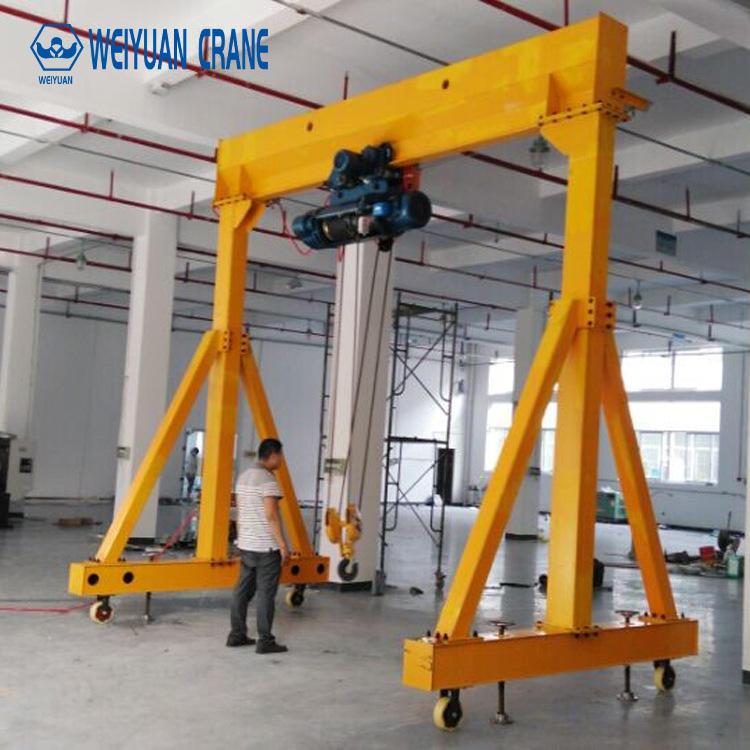
Adjustable-height models feature telescoping support legs secured with heavy-duty locking pins. This design allows operators to raise the crossbeam to clear tall machinery or lower it entirely to roll the unit through standard warehouse doorways. If your workflow requires moving the lifting station between different rooms with varying ceiling heights, an adjustable model is absolutely essential.
Casters and Track Mounting Options
The type of wheels you select determines how easily the frame moves across your specific flooring. Polyurethane casters are the standard choice for smooth concrete floors. They roll quietly, resist chemical spills, and will not damage epoxy floor coatings.
If your floor features cracks, expansion joints, or uneven concrete, you need pneumatic or heavy-duty pneumatic-profile solid tires. These tires absorb shocks and roll smoothly over rough terrain. Alternatively, for high-capacity systems that follow a strict, repetitive path, you can mount the equipment on fixed steel floor tracks using flanged V-groove wheels.
Addressing Industry-Specific Requirements
Different industries face unique material handling challenges. A system designed for a standard warehouse will quickly fail in a busy shipyard or a sterile laboratory. You must tailor your equipment specifications to your exact industry standards.
Indoor Manufacturing and Cleanrooms
In precision manufacturing, operators need total control over load placement. You should specify dual-speed or variable-frequency drive hoists. These advanced controllers allow workers to lower delicate metal billets into tight CNC machine fixtures without causing impact damage.
If your facility operates a certified cleanroom, standard grease and flaking paint are strictly prohibited. You must choose food-grade or pharmaceutical-grade lifting systems. These models feature enclosed track designs that prevent dust accumulation, stainless steel hardware, and specialized food-grade lubricants that will not contaminate your products.
Outdoor Fabrication and Shipyards
Outdoor environments destroy standard indoor equipment. Rain, freezing temperatures, and airborne salt aggressively attack sensitive electrical components and exposed metal. If your equipment lives outside, you must demand extreme weatherproofing.
Specify NEMA 4 or IP65 rated electrical enclosures to keep water out of the control boxes. The hoist motors should feature internal space heaters to prevent condensation buildup during freezing nights. The structural frame itself must feature an industrial-grade outdoor paint system or full galvanization to survive years of brutal weather conditions.
Ensuring Compliance with Safety Standards
Safety remains the highest priority when moving heavy materials over your employees’ heads. Purchasing a cheap, uncertified lifting system exposes your company to massive legal liabilities and tragic workplace accidents. You must ensure your new equipment meets all relevant safety regulations.
OSHA and CMAA Guidelines
In the United States, the Occupational Safety and Health Administration (OSHA) sets strict operational and structural guidelines for material handling equipment. Your chosen manufacturer must design the system to comply with OSHA standards. Additionally, the equipment should meet the specifications outlined by the Crane Manufacturers Association of America (CMAA).
Ask your supplier for detailed engineering documentation before making a purchase. You should receive certified structural drawings and specific duty-cycle ratings. If a supplier cannot provide these engineering documents, you should immediately look for a different manufacturer.
Mandatory Testing and Inspections
Buying certified equipment is only the first step. Every new Gantry Crane must undergo a documented load test after assembly, but before any worker uses it for production. This test proves that the assembled structure and the hoist can safely handle their rated capacities under real-world conditions.
Furthermore, you must establish a strict preventative maintenance protocol. Operators must perform visual inspections before every shift, checking for frayed hoist cables and damaged caster locks. A certified third-party inspector must also evaluate the entire system thoroughly at least once a year to maintain compliance with federal safety laws.
How to Evaluate Suppliers and Manufacturers
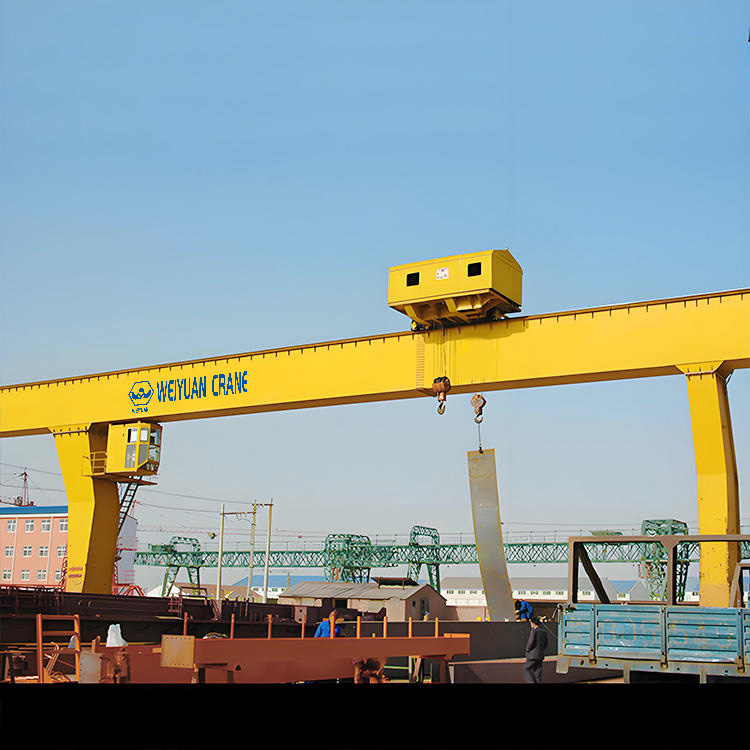
Weiyuan L-Shape Leg Walk Gantry Crane | Manufacturer Direct, Enhanced Mobility
The Weiyuan L-Shape Leg Walk Gantry Crane is a high-performance single-girder gantry crane with a distinctive L-shaped leg design that offers superior clearance for long and oversized loads, and smooth “walk” travel on ground rails — direct from the manufacturer for competitive pricing and reliable quality. :contentReference
View Product / Get QuoteThe manufacturer you choose matters just as much as the equipment specifications. You are purchasing a critical piece of industrial infrastructure, and you need a supplier who stands behind their product. Thoroughly vetting your potential partners prevents massive headaches down the road.
Checking Track Records and Warranties
Look for manufacturers with a proven history in the material handling sector. Companies that specialize specifically in lifting systems generally produce higher quality equipment than general industrial catalogs. Ask the supplier for case studies or references from businesses in your specific industry.
Carefully review the warranty terms before signing a purchase order. A high-quality structural steel frame should carry a warranty lasting several years, while the motorized hoist components typically carry a one-to-two-year guarantee. Ensure the warranty covers both parts and the labor required to replace defective components.
Post-Sale Support and Parts Availability
Industrial equipment requires replacement parts eventually. Brake pads wear down, contactors fail, and casters sustain damage. Your supplier must maintain a robust inventory of spare parts and offer rapid shipping options.
A cheaper initial purchase price means absolutely nothing if your production line sits idle for six weeks waiting on a replacement gear from overseas. Choose a supplier with a strong domestic presence and a dedicated technical support team. When your equipment goes down, you need a partner who answers the phone and provides immediate solutions.
Frequently Asked Questions (FAQ)
Can I push a loaded system across my facility floor?
Generally, you should never move the equipment while it supports a heavy, suspended load. The casters are designed for repositioning the empty structural frame between workstations. Moving a loaded system creates severe tipping hazards and places dangerous side-load stress on the vertical support legs.
What is the difference between single-girder and double-girder designs?
Single-girder models feature one main horizontal crossbeam supporting an underhung hoist. They are lighter, highly cost-effective, and perfect for light-to-medium capacities. Double-girder models use two parallel horizontal beams with a top-running hoist. This design provides maximum hook height and structural stability for exceptionally heavy, high-capacity lifting.
How do I stop the equipment from moving during a lift?
High-quality casters feature heavy-duty locking mechanisms. Most systems utilize a combination of swivel locks, which stop the wheel from turning left or right, and wheel brakes, which stop the wheel from rolling forward or backward. You must engage all caster locks firmly before initiating any lift.
Does this equipment require a special concrete foundation?
Unlike permanent freestanding pillar systems, these mobile units distribute their weight across four separate points on the floor. Most standard industrial concrete slabs can easily support light-to-medium capacity models. However, for systems rated at ten tons or higher, a structural engineer should verify your floor thickness to prevent the concrete from cracking under point-load pressure.