


Top 5 Benefits of Using Electric Hoists in Industrial Operations
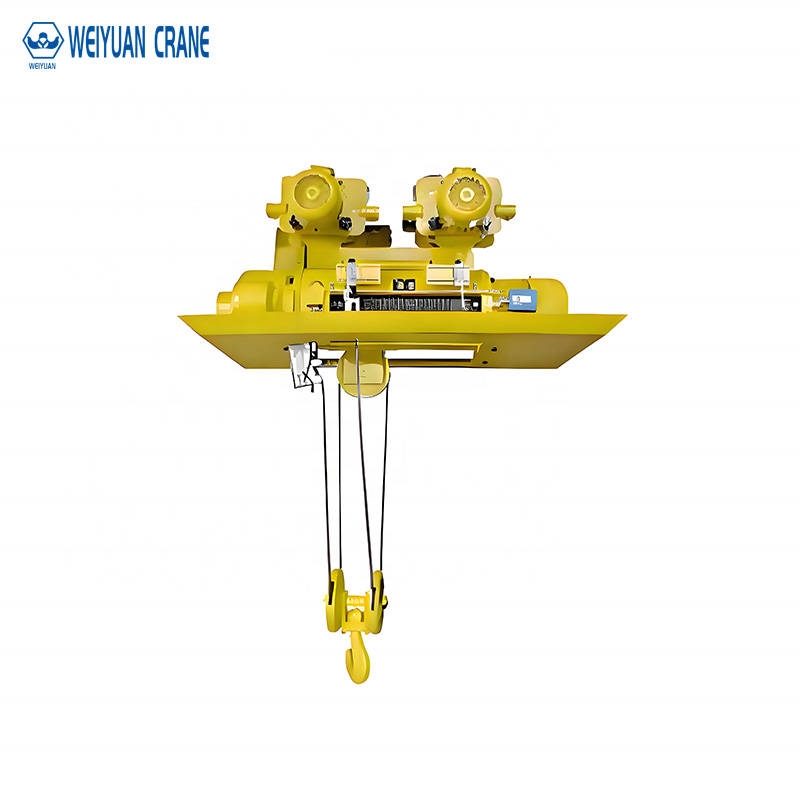
Lifting heavy materials safely and efficiently remains a core challenge for manufacturing plants, warehouses, and construction sites. Relying on manual labor or outdated equipment slows down production lines and puts workers at significant risk of injury. Facility managers must implement modern material handling solutions to maintain high productivity levels while protecting their workforce. Upgrading your lifting equipment provides a direct path to achieving these critical operational goals.
This guide breaks down the most significant advantages of integrating motorized lifting solutions into your daily workflow. We will explore how these systems enhance operational speed, protect your employees, and provide a strong return on investment. By understanding these core benefits, you can make an informed decision about upgrading your facility’s material handling infrastructure.
1. Unmatched Operational Efficiency and Speed
Time directly translates to revenue in any industrial setting. When workers spend valuable minutes wrestling with manual chain blocks or waiting for shared facility cranes, production output drops. Motorized lifting equipment eliminates these bottlenecks entirely.
Accelerating Production Timelines
An electric hoist operates at consistent, predictable speeds that manual lifting simply cannot match. Workers press a button and lift heavy engine blocks, steel beams, or massive pallets in seconds. This rapid lifting capability keeps assembly lines moving fluidly. When operators do not have to exert physical energy to lift components, they can focus entirely on the precision and quality of their actual assembly tasks.
Continuous Operation Capabilities
Heavy-duty industrial lifting systems feature high duty cycles. This means they can run continuously throughout a busy shift without overheating or requiring long cooldown periods. In a high-volume manufacturing plant, this continuous availability is crucial. Multiple shifts can utilize the equipment seamlessly, ensuring your production numbers remain consistently high around the clock.
Reducing Workflow Bottlenecks
Placing localized motorized hoists at individual workstations prevents workers from waiting on large overhead bridge systems. This decentralized approach to material handling means multiple tasks happen simultaneously across the factory floor. The resulting workflow improvements dramatically increase the overall throughput of your entire facility.
2. Significantly Enhanced Workplace Safety
Industrial environments present numerous physical hazards. Manual lifting causes thousands of severe musculoskeletal injuries every year, resulting in costly workers’ compensation claims and massive losses in productivity. Protecting your team is both a moral obligation and a smart business practice.
Eliminating Physical Strain
Using motorized lifting equipment removes the physical burden from your operators. Instead of pulling heavy chains or straining to manipulate bulky loads, workers use an ergonomic pendant control or a wireless remote. This mechanical advantage eliminates back injuries, shoulder strains, and chronic fatigue. A healthy, rested workforce remains alert, reducing the likelihood of secondary workplace accidents.
Built-In Safety Mechanisms
Modern lifting systems come engineered with robust safety features that prevent catastrophic failures. Advanced braking mechanisms automatically engage the moment the operator releases the control button, holding the suspended load securely in place. If a power outage occurs, these fail-safe brakes prevent the load from dropping.
Additionally, most units include upper and lower limit switches. These sensors prevent the operator from raising the hook too high and damaging the motor or lowering it too far and spooling the wire rope incorrectly. Overload clutches also play a vital role, completely halting the lifting process if an operator attempts to lift a load that exceeds the equipment’s maximum rated capacity.
Safe Distance Operation
Wireless remote controls allow operators to stand well clear of the suspended load. If a load shifts unexpectedly or a rigging sling snaps, the operator remains safely out of the danger zone. This physical separation between the worker and the heavy material represents a massive leap forward in industrial safety protocols.
3. Exceptional Cost-Effectiveness and ROI
Many facility managers hesitate to upgrade their material handling equipment due to the initial purchase price. However, evaluating the total cost of ownership reveals that motorized lifting systems pay for themselves very quickly.
Reducing Labor Costs
Manual lifting often requires two or three workers to safely manage a heavy component. A motorized system allows a single operator to handle the exact same task independently. You can reassign those extra workers to more productive tasks, maximizing the value of your labor force and significantly reducing operational costs over time.

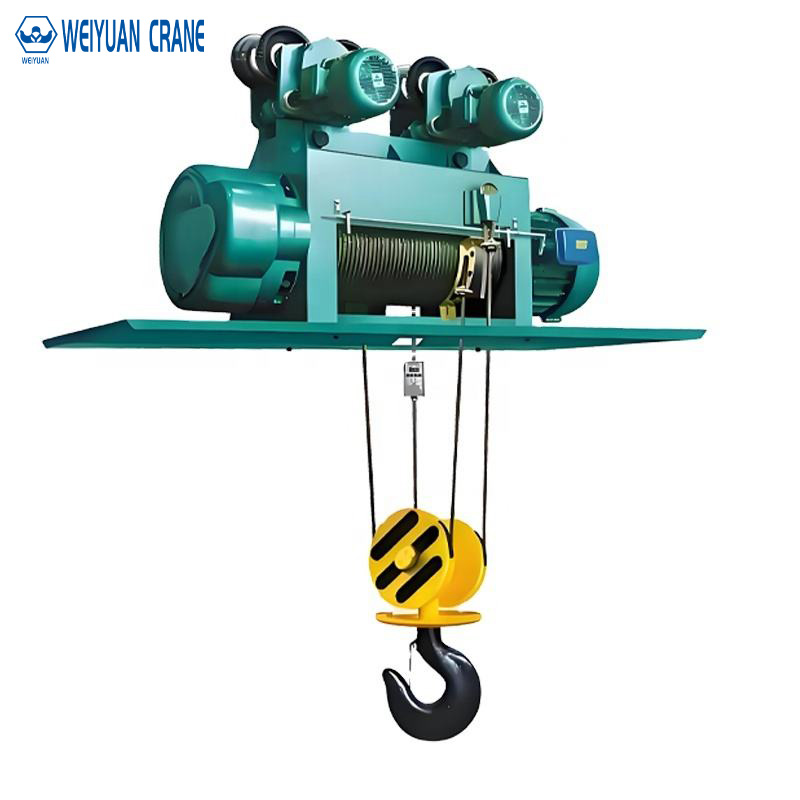
Weiyuan 1 Ton Remote Control Monorail Electric Hoist
The Weiyuan 1 Ton Remote Control Monorail Electric Hoist is designed for efficient material handling in workshops, warehouses, and light industrial environments. Equipped with wireless remote control and a monorail trolley system, it ensures precise load positioning, smooth travel, and safe lifting operations up to 1 ton.
View Product / Get QuoteLower Maintenance Requirements
Compared to complex pneumatic systems that require extensive air compressors, filters, and lubricators, electric models feature straightforward mechanical designs. They require basic periodic maintenance, such as checking the gear oil, inspecting the lifting medium, and testing the brakes. This simplicity translates to fewer breakdowns, lower repair bills, and less scheduled downtime for your facility.
Minimizing Product Damage
Dropping a critical, expensive component during a manual lift destroys profit margins instantly. Smooth, controlled lifting prevents sudden jerks and drops. By ensuring materials transfer safely from the staging area to the machining center, you drastically reduce the scrap rates and rework costs associated with mishandled products.
4. Superior Precision and Load Control
Certain industries, such as aerospace manufacturing and precision machining, require operators to position heavy parts with millimeter accuracy. Slamming a heavy metal billet into a delicate CNC machine destroys expensive tooling and ruins the workpiece.
Variable Speed Technology
High-quality models often feature variable frequency drives (VFD) or dual-speed motors. This technology gives operators total control over the lifting and lowering speeds. A worker can lift a load quickly to clear floor obstacles, then switch to a micro-speed setting to gently guide the component into a tight fixture.
Smooth Starts and Stops
VFD technology also provides soft-start and soft-stop capabilities. Instead of the load jerking violently when the motor engages, the speed ramps up smoothly. This prevents the load from swinging uncontrollably. A stable, non-swinging load is much easier to position and creates a vastly safer environment for everyone working in the immediate vicinity.
Precision Load Spotting
The combination of slow micro-speeds and smooth braking allows for exact load spotting. Workers guide heavy dies into stamping presses or align massive pipes for welding without fighting against momentum. This high degree of precision improves assembly quality and dramatically reduces the time it takes to complete complex alignment tasks.
5. Outstanding Reliability and Durability
Industrial facilities present harsh working conditions. Airborne dust, extreme temperatures, and constant vibration destroy inferior equipment quickly. You need machinery designed to withstand these punishing environments day after day.
Rugged Construction
Industrial-grade motorized hoists feature cast aluminum or heavy steel housings that protect the sensitive internal components from impact damage and environmental contaminants. The gears undergo precise machining and heat treatment to withstand incredible torque forces without stripping or wearing down prematurely.
Weather and Environment Resistance
If your operations take place outdoors, such as in a shipyard or a steel fabrication yard, you can specify equipment with specialized weatherproofing. IP-rated enclosures keep heavy rain and corrosive salt air away from the electrical contacts. For facilities handling combustible dust or flammable gases, explosion-proof models ensure safe operation while meeting strict regulatory compliance standards.
Long-Term Dependability
When properly maintained, a high-quality electric hoist will reliably serve a facility for decades. The components are engineered for longevity, and reputable manufacturers keep replacement parts readily available. This long-term dependability ensures your production lines never experience extended unexpected downtime due to material handling failures.
Frequently Asked Questions (FAQ)
What is the difference between wire rope and chain models?
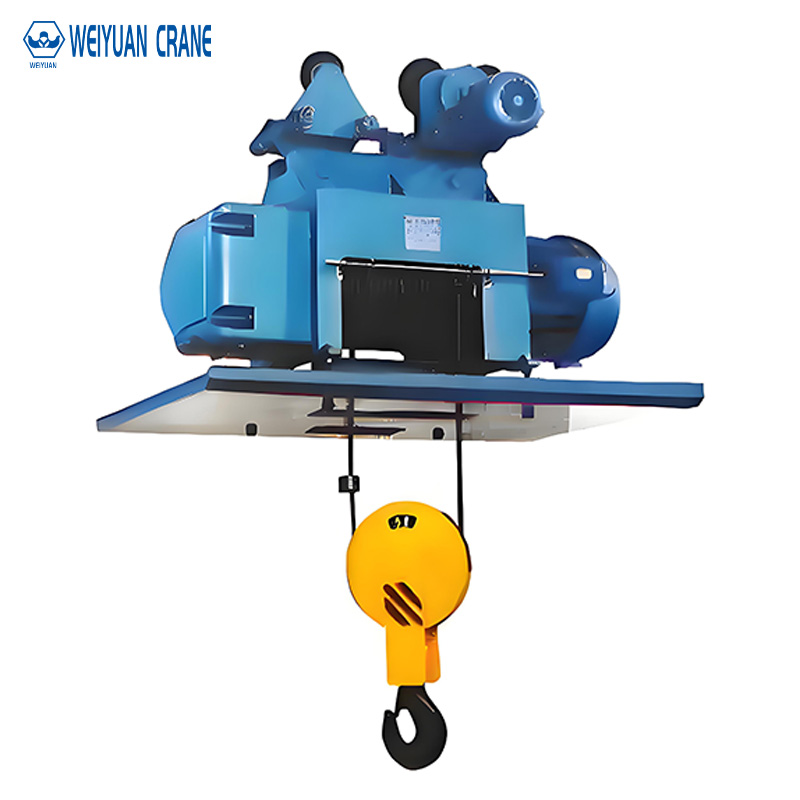
Chain models use a highly durable metal chain to lift loads and are typically used for capacities under five tons. They pull straight up and down, making them great for localized workstation tasks. Wire rope models use a wound steel cable on a grooved drum. They provide smoother lifting, higher capacities (often exceeding 10 tons), and incredibly fast lifting speeds, making them ideal for large overhead bridge systems.
How often do motorized lifting systems need inspection?
Safety regulations strictly require daily visual and operational checks by the operator before the shift begins. They must check for frayed cables, test the limits switches, and ensure the controls function properly. Additionally, a certified technician must perform a comprehensive, documented inspection at least once a year, or more frequently for severe-duty applications.
Can these systems be installed outdoors?
Yes. You must specify to your supplier that the equipment will live outside. Outdoor models feature specialized weather-resistant paint, galvanized steel components, and heavily sealed electrical enclosures (usually rated IP55 or higher) to prevent water ingress and corrosion.
Do I need special power requirements to run this equipment?
Most light-duty models can run on standard 115V or 230V single-phase power. However, heavy-duty industrial models typically require 460V three-phase power to handle the high electrical draw of lifting massive weights continuously. Always consult an electrician to ensure your building’s power supply matches the equipment’s requirements before purchasing.