


Custom KBK Light Crane System for Factory and Warehouse Use
Suggested Meta Description
Need a custom KBK light crane system for your factory or warehouse? See how tailored, lightweight overhead cranes from a trusted supplier fit your exact layout and budget.
Introduction
- Open with a familiar buyer challenge: an off-the-shelf crane that almost fits the facility, but never quite matches the real layout, load needs, or workflow.
- Explain that a custom KBK light crane system solves this by adapting modular components to each unique space.
- Define the focus of the article: helping procurement buyers understand customization options for factory and warehouse lifting.
- Preview the sections ahead: system basics, customization choices, specs, applications, benefits, and a practical buying guide.
Section 1: What Is a KBK Light Crane System?
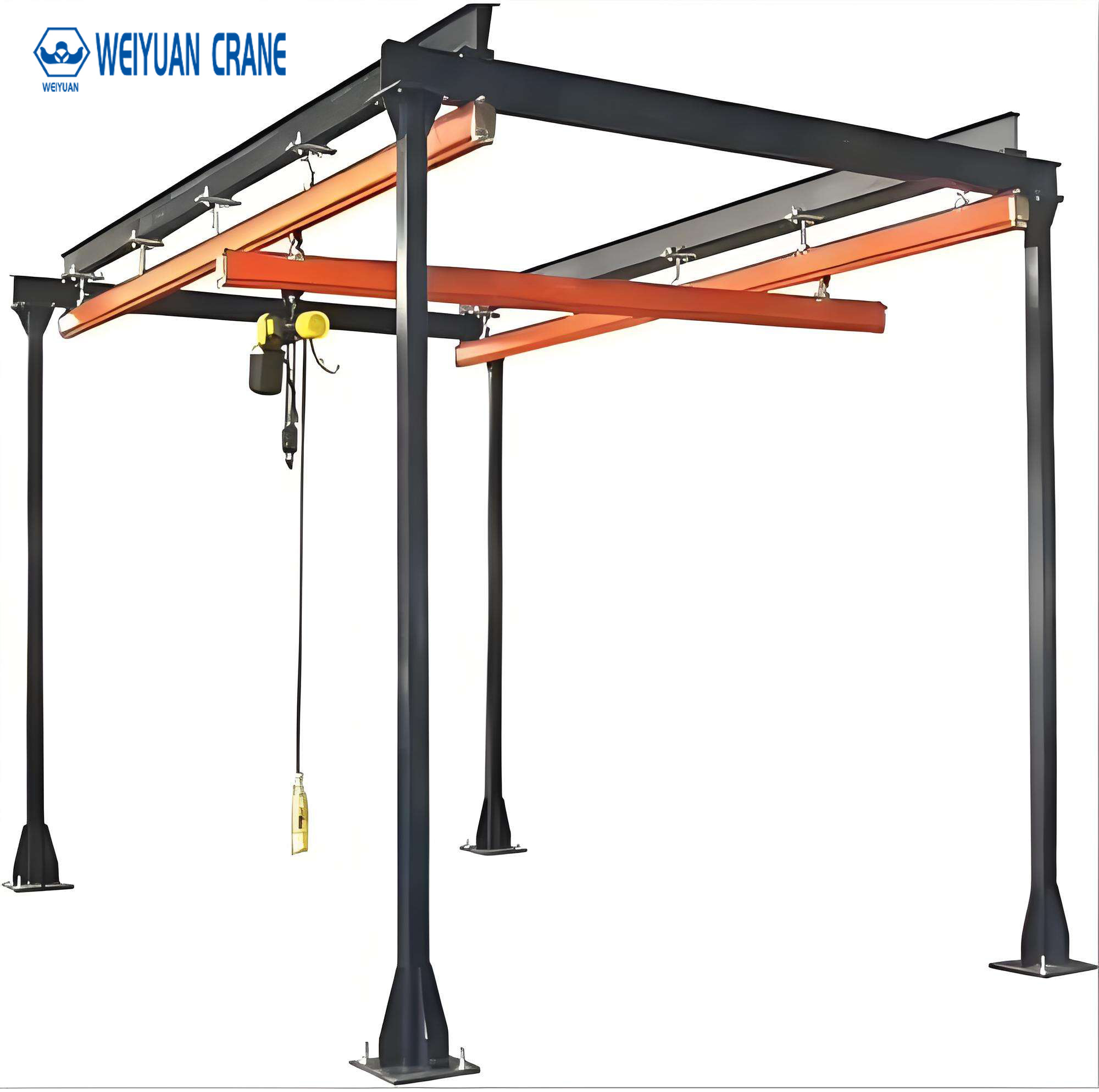
- Define a KBK light crane system as a lightweight overhead crane built from standardized, modular parts.
- Describe the core components: enclosed track profiles, suspension brackets, trolleys, and end stops.
- Explain why “light” matters — lower structural load, easier operation, and simpler installation.
- List the main forms: suspension monorail, single-girder, and double-girder configurations, plus jib options.
- Set up the value of customization by noting that no two facilities lift the same way.
Section 2: Customization Options for Factory and Warehouse Needs
- Layout design: tracks routed to match aisles, work cells, and load paths.
- Capacity tuning: profiles and components sized to actual load weights.
- Span and coverage: single-bay or multi-bay area coverage built around your floor plan.
- Travel and lift options: manual, electric, single-speed, dual-speed, or variable-speed control.
- Hoist pairing: matching electric chain hoists, balancers, or manipulators to the task.
- Environment adaptation: finishes and protection for dusty, humid, or temperature-sensitive spaces.
- Tip box: how a custom lifting solution prevents costly retrofits later.
Section 3: Technical Specifications to Define Before You Order
- Lifting capacity ranges for light and medium loads (commonly up to 2,000 kg).
- Track profile types and their load ratings.
- Span, length, and lifting height options for different bay sizes.
- Travel speed and control choices, including variable-speed for precise positioning.
- Optional features: festoon power supply, anti-collision sensors, end-of-line dampers.
- Suggested spec table: capacity, span, lift height, profile type, control options.
Section 4: Factory Applications
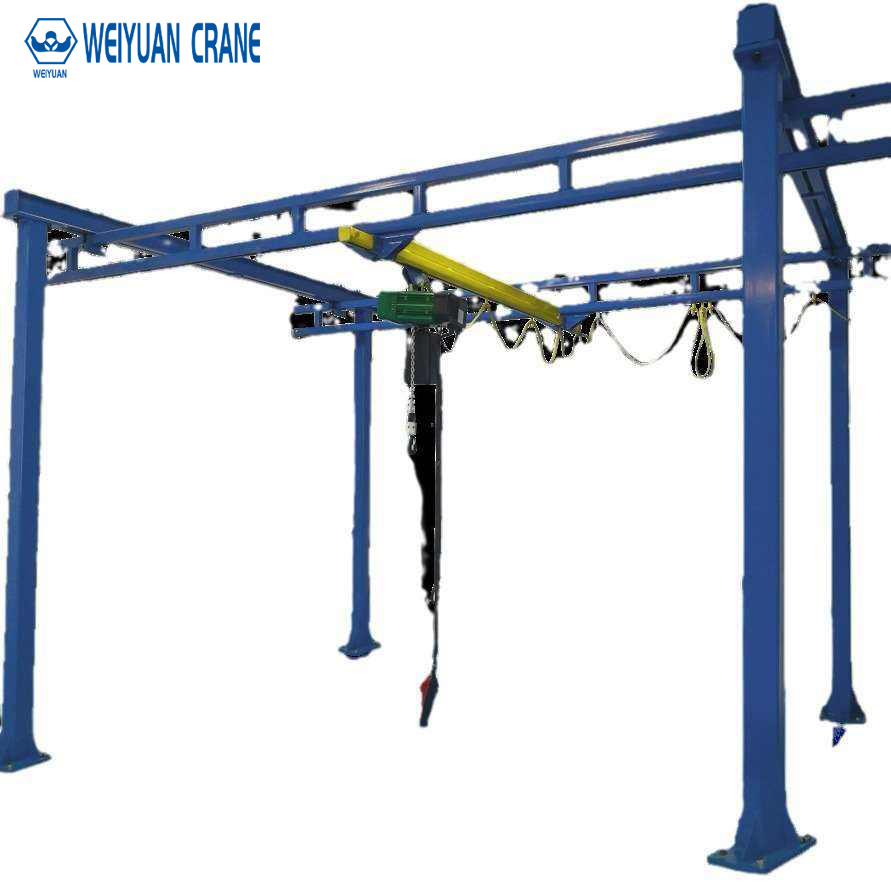
- Flexible material handling across multiple work zones and stations.
- Repeatable, precise lifting on assembly and machining lines.
- Feeding raw stock and removing finished parts in production cells.
- Safer handling that reduces operator fatigue and injury risk.
- Short scenario: a factory crane configured to a tight assembly bay, improving cycle time.
Section 5: Warehouse Applications
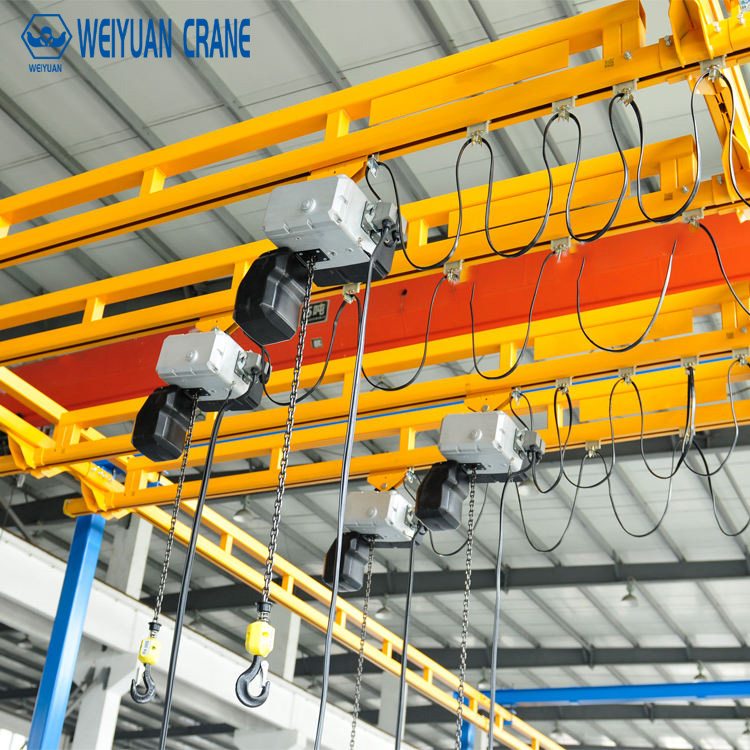
- Efficient load transfer between storage, staging, and dispatch areas.
- Order-picking and load-handling support that speeds throughput.
- Overhead routing that frees valuable floor space for storage.
- Adaptable warehouse crane layouts for changing inventory flows.
- Short scenario: a warehouse crane reconfigured as racking layouts shift.
Section 6: Benefits of a Custom KBK Light Crane Over Standard Cranes
- A precise fit to your layout instead of forcing your workflow around the equipment.
- Lower installation cost and faster setup than heavy fixed cranes.
- Reduced floor-space demand and lighter structural load on buildings.
- Easy expansion — add or relocate tracks without major rebuilds.
- Lower maintenance and operating costs over the crane’s life.
- Quick benefit list for fast scanning by busy buyers.
Section 7: A Step-by-Step Buying Guide for Procurement Teams
- Step 1: Define your lifting tasks, load weights, and frequency.
- Step 2: Map facility layout, aisle widths, and headroom limits.
- Step 3: Set capacity, span, and coverage targets.
- Step 4: Choose control and hoist options that match the workflow.
- Step 5: Plan for future expansion and seasonal demand changes.
- Step 6: Compare industrial crane suppliers on customization, lead time, and support.
- Step 7: Confirm certifications, warranty, and spare-parts availability.
- Procurement checklist box: must-ask questions before approving a supplier.