


Blog Outline: KBK Crane System Manufacturer for Flexible Workstation Lifting Solutions
Suggested Meta Description
Discover how a trusted KBK crane system manufacturer delivers flexible workstation lifting solutions. A practical guide for procurement teams sourcing modular cranes.
Introduction
- Open with the everyday lifting challenges on busy production floors: tight spaces, repetitive manual handling, and worker fatigue.
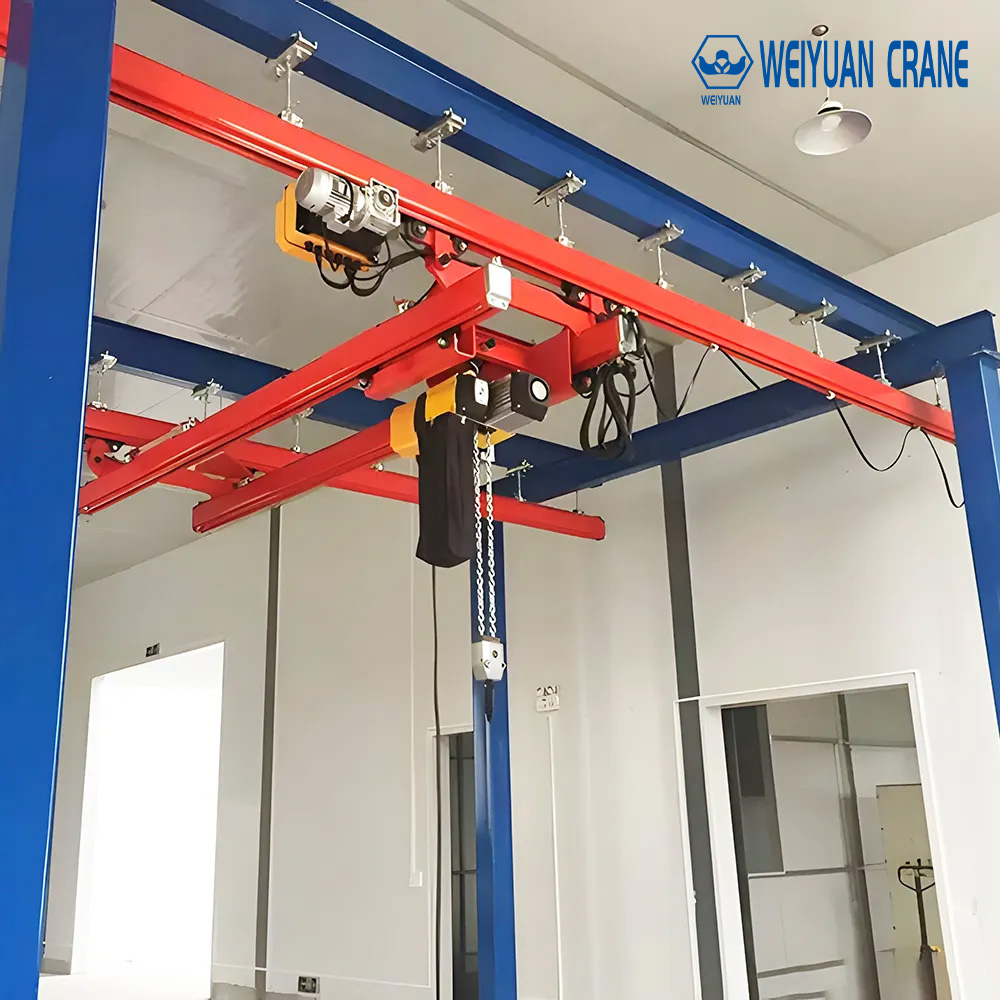
- Briefly explain what a KBK crane system is — a modular, lightweight overhead lifting solution built from standardized components.
- State the article’s purpose: helping procurement buyers understand what to look for in a modular crane manufacturer before they request a quote.
- Preview the key sections: features, specs, applications, and selection tips.
Section 1: What Is a KBK Crane System?
- Define the KBK crane system and its modular design philosophy.
- Explain the core building blocks: track profiles, suspension brackets, trolleys, and end stops.
- Describe the main configurations: monorail, single-girder, and double-girder suspension cranes, plus pillar and wall-mounted jib options.
- Clarify why “modular” matters for buyers — easy expansion, reconfiguration, and future-proofing.
Section 2: What Makes a Reliable KBK Crane System Manufacturer?
- Manufacturing quality and material standards (steel/aluminum profiles, load-tested components).
- Certifications and compliance buyers should verify (CE, ISO, regional safety codes).
- Customization capability — matching span, capacity, and layout to your facility.
- Lead times, delivery reliability, and global shipping support.
- After-sales service, spare parts availability, and technical support.
- Tip box: Questions every procurement commissioner should ask a supplier.
Section 3: Key Features of Flexible Workstation Lifting Solutions
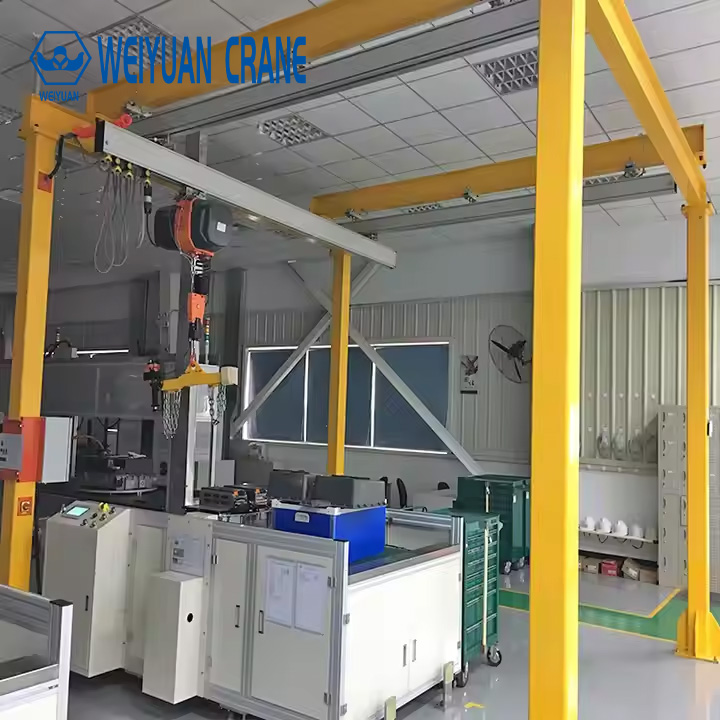
- Lightweight design that reduces structural load on buildings.
- Smooth, low-effort movement for ergonomic operation.
- Easy reconfiguration as production needs change.
- Coverage flexibility — area-serving designs for assembly stations.
- Integration with hoists, balancers, and manipulators.
- Operator safety and reduced workplace injury risk.
Section 4: Technical Specifications to Compare
- Lifting capacity ranges (typically up to 2,000 kg per workstation system).
- Span and length options.
- Profile types and load ratings.
- Suspension and support methods.
- Optional features: variable speed control, festoon systems, end-of-line dampers.
- Suggested comparison table: capacity, span, profile, lifting height, options.
Section 5: Industry Applications
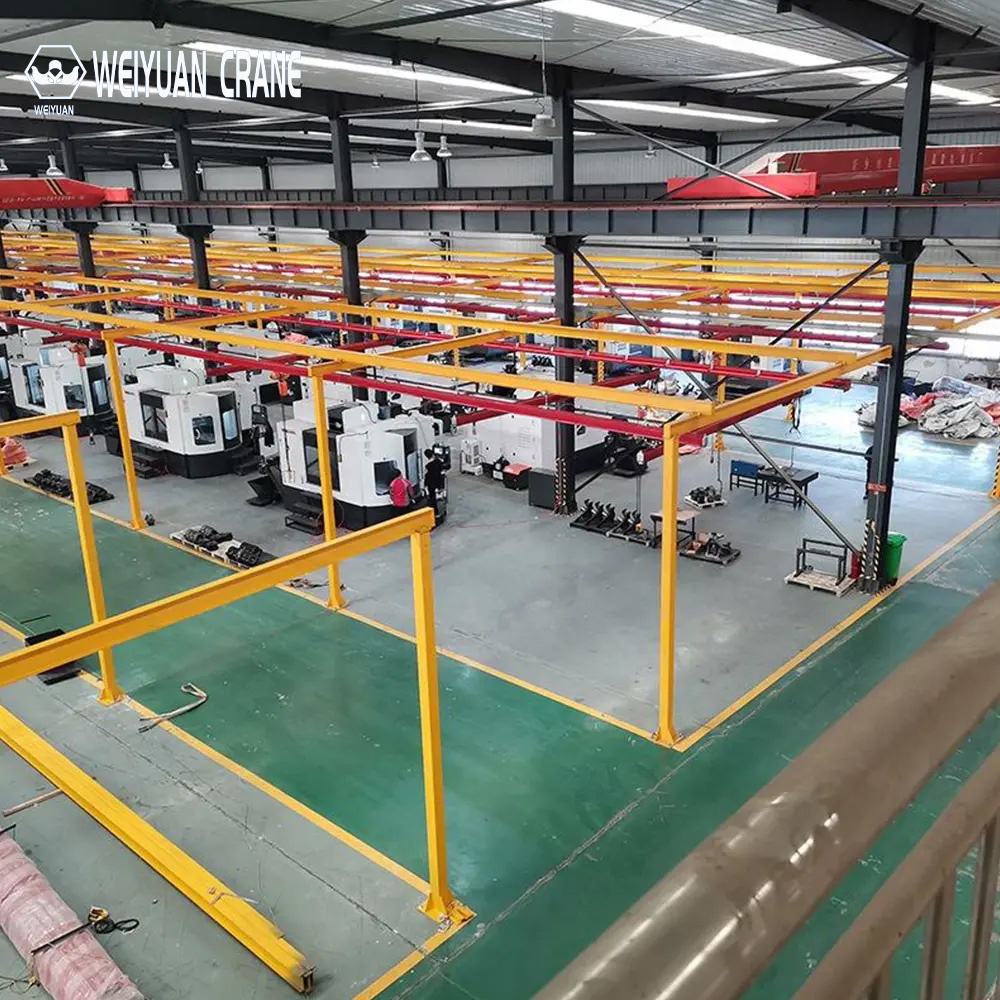
- Factory floors: flexible material handling across multiple work zones.
- Assembly lines: precise, repeatable lifting at each station.
- Warehouses: efficient load transfer and order picking support.
- Additional fits: machining cells, packaging areas, and quality-control stations.
- Short scenario example showing measurable productivity gains.
Section 6: Benefits Over Traditional Cranes
- Lower installation cost and faster setup.
- Reduced floor-space requirements compared with freestanding cranes.
- Scalability — add or move tracks without major rebuilds.
- Lower maintenance and operating costs.
- Improved worker ergonomics and throughput.
- Quick benefit-summary list for fast scanning.
Section 7: How to Choose the Right KBK Crane System
- Step 1: Map your lifting tasks, loads, and frequency.
- Step 2: Assess facility layout and structural limits.
- Step 3: Define capacity and coverage needs.
- Step 4: Plan for future expansion.
- Step 5: Shortlist manufacturers and compare quotes (B2B procurement checklist).
- Step 6: Confirm certifications, warranty, and support terms.