


Modular KBK Crane Solutions for Efficient Material Handling
Suggested Meta Description
Explore how modular KBK crane solutions speed up material handling and cut costs. A focused guide for procurement teams sourcing efficient overhead lifting systems.
Introduction
- Lead with a relatable production-floor pain point: bottlenecks when materials move too slowly between zones.
- Frame material handling speed as a direct driver of throughput and profit.
- Introduce modular KBK crane solutions as a smart way to move loads faster with less effort.
- Set reader expectations: this guide covers how these systems work, their efficiency gains, specs, and buying tips.
Section 1: Understanding Modular KBK Crane Solutions
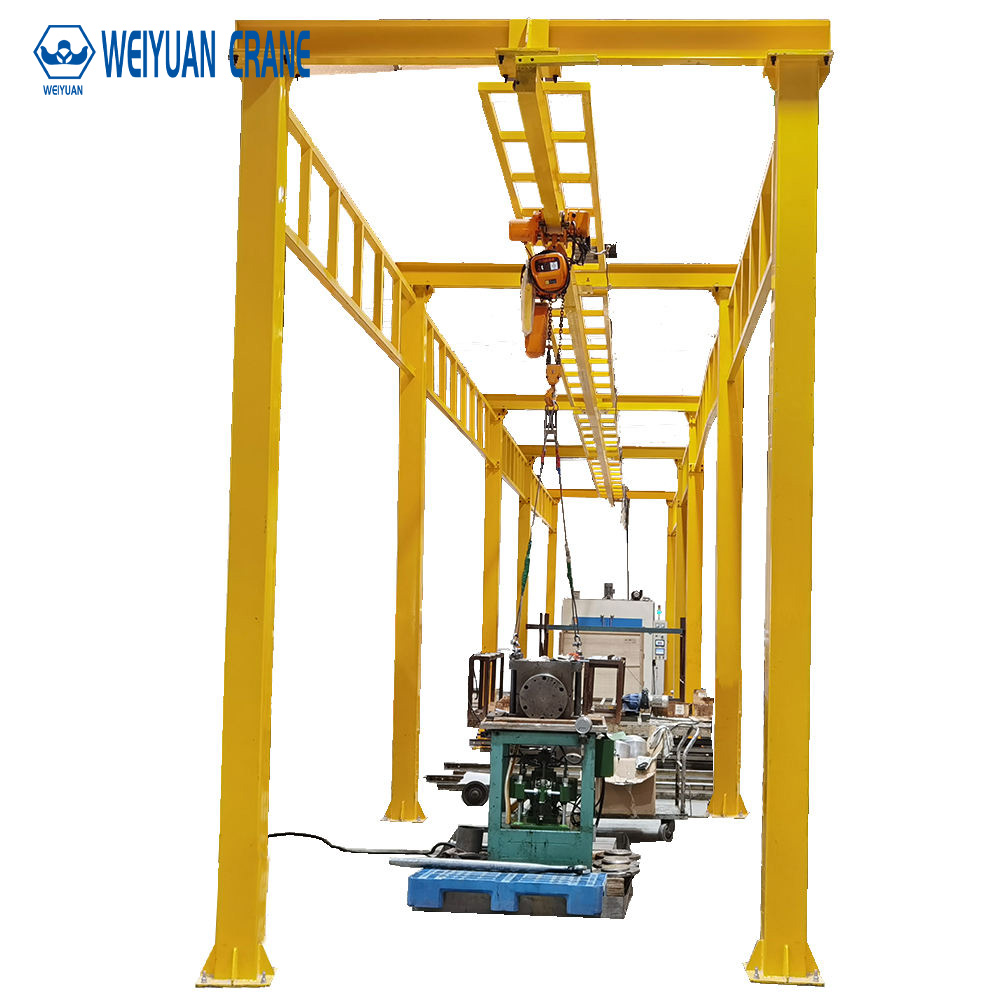
- Define modular KBK crane solutions in simple terms — overhead lifting built from interchangeable parts.
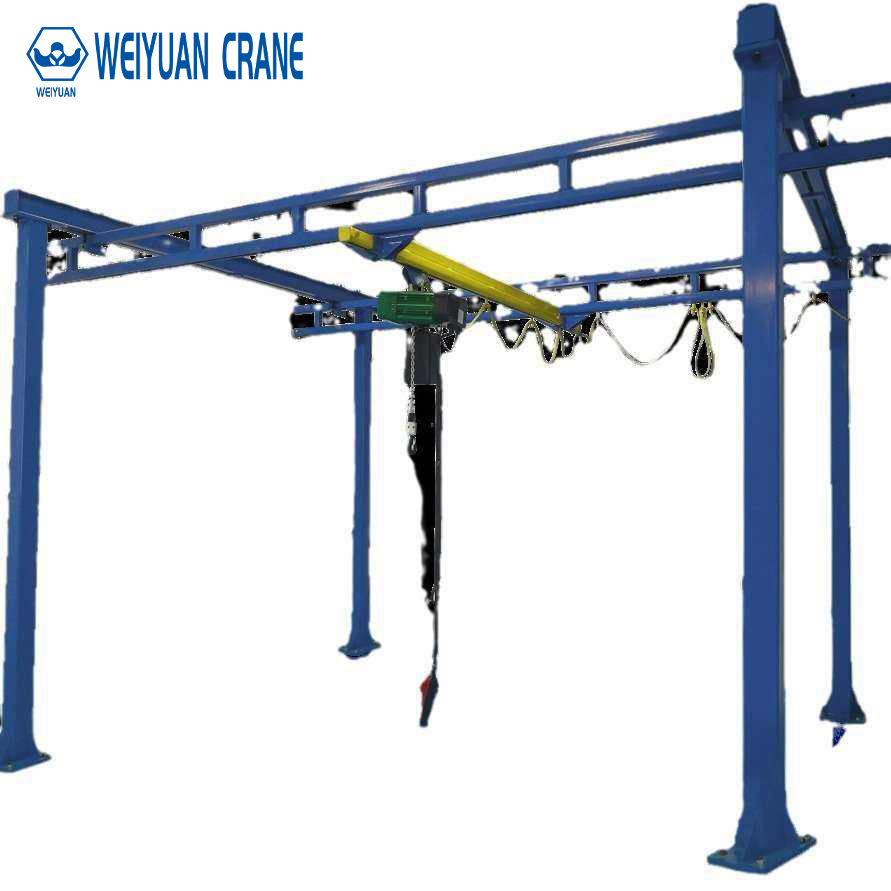
- Explain the “kit” concept: standardized tracks, connectors, and trolleys that snap together for custom layouts.
- Show how modularity supports quick assembly and later reconfiguration.
- Contrast briefly with fixed, welded crane structures to set up the efficiency theme.
Section 2: How Modular KBK Cranes Boost Material Handling Efficiency
- Faster load transfer across work zones with smooth-rolling trolleys.
- Reduced manual handling, which lowers fatigue and injury-related downtime.
- Continuous material flow that keeps assembly and packing lines moving.
- Better space use — overhead routing frees up valuable floor area.
- Quick layout changes that match shifting production demands without long shutdowns.
- Highlight box: typical efficiency metrics buyers can expect to improve (cycle time, labor hours, downtime).
Section 3: Technical Specifications That Drive Performance
- Capacity ranges suited to light and medium loads in busy facilities.
- Track profile types and how they affect rolling resistance and load rating.
- Lift height and span options for different bay sizes.
- Speed control choices, including variable-speed travel for precise positioning.
- Optional add-ons: festoon power supply, end stops, anti-collision features.
- Suggested spec comparison table: capacity, span, travel speed, profile type, control options.
Section 4: Industry Use Cases for Efficient Material Handling
- Automotive and parts assembly: moving components quickly between stations.
- Logistics and warehousing: speeding load transfer and order staging.
- Metal and machining shops: feeding raw stock and removing finished parts.
- Electronics and light manufacturing: precise, gentle handling of sensitive goods.
- Industrial parks with mixed operations: flexible systems that adapt across multiple tenants or lines.
- Short before-and-after scenario showing reduced handling time on a production line.
Section 5: Modular KBK vs. Traditional Crane Systems
- Setup speed: modular kits install faster than fixed overhead crane structures.
- Flexibility: easy to extend or relocate versus costly rebuilds.
- Cost profile: lower upfront and lifecycle costs for many applications.
- Maintenance: simpler part replacement and less downtime.
- Footprint: lighter structures with less impact on building load.
- Quick side-by-side comparison list for fast scanning by busy buyers.
Section 6: A Practical Buying Guide for Procurement Teams
- Step 1: Define your material handling goals and target throughput.
- Step 2: Map load weights, travel distances, and lift frequency.
- Step 3: Check building structure and available headroom.
- Step 4: Match capacity, span, and control options to your tasks.
- Step 5: Verify certifications, warranty, and spare-parts support.
- Step 6: Compare manufacturer lead times, pricing, and technical backup.
- Procurement checklist box: must-ask questions before signing off on a supplier.