


What is an Electrical Hoist? The Definitive Guide to Powering Your Lifting Operations
Defining the Electrical Hoist: Power, Precision, and Performance
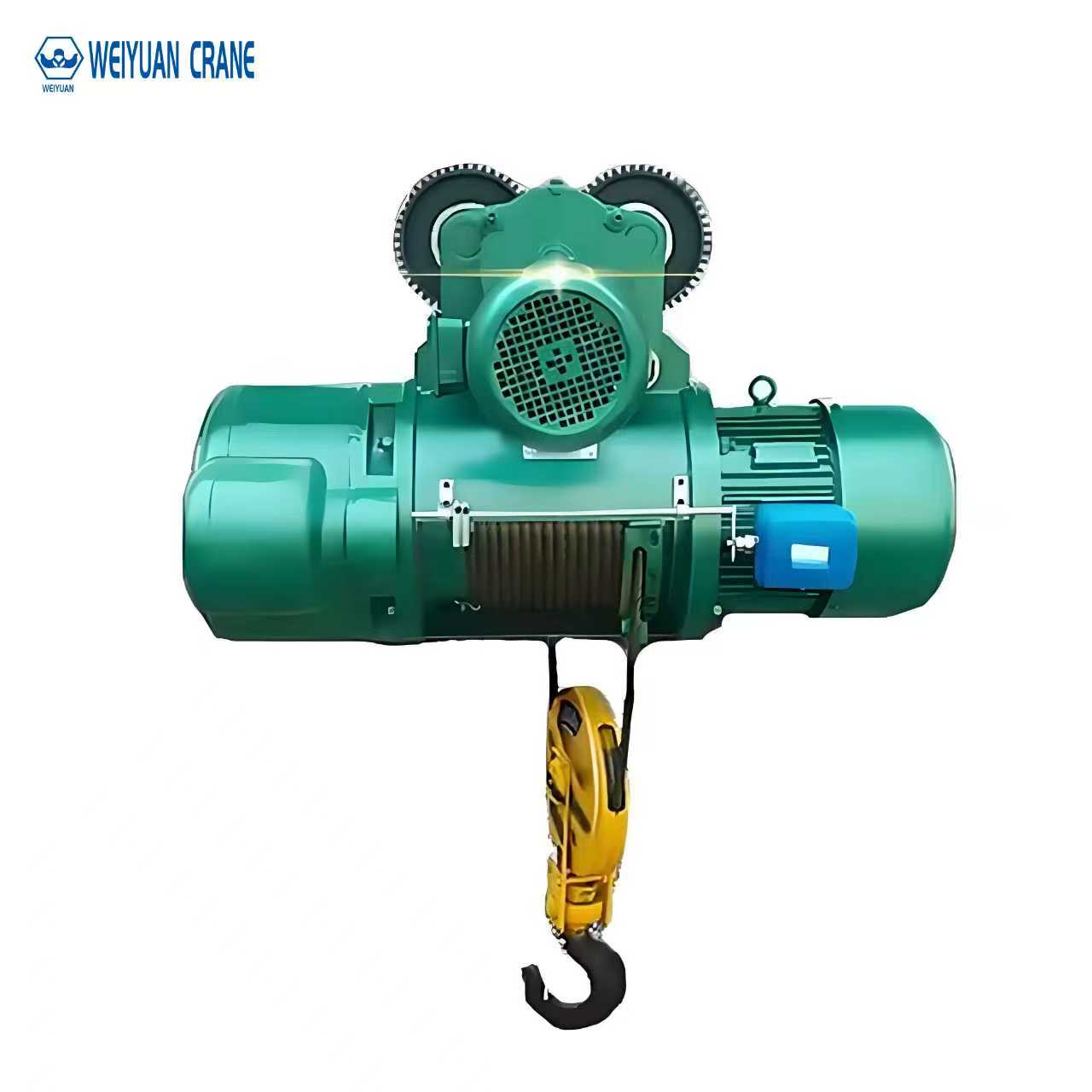
At the heart of efficient modern material handling lies the electrical hoist. Simply put, an electrical hoist is a mechanized device used for lifting, lowering, and suspending heavy loads using electricity as the power source. It replaces manual effort, transforming strenuous, time-consuming tasks into fast, simple, and safe operations.
This equipment is crucial in nearly every industrial setting, from small workshops to large-scale warehouses and manufacturing facilities. Unlike a simple manual pulley system, the electrical hoist relies on an electric motor to power the drum (for wire rope hoists) or the sheave wheel (for chain hoists), providing consistent, high-speed lifting capability with minimal human intervention.
Understanding the difference between an electric chain hoist and an electric winch hoist—and knowing which fits your specific needs—is the first step toward optimizing your material flow and safeguarding your personnel.
Product Description: WEIYUAN Electrical Hoist Systems—Engineered for Global Reliability
WEIYUAN electrical hoist solutions are engineered to be the backbone of your lifting infrastructure. We don’t just supply standard equipment; we deliver customized, high-reliability lifting mechanisms designed to dramatically enhance production efficiency and worker safety across European, Asian, and African markets.
Our hoists are complete, integrated units, typically comprising a robust motor, precision gearbox, high-strength lifting medium (chain or wire rope), and sophisticated controls (electric hoist with remote control). Whether mounted on a fixed position, a bridge crane, or a gantry system, the primary utility of our electrical hoist is to provide seamless, repeatable vertical material movement.
Enhancing Worker Efficiency in Logistics and Production
The adoption of a reliable electric chain hoist directly liberates workers from strenuous physical lifting, allowing them to focus on value-added tasks. For example, in a logistics warehouse, using an electrical hoist mounted on a workstation crane allows operators to quickly and ergonomically lift large packages off pallets and move them to inspection tables. This not only speeds up the process but severely reduces the risk of back injuries—a major factor in labor costs.
WEIYUAN is a professional manufacturing entity integrating production, sales, design, and installation. Our holistic approach ensures every hoist, from a small 1 ton electric chain hoist to a heavy-duty wire rope model, is designed for immediate integration and long-term, reliable performance in demanding environments.
Features and Advantages: The WEIYUAN Performance Edge
Our electric hoists are built on a foundation of quality components and smart design, resulting in tangible operational benefits.
Core Features and Capabilities
- High-Efficiency Motor: Utilizes high-performance electric motors, often with thermal protection, ensuring continuous operation even under heavy duty cycles.
- Precision Control: Equipped with standard pendant control or a convenient electric hoist with remote control for operation from a safe distance.
- Robust Load Medium: High-strength alloy steel chain (for hoist electric chain models) or anti-twist galvanized steel wire rope, ensuring maximum safety and durability.
- Dual-Speed Functionality: Optional dual-speed or variable frequency drive (VFD) controls for fast transit and slow, precise positioning (critical for delicate components).
Operational Advantages
- Significant Labor Cost Reduction: Automates heavy lifting, reducing the number of personnel required for manual operations.
- Improved Workflow Speed: Faster lifting and lowering speeds compared to manual systems significantly accelerate material transfer.
- Versatility in Mounting: Easily adaptable to monorails, bridge cranes, and jibs, such as pairing with an electric hoist trolley for lateral movement.
- Low Maintenance: Engineered for reliability, minimizing the need for frequent repairs and parts replacement.
Technical Specifications: Choosing the Right Electrical Hoist
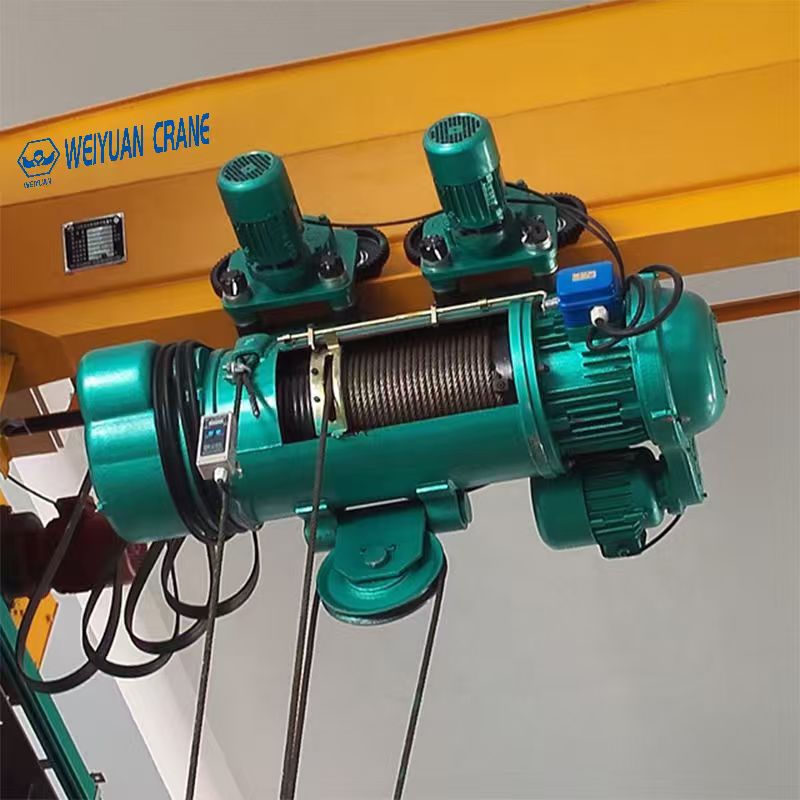
Selecting the correct electrical hoist requires meticulous attention to the technical details of your facility and workload.
Key Technical Parameters
| Specification | Detail | Applicability Insight |
| Capacity Range | From 0.5 Ton up to 20 Ton. Common models include 1 tonne electric chain hoist and 2 ton electric chain hoist. | Must be selected based on the maximum weight you intend to lift. |
| Lifting Height | Standard up to 18 meters; customizable up to 50 meters. | Based on the vertical distance from the floor to the lifting point. |
| Power Supply | 3-Phase, 380V / 50Hz (Standard); customizable for 400V, 440V, 60Hz. | Critical for ensuring electrical compliance in specific countries. |
| Lifting Medium | Electric chain hoists (for lighter loads, easier positioning) or Wire Rope (for heavy, high-speed, or high-lift applications). | Determines suitability for duty cycle and height. |
| Mounting Type | Hook Mount, Fixed Mount, or Trolley Mount (electric hoist trolley). | Hook mount offers flexibility; trolley mount provides lateral movement. |
Free Design and Personalized Customization Options
We offer FREE design and personalized customization services to ensure the hoist perfectly matches your unique application. We recognize that industrial needs often exceed the capabilities of standard models (like generic harbor freight electric hoist or electric hoist harbor freight units).
- Custom Lifting Speed: Adjusting motor and gearbox configurations to achieve specific fast or slow speeds required for assembly.
- Non-Standard Lift Height: Manufacturing custom chain lengths or drum sizes for unusually tall facilities (e.g., grain silos).
- Branding and Finish: Customized colors and logo application to meet corporate branding or facility standards.
- Control Integration: Advanced controls, including tandem operation of multiple hoists or specialized safety braking systems.
Application Fields: Where WEIYUAN Electric Hoists are Deployed
The versatility of our electric hoists makes them essential across numerous industries, contributing to increased safety and operational efficiency.
- Factories and Production Lines: Used for feeding materials into machinery, changing heavy tooling, or assembling large components (e.g., using a milwaukee electric chain hoist equivalent).
- Warehouses and Logistics: Critical for lifting and moving large, heavy stock items within racking systems or onto conveyor belts.
- Construction and Installation: Used for positioning heavy structural beams or machinery parts during facility construction.
- Automotive Repair and Service: Essential for lifting engines or heavy vehicle components.
- Specialty Use: Smaller models can be customized for unique applications, such as a robust replacement for an electric deer hoist in processing facilities, or temporary applications utilizing a vevor electric hoist style unit.
Safety, Compliance, and Installation Support
Safety is non-negotiable. Our manufacturing process focuses on exceeding local and international safety standards to ensure the protection of personnel and property.
International Compliance and Quality Assurance
All WEIYUAN hoists are manufactured and tested to meet or exceed relevant global safety directives:
- CE Certification: Conformance with European Union health, safety, and environmental protection standards, mandatory for our European clientele.
- UL/CSA Equivalent Standards: Ensuring electrical components and overall system safety, particularly important for electrical systems.
- Overload Protection: Every electrical hoist includes mechanical or electronic overload limits to prevent lifting dangerous weights.
- Braking Redundancy: Featuring dual braking systems (mechanical and electrical) to ensure the load is securely held even in the event of power failure.
Installation and Dedicated Support
We ensure a seamless setup and reliable long-term performance:
- Site-Specific Integration: Our engineering team provides detailed drawings to ensure perfect integration with your existing trolley or crane system.
- Online/On-site Technical Assistance: We offer comprehensive manuals and are available for online guided support or can dispatch an experienced site-technical team for complex installations and commissioning.
Case Study: Optimizing a European Logistics Center
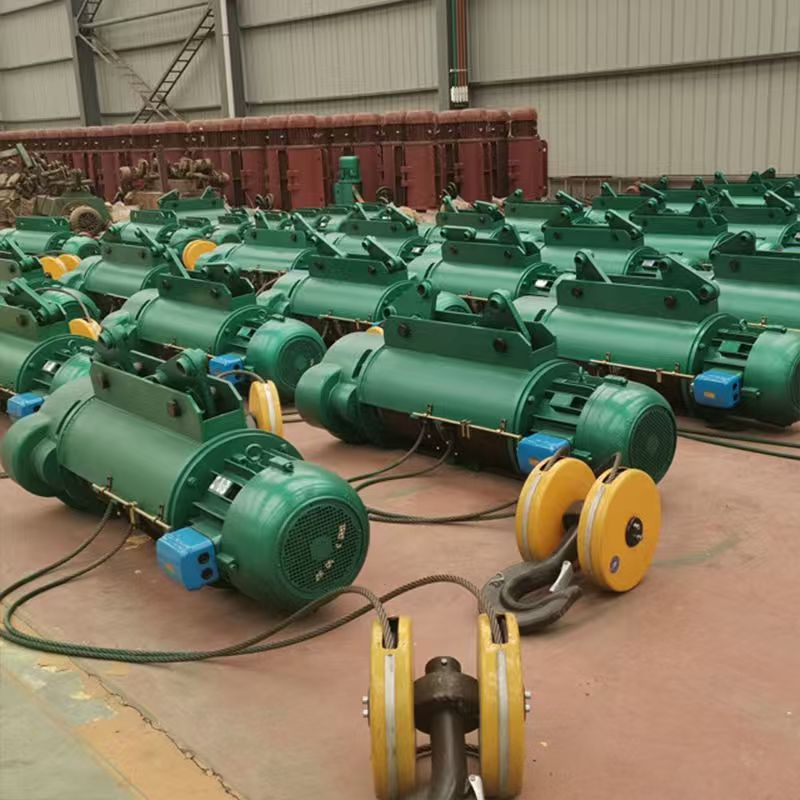
A large European logistics company faced high labor costs and slow throughput in their heavy goods processing area. They invested in 10 units of our 2 Ton electric chain hoists, mounted on dedicated monorail systems. This enabled two workers to safely handle items previously requiring four. The result was a 40% reduction in manual handling time per load and a significant reduction in workplace strain, demonstrating the hoist’s superior value proposition over manual or lesser-quality systems.
Pricing, Quotation Process, and Delivery Timelines
How to Obtain a Personalized Quote
Due to the variations in capacity, lift height, power supply requirements, and specialized features (like a 20 ft electric cable hoist length), we cannot provide a fixed price list.
To receive an accurate and competitive quote, we encourage you to contact us with the following details:
- Required Capacity (e.g., 1T, 5T).
- Lifting Medium (Chain Hoist or Wire Rope Hoist).
- Lift Height (in meters or feet).
- Power Supply (Voltage/Phase/Frequency).
Our engineering and sales teams will provide a fast, personalized, and obligation-free quote based on your specific needs. Stop searching for generic chain hoist electric options and invest in a tailor-made solution.
Estimated Delivery Cycle
We are committed to transparent and reliable lead times:
- Standard Configurations: For common models (e.g., a standard 1 ton electric chain hoist), the typical lead time from order confirmation to factory shipment is approximately 4 to 6 weeks.
- Customized/High-Capacity Units: For bespoke designs or high-lift applications, the cycle may extend to 8 to 12 weeks to accommodate specialized component manufacturing and rigorous testing.
Frequently Asked Questions (FAQ)
What is the primary difference between a wire rope hoist and an electric chain hoist?
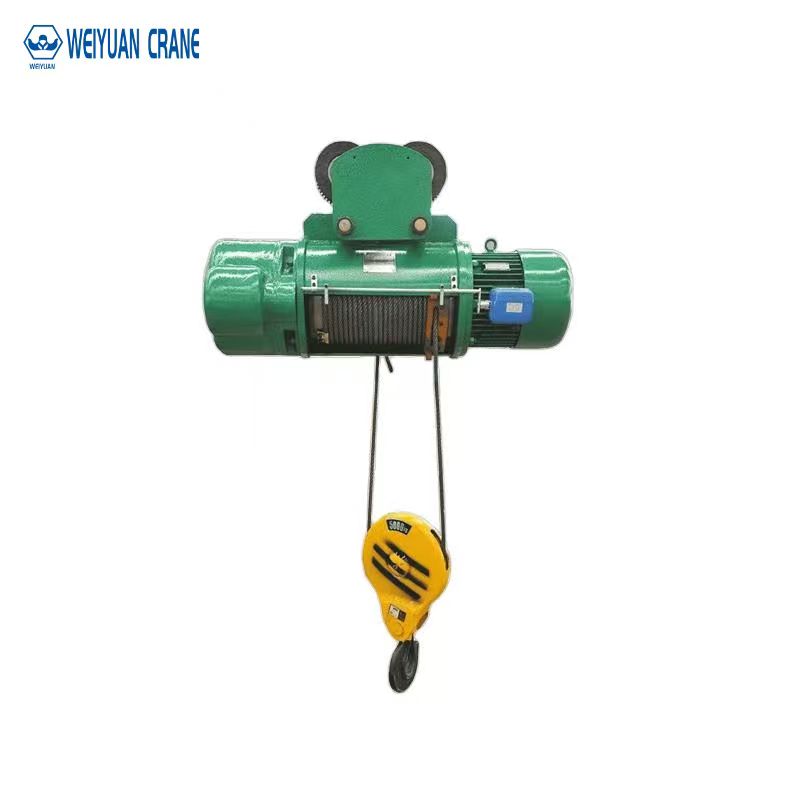
An electric chain hoist is typically used for lighter capacities, lower lifts, and is ideal where the lifting medium needs to be flexible. A wire rope hoist is usually reserved for higher capacities, faster speeds, and much higher lift heights (such as those requiring a long 20 ft electric cable hoist).
Can I operate the electric hoist with a remote control outdoors?
Yes, we offer electric hoist with remote control options that include weather-resistant enclosures and specialized coatings, making them safe and reliable for use in outdoor and demanding environments.
Are your electric winches suitable for vehicle recovery?
Our standard electrical hoist products focus on vertical industrial material handling. While we do manufacture electric winch hoist models, these are primarily designed for controlled pulling in construction and utility applications, rather than high-speed, dynamic vehicle recovery.
What is the typical lifespan of an electric hoist?
The lifespan of an electrical hoist is determined by its Duty Cycle (FEM/ISO rating) and maintenance. A high-quality, well-maintained hoist used within its rated duty cycle can last 20 years or more. Choosing a reliable manufacturer over generic electric hoists ensures better component quality and longevity.