


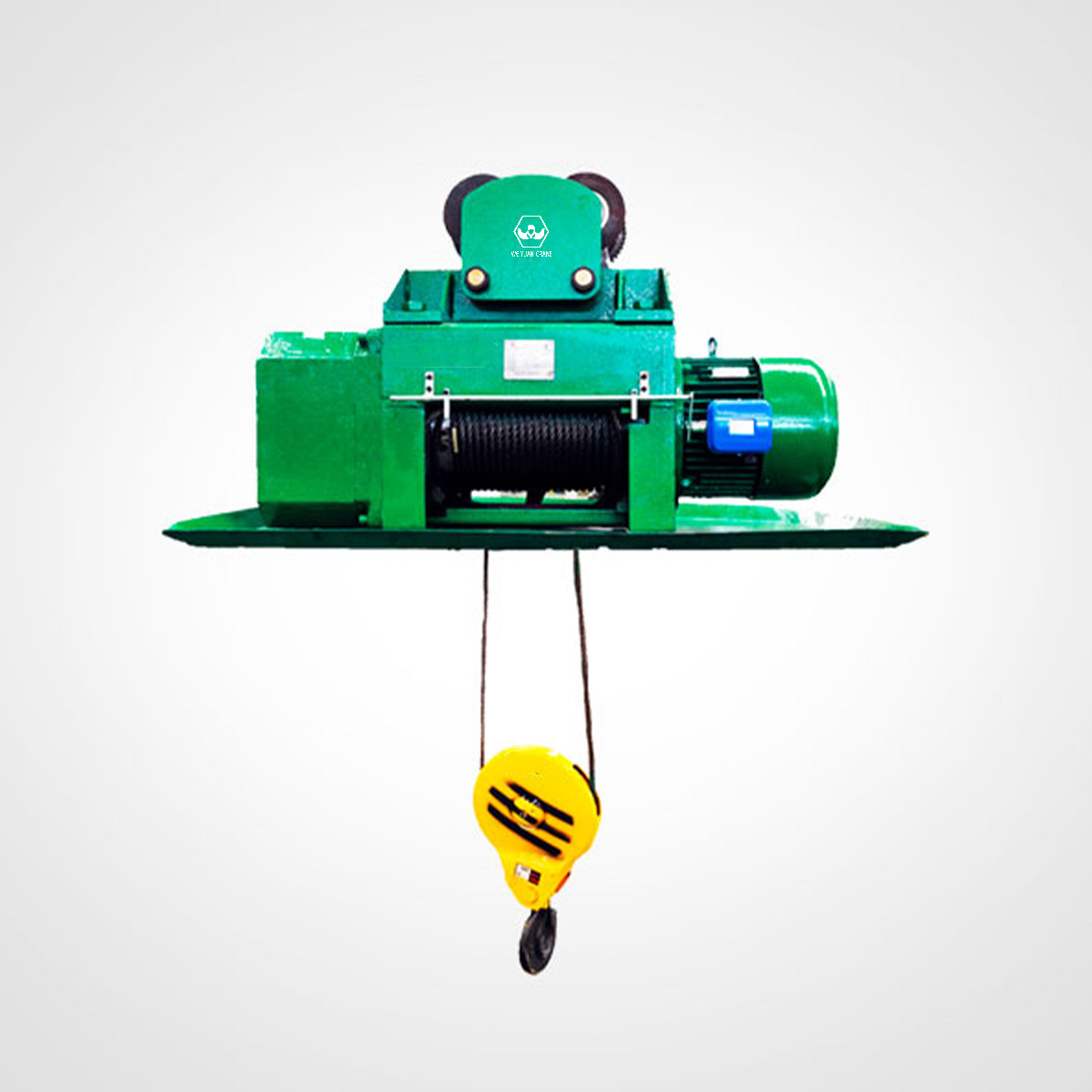
Universal electric hoist
Explosion-Proof Electric Hoist for Sale: Certified Lifting for Hazardous Areas
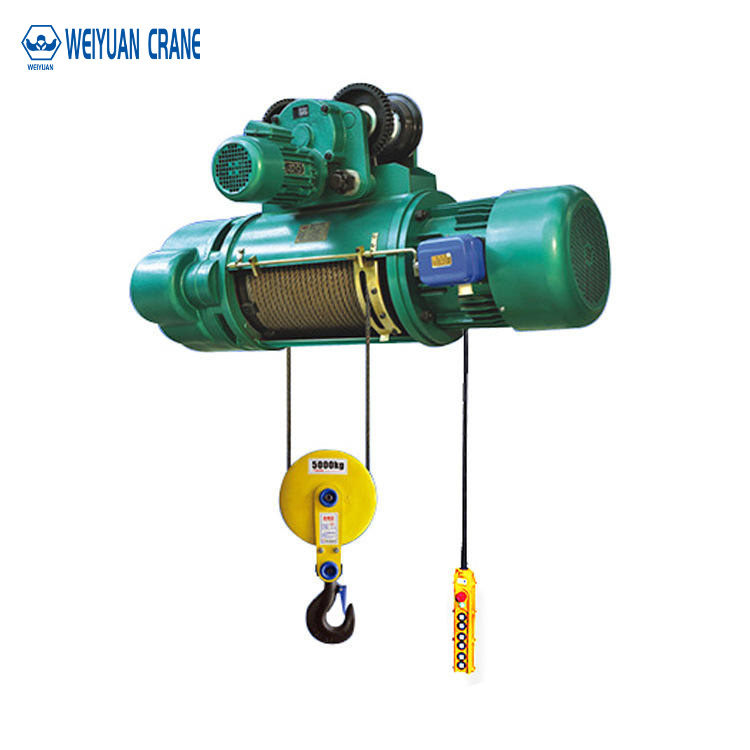
A standard electric hoist isn’t rated for use anywhere flammable gases, vapors, or combustible dust may be present. For a lifting point inside a petrochemical, chemical, pharmaceutical, or other classified hazardous area, an explosion-proof electric hoist is a compliance requirement, not an optional upgrade — and specifying one without confirming your facility’s exact zone classification is a mistake that typically surfaces during a compliance inspection, not before.
Weiyuan supplies explosion-proof electric hoists from 125 kg to 20 tons, in both chain and wire rope formats, certified to the specific hazardous-area classification of the buyer’s facility.
What Makes an Explosion-Proof Electric Hoist Different
An explosion-proof electric hoist is built around the same core mechanism as a standard electric chain or wire rope hoist — motor, gearbox, drum or sprocket, brake, and lifting medium — but with the motor, electrical enclosure, control panel, and wiring specifically designed and certified to prevent ignition of surrounding flammable atmospheres. As with any explosion-proof lifting equipment, certification is tied to the specific hazardous-area zone classification of the installation site, so specification starts with the facility’s own zoning documentation, not a generic “explosion-proof” label.
Because a hoist’s lifting and travel functions are both electrical, every powered component — not just the main motor — needs to meet the required rating, which is why explosion-proof electric hoist specification benefits from close coordination with a facility’s safety engineering team from the start.
Series and Capacity Range
Series name: WY-EH-EX Series | Category: Explosion-proof electric hoist, chain and wire rope formats, zone/gas-group certified
| Model | Capacity | Format | Typical Applications | Control | Hoist Type |
|---|---|---|---|---|---|
| WY-EH-EX-C1 | 125 kg–1 ton | Chain | Pharmaceutical and fine-chemical bench lifting | Explosion-proof pendant | Explosion-proof chain hoist |
| WY-EH-EX-C5 | 1–5 tons | Chain | Chemical facility workshop material handling | Explosion-proof pendant/remote | Explosion-proof chain hoist |
| WY-EH-EX-W10 | 1–10 tons | Wire rope | Petrochemical process areas, refinery maintenance | Explosion-proof remote | Explosion-proof wire rope hoist |
| WY-EH-EX-W20 | 10–20 tons | Wire rope | Upper limit of explosion-proof range — heavier hazardous-area lifting | Explosion-proof remote | Explosion-proof wire rope hoist |
Technical Parameters (Reference Range)
| Parameter | Typical Range / Description |
|---|---|
| Explosion-protection rating | Configurable to required Zone/Class and gas or dust group |
| Duty class | M4–M7 |
| Power supply | 380V/50Hz (customizable) |
| Enclosure protection | IP65 or higher standard |
| Format options | Chain (lighter capacities) or wire rope (heavier capacities) |
| Certification documentation | Provided for facility compliance and inspection records |
Featured Product: Weiyuan WY-EH-EX-C5 Explosion-Proof Electric Hoist
[Product image placeholder]
The WY-EH-EX-C5 is a 1–5 ton explosion-proof electric chain hoist certified to the customer’s specified zone and gas-group classification — Weiyuan’s most common explosion-proof configuration for chemical facility workshop material handling.
[View Product / Get Quote →]
How to Choose the Right Explosion-Proof Electric Hoist
- Confirm your exact zone and gas/dust group classification with your facility’s safety engineer before requesting a quote.
- Choose chain or wire rope format using the same capacity logic as a standard hoist — the explosion-proof rating doesn’t change this decision.
- Size capacity to your actual heaviest lift within the zoned area, using the series table above as a reference.
- Confirm certification documentation requirements for your facility’s compliance and inspection process before the hoist is fabricated.
- Verify every powered component’s rating, not just the main motor — control and limit-switch components need to meet the same certification.
Red Flags When Shopping for an Explosion-Proof Electric Hoist
- A generic “explosion-proof” label with no zone or gas-group specification — this rating must match your facility’s actual classification, not be sold as a one-size-fits-all feature.
- Certification documentation not included with the quote — your facility’s compliance inspection will require this, and it should be part of the order, not requested afterward.
- Standard-rated control or limit-switch components paired with an explosion-proof motor — every electrical component on the hoist needs to meet the required rating, not just the main motor.
- No coordination with your safety engineering team during specification — a supplier quoting without asking for your zoning documentation is a sign the classification hasn’t actually been confirmed.
Frequently Asked Questions
Q: How do I know what explosion-protection rating I need for an electric hoist? The required rating is determined by your facility’s own hazardous-area zoning documentation — zone classification and gas or dust group — confirmed with your site’s safety engineer before requesting a quotation, the same requirement that applies to any explosion-proof lifting equipment.
Q: Is an explosion-proof electric hoist available in both chain and wire rope formats? Yes — see the WY-EH-EX series table above. Explosion-proof certification applies to the hoist’s electrical components and doesn’t change the underlying chain-vs-wire-rope capacity logic, which follows the same pattern as a standard electric hoist.
Q: Does the explosion-proof rating reduce the hoist’s capacity or lift speed? No — explosion-proof electric hoists are engineered to match the mechanical performance of their standard equivalents; the certification applies to ignition-source protection on electrical components, not the hoist’s capacity or lift speed.
Q: Can a standard electric hoist be retrofitted to explosion-proof specification? Generally, this requires replacing the motor, enclosures, and control system rather than modifying existing standard-rated components — in most cases it’s more practical to specify a new explosion-proof hoist than retrofit an existing standard unit.
Q: What documentation should I expect with an explosion-proof electric hoist order? Certification documentation confirming the motor, enclosure, and control-panel rating against your specified zone and gas-group classification — this should be provided as part of the order and kept as part of your facility’s compliance records.