


How Much Does a Gantry Crane Operator Make? The Value of Skill and Precision
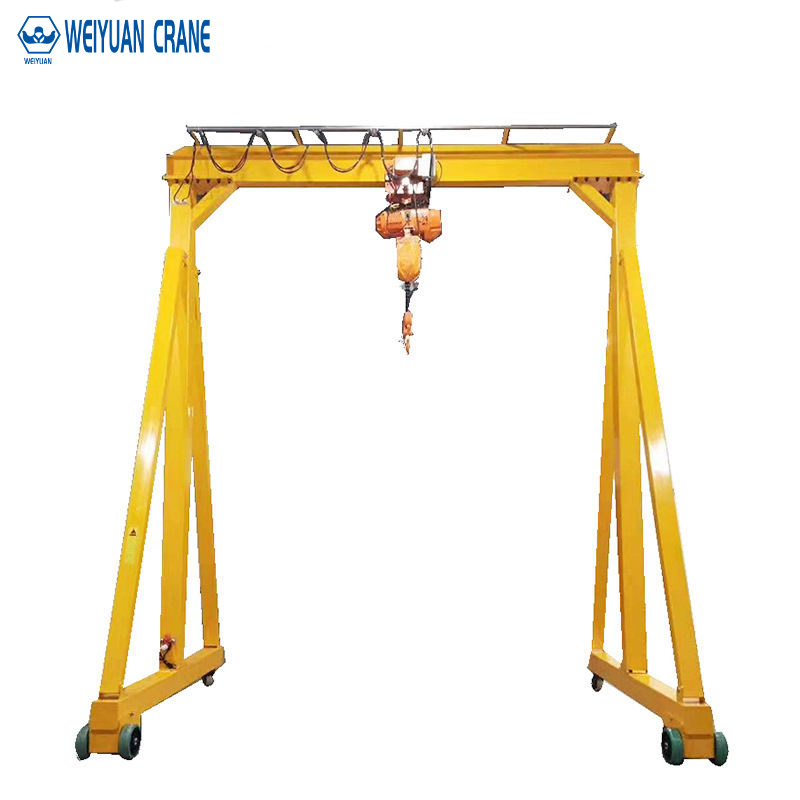
The compensation of a Gantry crane operator is a direct reflection of the vital role they play in global logistics, manufacturing, and construction. Operating a massive piece of machinery, whether it is a highly specialized rubber tyre gantry crane at a port or a general industrial gantry crane in a factory, requires significant skill, extensive training, and unwavering attention to safety. This high level of responsibility directly impacts the operator’s earnings.
While salaries vary widely based on location, industry, and the specific type of crane (e.g., an automated container crane versus a small 2 ton gantry crane), understanding the value drivers of the job provides the clearest picture of potential income.
The Gantry Crane: The Economic Engine Driving Operator Value
The operator’s salary is justified by the immense economic power of the equipment they manage. A Gantry crane is the central component in handling expensive, heavy, and mission-critical materials.
1. Product Description: The Operator’s Domain
The Gantry crane gets its name from its distinctive “door-like” steel structure, which supports an electric hoist or trolley and stands on independent vertical legs.
- Product Purpose: The primary role of the Gantry crane is the vertical lifting and horizontal movement of heavy loads along a fixed area or track. They are ideally suited for expansive outdoor or indoor environments where structural pillars are absent or insufficient.
- Core Advantages: The structural independence of the Gantry crane provides significant benefits:
- High Adaptability: It can be independently installed in outdoor yards without needing structural support from the factory building.
- Cost Efficiency: In certain outdoor and large-span applications, the construction cost can be lower than that of traditional bridge cranes.
- Reliability: These cranes are designed to handle super-heavy loads, from tens to hundreds of tons, ensuring continuous production flow.
- Attraction: The Gantry crane helps enterprises optimize facility layouts, accelerate material turnover, and subsequently reduce operating costs while boosting overall productivity.
2. Skill and Technology: Features That Demand Higher Pay
The increasing complexity of modern Gantry cranes means operators must master specialized technology, which commands better compensation.
| Feature | Skill Required | Pay Driver |
| Rubber Tired Gantry Cranes (RTGs) | Mastery of precise, multi-directional steering and container stacking in congested yards. | Specialization in high-volume logistics and port operations. |
| VVVF Control & Automation | Expertise in using Variable Frequency Drives for smooth starts/stops and millimeter-level load positioning. | Precision handling minimizes damage to expensive materials and infrastructure. |
| Remote Monitoring & Diagnostics | Ability to interpret real-time data and communicate technical faults accurately. | Contributes to proactive maintenance and reduces costly downtime. |
| Advanced Anti-Sway Systems | Skill in overriding or collaborating with automated systems for precise movement under extreme conditions. | Enhances safety and efficiency in high-wind or high-lift situations. |
3. The Salary Factors: From Capacity to Compliance
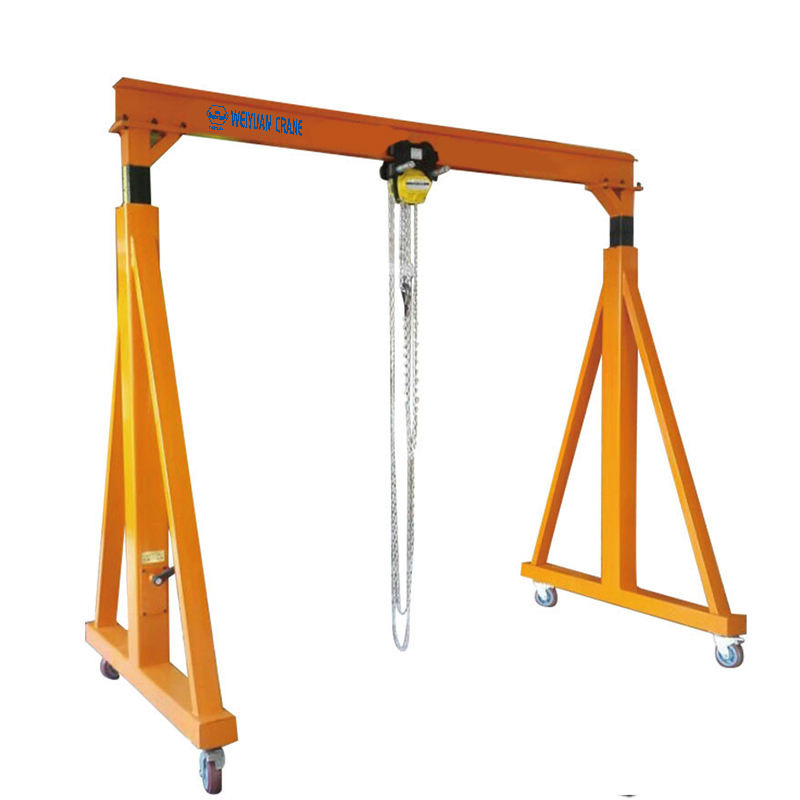
The operator’s income is primarily determined by the size and type of the crane, the level of training required, and the inherent risks of the environment.
- Capacity (SWL) 500 Tons+: Operating a heavy duty gantry crane at a shipyard or steel mill commands the highest compensation due to extreme load risk and structural complexity.
- Duty Class (A7 to A8): Operating a full-time, high-cycle rubber tyred gantry crane (RTG) at a port results in high pay due to the continuous nature and intensity of the work.
- Customized Environment: Operating an industrial automotive gantry crane in a hazardous or highly regulated assembly line reflects compensation for specialized certifications and unique handling requirements.
- Training and Certification: High salaries are typically reserved for operators who possess advanced certifications and experience with complex machines.
4. Technical Specifications and Training Requirements
High compensation is justified by the requirement to master the technical specifications and operational demands of the machinery.
| Specification Item | Role Example | Training Focus |
| Lifting Capacity (SWL) | Up to 500 tons or higher | Rigorous training on load calculation, center of gravity, and overload management. |
| Duty Class (A5 to A8) | Operating high-frequency systems. | Expertise in continuous operation and predictive maintenance monitoring. |
| VVVF Control | Ensuring micro-positioning. | Advanced skill in using Variable Frequency Drives for precision assembly. |
| Material (Q235/Q345) | Understanding structural limitations. | Knowledge of structural inspection and identifying fatigue or damage in gantry crane parts. |
5. Applications and Partnership: The Industrial Environment
Where the Gantry crane is used fundamentally dictates the operator’s wage scale. Ports and heavy manufacturing facilities generally offer the highest compensation.
- Ports and Docks: Rubber tired gantry cranes and Rail-Mounted Gantry Cranes (RMGs) are critical for global trade, making port operators highly valued.
- Manufacturing and Fabrication: Operators are paid well for maneuvering massive components in shipbuilding and steel foundries.
- Customization: Operating OEM port gantry crane product systems requires specific training often leading to specialized pay scales.
- Gantry Crane vs Bridge Crane: Expertise in the structural differences and operational limitations between these two systems is a crucial differentiator for many roles.
6. Safety and Compliance as a Baseline Requirement
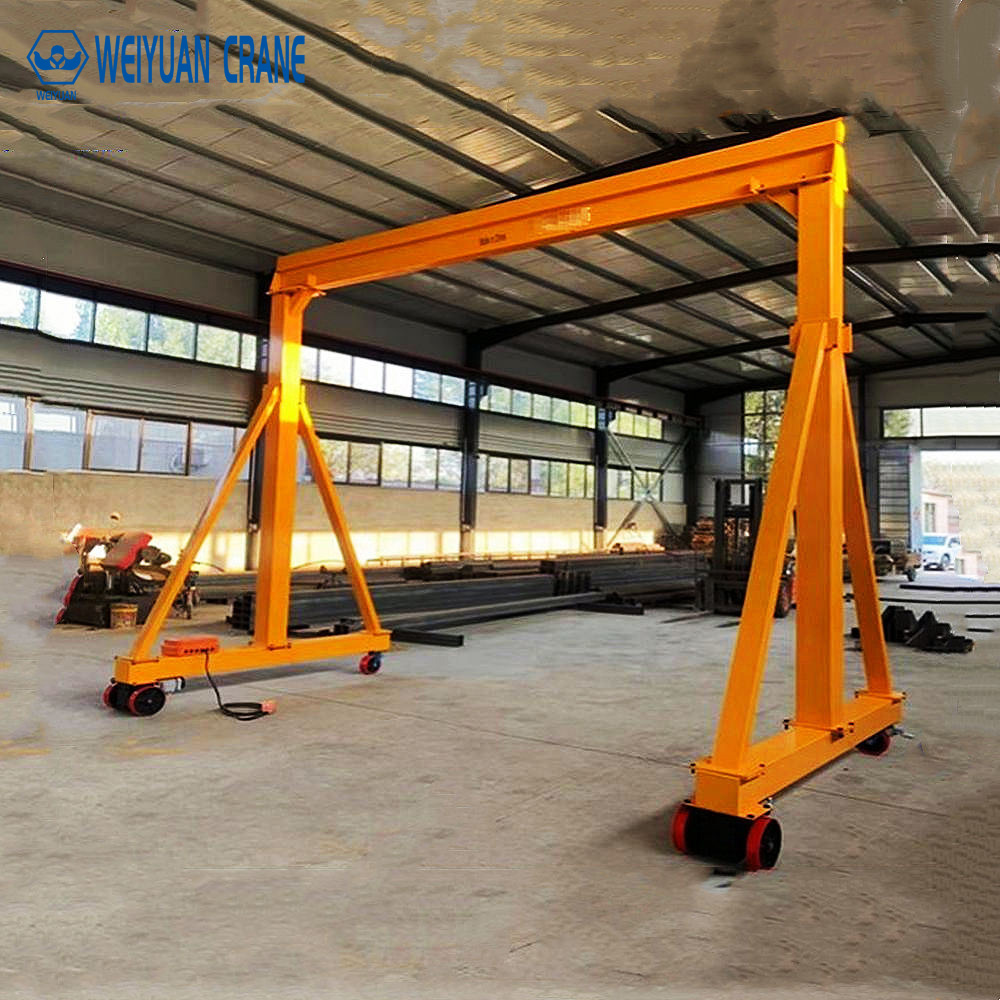
Operators are integral to maintaining the safety and compliance of the equipment.
- Quality Assurance: Operators must ensure the crane is used in compliance with the manufacturer’s standards (like those followed by WEIYUAN), which adhere to ISO 9001 quality management.
- Safety Devices: Operators are trained on the function of safety features, including overload protection, limit switches, and emergency stops.
- Installation and Maintenance: The operator assists in daily checks, ensuring all systems, including the gantry crane trolley and hoist, are functioning correctly before operation.
7. Case Study: Maximizing Efficiency in Shipyard Operations
Case: X Shipyard Large Gantry Crane Installation
- Project Challenge: Maneuvering 300-ton hull sections in a corrosive seaside environment.
- The Solution: We delivered a 300-ton double-main girder track-mounted Gantry crane. It featured high-protection-grade motors and electric control systems, anti-corrosion paint, and a high-precision VVVF system to ensure accurate micro-positioning.
- Client Benefits: The intervention significantly boosted the speed and precision of hull assembly, shortened the shipbuilding cycle, and enhanced the shipyard’s competitive capacity. The skill of the operators was key to this success.
8. Installation and Support Services
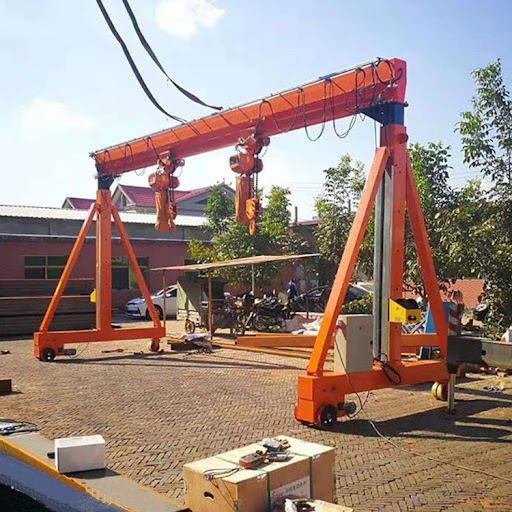
When investing in complex machinery like a Gantry crane, partnering with a manufacturer who provides end-to-end service is essential. WEIYUAN is a professional production manufacturer integrating production, sales, design, and installation, offering specialized expertise throughout the equipment’s lifecycle.
We offer comprehensive support:
- Guidance: Detailed installation manuals and video tutorials, supported by our installation team.
- On-site Support: Professional teams are available to assist with on-site installation.
- After-Sales: One-year warranty and support for specified parts repair and replacement.
9. Pricing and Quotation
Pricing is determined by the specific specifications and customization required. Contact us to receive a personalized quote.
10. Delivery Cycle
- Standard Models: 3-5 working days for delivery of in-stock items.
- Customized Models: 2-4 weeks, depending on design complexity.