


How Much is an Overhead Crane Operator Paid? Understanding the Value of Crane Expertise
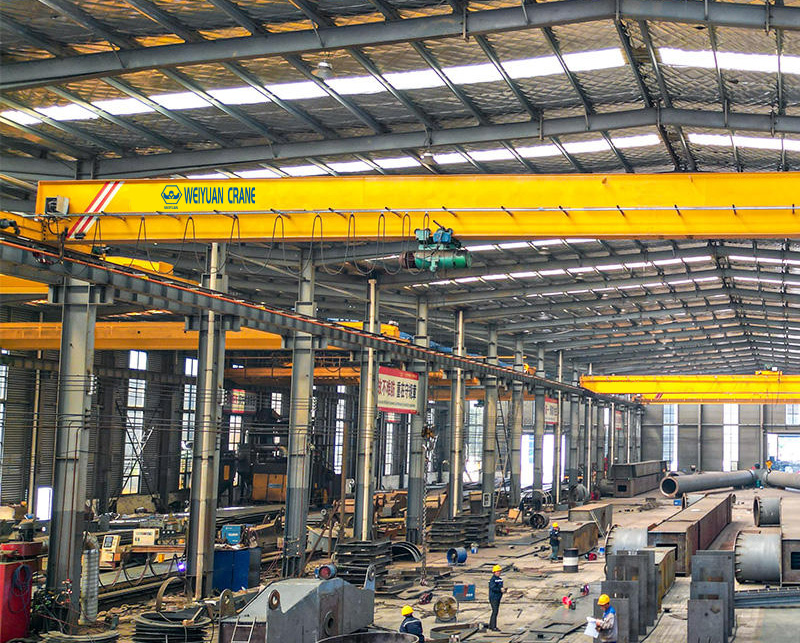
The question of how much an overhead crane operator makes is often top-of-mind for those considering a career in heavy industry or for companies looking to budget for skilled labor. The compensation for an operator managing an overhead crane—a machine vital for global manufacturing, logistics, and infrastructure—is reflective of their high level of training, responsibility, and the precision required in the role.
Salaries for overhead crane operator jobs vary widely based on location, industry, and the specific type of crane (e.g., an automated container crane versus a small 2 ton gantry crane), understanding the value drivers of the job provides the clearest picture of potential income.
The Overhead Crane: The Economic Value Driver
An operator’s salary is justified by the massive economic value represented by the assets they handle and the uninterrupted production flow they maintain. The overhead bridge crane is a defining fixture in modern industrial buildings, designed for maximum efficiency.
1. Product Description: The Operator’s Domain
An overhead crane is characterized by its bridge structure running along elevated rails or runways mounted along the facility walls.
- Core Uses: The machine is central to the vertical lifting and horizontal handling of heavy materials in modern factories, warehouses, docks, and metallurgical facilities.
- Key Value: Operators optimize workshop space utilization, enhance material handling efficiency by over 20%, and ensure the precise, safe movement of large-sized or heavy goods.
- Real-World Examples: Applications include mold loading and unloading in automotive plants; steel coil lifting in processing factories; and component assembly in heavy machinery plants.
2. Features that Command Higher Pay
Modern overhead crane systems incorporate advanced technology that requires specialized operator training, which translates directly into higher compensation.
- Drive System Mastery: Operators must be proficient with the three-in-one reducer system (hard-tooth gear reducer, variable frequency braking motor) that ensures stable operation and high positioning accuracy.
- VFD Control: Expertise in using Variable Frequency Drive (VFD) controls allows for stepless speed regulation, increasing operational efficiency and reducing mechanical shock.
- Advanced Safety Systems: Operators must be fully trained on safety components like the weight limiter and electrical safety devices, crucial for roles where safety is non-negotiable.
- Robust Durability: The cranes typically have a duty cycle ranging from A4 (medium) to A5 (heavy), meaning operators manage machinery designed for rigorous, consistent use.
3. The Salary Factors: From Capacity to Compliance
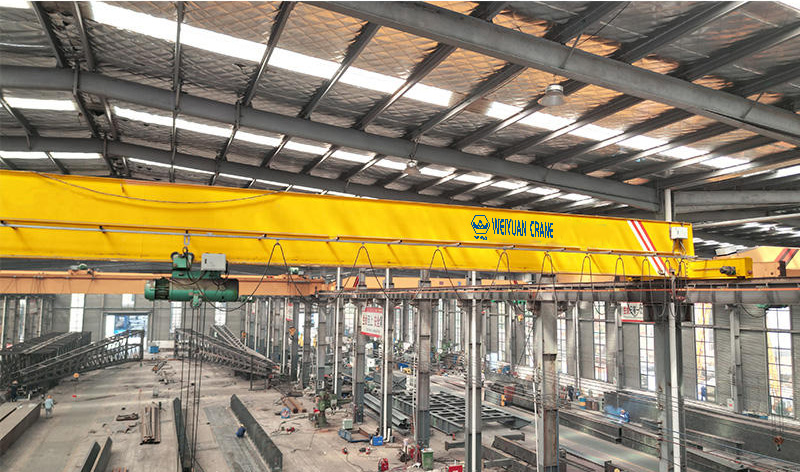
The operator’s income is primarily determined by the size and type of the crane, the level of training required, and the inherent risks of the environment.
- Capacity (SWL) up to 400 Tons: Handling super-heavy loads up to 400 tons (custom) or the standard 1 to 80 tons means higher pay for roles involving massive, high-risk loads.
- Duty Class (A7 to A8): Operating a full-time, high-cycle system results in high pay due to the continuous nature and intensity of the work.
- Customized Environment: Operating an industrial automotive gantry crane in a hazardous or highly regulated assembly line reflects compensation for specialized certifications and unique handling requirements.
- Training and Certification: High salaries are typically reserved for operators who possess advanced certifications and experience with complex machines.
4. Technical Specifications and Training Requirements
High compensation is justified by the requirement to master the technical specifications and operational demands of the machinery.
| Specification Item | Range | Training Focus |
| Capacity | 1 ton to 80 tons (standard) | Rigorous training on load calculation, center of gravity, and overload management. |
| Span | 7.5 meters-34 meters | Pay reflects the difficulty of handling loads across wide areas. |
| Lifting Height | 6meters-50 meters | Must be proficient in handling loads across extreme heights. |
| Control Voltage | Control circuit voltage for suspended controls not exceeding $50 \text{V}$. | Operators must be trained on all safety systems, including low-voltage controls. |
5. Applications and Career Stability
The diversity of applications for the overhead crane ensures stable career opportunities in several high-paying sectors.
- Metallurgy and Casting: Operating in extreme environments like steel mills, where the role involves high heat and risk.
- Heavy Machinery and Automotive: Handling expensive molds, dies, and large vehicle components.
- Railways and Logistics: Managing heavy containers and cargo in rail freight yards and large logistic centers.
6. Safety and Compliance as a Baseline Requirement
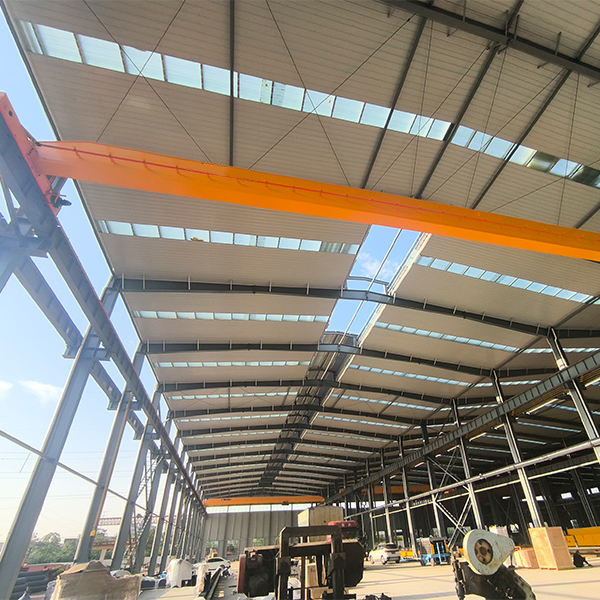
Operator safety is reinforced by the technical compliance of the machinery.
- Compliance: Our products strictly follow national and industry safety standards, such as the TSG Q0002-2008 safety regulation.
- Key Safety Devices: The machine must have a weight limiter that automatically cuts off lifting power when the load is exceeded.
- Control Voltage: The control circuit voltage for suspended control devices (pendant controls) does not exceed the $50 \text{V}$ safety voltage.
- Installation and Maintenance: The operator assists in daily checks, ensuring all systems, including the overhead crane hoist and components, are functioning correctly before operation.
7. Case Study: Quantifying the Value of Crane Operations
Case: Major Automotive Parts Manufacturing Plant
- Project Scale: Deployment of five 10-ton double-girder overhead bridge crane systems in the main assembly workshop.
- Operator Impact: Skilled operators ensured the production line rhythm was shortened by 8%. The cranes achieved over 8000 hours of safe operation with zero accidents, showcasing the value of precision operation. This efficiency gain directly contributes to the plant’s ability to offer competitive salaries.
8. Installation and Support Services
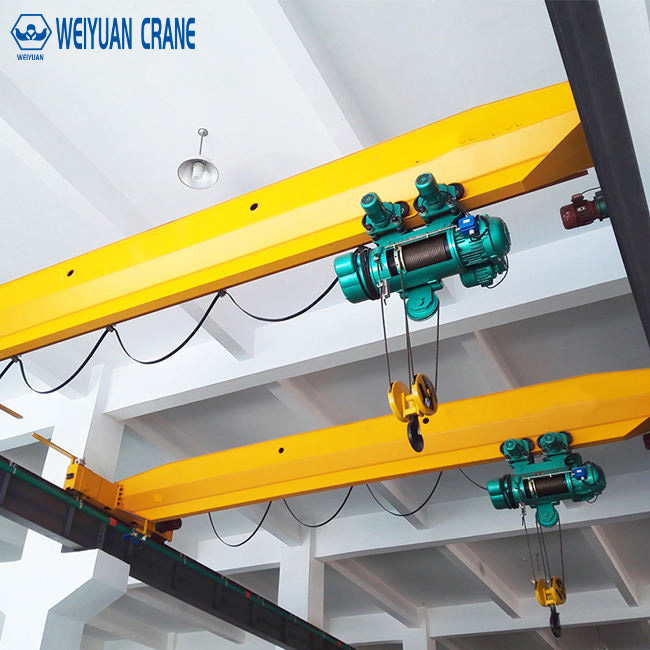
When investing in complex machinery like an overhead crane, partnering with a manufacturer who provides end-to-end service is essential. WEIYUAN is a professional production manufacturer integrating production, sales, design, and installation, offering specialized expertise throughout the equipment’s lifecycle.
We offer comprehensive support:
- Guidance: Detailed installation manuals and video tutorials, supported by our installation team.
- On-site Support: Professional teams are available to assist with on-site installation.
- After-Sales: One-year warranty and support for specified parts repair and replacement.
9. Pricing and Quotation
Pricing is determined by the specific specifications and customization required. Contact us to receive a personalized quote.
10. Delivery Cycle
- Standard Models: 3-5 working days for delivery of in-stock items.
- Customized Models: 2-4 weeks, depending on design complexity.