


Are Vevor Electric Hoists Any Good?
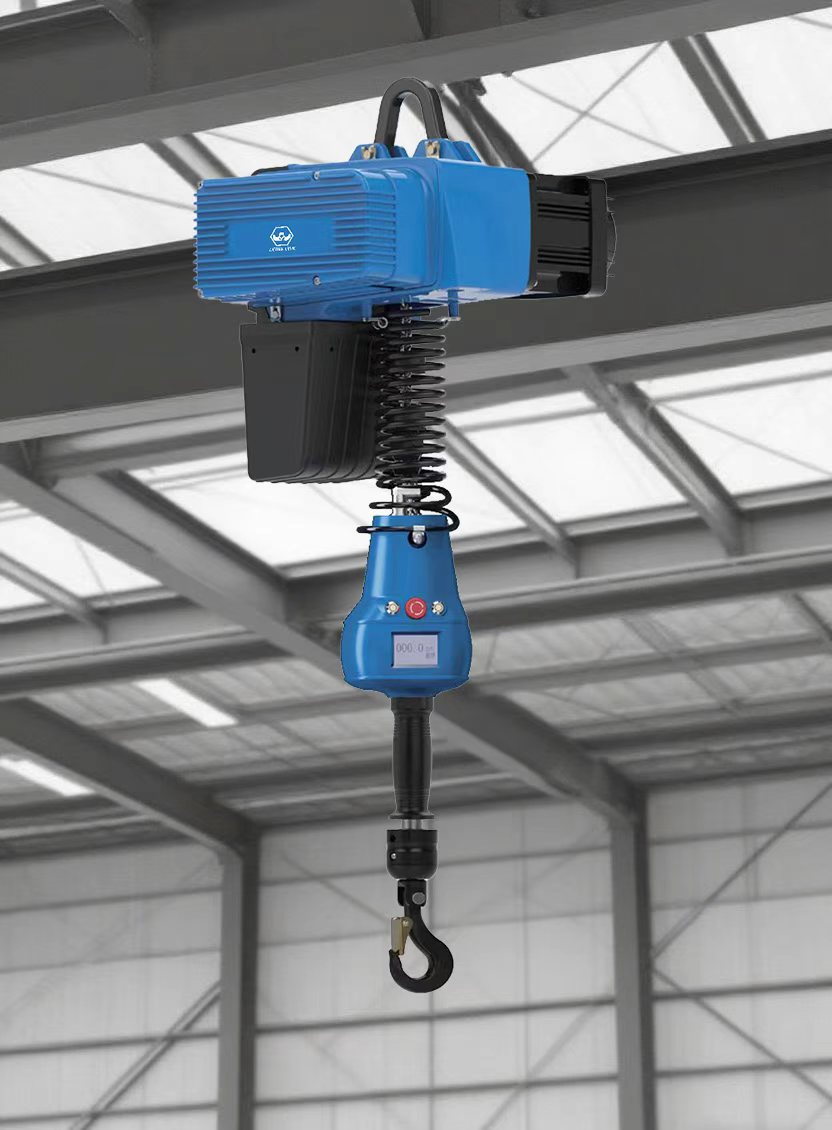
When browsing for lifting equipment, you will inevitably encounter a wide spectrum of brands, ranging from budget-friendly options found on e-commerce platforms to heavy-duty industrial systems. A common question among buyers is: “Are Vevor electric hoists any good?” The answer depends entirely on your specific application. If you are a hobbyist lifting a lawnmower in a garage, consumer-grade tools may suffice. However, for warehouse managers, factory owners, and logistics professionals, the requirements for safety, duty cycle, and longevity are vastly different.
This guide provides an in-depth analysis of electric hoist technology, comparing consumer-grade options (like Vevor, Pittsburgh, or generic amazon electric hoist models) with professional industrial solutions. As WEIYUAN, a professional production manufacturer integrating production, sales, design, and installation, we offer this guide to help you make an informed decision based on value, safety, and long-term operational efficiency.
1. Product Description: Defining the Electric Hoist
An electric hoist is an electro-mechanical device used to lift, lower, and move heavy materials vertically. It consists of a lifting motor, a gear reducer, a brake, and a lifting medium (either chain or wire rope).
The Industrial Standard vs. The Consumer Tool
- Consumer/DIY Hoists: Products like the mini electric chain hoist or the pittsburgh 440 lb electric hoist are designed for intermittent use. They are compact, lightweight, and suitable for tasks like a home garage electric hoist for jeep hardtop removal or lifting light machinery. They often use single-phase power and have limited duty cycles.
- Industrial Hoists: Industrial units, such as a 10 ton electric chain hoist or a cable hoist electric system found in factories, are engineered for continuous operation. They utilize three-phase power, high-grade alloy steel chains, and sophisticated cooling systems to prevent overheating during repetitive lifts.
Core Utility and Attraction
For industrial users, the electric hoist is not just a tool but a critical node in the production line.
- Efficiency: It converts electrical energy into mechanical lifting power, allowing a single operator to move multi-ton loads effortlessly.
- Safety: By removing the physical strain from workers, it reduces injury rates and enables the precise positioning of heavy components, such as engine blocks or steel beams.
- Versatility: From a 1000 kg electric hoist used in a small workshop to massive systems in shipyards, these devices scale to meet any lifting challenge.
2. Features and Advantages: What Makes a Hoist “Good”?
To determine if a hoist is “good,” one must look beyond the sticker price and evaluate the engineering features. While a vevor electric chain hoist might be attractive for its initial cost, professional equipment offers distinct advantages in materials and performance.
Material Quality and Durability
- Housing: Industrial hoists feature die-cast aluminum alloy shells that are light yet rugged, with high heat dissipation rates. Consumer units often use stamped steel or plastic covers which retain heat.
- Motor Windings: Professional electric chain hoist 1 4 ton units and larger use 100 percent copper windings for maximum conductivity and heat resistance. Cheaper alternatives may use copper-clad aluminum, which degrades faster under load.
- Gears: High-precision, heat-treated helical gears in an oil bath ensure quiet operation and long life in professional units.
Operational Performance
- Duty Cycle: This is the critical differentiator. A small electric hoist for DIY use might have a 20 percent duty cycle (operate 2 minutes, cool down 8 minutes). Industrial hoists often feature M4, M5, or M6 ratings, allowing for continuous operation without burnout.
- Lifting Speed: Industrial workflows require speed. A wire rope electric hoist in a factory needs to move materials quickly to keep up with production, whereas a 1000 pound electric hoist in a garage can afford to be slow.
- Trolley Integration: Industrial systems often come as an electric chain hoist with trolley, allowing for seamless lateral movement along an I-beam, integrated with the plant’s workflow.
Advanced Features in Professional Units
- Limit Switches: Top and bottom limit switches prevent the hook from over-traveling, a standard safety feature in WEIYUAN products.
- Phase Error Relay: Prevents the motor from running if the power supply wiring is incorrect, protecting the electronics.
3. Technical Specifications: The Metrics That Matter
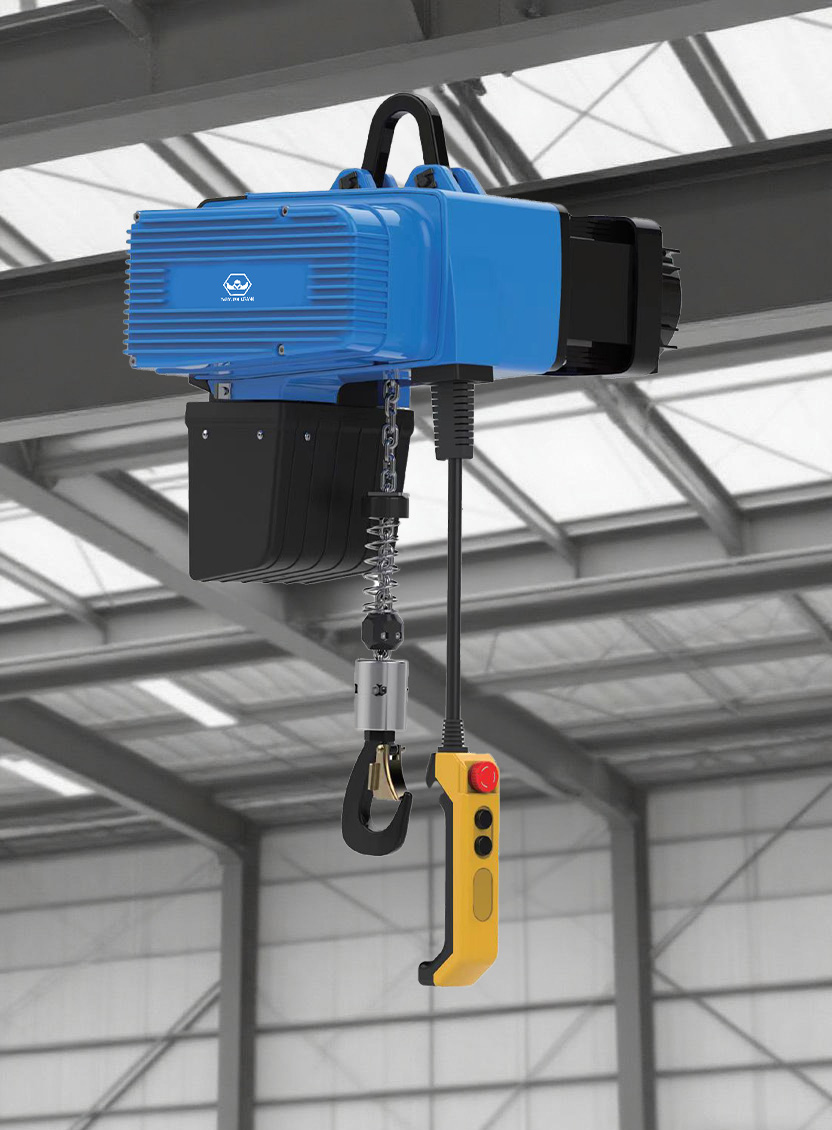
When selecting an electric hoist, understanding the technical data is essential to ensure compatibility with your facility.
| Specification | Consumer Grade (e.g., Mini Hoist) | Industrial Grade (WEIYUAN Standard) | Comparison Note |
| Capacity | 1000 lb electric hoist / 3000 lb electric hoist | 1000 kg electric hoist up to 10 ton electric chain hoist | Industrial units handle metric tons reliably. |
| Voltage | 110V/220V Single Phase | 220V-600V 3-Phase | 3-Phase provides smoother, more consistent power. |
| Lift Height | 10-40 ft (Standard) | 3-100 meters (Customizable) | Industrial hoists cater to high-bay warehouses. |
| Lifting Speed | Fixed, Slow (e.g., 5-10 m/min) | Dual Speed (e.g., 0.8/5.0 m/min) | Dual speed allows for precision placement. |
| Control Voltage | Line Voltage (High risk) | 24V/36V/48V (Low Voltage) | Low voltage controls protect the operator. |
| Insulation Class | Class B | Class F or H | High insulation withstands higher temperatures. |
4. Customization Options: WEIYUAN Personalized Services
Unlike buying an off-the-shelf electric hoist nearby from a retailer, partnering with a manufacturer like WEIYUAN allows for complete customization. We provide free design and personalized customization services to meet specific operational requirements.
- Dimensional Customization: We can tailor the hoist dimensions to fit low-headroom areas, optimizing lifting height in facilities with low ceilings.
- Control Systems: Customization of pendant cable lengths or integration of electric hoist trolley systems with wireless remote controls for improved operator safety.
- Environmental Adaptation: For clients needing a 12 volt dc electric hoist for mobile trucks or units for chemical plants, we offer specialized anti-corrosion paints, stainless steel chains, and explosion-proof motors.
- Branding: We support OEM services, allowing customization of color schemes and logos to match your company’s branding identity.
5. Application Fields: Where Do Electric Hoists Belong?
The application determines the type of hoist required. While a dayton electric chain hoist might be found in a commercial HVAC shop, WEIYUAN products cover a broader industrial spectrum.
- Heavy Manufacturing: Used in automotive assembly lines for lifting engines and chassis. High-speed and high-duty cycles are mandatory here.
- Warehousing and Logistics: Electric pulley hoist systems are used for loading and unloading trucks and organizing heavy pallets on high racks.
- Construction: Electric hoist ladder systems and scaffold hoists lift building materials to upper floors safely.
- Mining and Energy: Heavy-duty wire rope hoists are used for maintenance of turbines and drilling equipment.
- Specialty Applications:
- Electric hoist for jeep hardtop: A niche consumer application requiring low capacity and slow speed.
- Electric chain hoist milwaukee: Often sought by contractors for portable, on-site utility.
6. Safety and Compliance: The Non-Negotiable Standard
Safety is the paramount concern in material handling. While consumer units might meet basic standards, industrial environments require rigorous compliance.
- Certifications: All WEIYUAN products comply with international standards such as CE certification (Europe) and align with ISO quality management systems. This ensures the equipment is safe for use in regulated environments.
- Overload Protection: Our hoists feature a mechanical or electronic overload limiter. If a user attempts to lift a load beyond the rated capacity (e.g., overloading a 1000 kg electric hoist), the motor will cut off power to prevent structural failure.
- Braking Systems: We utilize advanced magnetic braking systems or mechanical load brakes that engage instantly upon power loss, preventing the load from dropping.
- Testing: Every unit undergoes a load test at 125 percent of the rated capacity before leaving our factory.
7. Case Study: Upgrading from Consumer to Industrial
Project: Logistics Distribution Center, Southeast Asia.
The Challenge: A logistics company initially purchased several small electric hoists (similar to harbor freight electric chain hoist models) to save on initial capital expenditure. These units were used for loading heavy crates onto conveyor belts. Within three months, the motors began to overheat and fail due to the high frequency of lifts (approx. 200 lifts per day). The downtime costs quickly exceeded the initial savings.
The WEIYUAN Solution: We analyzed their workflow and recommended replacing the failed units with our 1-ton industrial electric chain hoist equipped with a motorized trolley and cooling fan-cooled motors rated for M5 duty cycle.
The Result:
- Efficiency: The new hoists operated continuously without overheating, eliminating downtime.
- Speed: Lifting speed increased by 30 percent, improving overall throughput.
- ROI: Although the initial cost was higher, the reliability meant the investment paid for itself within six months through increased productivity and zero maintenance costs. This case demonstrates that while a cheap hoist might be “good” for a hobbyist, it is a liability for a business.
8. Installation and Support
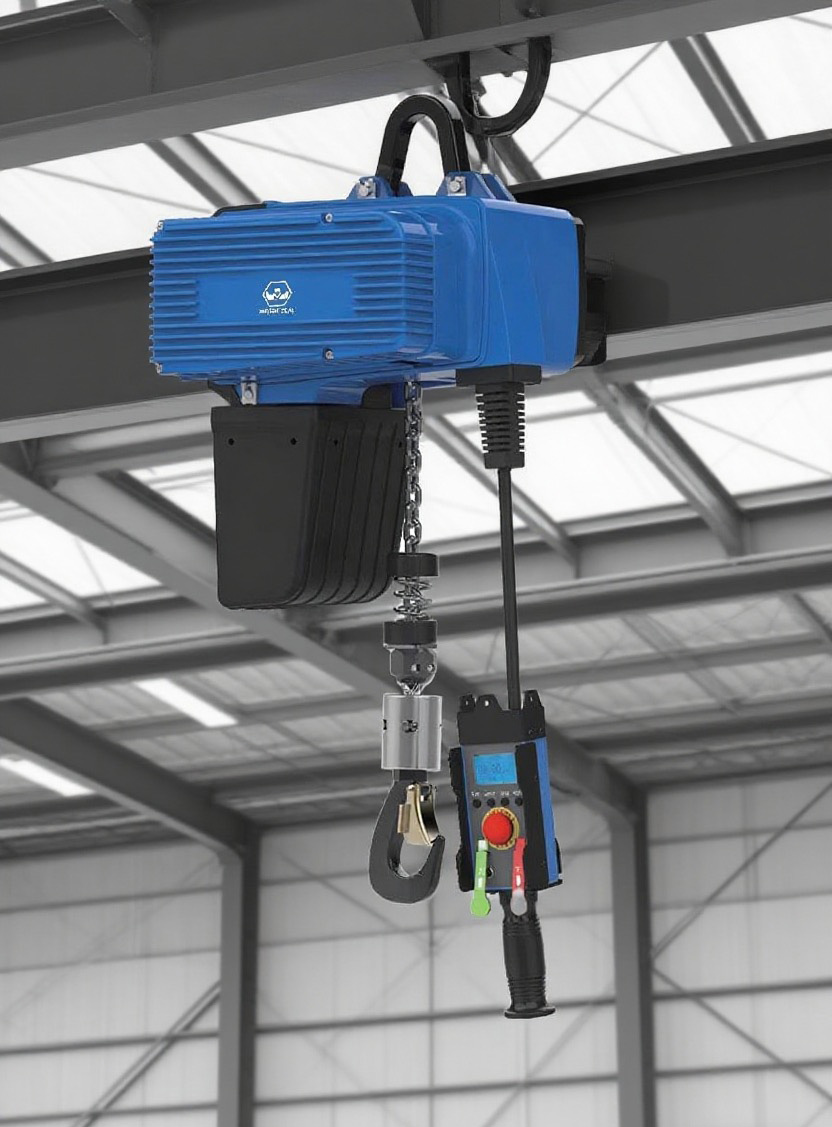
Proper installation is critical for the longevity of an electric hoist.
- Professional Guidance: WEIYUAN provides detailed installation manuals, video tutorials, and electrical schematics.
- Technical Support: Our team offers 24/7 online technical support to assist your local installation team.
- On-Site Assistance: For complex projects involving gantry or bridge cranes, we can dispatch senior engineers to the site for supervision and commissioning.
- Maintenance Training: We educate your staff on how to inspect chains, check lubrication, and test limit switches, ensuring your cable hoist electric system remains safe.
9. Pricing and Quotation
Pricing for industrial hoists varies based on capacity, lifting height, and customization.
- Get a Quote: To receive a precise proposal, please contact our sales team. We provide transparent pricing that reflects the quality and durability of the components.
- Cost vs. Value: While a vevor electric chain hoist might be cheaper upfront, a WEIYUAN hoist offers a lower Total Cost of Ownership (TCO) due to durability and reduced maintenance.
- Options: We can provide quotes for everything from a mini electric chain hoist for light duty to heavy 10 ton electric chain hoist systems.
10. Delivery Cycle
We understand that time is critical in industrial projects.
- Standard Models: Standard voltage and capacity hoists (e.g., 1 ton, 2 ton, 3 ton) are typically in stock or have a production lead time of 3-7 days.
- Customized Models: Units requiring special voltages, non-standard lift heights, or special environmental protection typically require 15-25 days for production and testing.
- Logistics: We handle export packaging and can arrange shipping via sea, air, or rail to Europe, Asia, and Africa.
11. FAQ: Common Questions
Q1: Can I use a generic amazon electric hoist for my factory production line?
A: It is not recommended. Most generic hoists sold on consumer platforms are designed for intermittent DIY use. Using them in a production line can lead to motor burnout and safety hazards. You need an industrial-grade hoist with a proper duty cycle rating.
Q2: What is the difference between a wire rope hoist and a chain hoist?
A: Generally, electric chain hoists are preferred for capacities under 5 tons and for applications requiring vertical lifting with high durability. Wire rope electric hoists are often used for higher capacities (10 tons+) and faster lifting speeds in large overhead cranes.
Q3: Can I install the hoist myself?
A: Simple hook-mounted hoists can be installed by competent maintenance personnel following our manual. However, for trolley-mounted systems or integration into complex cranes, we recommend professional installation to ensure the beam and power supply are correctly rated.
Q4: Do you offer 12 volt dc electric hoist models?
A: Yes, we offer specialized DC hoists suitable for trucks or sites without mains power. Please specify this requirement when requesting a quote.
Q5: What maintenance does an electric hoist require?
A: Regular inspections of the chain or wire rope for wear, checking the brake function, and ensuring the gearbox is lubricated are essential. Our user manual provides a detailed maintenance schedule.
Q6: Is a 10 ton electric chain hoist practical?
A: Yes, for applications where headroom is limited or a compact design is needed, a high-capacity chain hoist is often better than a bulky wire rope hoist.
Ready to upgrade your lifting capabilities? Contact WEIYUAN today for a professional consultation and discover the difference industrial-quality equipment makes to your bottom line. Whether you need a robust electric chain hoist with trolley or a specialized lifting solution, we are your trusted partner.