


How Much Can a 1 Ton Chain Electric Hoist Lift? Defining Capacity and Performance
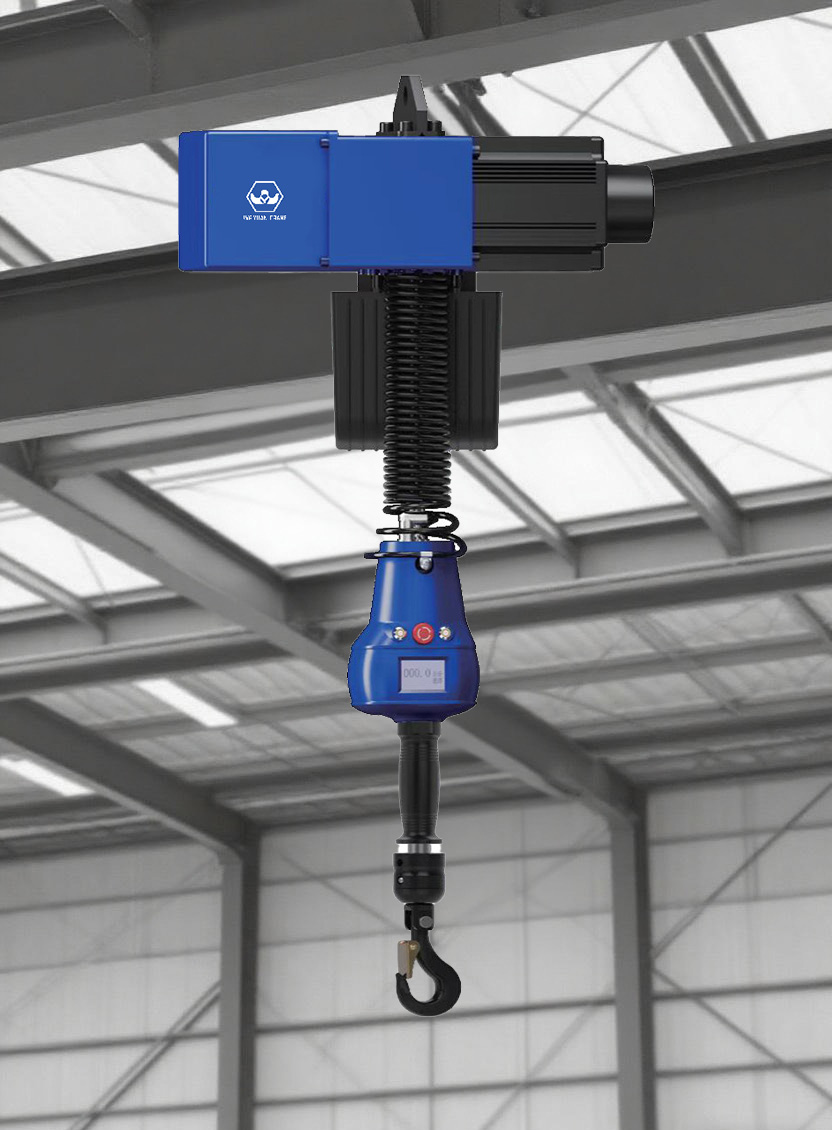
The question of how much a 1-ton chain electric hoist can lift might seem to have a simple answer: one ton. However, in the professional world of material handling, the answer involves understanding Safe Working Loads (SWL), safety margins, and the engineering that guarantees reliability. Technically, a 1-ton hoist is rated to lift exactly 1,000 kilograms (metric ton) or approximately 2,200 pounds.
However, the true value of an electric hoist lies not just in the maximum weight it can bear, but in how safely and efficiently it handles that weight over thousands of cycles. For facility managers in Europe, Asia, and Africa, understanding these limits is critical to preventing accidents and optimizing production.
This guide explores the capabilities of the 1-ton electric hoist, differentiating professional equipment from DIY solutions, and explaining why WEIYUAN, a professional production manufacturer integrating production, sales, design, and installation, is the preferred partner for heavy lifting solutions.
Product Description: The Industrial Workhorse
The 1-ton electric chain hoist is the most versatile and widely used lifting device in the industrial sector. It is a motor-driven system designed to lift and lower heavy loads vertically with precision.
- Core Utility: The hoist replaces manual lifting or rudimentary mechanical aids, providing a steady, powered lift that reduces operator fatigue and injury risk.
- Operational Mechanism: It utilizes an electric motor driving a gearbox, which in turn rotates a sprocket to move the load chain. This converts electrical energy into massive mechanical lifting force.
- Advantage: Unlike a manual chain block that requires physical exertion, the electric lifting hoist allows an operator to control a 2,200-pound load with the push of a button. This capability is essential for modern assembly lines, warehouses, and maintenance shops where speed and safety are paramount.
- Attraction: The primary appeal is the significant boost in operational efficiency. A task that might take three workers 20 minutes to rig and lift manually can be accomplished by one worker in under two minutes with an electric hoist, ensuring a rapid return on investment.
Features and Advantages: Engineering for Reliability
A professional-grade electric hoist offers distinct advantages over consumer-grade models often found on general e-commerce sites like an amazon electric hoist.
Robust Material Construction
- Housing: We utilize high-strength aluminum alloy bodies formed by die-casting. This provides a lightweight yet incredibly durable shell that dissipates heat effectively, allowing for longer duty cycles than a standard steel shell.
- Chain: The lifting medium is a Grade 80 or Grade 100 heat-treated alloy steel chain. This chain is calibrated for the sprocket to prevent jamming and is resistant to wear and corrosion.
Advanced Performance Features
- Dual Speed Control: While a basic 500 pound electric hoist might only offer one speed, our industrial 1-ton units often feature dual speeds (fast for travel, slow for positioning). This allows for micro-precision when aligning heavy components, such as engines or molds.
- Cooling System: Integrated fans and cooling fins ensure the motor operates within safe temperature ranges even during extended shifts, a feature rarely found in a miniature electric hoist.
- Electromagnetic Braking: The brake engages instantly upon power cut-off, holding the load securely in mid-air. This serves as a critical fail-safe mechanism.
Technical Specifications: Defining the Limits
Understanding the technical specifications ensures you select the right tool for the job.
Standard 1-Ton Specifications
- Rated Capacity: 1 Ton (1000 kg / 2200 lbs).
- Test Load: 1.25 Tons (1250 kg). All units are tested beyond their rated capacity to ensure safety, though they should never be operated above 1 ton in daily use.
- Lifting Height: Standard 3 meters to 6 meters, with customization available up to 50 meters.
- Lifting Speed: Typically 6.6 meters/minute (single speed) or 6.9/2.3 meters/minute (dual speed).
- Power Supply: 3-Phase, 220V-440V, 50/60Hz. Single-phase options (like a 12 volt electric hoist for mobile use) are available for specific applications but are less common in heavy industry.
- Control Voltage: Low voltage (24V/36V/48V) to protect the operator.
Comparison Note
While you might find a harbor freight electric chain hoist or a milwaukee electric hoist suitable for intermittent DIY use, industrial specifications focus on Duty Cycle (ISO/FEM ratings). Our hoists are rated for M4, M5, or M6 duty, meaning they can run continuously for longer periods without overheating, unlike a light-duty electric deer hoist for truck usage.
Customization Options: WEIYUAN Personalized Services
Off-the-shelf products do not always fit unique industrial constraints. WEIYUAN provides complimentary design and personalized customization services to ensure the electric hoist fits your specific operational requirements.
Dimensional and Structural Customization
- Low Headroom: For facilities with low ceilings, we design low-headroom trolleys that maximize lifting height.
- Mounting Solutions: Whether you need an electric hoist mounting bracket for a fixed beam or a specialized hook suspension, we fabricate the interface to match your infrastructure.
- Capacity Tuning: While 1 ton is standard, we can engineer units for specific intermediate loads or scale up to an electric hoist 3 ton model and beyond.
Environmental Adaptation
- Outdoor Use: We offer IP55 or IP65 protection ratings, rain covers, and anti-corrosion paint for hoists used in outdoor yards or high-humidity areas.
- Specialized Control: We can integrate electric ceiling hoist controls into a central building management system or provide wireless remotes for enhanced operator safety.
- Branding: We offer OEM services, allowing customization of the hoist color (e.g., to match your company branding) and logo placement.
Application Fields: Where the 1-Ton Hoist Excels
The 1-ton electric hoist is the “utility player” of the industrial world, finding a home in diverse sectors.
Manufacturing and Assembly
- Automotive: Lifting engines and transmissions on assembly lines.
- Machining: Loading heavy raw metal stock into CNC machines.
- General Assembly: Moving sub-assemblies between workstations.
Logistics and Warehousing
- Loading Docks: Used for loading crates onto trucks where forklifts cannot reach.
- Storage: Vertical stacking of heavy pallets in mezzanines using an electric rope hoist or chain hoist.
Construction and Maintenance
- Site Work: Used for lifting materials to upper floors.
- Maintenance: Lifting pumps, motors, and HVAC units for repair in facility basements or rooftops.
Specialty Niche Applications
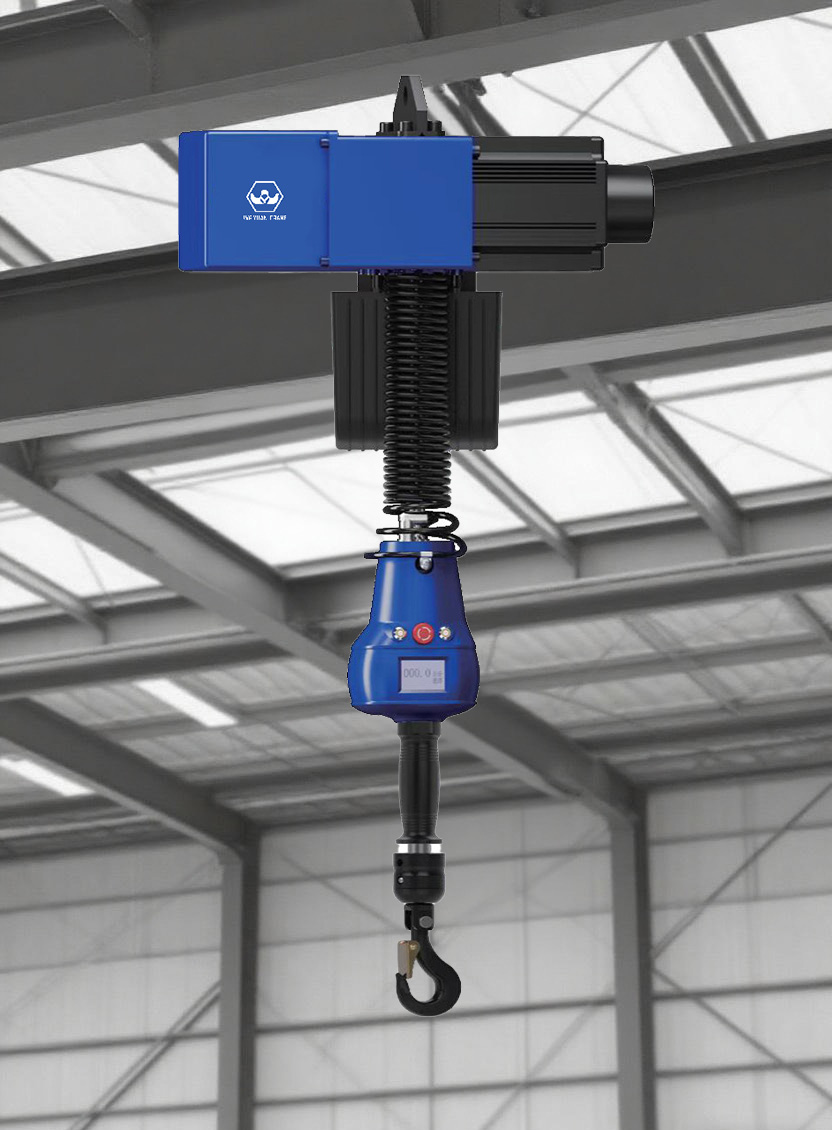
- While we focus on industrial use, the technology scales down. A deer hoist electric setup utilizes similar principles for hunters, and electric hoist home depot searches often lead hobbyists to smaller versions of our industrial technology for garage projects.
Safety and Compliance: The Foundation of Operation
Safety is the non-negotiable standard of our manufacturing process.
Regulatory Compliance
- Certifications: Our products comply with international standards such as CE certification (Europe) and align with ISO quality management systems. This ensures the equipment is safe for use in regulated environments globally.
- Standards: We adhere to the strict manufacturing guidelines that dictate material quality and testing procedures.
Built-In Safety Features
- Overload Protection: A mechanical slip clutch or electronic limit switch prevents the hoist from lifting loads heavier than 1 ton. This prevents structural failure and motor burnout.
- Limit Switches: Upper and lower limit switches stop the motor automatically if the hook travels too far, preventing the chain from jamming or the load from crashing into the hoist body.
- Emergency Stop: All controls feature a prominent emergency stop button that cuts power instantly.
Case Study: Efficiency Upgrade in a Textile Factory
Project: Textile Manufacturing Plant, South Asia.
The Challenge:
The factory relied on manual chain blocks to lift 800kg rolls of fabric onto cutting machines. The process was slow, requiring two workers and causing frequent downtime due to fatigue. They requested china electrical hoist crane quotes to modernize.
The WEIYUAN Solution:
We installed 20 units of our 1-ton electric chain hoist with motorized trolleys. We customized the chain bags to accommodate the lint-heavy environment and provided wireless remotes to allow operators to control the lift from a distance.
The Result:
- Efficiency: Loading time per roll decreased from 15 minutes to 3 minutes.
- Labor Savings: The task became a one-person job, allowing the second worker to focus on quality control.
- Safety: Back injuries related to manual lifting were eliminated.
- ROI: The investment was recovered within 9 months through increased production speed.
Installation and Support Services
Buying an electric chain hoist for sale is just the beginning. Proper installation and support are vital for longevity.
Installation Guidance
- We provide detailed installation manuals, wiring diagrams, and video tutorials.
- For complex projects, our senior engineers are available for remote guidance or on-site supervision to ensure the hoist is mounted correctly to the beam or gantry.
After-Sales Support
- Warranty: We offer a standard one-year warranty on core components.
- Parts Supply: We stock replacement chains, hooks, brake discs, and electrical components to ensure minimal downtime.
- Technical Advice: Our team helps troubleshoot issues, such as clarifying the difference between a 12 volt electric hoist (DC) and our industrial AC units.
Pricing and Quotation
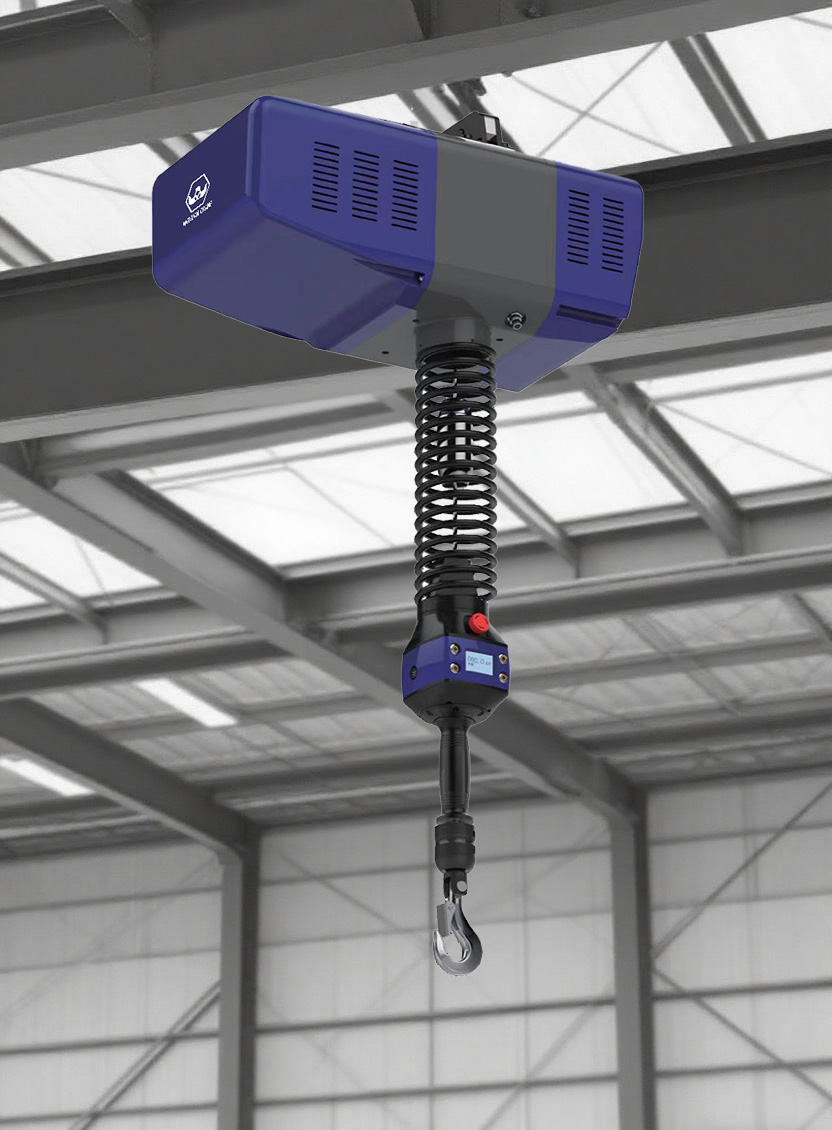
Pricing for an electric hoist varies based on configuration, lift height, and quantity.
Price Factors
- Base Unit: A standard hook-mount hoist is the most economical.
- Trolley: Adding a motorized or push trolley increases the cost but adds horizontal mobility.
- Lift Height: Standard is 3 meters; additional chain length adds to the material cost.
- Control: Wireless remotes are a premium add-on compared to wired pendants.
Get a Quote:
Contact WEIYUAN for a electric hoist for sale & price services consultation. We provide transparent quotes without hidden fees, offering factory-direct pricing that beats generic distributors.
Delivery Cycle
We understand that industrial projects run on tight schedules.
Timelines
- Standard Models: Standard voltage and capacity hoists (1 ton, 3 meter lift) are typically in stock or have a fast production lead time of 3-5 working days.
- Customized Models: Units requiring special voltages, non-standard lift heights, or specific environmental protections typically require 15-20 days for production and rigorous testing.
- Logistics: We handle professional packaging and arrange shipping via sea, air, or rail to major ports in Europe, Asia, and Africa.
FAQ: Common Questions
Q1: Can a 1-ton hoist lift exactly 1 ton safely?
A: Yes. The hoist is rated for a Safe Working Load (SWL) of 1 ton. It is tested at 125 percent of this capacity (1.25 tons) to ensure a safety margin, but you should never intentionally exceed the 1-ton limit during operation.
Q2: What is the difference between a wire rope hoist and a chain hoist?
A: Electric rope hoist models are typically used for very high capacities (10 tons+) or very high lift speeds. For 1-ton to 5-ton applications, chain hoists are more durable, compact, and cost-effective.
Q3: Can I use a 12 volt electric hoist in my factory?
A: Generally, no. A 12 volt electric hoist is designed for intermittent, mobile use (like on a truck winch) powered by a battery. Factories use AC power (220V/380V) for consistent, continuous power delivery required for production.
Q4: Do you offer a milwaukee 1 ton electric chain hoist?
A: We are WEIYUAN, a dedicated crane manufacturer. While brands like Milwaukee make excellent cordless tools, for fixed industrial lifting, a dedicated AC-powered industrial hoist offers superior duty cycles and longevity compared to battery-operated tools.
Q5: How do I mount the hoist?
A: Most industrial hoists come with a top hook or a lug mount. You can attach this to a fixed beam using a beam clamp or an electric hoist mounting bracket, or attach it to a trolley for mobility.
Q6: Is it hard to maintain?
A: No. Regular maintenance involves lubricating the chain, checking the oil level in the gearbox, and visually inspecting the hook and brake. We provide a full maintenance schedule with every unit.
Ready to upgrade your lifting capabilities?
Contact WEIYUAN today for a professional consultation. Whether you need a single 1-ton unit or a complete lifting system, we provide the industrial-quality solutions that drive your business forward.