


Is a gantry crane high risk? Mitigating Hazards Through Engineering and Training
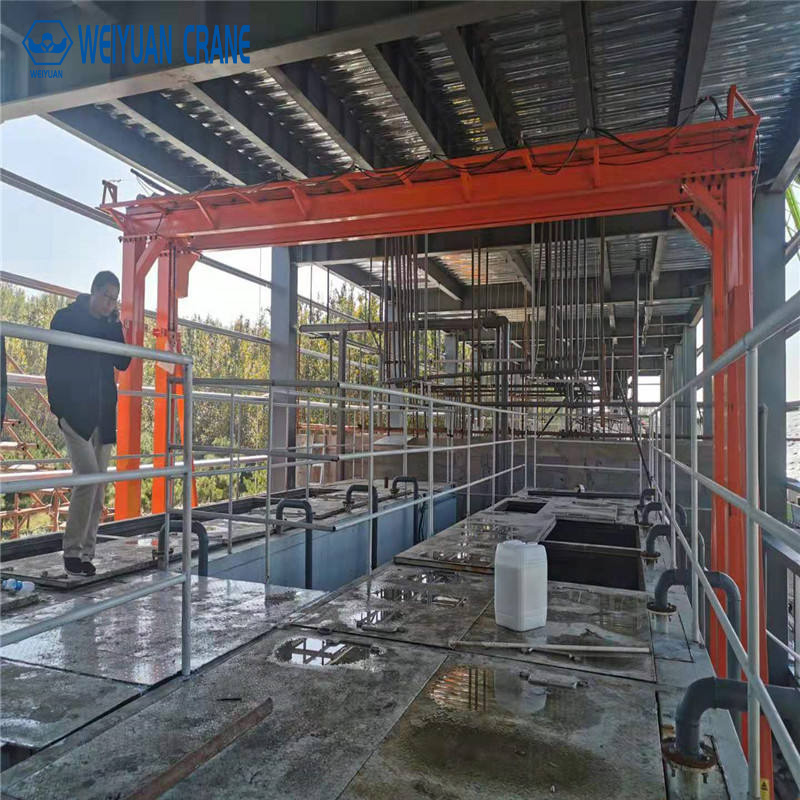
The operation of heavy machinery inherently involves risk, and the Gantry crane is no exception. However, asking “Is a gantry crane high risk?” requires a nuanced answer. While the potential for accidents exists due to the massive loads involved—ranging from a small portable unit to a massive 100-ton shipyard crane—modern engineering and strict safety protocols have transformed these machines into safe, reliable assets. The risk level is directly correlated with three factors: the quality of the equipment, the training of the operator, and adherence to safety maintenance. When managed correctly, a Gantry crane is a cornerstone of safe industrial efficiency.
1. Product Description: Engineering for Stability and Safety
A Gantry crane is defined by its distinctive “door-like” steel structure that stands on its own legs, supporting an electric hoist or trolley. This self-supporting nature is a key safety feature, as it does not rely on the structural integrity of the building’s walls or ceiling.
- Product Purpose: Its primary function is the vertical lifting and horizontal movement of heavy loads along a fixed track or area. It is indispensable for outdoor yards and indoor spaces without pillar constraints.
- Safety Advantages: The wide stance of the gantry legs provides a stable base, reducing the risk of tipping compared to mobile booms. Operators often have a clear line of sight to the load, unlike with some overhead systems. Modern systems utilize advanced controls to minimize load swing, a primary cause of accidents.
- Attraction: Beyond lifting power, the Gantry crane offers a high-value proposition by optimizing layout and accelerating material turnover, all while maintaining rigorous safety standards.
2. Risk Mitigation Features: Technology for Safety
Modern Gantry cranes are equipped with advanced features designed to neutralize risks before they become accidents.
- Robust Steel Structure: Prevents structural failure under high loads (e.g., heavy duty gantry crane applications), ensuring long service life and reducing downtime for repairs.
- VVVF Control: Provides smooth starting and stopping, eliminating jerky movements that cause load swing. This protects the load and structure, enhancing operational precision.
- Overload Protection: Automatically cuts power if the load exceeds the rated capacity (SWL), preventing catastrophic failure due to operator error.
- Remote Monitoring: Real-time diagnostics alert maintenance teams to potential faults before operation, facilitating proactive maintenance and preventing accidents caused by equipment failure.
- Configuration Versatility: Options include rail-mounted, rubber-tired (RTG)2, and semi-gantry designs to fit specific safety and spatial requirements.
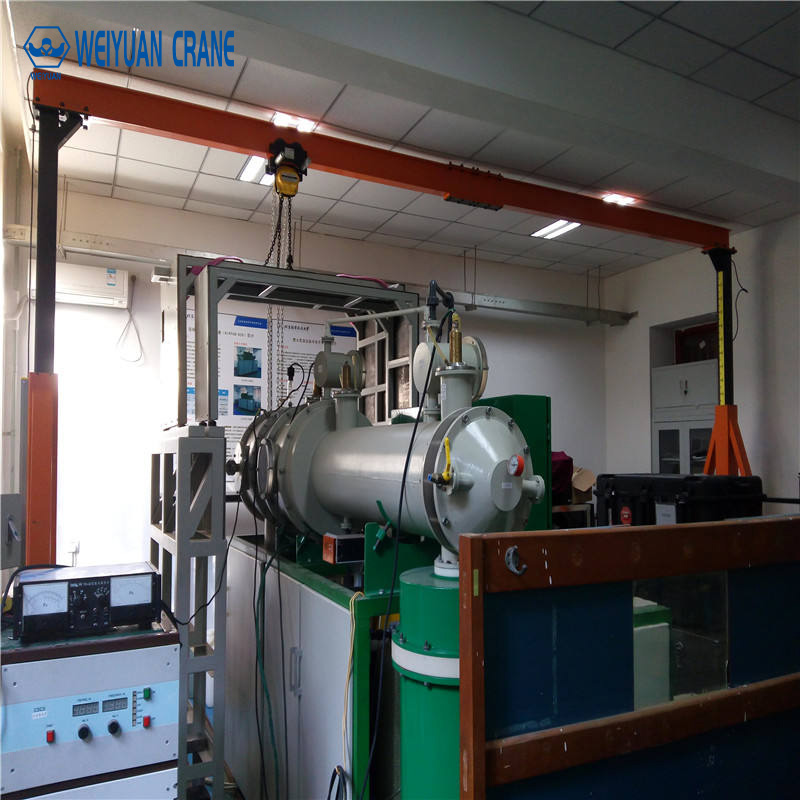
3. Technical Specifications: The Foundation of Safe Operation
Safety begins with selecting the correct specifications. Overloading a crane is the single biggest risk factor.
- Lifting Capacity (SWL): 5 tons to 500 tons. Never exceed the SWL; a 50-ton gantry crane must not lift 51 tons.
- Span: 10 meters to 50 meters. A wider span requires precise synchronization of the leg motors to prevent skewing.
- Duty Class: A5 (Medium) to A8 (Super Heavy). Using a low-duty crane for high-frequency work leads to fatigue failure.
- Power Supply: 380V / 50Hz. Stable power prevents motor burnout and control failure.
- Material: Q235/Q345 Structural Steel ensures impact resistance.
4. Customization for Environmental Safety
A generic crane in a specialized environment is a safety hazard. Customization ensures the equipment is fit for purpose. WEIYUAN is a professional production manufacturer integrating production, sales, design, and installation, offering complimentary design and personalized customization services.
- Environmental Adaptation: For outdoor or marine use, we provide anti-corrosion and anti-explosion designs. Using a standard industrial automotive gantry crane in a chemical plant is a high-risk error; we provide the correct specialized unit.
- Structural Fit: We customize the span and height to ensure the crane fits perfectly within the safe operating envelope of the facility, preventing collisions.
- Control Systems: We can integrate remote control or cabin operation to keep the operator at a safe distance from the load.
5. Application Fields: Managing Risk Across Industries
Different industries present unique risks. The versatility of the Gantry crane allows it to be adapted safely to each.
- Ports (RTG/RMG): Rubber tired gantry cranes use advanced anti-collision sensors to navigate busy container yards safely.
- Construction: Portable aluminum gantry crane models are lightweight yet stable, reducing the risk of back injuries during manual setup.
- Manufacturing: Single girder gantry crane systems in factories utilize limit switches to prevent travel beyond safe zones.
- Railways: Used for safe transloading in freight yards.
6. Safety and Compliance: The Legal and Ethical Standard
Strict adherence to standards is the primary defense against risk.
- Compliance: Our products meet international safety standards, including CE certification and ISO quality management systems.
- Mandatory Devices: All units are equipped with overload limiters, emergency stop buttons, and travel limit switches.
- Installation: Professional installation by certified teams eliminates risks associated with improper assembly.
7. Case Study: Safety Through Modernization
Case: X Shipyard Modernization
- Challenge: The shipyard was using outdated equipment to move massive hull sections, leading to safety concerns and slow production.
- Solution: We installed a 300-ton double-main girder Gantry crane equipped with high-protection motors and a precision VVVF control system.
- Safety Result: The precision control eliminated load swing, and the robust structure handled the heavy loads with a high safety factor. The shipyard achieved zero accidents while significantly boosting productivity.
8. Installation, Support, and Training
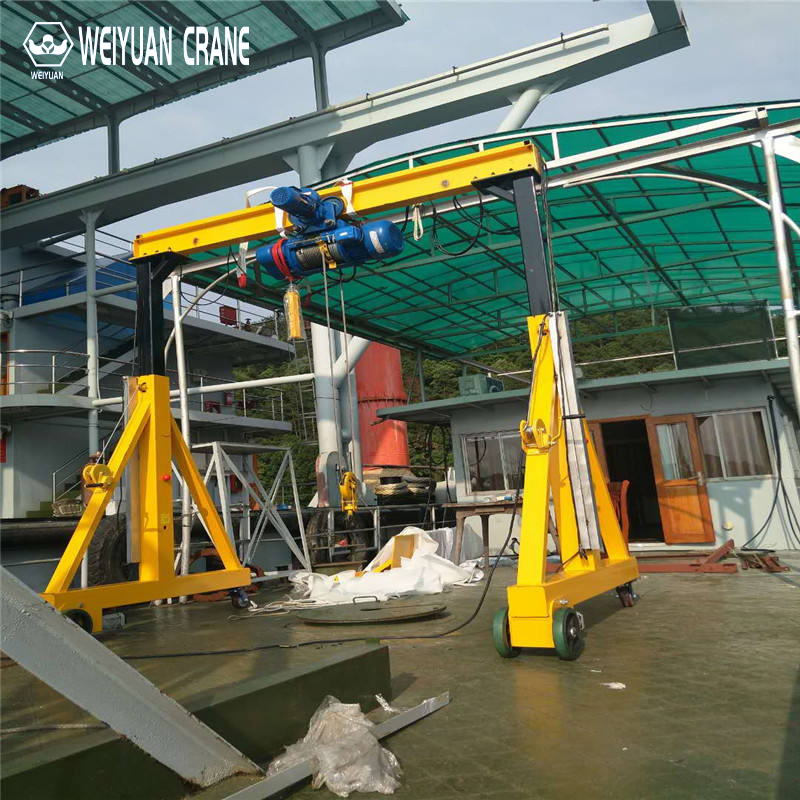
The human element is the final variable in the risk equation.
- Training: We provide comprehensive training for operators, covering load charts, safety signals, and emergency procedures.
- Support: Our team offers on-site technical assistance and remote guidance to ensure the equipment is maintained in peak safety condition.
- Maintenance: Regular professional maintenance is crucial. We support this with a one-year warranty and spare parts availability.
9. Pricing and Quotation
Pricing reflects the engineering required for safety. Contact us for a personalized quote for your overhead gantry cranes. We provide transparent pricing based on your specific safety and capacity needs.
10. Delivery Cycle
- Standard Models: Ship in 3-5 working days.
- Customized Models: Require 2-4 weeks for engineering and safety testing.
11. FAQ: Common Questions
- Q: What information should I provide for a quote? A: Lifting capacity, span, lifting height, and material type are essential for a safe design.
- Q: Can I rent a gantry crane? A: Yes, many companies offer portable gantry crane rental, but ensure the unit is inspected before use.
- Q: Can I visit your factory? A: Of course. We can pick you up at the train station, high-speed rail station, or airport and help you book a hotel3.
- Q: Is a gantry crane safer than a forklift? A: For heavy, overhead loads, yes. A gantry crane provides better stability and control than a forklift for suspended loads.