


Do I Need Training to Operate a Gantry Crane? Safety, Efficiency, and Operational Mastery
The question of whether training is required to operate a gantry crane is one of the most critical inquiries for facility managers and operators alike. The unequivocal answer is yes. Operating heavy lifting machinery, from a massive double girder gantry crane in a shipyard to a small portable gantry crane in a workshop, mandates specialized training. This is not merely a bureaucratic requirement; it is the foundation of industrial safety, legal compliance, and operational efficiency. While a gantry crane course might vary in duration and depth depending on the jurisdiction and the specific equipment classification, the necessity of understanding the machine’s physics, controls, and risks remains constant. Whether you are managing goliath gantry cranes or a simple fixed gantry crane, skilled operation is the primary defense against accidents and the key to maximizing the equipment’s lifespan.
1. Product Description: The Machinery Behind the Training
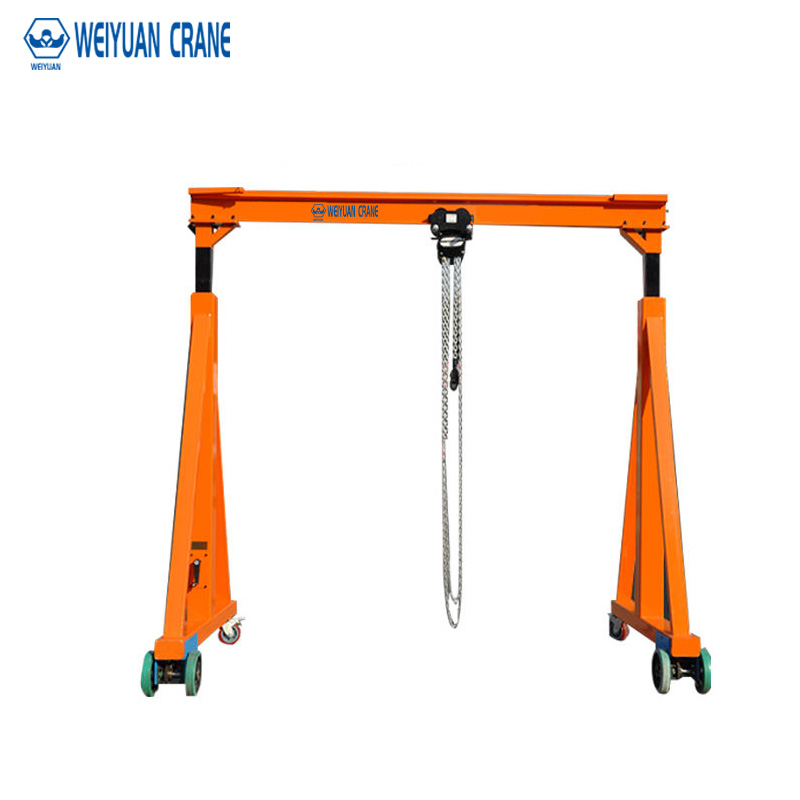
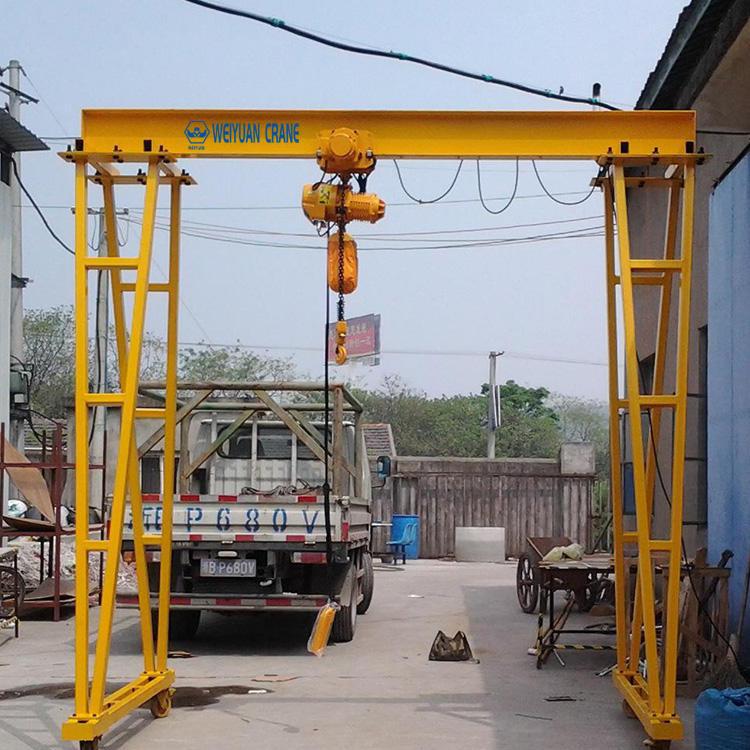
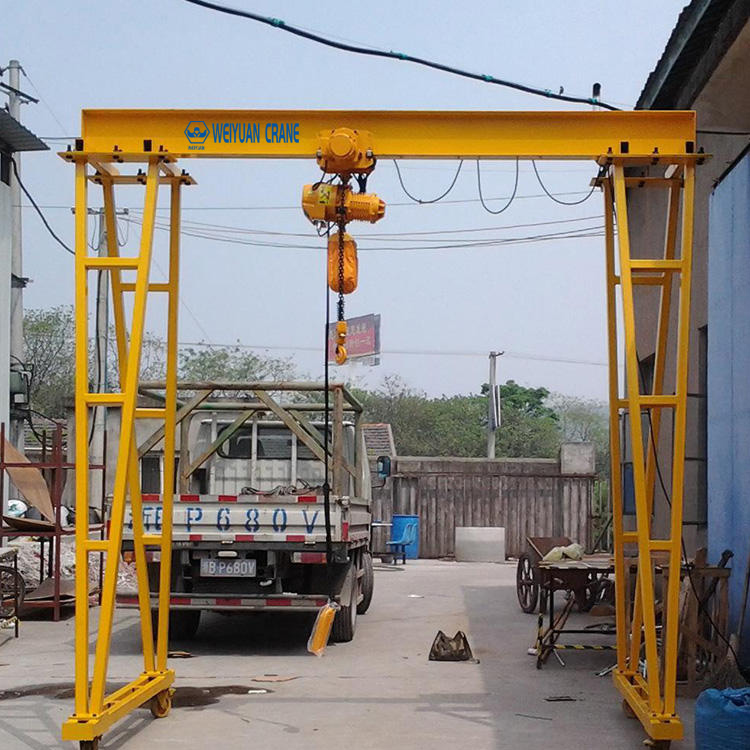
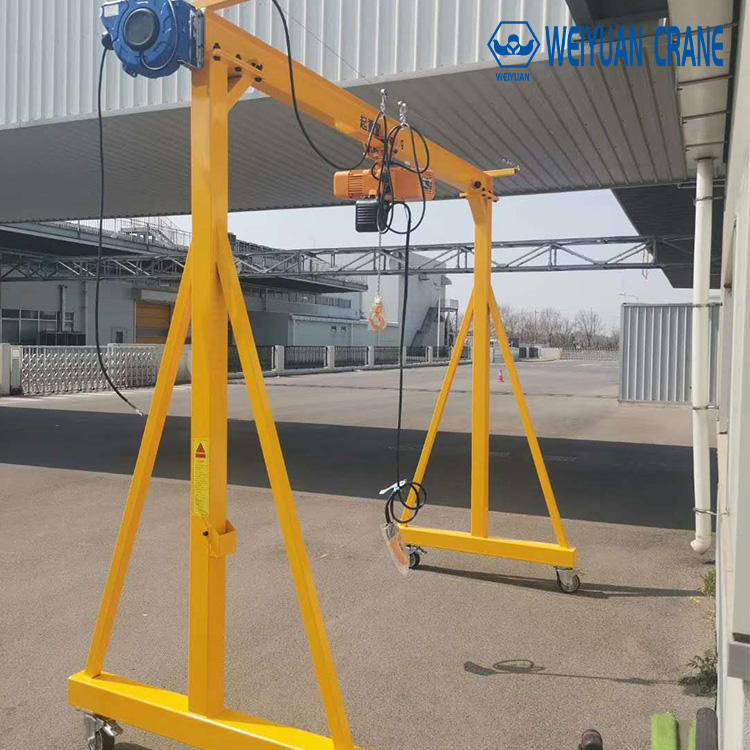
To understand the necessity of training, one must first define gantry crane systems and appreciate their structural complexity. A Gantry Crane is defined by its distinctive “door-like” or frame gantry crane steel structure. Unlike overhead bridge cranes that rely on the building’s walls for support, a gantry crane stands on its own independent legs, which support a main beam where an electric hoist or trolley travels.
Product Purpose
The primary function of the gantry crane is the vertical lifting and horizontal movement of heavy loads along a fixed track or within a designated area. It is specifically engineered to be suitable for both outdoor and indoor spaces, particularly those that lack the structural pillar constraints necessary for other crane types.
Core Advantages
The unique structure offers high adaptability, allowing for independent installation in outdoor yards without the need for existing factory building support. It is also highly cost-effective; for certain outdoor and large-span applications, the construction cost is significantly lower than that of traditional bridge cranes. Furthermore, it is highly reliable, capable of handling super-heavy loads ranging from tens to hundreds of tons, ensuring the continuity of production processes.
Attraction
Beyond raw lifting power, the gantry crane helps enterprises optimize venue layouts and accelerate material turnover. This capability significantly reduces operating costs while enhancing overall productivity, making it an indispensable asset in modern logistics and manufacturing.
2. Why Training is Essential: Features and Risks
Training is the bridge between the machine’s capabilities and its safe application. Modern gantry cranes, including rubber tyred gantry cranes and rail-mounted versions, are equipped with advanced features that require skilled manipulation.
Robust Steel Structure
The crane features a solid steel design ensuring structural stability and a long service life, even under high load and adverse weather conditions. However, an untrained operator can subject this frame gantry crane to stresses it was not designed for, such as side-pulling or shock loading, which can compromise the structural integrity over time.
VVVF Control
Modern cranes utilize Variable Voltage Variable Frequency (VVVF) regulation. This technology provides smooth starting, running, and stopping, allowing for precise load positioning and control. Operators must be trained to utilize these controls effectively to protect the hoisting mechanism and the material being lifted, thereby improving operational safety. Without training, an operator might use abrupt movements that cause dangerous load swings.
Diverse Configurations
The equipment comes in multiple configurations, including rail-type, rubber tyred gantry cranes (RTG), and semi-gantry cranes, to adapt to different venues and application needs. A rail mounted gantry cranes simulator is often used to train operators on the specific movement characteristics of these different drive systems, as steering a rubber-tired unit is vastly different from operating a fixed-rail unit.
Remote Monitoring
Advanced systems feature remote monitoring and diagnostic capabilities that monitor equipment status in real-time and provide early warning of potential failures. Trained operators and maintenance personnel must know how to interpret these diagnostics to facilitate efficient management and troubleshooting.
3. Technical Specifications: The Curriculum of Operation
A comprehensive gantry crane course will focus heavily on understanding the technical specifications. Ignorance of these limits is a primary cause of crane failure.
Lifting Capacity (SWL)
Cranes range from 5 tons to 500 tons or higher. Operators must be trained to calculate load weights and understand the load chart. Attempting to lift a load that exceeds the Safe Working Load (SWL) of a gantry crane 3 ton unit or a taisun gantry crane can lead to catastrophic failure.
Span
With spans ranging from 10 meters to 50 meters, the crane determines the width of the covered working area. Operators must understand how to manage the movement of the crane across wide spans, ensuring the legs remain synchronized to prevent skewing and derailment.
Lifting Height
Lifting heights typically range from 6 meters to 30 meters depending on the need to consider the vertical height of the plant or yard. Training ensures operators are aware of overhead obstructions and the pendulum effect of loads lifted to significant heights.
Duty Class
The working level ranges from A5 (Intermediate) to A8 (Super Heavy). This is determined based on the number of daily work cycles and the load rate. Operators must understand that a crane designed for intermittent use cannot be used continuously without overheating, a concept central to gantry crane design and operation.
Power Supply
Standard power is 380V / 50Hz, or adjusted to local standards. Operators must be trained in electrical safety, including proper lockout/tagout procedures for the power supply to ensure compliance with factory grid configurations.
Material Quality
The structure uses Q235/Q345 structural steel, which affects strength and durability. Understanding the material properties helps operators recognize signs of structural fatigue or corrosion during daily inspections.
4. Customization and WEIYUAN’s Training Support
Different operational environments require different crane configurations, and consequently, specific training protocols. WEIYUAN provides free design and personalized customization services to ensure the equipment—and the operator’s understanding of it—matches the site requirements.
Dimensional Customization
We precisely customize the span, cantilever length, and lifting height based on the track distance of the site and the height of the plant. Operators must be trained on the specific spatial envelope of their custom crane to avoid collisions.
Functional Configuration
Customization options include single or double beam structures, single or double speed, variable frequency speed regulation, and anti-sway systems. Whether it is a complex overhead gantry crane systems or a simple small gantry cranes setup, the operator must be familiar with the specific control interface.
Environmental Adaptation
We customize cranes for explosion-proof, anti-corrosion, or high/low-temperature environments. Operators working in these environments require additional safety training relevant to hazardous zones.
5. Application Fields: Training for Specific Environments
The environment dictates the training requirements. A rental gantry crane on a construction site requires different protocols than a permanent fixture in a port.
Ports and Terminals
Rubber tyred gantry cranes (RTG) and Rail Mounted Gantry Cranes (RMG) are the core equipment for container loading and unloading and yard operations. Operators here undergo rigorous certification, often utilizing a rail mounted gantry cranes simulator to master high-speed container handling.
Construction and Precast
Cranes are used for handling large steel structures, precast concrete beams, and pipe segments. Training here focuses on rigging heavy, irregular loads and coordinating with ground crews.
Manufacturing and Processing
In large machinery manufacturing, metal smelting, and shipyards, cranes are used for the assembly and transportation of heavy components. Precision is key, and operators must be skilled in micro-movements.
Railway Freight
Cranes are used for the loading, unloading, and transshipment of railway goods. Operators must be trained in the specific logistics and timing of rail operations.
6. Safety and Compliance: The Legal Mandate
Training is not just about skill; it is about legality and compliance. Adherence to safety standards is a critical component of any gantry crane description.
Quality Systems
All equipment design and manufacturing strictly follow the ISO 9001 quality management system. Operators are trained to maintain these quality standards through proper usage.
Certification Standards
Key components meet international standards, such as CE certification (for the European market) and comply with North American safety standards. Operators must be aware of these certifications to ensure they are using compliant equipment.
Safety Devices
Products are built with overload protection, limit switches, emergency stop buttons, and multiple safety protection devices. Training is mandatory to ensure operators know how to test these gantry crane components daily and how to react if a safety device is triggered.
Installation and Debugging
All installation and commissioning work is performed by professional certified engineer teams. Operators often shadow these teams during commissioning to learn the machine’s baseline performance.
7. Case Study: The Value of Trained Operators
Case: X Shipyard Large Gantry Crane Installation
Project Challenge
X Shipyard required a super-large gantry crane to transport and assemble ultra-large hull sections weighing hundreds of tons. The crane had to operate stably for a long time in a seaside environment with high salt and humidity.
Our Solution
We designed and delivered a 300-ton double-main girder rail-mounted gantry crane. It was equipped with high-protection grade motors and electronic control systems to adapt to the harsh outdoor environment. It also featured anti-corrosion paint and coatings to resist erosion. Crucially, it included a high-precision variable frequency speed regulation system to ensure the micro-movement accuracy required for the docking of large segments.
Customer Benefits
The result was a vast improvement in the speed and accuracy of hull section assembly. It shortened the ship construction cycle and significantly improved the shipyard’s production capacity and market competitiveness. This success was heavily dependent on the operators being trained to use the high-precision controls effectively; without skilled operation, the advanced technology would have been wasted.
8. Installation and Support Services
Support from the manufacturer is a critical resource for ongoing operator training.
Online Guidance
We provide detailed installation manuals and video tutorials, supporting the installation team with online guidance. These resources are also valuable for training new operators on the basic functions of the crane.
On-Site Technical Support
Our professional team can go to the site to assist with installation. During this phase, we often provide hands-on training for the client’s operators to ensure they are comfortable with the specific gantry crane design.
After-Sales Service
We provide a one-year warranty and support for repair and replacement of specified parts. This ensures that if an operator identifies a fault in gantry crane wheels or hoists, support is immediately available.
9. Pricing and Quotation
Investing in a crane includes budgeting for the machine and the necessary training.
Online Consultation
Visit our website to fill out the demand form. Providing details about your training needs and specific application helps us guide you to the right gantry crane suppliers solution.
Telephone Contact
Contact our customer service hotline to obtain a personalized plan. We can discuss how gantry crane cost varies with capacity and features.
10. Delivery Cycle
Standard Models
For spot supply, delivery is typically within 3-5 working days. These small gantry cranes or standard units are often easier to train on due to their simplicity.
Customized Models
Depending on the design complexity, the delivery cycle varies from 2-4 weeks. Complex double girder gantry crane systems allow more time for preparing the operator training curriculum while the crane is being built.
11. FAQ (Common Questions)
1. What information should I provide when inquiring?
The more detailed the better. Please provide: A: Lifting capacity; B: Crane arm length (span); C: Lifting height; Hook travel; D: Lifting material; E: Power source or other special requirements. This information defines the complexity of the crane and the level of training your operators will need.
2. How many operation methods can I choose from?
Standard operation methods include: A: Handheld controller with buttons; B: Remote control with buttons. You can choose either according to your needs. Training differs slightly between pendant and remote operation, especially regarding operator positioning.
3. Can this type of equipment work in hazardous environments?
Of course! We can customize acid-proof or explosion-proof cranes for you, no problem. Operating in hazardous environments requires specialized high-level safety training beyond standard crane operation.
4. How long is the warranty period?
Please use it within the standard range for the next 12 months. Adhering to the “standard range” of use is a key part of operator training to maintain the warranty.
5. How do we install the crane?
Our senior engineers can go to the site to provide installation guidance and training services for you. This on-site training is the most effective way to ensure your team is ready to operate safely.
6. Can I visit your factory?
Of course. We can pick you up at the railway station, high-speed railway station, or airport, and help you book a hotel. Visiting the factory is an excellent way to see goliath gantry cranes or lionel gantry crane sized models in production and understand the build quality firsthand.
Conclusion
In conclusion, operating a gantry crane without training is a significant risk to personnel, property, and production efficiency. Whether you are using a rental gantry crane for a short-term project or installing a permanent industrial automotive gantry crane, understanding the machine is paramount. WEIYUAN not only provides top-tier lifting equipment but also the necessary support and guidance to ensure your operators are safe, compliant, and efficient.