


Can You Move a Gantry Crane While Loaded? Safety and Mechanics
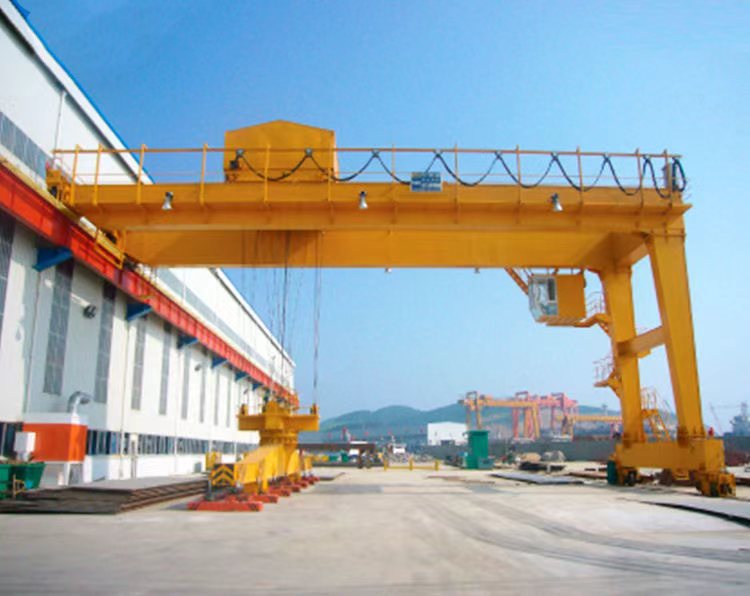
The short answer is: It depends on the type of gantry crane you are using. Moving a gantry crane while loaded is a complex operation that hinges on the crane’s specific design, its wheels, and its control system. For a massive double girder gantry crane running on fixed rails, movement while loaded is its standard operational mode. However, for a small portable gantry crane on casters, moving it while holding a heavy load can be extremely dangerous and is often prohibited by safety standards. Understanding the difference between a static lift and a dynamic move is crucial for operator safety. As WEIYUAN, a professional manufacturer integrating production, design, and installation, we provide this guide to clarify the capabilities and risks associated with moving loaded gantry cranes.
Defining the Gantry Crane: Mechanics of Movement
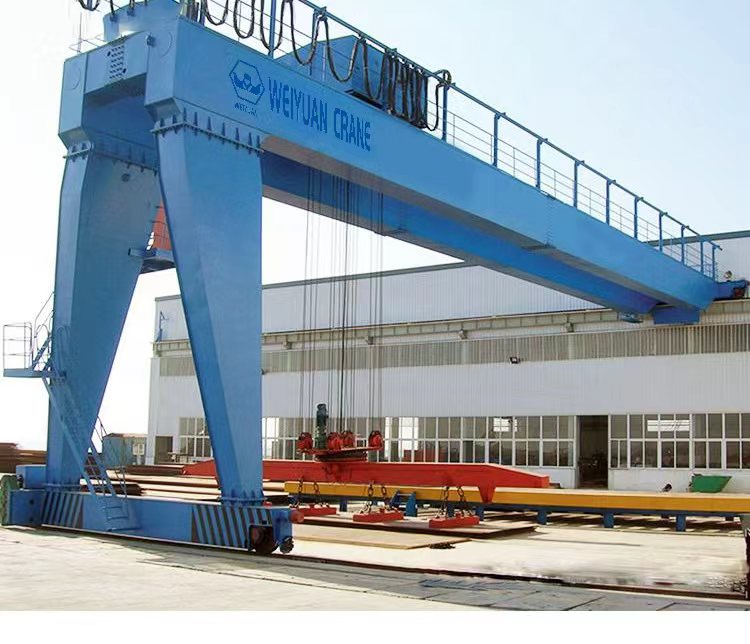
To understand movement capabilities, we must first look at the gantry crane description. A gantry crane is named after its unique “door” shaped steel structure, which spans the working area and supports an electric hoist or trolley1. Unlike an overhead crane fixed to a building, a gantry stands on its own legs.
Rail-Mounted Gantry Cranes (RMG) are designed specifically to move while loaded. These cranes run on fixed steel tracks. The gantry crane wheels are engineered to handle the dynamic stresses of moving massive loads along the length of the yard. Shipyards and rail yards use these goliath gantry cranes to transport containers or hull sections over long distances.
Rubber Tyred Gantry Cranes (RTG) are also designed to move while loaded. These units run on large rubber tires, allowing them to change lanes in a container yard2. The movement is controlled by diesel engines or electric motors. Advanced anti-sway technology and steering logic are required to keep the load stable during travel.
Portable/Mobile Gantry Cranes are generally restricted from moving while loaded. These are the small gantry cranes found in workshops, often on polyurethane casters. Pushing a manual trolley gantry crane while it holds a load creates a high center of gravity. Hitting a small crack in the floor can cause the crane to tip over. Unless the crane is specifically designed with “movement under load” casters and floor locks, it should remain stationary during the lift.
Key Features Enabling Safe Movement
For cranes designed to move under load, specific engineering features ensure stability. A frame gantry crane utilizing Q235/Q345 structural steel resists twisting forces during movement3. Variable Frequency Drives (VVVF) provide smooth acceleration and deceleration4. This prevents the load from swinging wildly when the crane starts or stops moving. On wider spans, the motors on both legs must be perfectly synchronized to prevent the crane from skewing (crab-walking) on the rails.
Technical Specifications and Limitations
Whether you are using a rental gantry crane or purchasing a new one, checking the specs is vital. Capacities range from 5 tons to 500 tons or higher depending on the maximum load weight selection5. Higher capacities require rail systems for safe movement. Spans typically range from 10 meters to 50 meters6. Wider spans increase the risk of skewing during travel. The Duty Class, ranging from A5 (Medium) to A8 (Super Heavy), determines how frequently the crane can move under full load7.
Customized Design for Dynamic Loads
Standard off-the-shelf cranes may not meet specific movement requirements. WEIYUAN offers free technical consultation to design cranes tailored for your workflow. An industrial automotive gantry crane may need to move car bodies between stations, requiring trackless guidance systems. We help you decide if a fixed gantry crane (stationary) or a mobile solution is better. For outdoor yards, we design wind-resistant structures to ensure the crane doesn’t move unintentionally.
Safety and Compliance
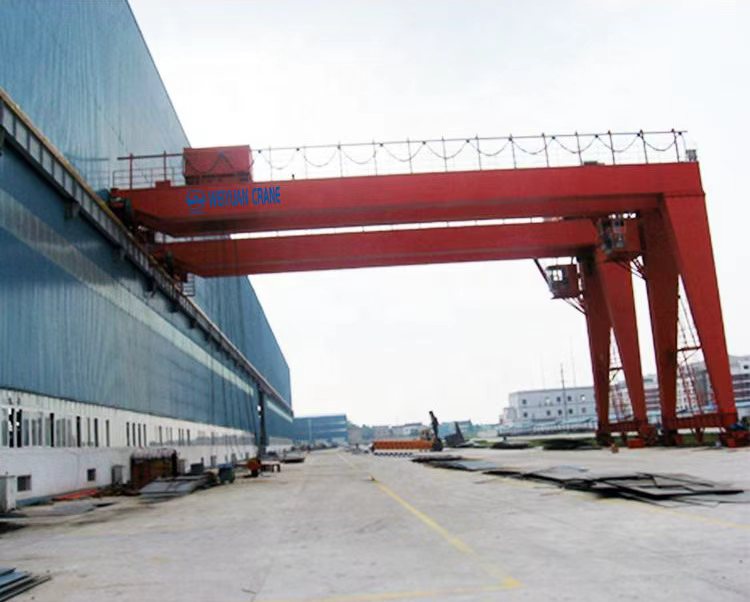
Moving a loaded crane is a high-risk activity. A gantry crane course is essential for operators. They must learn to check the path for obstacles and manage load swing. Regular checks of gantry crane components like wheel bearings and brakes are mandatory. Our cranes meet CE and ISO standards, ensuring the braking systems are rated to stop a fully loaded crane safely in an emergency8.
Case Study: Moving Massive Hulls
In a recent project involving heavy transport for X Shipyard, the challenge was moving 300-ton hull sections from the assembly hall to the dry dock. WEIYUAN installed a rail-mounted double girder gantry crane with a 300-ton capacity. The crane’s precision drive system allowed it to transport the massive segments smoothly, positioning them with millimeter accuracy for welding.
Installation and Support
We provide manuals and video tutorials on safe operation. Our engineers assist with the initial commissioning to tune the drive motors for smooth movement. We stock replacement gantry crane wheels and motors to keep you moving.
FAQ
1. Can I push a small portable gantry crane while it’s holding an engine?
Generally, no. Most small portable gantry crane manuals strictly prohibit moving the crane while loaded due to tipping risks. Check the manufacturer’s rating.
2. What is a Taisun gantry crane?
The Taisun gantry crane is one of the world’s strongest cranes (20,000 tons), proving that gantry cranes can move immense loads when engineered correctly.
3. Do I need special wheels for moving under load?
Yes. If a portable crane is rated for movement under load, it will have heavy-duty steel or phenolic casters with position locks.
Conclusion
Can you move a gantry crane while loaded? If it is a rail-mounted or RTG industrial crane, absolutely—that is its job. If it is a portable workshop crane, likely not. Contact WEIYUAN to find the right gantry crane suppliers who can design a system that meets your specific mobility needs safely.