


Weiyuan Crane Equipment Installs 12.5t Overhead Crane at Its Facility: A Case for Precision Lifting
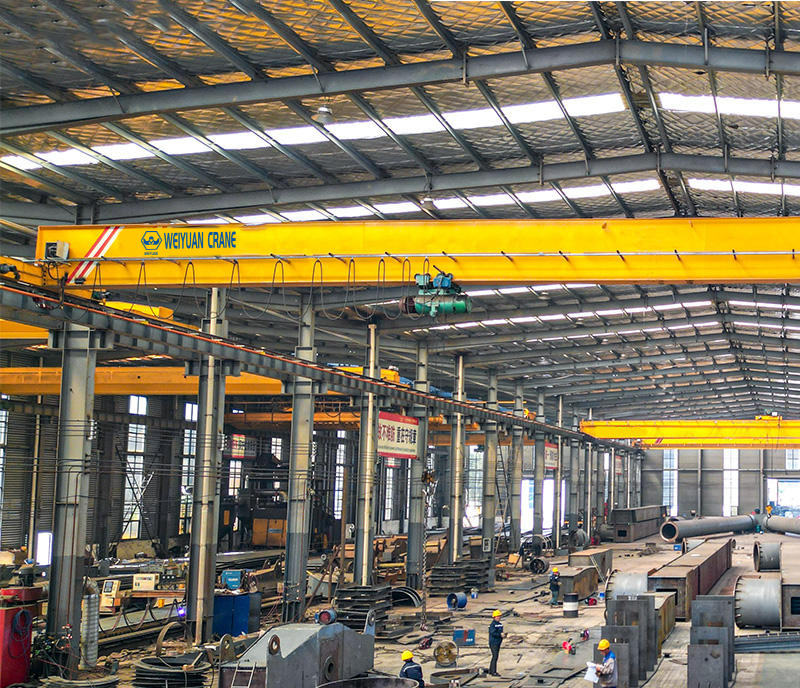
The recent installation of a 12.5-ton overhead crane at our own facility marks more than just a capacity upgrade; it represents a benchmark for mid-range industrial lifting solutions. In the world of material handling, the gap between light-duty equipment and heavy industrial machinery is often where the most critical production work happens.
For facility managers in Europe and Asia, seeing a 12.5-ton system in action provides a tangible blueprint for optimizing workshop space and improving handling efficiency by over 20%. As a manufacturer integrating production, sales, design, and installation, WEIYUAN uses these internal projects to refine the very systems we deliver to automotive plants and steel mills globally.
This article breaks down the engineering behind such systems, exploring the critical components—from the overhead crane bridge to the smallest accessories—that ensure safety and longevity.
Anatomy of an Efficient System: Beyond the Girder
When planning a lifting solution, understanding the “skeleton” of the machine is the first step. Whether you are looking at an overhead crane 5 ton model for a small assembly line or a massive overhead crane 30 ton unit for a foundry, the core structural principles remain the same.
The Structure and Movement
The system relies on an optimized box-shaped main girder or I-beam design. This is crucial because a lighter dead weight means reduced wheel pressure, allowing you to maximize the available space within your existing building structure.
- Overhead Crane Girder: The main beam that spans the width of the building.
- Overhead Crane End Trucks: These house the wheels that move the bridge along the runway.
- Overhead Crane Bridge: The entire traveling structure, including girders and end trucks.
For those in the planning phase, reviewing a detailed overhead crane diagram is essential to ensure these components fit your facility’s clearance.
Power and Control
Reliability comes from the drive system. We employ a “three-in-one” reducer, combining a hard-tooth gear reducer with a variable frequency braking motor. Power is typically delivered via overhead crane conductor bars, with overhead crane collector shoes sliding along them to transfer electricity to the moving hoist.
Using Variable Frequency Drive (VFD) technology allows for stepless speed regulation. This is vital for reducing mechanical shock, protecting the overhead crane brake mechanism, and ensuring precise positioning for delicate loads.
From 5 Ton to 30 Ton: Scaling for Your Needs
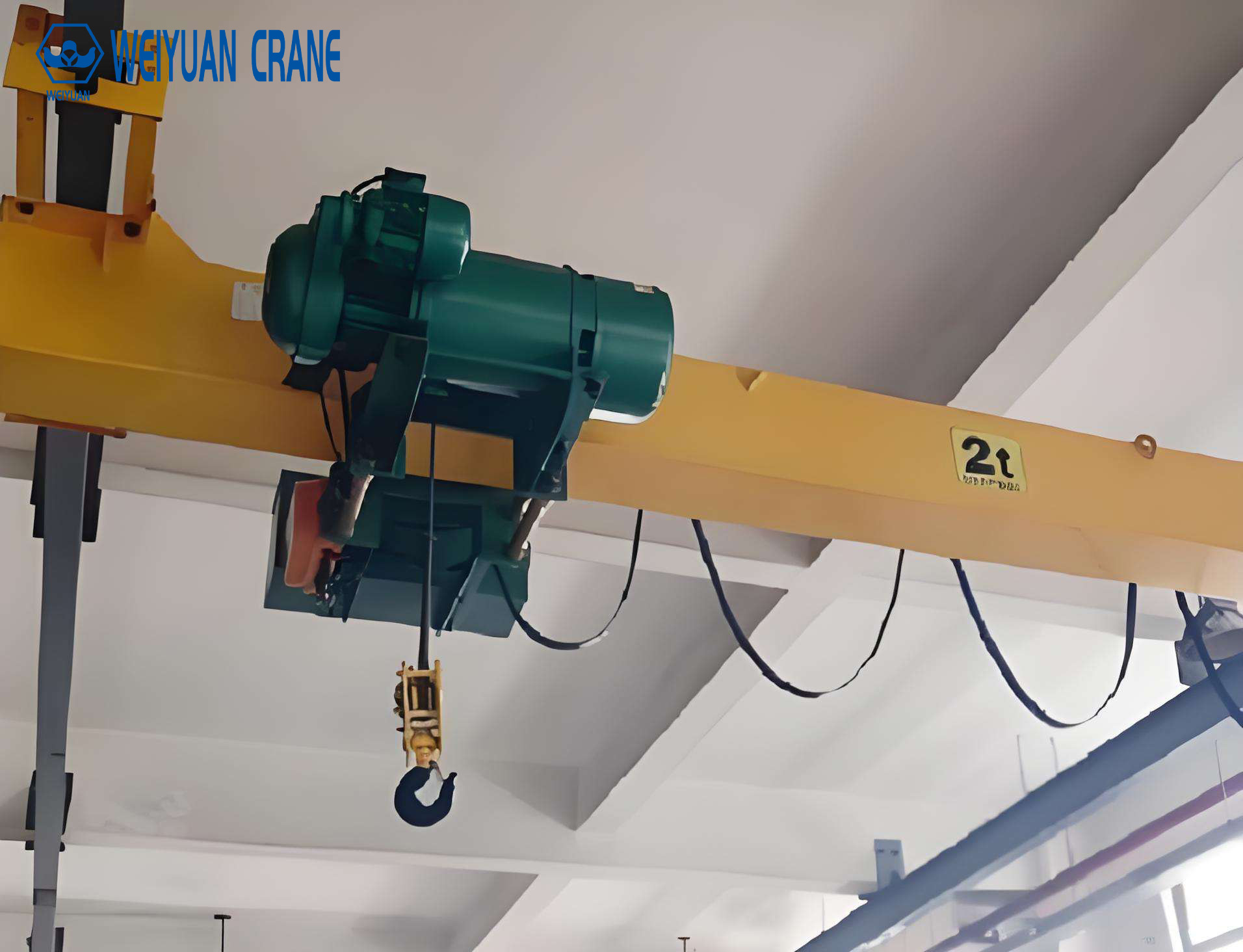
The 12.5-ton unit sits comfortably in the middle of the industrial spectrum. However, capacity needs vary wildly.
- Light Duty (1-10 Ton): An overhead crane 5 ton unit is standard for machine shops and warehousing.
- Heavy Duty (30+ Ton): An overhead crane 30 ton or larger is reserved for steel coil handling or heavy machinery assembly. Our standard models range up to 80 tons, with customization capabilities reaching 400 tons.
Safety, Inspection, and Compliance
Safety is the non-negotiable aspect of lifting. Every system we install or sell complies with strict national and industry standards, such as TSG Q0002-2008.
Essential Safety Features
Beyond the steel structure, specific overhead crane accessories are required for compliance:
- Weight Limiters: Automatically cut off power if the load exceeds the rated capacity.
- Limit Switches & Emergency Stops: Critical for preventing over-travel and immediate shutdowns.
- Visual Aids: Simple additions like overhead crane directional stickers on the pendant controller prevent operator confusion.
- Overhead Crane Fall Protection: Essential for maintenance crews working at heights.
Maintenance and Training
Owning a crane requires adherence to overhead crane inspection requirements. While we provide a one-year warranty and support, regular checks by qualified personnel are mandatory.
- Training: Investing in overhead crane and rigging training for your staff ensures daily operations are safe.
- Certification: If you are looking for overhead crane inspection companies near me or need overhead crane inspection certification, ensure the providers hold valid overhead crane inspector certification. Regular audits prevent downtime.
Customization: The WEIYUAN Advantage
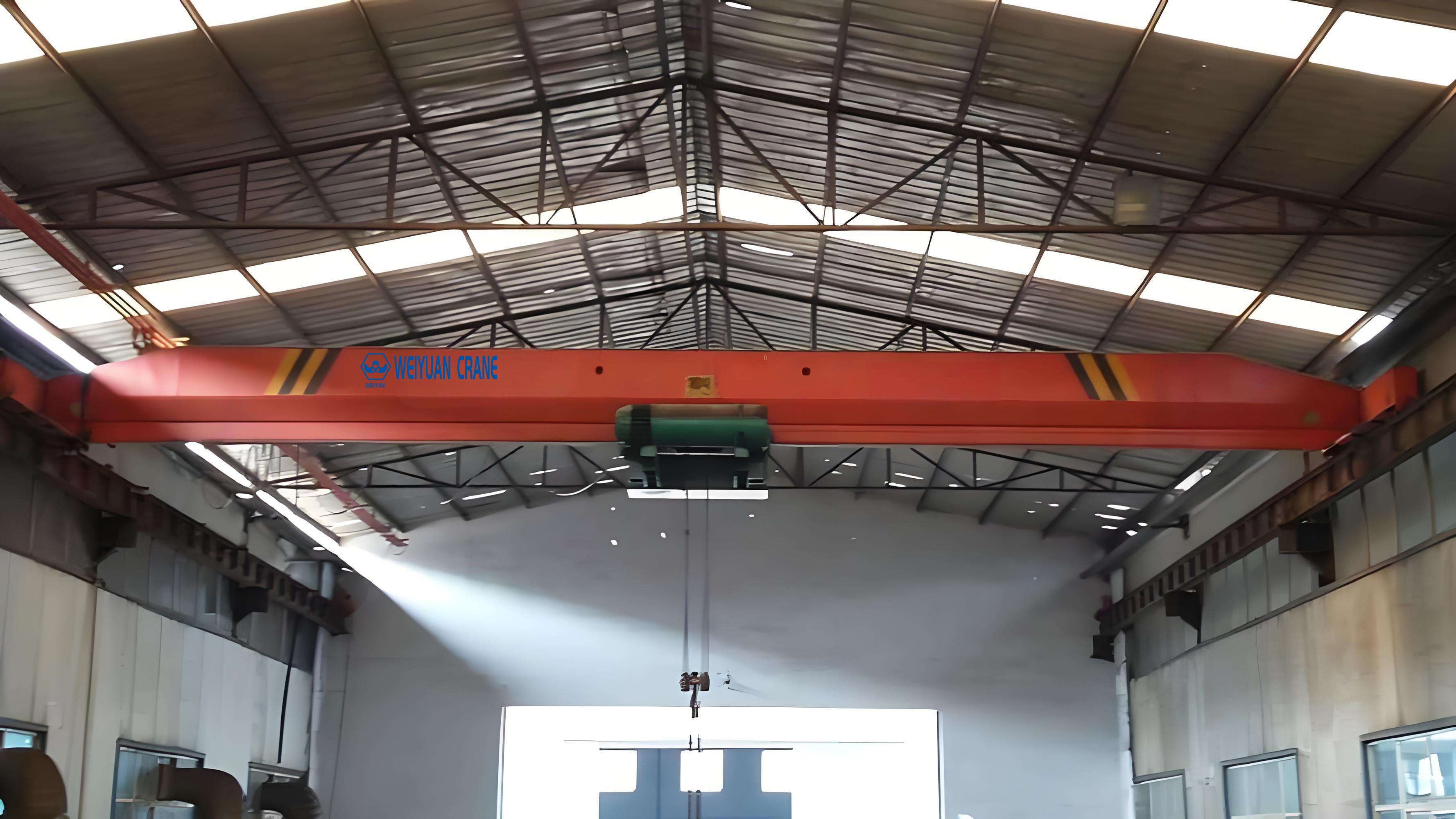
Off-the-shelf solutions rarely fit perfectly. As an overhead crane attachment manufacturer, we tailor the equipment to the job.
- Special Environments: We offer designs for explosion-proof or anti-corrosion needs.
- Attachments: For specific workflows, cranes can be equipped with grabs, electromagnetic chucks, or other specialized spreaders.
- Control: Options range from ground pendant control and wireless remotes to full cabin operation.
Case Study: Automotive Assembly Efficiency
To illustrate the ROI of a properly installed overhead crane, consider a project we completed for a large automotive parts manufacturer.
- Project: Deployment of 5 sets of 10-ton double girder overhead cranes.
- Result: The facility achieved an 8% reduction in production line cycle time.
- Safety Record: The equipment has operated safely for over 8,000 hours with zero safety accidents.
FAQ
Q: What information is needed for a quote? A: We need the lifting capacity, span, lifting height, hook travel, material to be lifted, and power source.
Q: Can these cranes work in hazardous environments? A: Yes, we can customize acid-proof or explosion-proof units for specific industrial needs.
Q: What is the delivery time? A: Standard models ship in 3-5 working days, while customized models typically require 2-4 weeks.
Q: Do you offer installation support? A: Yes, our senior engineers provide on-site installation guidance, or we can offer online video tutorials and manuals.