


Best Electric Hoists of 2026: Reviews and Price Comparison
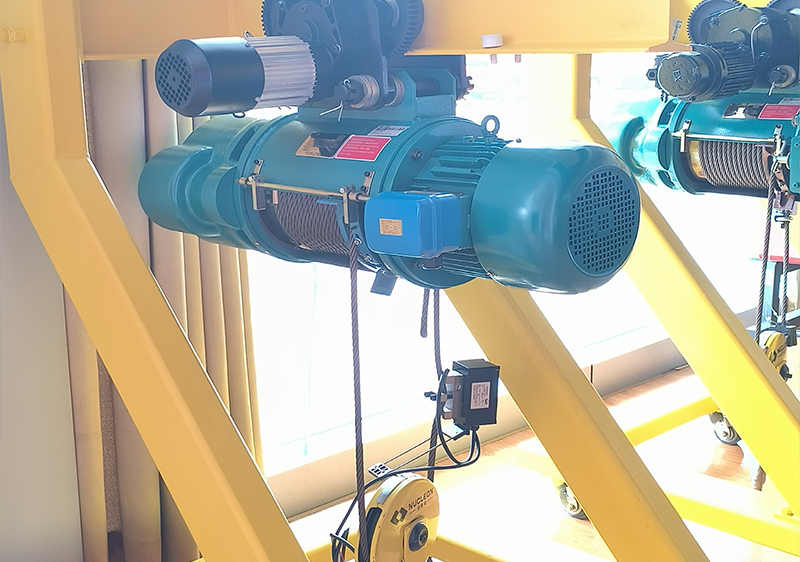
Choosing the right material handling equipment is a critical decision that directly impacts your operational efficiency, safety, and bottom line. With countless options on the market, finding the best electric hoist for your specific needs can feel overwhelming. This guide cuts through the noise, offering a clear comparison of features, performance, and pricing to help you make an informed investment in 2026.
We will review the essential features that define a high-quality hoist, explore technical specifications, and discuss how to find a solution that fits your budget without compromising on safety or reliability.
Why an Electric Hoist is a Game-Changer for Your Business
An electric hoist is a powerful lifting device that uses an electric motor to lift, lower, and transport heavy loads. Unlike manual hoists, which rely on operator strength, these automated systems provide effortless and precise control over materials. This simple change can revolutionize workflow in any industrial setting, from a bustling factory floor to a high-volume warehouse or a construction site.
By automating the most strenuous lifting tasks, you empower your team to work faster and more safely. A single operator can move heavy components that would otherwise require a full team, freeing up labor for more value-added activities. The result is a significant boost in productivity, a reduction in workplace injuries, and a more streamlined material handling process.
Key Features and Advantages to Look For
When reviewing the best hoists of 2026, certain features stand out as non-negotiable for performance and durability. A top-tier hoist is more than just its lifting capacity; it’s a combination of smart engineering and robust components.
- High-Quality Materials: Look for hoists constructed with high-strength alloy steel for the housing, gears, and load chain or wire rope. This ensures longevity even in demanding environments.
- Efficient Motor: A motor with a high duty cycle and excellent thermal protection can run for longer periods without overheating, preventing costly downtime.
- Advanced Braking System: A dual-braking system, typically combining a magnetic and a mechanical brake, provides redundant safety to ensure the load is held securely, even during a power failure.
- Variable Speed Control: Dual-speed or variable frequency drive (VFD) options allow for fast lifting to improve efficiency and slow, precise movements for careful load positioning.
- Robust Trolley Integration: The ability to pair the hoist with a motorized or manual trolley creates a complete lifting system, allowing movement along an I-beam or a gantry crane system.
Technical Specifications: A Deeper Dive
The “best” electric hoist is the one that fits your specific operational requirements. Understanding the technical specifications is crucial.
- Load Capacity: Ranges from small 250kg units for workshops to over 100 tons for heavy industrial applications. A 1 ton capacity telescoping gantry crane with a hoist is a popular choice for versatile lifting.
- Lifting Height: Standard lifts range from 3 to 30 meters, but specialized models can be configured for much greater heights.
- Power Requirements: Most industrial hoists run on three-phase power (e.g., 380V/50Hz), but smaller, portable models may use single-phase power.
- Duty Cycle Rating (ISO/FEM): This classification indicates how intensively the hoist can be used. A higher rating means the hoist is built for more frequent, heavier lifts.
- IP Rating: An IP (Ingress Protection) rating like IP55 indicates the hoist is protected against dust and water ingress, making it suitable for outdoor or dusty environments.
Customization: Getting the Perfect Fit
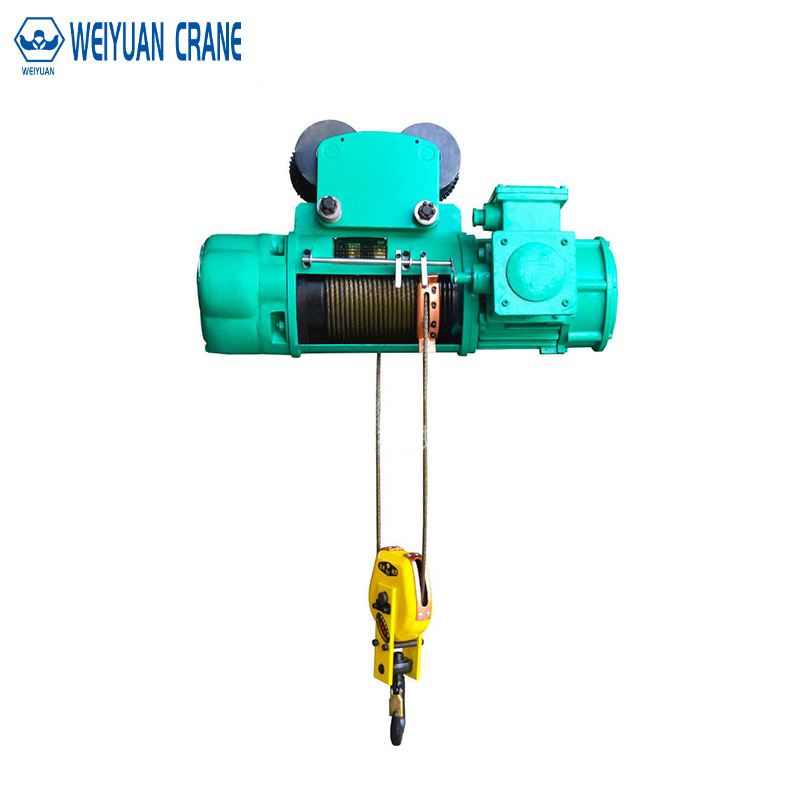
Off-the-shelf solutions don’t always work. That’s why leading gantry crane manufacturers and hoist suppliers offer customization. WEIYUAN, a manufacturer with integrated design, sales, and installation services, provides free design consultations to tailor equipment to your exact needs.
Custom options can include:
- Unique lifting heights or speeds.
- Specialized trolleys for curved tracks or low-headroom spaces.
- Modifications for extreme temperatures, corrosive, or explosive environments.
- Integration of your company’s logo and color scheme.
Application Areas
Electric hoists are versatile tools found across nearly every industry where heavy materials are handled.
- Manufacturing: Moving raw materials, positioning heavy parts on assembly lines, and loading finished products.
- Warehousing and Logistics: Stacking pallets, loading and unloading trucks, and managing inventory in high-bay storage.
- Construction: Lifting building materials, tools, and structural components. A wheeled gantry crane with a powerful hoist is a common sight on job sites.
- Maintenance and Repair: Hoisting engines, machinery parts, and other heavy components in workshops.
Safety and Compliance are Paramount
Safety should be the number one factor in your purchasing decision. Reputable gantry crane suppliers ensure their products meet stringent international safety standards. Our hoists are manufactured to comply with CE (for the European market) and other regional certifications. Standard safety features must include overload protection, upper and lower limit switches, and an emergency stop button. This is crucial for any lifting device, from a small workshop hoist to a large industrial crane gantry system.
Case Study: Boosting Efficiency in a Logistics Hub
A major distribution center was struggling with bottlenecks at its outbound loading docks. The manual process for positioning heavy, non-palletized goods was slow and led to frequent worker fatigue. They partnered with WEIYUAN to install a series of electric wire rope hoists on a monorail system above the loading bays.
- Result: The facility increased its loading speed by 35% and completely eliminated lifting-related injuries in that department within the first year. The investment paid for itself in under 18 months through increased throughput and reduced labor costs.
Installation and Support
Your relationship with the supplier shouldn’t end after the sale. Look for a partner who provides comprehensive support. We offer:
- Installation Services: Our technical teams can provide on-site assistance for complex installations to ensure everything is commissioned correctly and safely. We also provide detailed manuals for self-installation.
- Operator Training: Proper gantry crane operator training is vital for safety and efficiency. We can provide training for your team on the correct use of the hoist.
- After-Sales Support: We guarantee the availability of spare parts and offer expert technical support for troubleshooting and gantry crane maintenance.
Pricing and Quotes: Comparing Value, Not Just Price
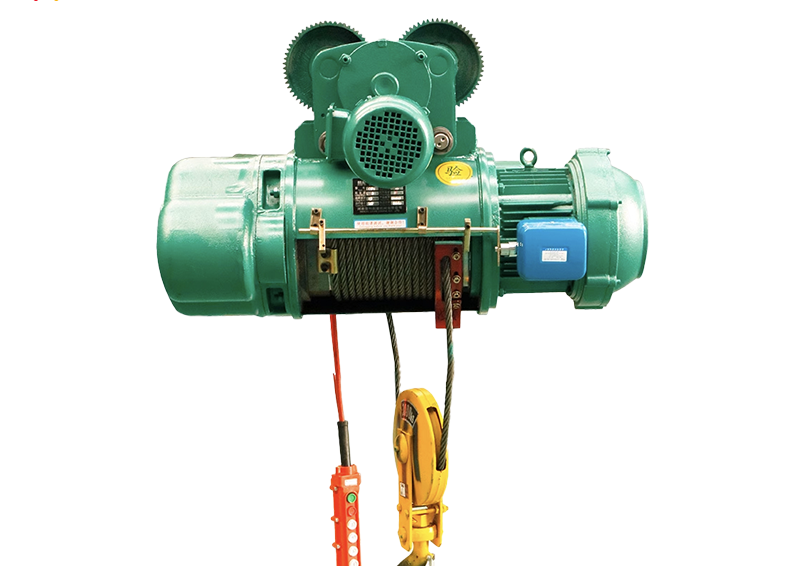
When comparing hoist prices, it’s essential to look at the total value. A cheaper hoist from a retail store may not have the durability or safety features required for industrial use. As a direct gantry crane manufacturer, we offer competitive factory pricing.
Because every lifting need is different, we provide personalized quotes. Contact us to discuss your capacity, lift height, and application, and our engineering team will provide a detailed, no-obligation quote.
Delivery Timeline
We understand that you need your equipment on schedule to keep your projects moving.
- Standard Models: Shipped within 7-15 business days.
- Customized Orders: Production and delivery typically take 20-30 days, depending on the scope of customization.
- Global Shipping: We manage all logistics to ensure timely and cost-effective delivery to your facility anywhere in Europe, Asia, or Africa.
Frequently Asked Questions (FAQ)
Q: What is the main difference between an electric chain hoist and an electric wire rope hoist?
A: Chain hoists are typically more compact and cost-effective for lower capacity, lower height applications. Wire rope hoists are preferred for higher capacities, faster speeds, and longer lifting heights, offering smoother and quieter operation.
Q: What is a gantry crane used for?
A: A gantry crane is a type of overhead crane with a bridge supported by legs that travel on wheels or along a track. It’s used to lift and move heavy objects in areas where a permanent overhead crane structure is not practical, such as shipyards, railyards, and outdoor storage areas. An electric hoist is the primary lifting component on most gantry cranes.
Q: Can I get a rental gantry crane near me?
A: While rentals are an option for short-term needs, purchasing a system, especially a portable or wheeled gantry crane, is often more cost-effective for long-term or recurring projects.
Q: Where can I find reputable gantry crane suppliers?
A: Look for established manufacturers with a proven track record, positive customer reviews, and a commitment to after-sales support. WEIYUAN is a trusted global supplier with over 20 years of experience.
Q: How often does a hoist need inspection?
A: This depends on usage and local regulations, but a frequent inspection should be done daily or before each shift by the operator, and a thorough periodic inspection should be performed by a qualified person at least annually. Following proper gantry crane inspection protocols is critical for safety.