


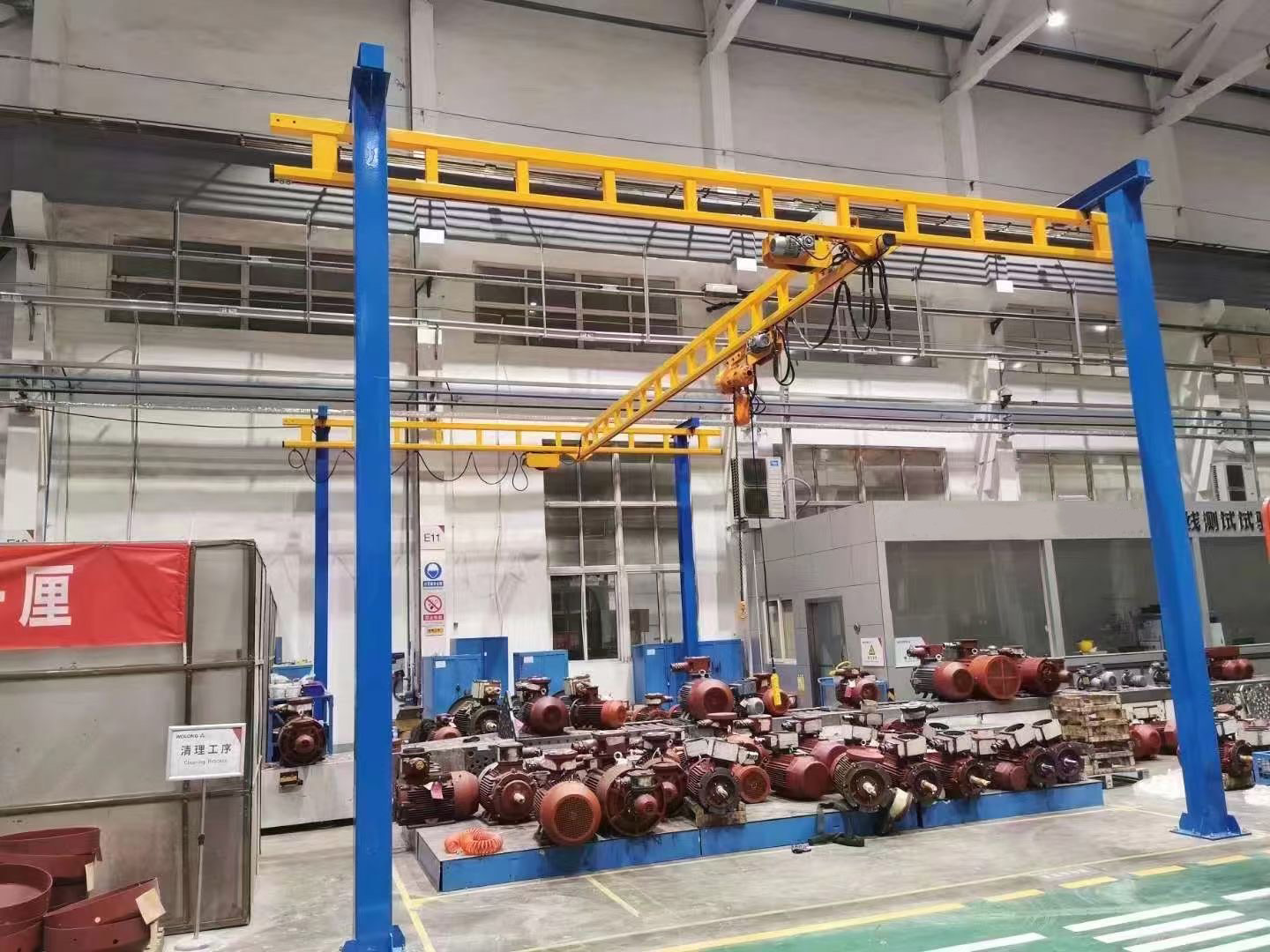
KBK light crane system
Preventive Maintenance and Reconfiguration Guide for Modular KBK Light Crane Systems
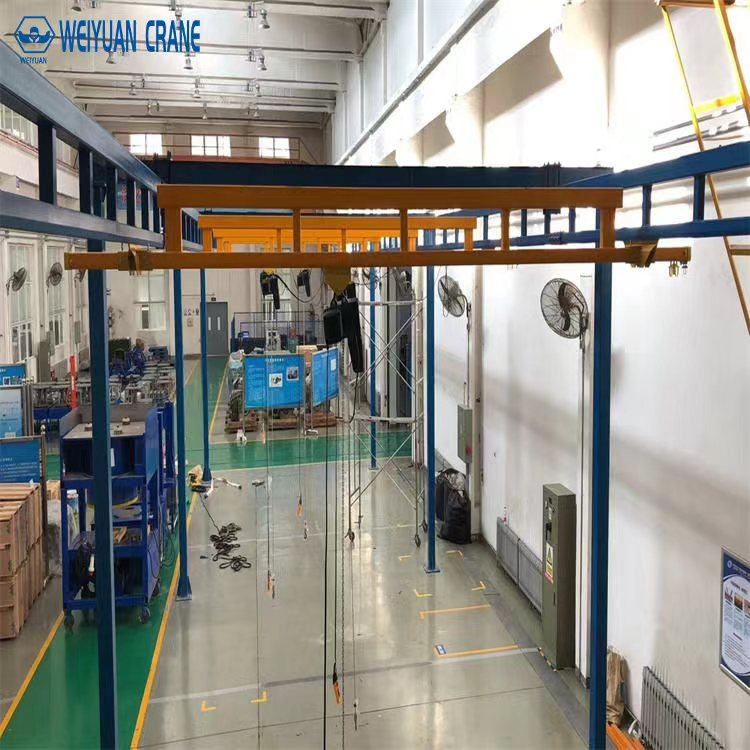
A modular KBK light crane system is an essential production asset that keeps parts moving smoothly across industrial workshops and assembly plants. While structurally straightforward and engineered for low maintenance, its enclosed track profiles, articulating suspension joints, trolley wheel bearings, and electric hoists endure continuous daily cycling. Establishing a proactive preventive maintenance routine and understanding how to expand modular track sections ensures maximum operational uptime, extends equipment service life, and allows your lifting system to adapt effortlessly to growing business demands.
Why Proactive KBK Crane Maintenance Matters
Waiting for a crane component to fail before performing service causes unscheduled assembly line stoppages, delays customer deliveries, and compromises worker safety. Because KBK systems rely on smooth manual gliding, even minor track joint misalignments or worn trolley wheels increase operator physical strain. A structured preventive maintenance program ensures that:
- Trolley wheels glide freely with minimal rolling resistance across track profiles
- Track joint connections remain flush, preventing wheel impact damage and uneven wear
- Ceiling suspension clamps and secondary safety cables remain tightly secured to building trusses
- Electric hoists, load chains, and motor brakes operate reliably under full rated loads
- System expansion or track re-routing can be performed quickly without interrupting active production
Consistent preventive maintenance transforms equipment care into a predictable routine that protects your capital investment and ensures uninterrupted plant productivity.
Key Strategies for Effective KBK System Maintenance
- Inspect Track Joint Alignment and Gap Tolerances
The smooth travel of KBK trolleys depends on precise track joint alignment:
- Check track splice connections quarterly. The running surfaces between adjacent track sections must be flush, with a joint gap of less than 1 mm.
- Verify that track joint sleeve bolts are torqued to manufacturer specifications. Misaligned joints cause trolley wheels to bump, accelerating nylon wheel wear and creating operator push resistance.
- Inspect Trolley Wheel Wear and Bearing Smoothness
KBK trolleys utilize guide rollers and main travel wheels operating inside the enclosed track:
- Inspect trolley wheels every six months for flat spots, grooving, or embedded metal chips.
- Spin wheels by hand to confirm that double-sealed bearings rotate smoothly without grinding noise or axial play. Replace worn wheels promptly to maintain ultra-low rolling friction.
- Verify Suspension Clamp Torque and Safety Cables
Ceiling-mounted articulated hangers absorb dynamic forces during acceleration and braking:
- Check the tightness of hanger threaded rods and beam clamp bolts every three months during the first year, and semi-annually thereafter.
- Inspect secondary steel safety cables to ensure they are properly routed around building beams and that wire rope clips are tight with no slack or fraying.
- Service Electric Chain Hoist Mechanisms and Limits
The electric chain hoist is the primary vertical lifting mechanism:
- Lubricate the calibrated load chain monthly with approved chain oil to prevent link-on-link abrasive wear.
- Test upper and lower limit switches under no-load conditions to verify immediate power cut-off.
- Measure hoist motor brake lining thickness and test holding capability with a rated load to ensure zero brake slip.
- Follow Standardized Procedures for Track Expansion
When extending runways or adding extra crane bridges to accommodate new machinery:
- Use factory-supplied track extension sleeves and alignment pins to ensure seamless rail continuity.
- Recalculate total structural suspension loading to confirm that ceiling trusses or portal frames can support the additional bridge cranes.
- Always install mechanical end stops at the new track boundaries before placing the expanded system into service.
Real-World Examples of Maintenance Success
An agricultural equipment sub-assembly plant in Bologna instituted a semi-annual track joint alignment audit across its 120-meter KBK monorail network. During a routine inspection, technicians identified three loose joint sleeves that were causing trolley wheels to bind. Re-aligning and torquing the joints restored effortless manual gliding, eliminated trolley wheel damage, and saved an estimated €8,500 in premature wheel replacements and production downtime.
Similarly, an electronic logistics distribution center in Gothenburg needed to extend its packaging line runway by 24 meters to support a new conveyor line. Because the existing system utilized standardized, bolted KBK profiles, maintenance technicians completed the track extension over a single weekend with zero welding, resuming full production on Monday morning without a single hour of lost operational time.
Benefits for Local Businesses
A proactive maintenance and modular expansion strategy delivers clear commercial returns:
- Maximum Uptime: Prevents unexpected mechanical breakdowns and keeps assembly lines operating at peak velocity.
- Minimal Maintenance Costs: Routine joint tightening and wheel inspections cost far less than emergency component repairs.
- Ergonomic Performance: Preserves ultra-low rolling resistance, ensuring operators move loads without physical strain.
- Seamless Plant Scalability: Bolted modular profiles allow fast layout additions and track reconfigurations with zero scrap.
- Documented Safety Compliance: Detailed maintenance logs provide clear evidence of regulatory compliance during safety audits.
Maintaining world-class material handling efficiency requires proactive care and adaptable equipment. By adhering to systematic track inspections, verifying suspension hardware, and leveraging the flexibility of modular components, industrial facilities can ensure their KBK crane systems remain safe, productive, and adaptable assets for decades to come.
