


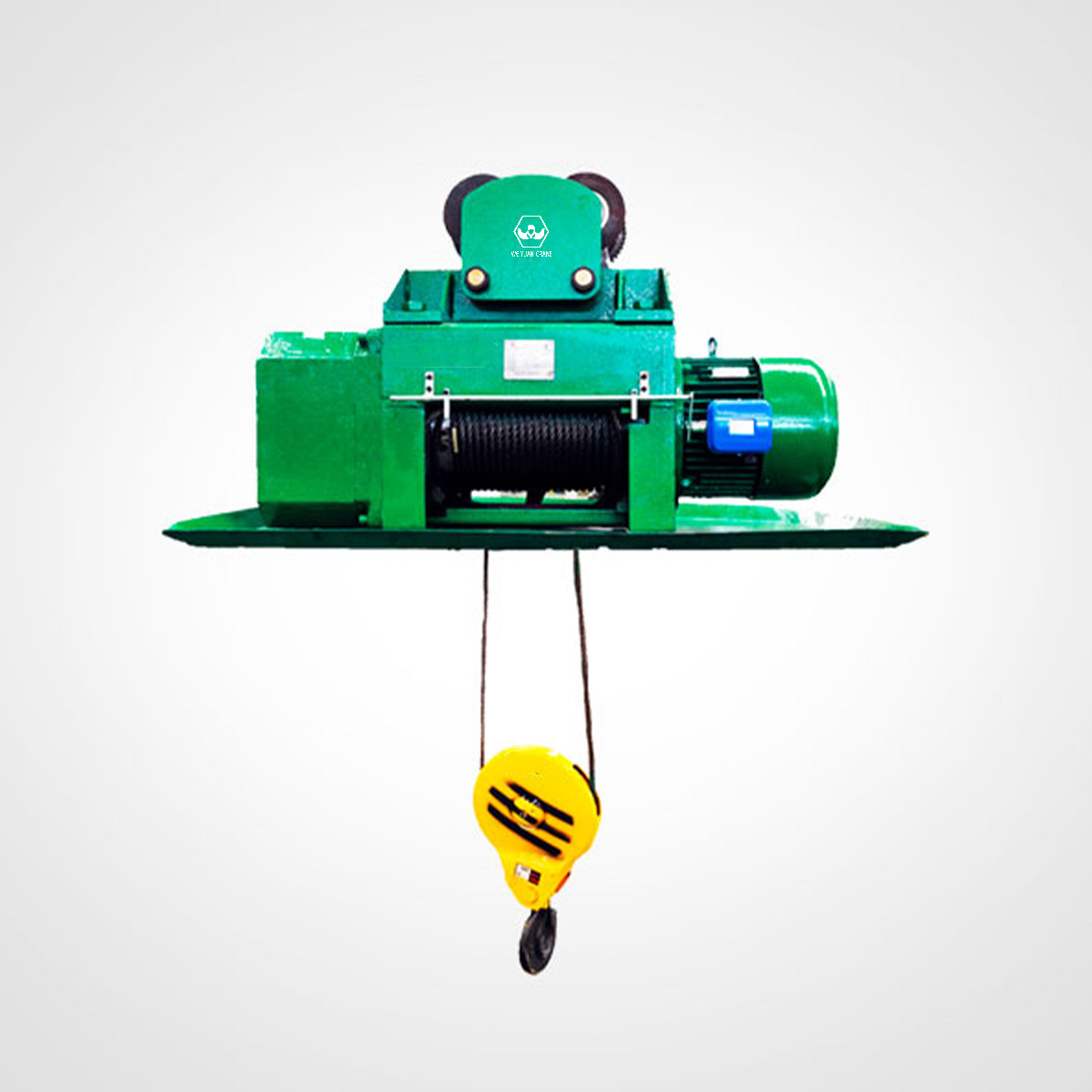
Universal electric hoist
Electric Chain Hoist for Sale: Compact, Reliable Lifting for Workshop Applications
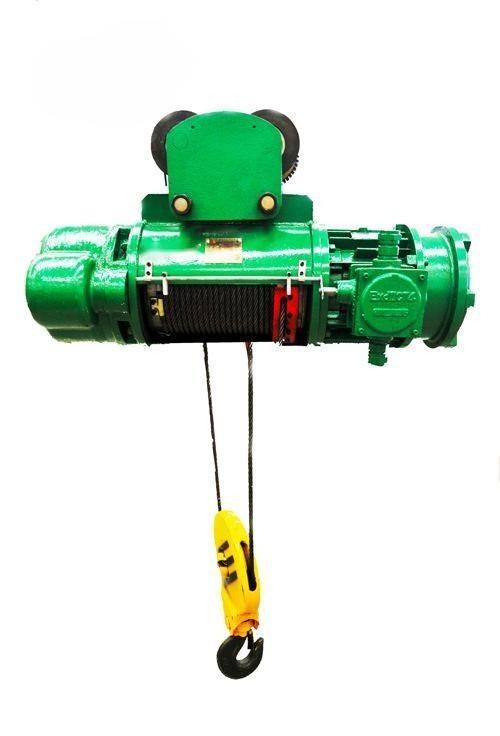
An electric chain hoist is the natural choice for light-to-mid-capacity lifting where a compact footprint and low headroom matter more than raw tonnage — a motor-driven sprocket winds a hardened load chain instead of steel wire rope, keeping the housing small enough to mount directly on a KBK track, monorail beam, or jib crane arm.
Weiyuan’s electric chain hoist range covers 125 kg to 5 tons, available in both European-style and Chinese-standard housing formats.
What Makes an Electric Chain Hoist Different
Unlike an electric wire rope hoist, which winds steel wire rope onto a drum and is built for heavier, continuous-duty lifting, an electric chain hoist winds a hardened load chain over a pocketed sprocket, resulting in a smaller, lighter housing that’s easier to mount on lighter-duty crane and track systems. This makes it the standard hoist choice for KBK crane systems, monorails, and jib cranes.
The trade-off against a wire rope hoist is capacity ceiling: chain hoists generally top out around 5 tons, beyond which the chain, sprocket, and gearbox assembly becomes impractical compared to a wire rope hoist’s drum-based design.
Series and Capacity Range
Series name: WY-EH-CH Series | Category: Electric chain hoist, European-style and Chinese-standard formats
| Model | Capacity | Standard Lift Height | Typical Applications | Control | Hoist Type |
|---|---|---|---|---|---|
| WY-EH-CH1 | 125–500 kg | 3–5 m | Precision bench work, KBK crane and jib crane installations | Pendant | Electric chain hoist |
| WY-EH-CH2 | 0.5–1 ton | 3–6 m | General workshop machine loading, monorail feed lines | Pendant | Electric chain hoist |
| WY-EH-CH3 | 1–2 tons | 4–8 m | Assembly-line stations, tool room support | Pendant/remote | Electric chain hoist |
| WY-EH-CH5 | 2–5 tons | 5–9 m | Upper limit of chain hoist range — medium-duty fabrication feed | Remote | Electric chain hoist |
Technical Parameters (Reference Range)
| Parameter | Typical Range / Description |
|---|---|
| Duty class | M3–M6 |
| Power supply | 380V/50Hz (customizable) |
| Load chain | Hardened link chain, single or double fall depending on capacity |
| Housing format | European-style (compact, lightweight) or Chinese-standard (robust, cost-effective) |
| Control options | Pendant or wireless remote |
| Overload and limit protection | Overload protection plus upper/lower limit switches, standard on all models |
Featured Product: Weiyuan WY-EH-CH3 Electric Chain Hoist
[Product image placeholder]
The WY-EH-CH3 covers 1–2 tons across a 4–8 m lift height, Weiyuan’s most common electric chain hoist configuration for assembly-line stations and tool room support.
[View Product / Get Quote →]
How to Choose the Right Electric Chain Hoist
- Confirm your heaviest actual lift, including any attachment weight, and match it against the series table above.
- Choose European-style or Chinese-standard housing based on your facility’s existing equipment standards and budget.
- Confirm the crane or track system it will mount to — KBK, monorail, or jib crane — since this affects trolley and mounting configuration.
- Check your available headroom, since a chain hoist’s compact housing is one of its main advantages in tight-clearance buildings.
- Confirm your duty cycle to guide the duty class specification, not just the capacity figure.
Red Flags When Shopping for an Electric Chain Hoist
- No distinction offered between European-style and Chinese-standard housing formats — these suit different budgets and equipment standards, and a supplier should let you choose deliberately.
- Capacity quoted near or above the practical 5-ton chain hoist ceiling without recommending a wire rope hoist instead — pushing a chain hoist design past its practical range is a sign of poor specification advice.
- No load chain construction or fall configuration specified — the chain itself should be documented to the rated capacity, not left as a generic line item.
- No mounting/trolley compatibility confirmed for your specific crane or track system — a chain hoist needs to match the beam or track it will travel on.
Frequently Asked Questions
Q: How much weight can an electric chain hoist lift? Electric chain hoists typically range from 125 kg up to about 5 tons (see the series table above), with capacities beyond that generally better served by an electric wire rope hoist instead.
Q: What’s the difference between European-style and Chinese-standard electric chain hoists? Both cover the same general capacity range but differ mainly in housing design and market convention — European-style units tend toward a more compact, lightweight housing common on KBK and monorail systems, while Chinese-standard units are a robust, cost-effective design widely used across domestic and export markets.
Q: Can an electric chain hoist be mounted on a KBK crane or jib crane? Yes — this is one of the most common applications for an electric chain hoist, since its compact housing and lighter weight suit the modular KBK track profile and jib crane arm particularly well. See our KBK crane guide and jib crane pages for more on these systems.
Q: What headroom does an electric chain hoist need? Considerably less than an equivalent-capacity wire rope hoist — this compact footprint is one of the electric chain hoist’s main advantages in buildings with limited vertical clearance, though exact dimensions still vary by model and should be confirmed before ordering.
Q: Is an electric chain hoist suitable for continuous-duty lifting? It can be, provided the duty class is specified to match the actual cycle frequency — but for genuinely heavy, continuous-duty industrial lifting beyond the chain hoist’s practical capacity range, an electric wire rope hoist is generally the more appropriate and durable choice.