


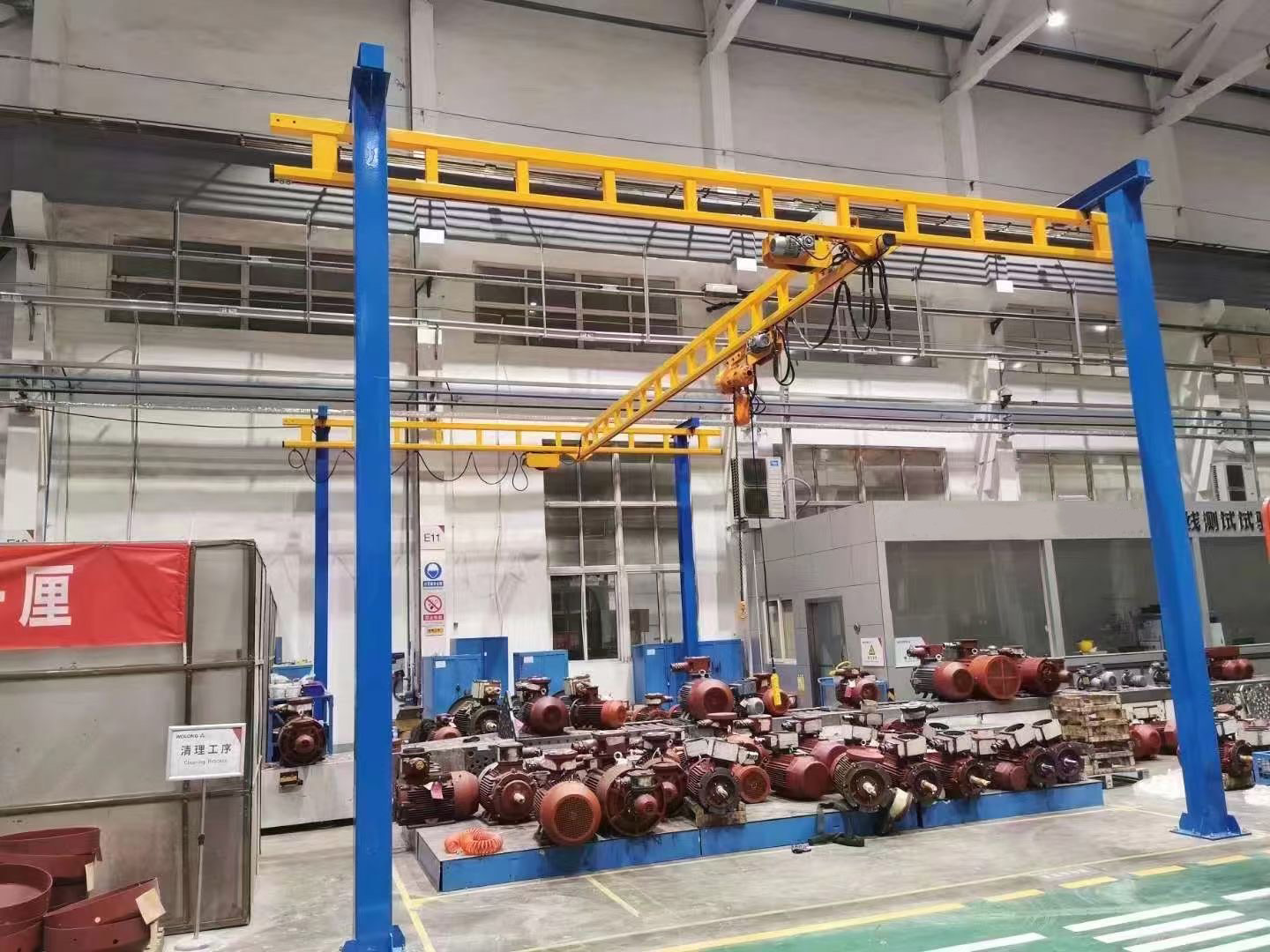
KBK light crane system
Eliminating Repetitive Strain and Enhancing Operator Safety with Ergonomic KBK Cranes
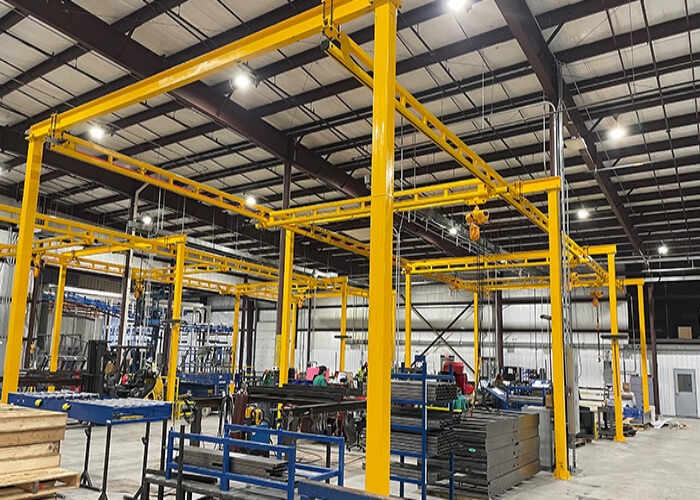
Workplace safety and ergonomic health are critical priorities for manufacturing plants, distribution warehouses, and industrial workshops. Manual handling of components weighing between 20 kg and 200 kg is a primary contributor to occupational musculoskeletal disorders (MSDs), operator fatigue, and lost-time injury claims. Installing an ergonomic KBK light crane system provides a proven, engineering-based solution that removes physical strain from daily operations. By taking the physical burden off workers and providing smooth, effortless load movement, an ergonomic KBK crane creates a safer, more sustainable production environment.
Why Ergonomic KBK Crane Systems Matter on the Shop Floor
Repetitive bending, twisting, and manual lifting of heavy machine parts, sheet metal panels, and boxed goods quickly exhaust shop-floor operators, leading to drops, positioning mistakes, and chronic back injuries. Traditional heavy steel cranes can also be difficult to push and pull manually, causing shoulder and elbow strain. A KBK light crane system addresses these ergonomic hazards by:
- Reducing horizontal push/pull start-up forces to less than 1% of the total suspended load weight
- Utilizing articulated ball-and-socket suspension joints that absorb swinging forces and prevent binding
- Providing motorized travel or zero-effort manual gliding for seamless load transit
- Eliminating awkward manual lifting postures through micro-speed vertical positioning
- Supplying redundant safety mechanisms, including secondary steel safety cables on all hangers
Facilities that implement ergonomic KBK cranes protect their workers while achieving steady, consistent cycle times. For example, a heavy component assembly bay can reduce physical fatigue-related delays by up to 40% while maintaining an injury-free safety record.
Key Strategies for Enhancing Ergonomic Safety
- Keep Push/Pull Forces Within Safe Ergonomic Guidelines
Follow international ergonomic standards (such as ISO 11228 and EN 1005) by sizing the crane system so initial push forces remain well below 5 kg of human effort. Selecting lightweight profile tracks and precision trolley wheel bearings ensures that moving a 500 kg motor feels virtually effortless for any operator. - Install Redundant Secondary Safety Suspension Cables
Ensure every ceiling suspension point is equipped with an independent high-strength steel safety cable looped around the building truss and track clamp. This secondary connection provides fail-safe drop protection in the unlikely event of an anchor bolt or primary clamp failure. - Implement Positive Mechanical Travel Stops and Buffers
Fit all track ends with heavy-duty mechanical end stops and resilient rubber buffers. These stops prevent trolleys from over-traveling or running off the track ends, absorbing kinetic impact forces and keeping the load securely within the designed operating envelope. - Pair with Ergonomic Low-Voltage Operator Controls
Equip hoists with ergonomic push-button pendants or wireless radio remote controls operating on safe low voltage (24V or 36V). Position controls so operators can stand clear of suspended loads with an unobstructed view of the lifting zone, reducing pinch-point and crush hazards. - Enforce Standardized Daily Visual and Functional Checks
Train operators to perform a quick 3-minute pre-shift check before using the crane:
- Inspect the load chain or wire rope for wear, twisting, or lack of lubrication
- Confirm the upper limit switch stops hoisting travel smoothly before contacting the body
- Check that trolley wheels glide freely along track profiles without catching or binding
- Verify that hook safety latches snap firmly into the closed position
Real-World Examples of Safety Gains
A tier-1 automotive seating manufacturer in Wroclaw installed six single-girder KBK light cranes across its final seat-frame welding line. Prior to installation, the facility recorded an average of four manual lifting strain incidents annually. After introducing the KBK cranes paired with custom pneumatic balancers, manual lifting injuries dropped to zero over an 18-month period, while operator workstation efficiency improved by 22%.
Similarly, an electric motor repair facility in Graz added a ceiling-hung KBK system over its stator winding and assembly area. Technicians previously lifted 40 kg stator cores manually onto assembly benches. The KBK crane eliminated manual lifting entirely, reducing worker compensation claims by 80% and maintaining steady takt times across all shifts.
Benefits for Local Businesses
Adopting an ergonomic KBK crane system delivers substantial organizational and financial advantages:
- Injury Prevention: Eliminates high-risk manual lifting and protects workers from chronic musculoskeletal injuries.
- Stable Cycle Times: Prevents operator physical fatigue, maintaining consistent production velocity from shift start to finish.
- Lower Insurance Costs: Documented ergonomic improvements and zero-lost-time safety records help lower liability premiums.
- Higher Workforce Retention: Creating a safe, physically comfortable work environment boosts employee morale and reduces turnover.
- Full Regulatory Compliance: Keeps your facility fully aligned with OSHA, CE, and international occupational health mandates.
Creating a safe workplace requires removing physical strain from everyday tasks. An ergonomic KBK light crane system provides the smooth, dependable lifting assistance necessary to protect your workforce, eliminate handling hazards, and build an efficient, safety-first manufacturing culture.
