


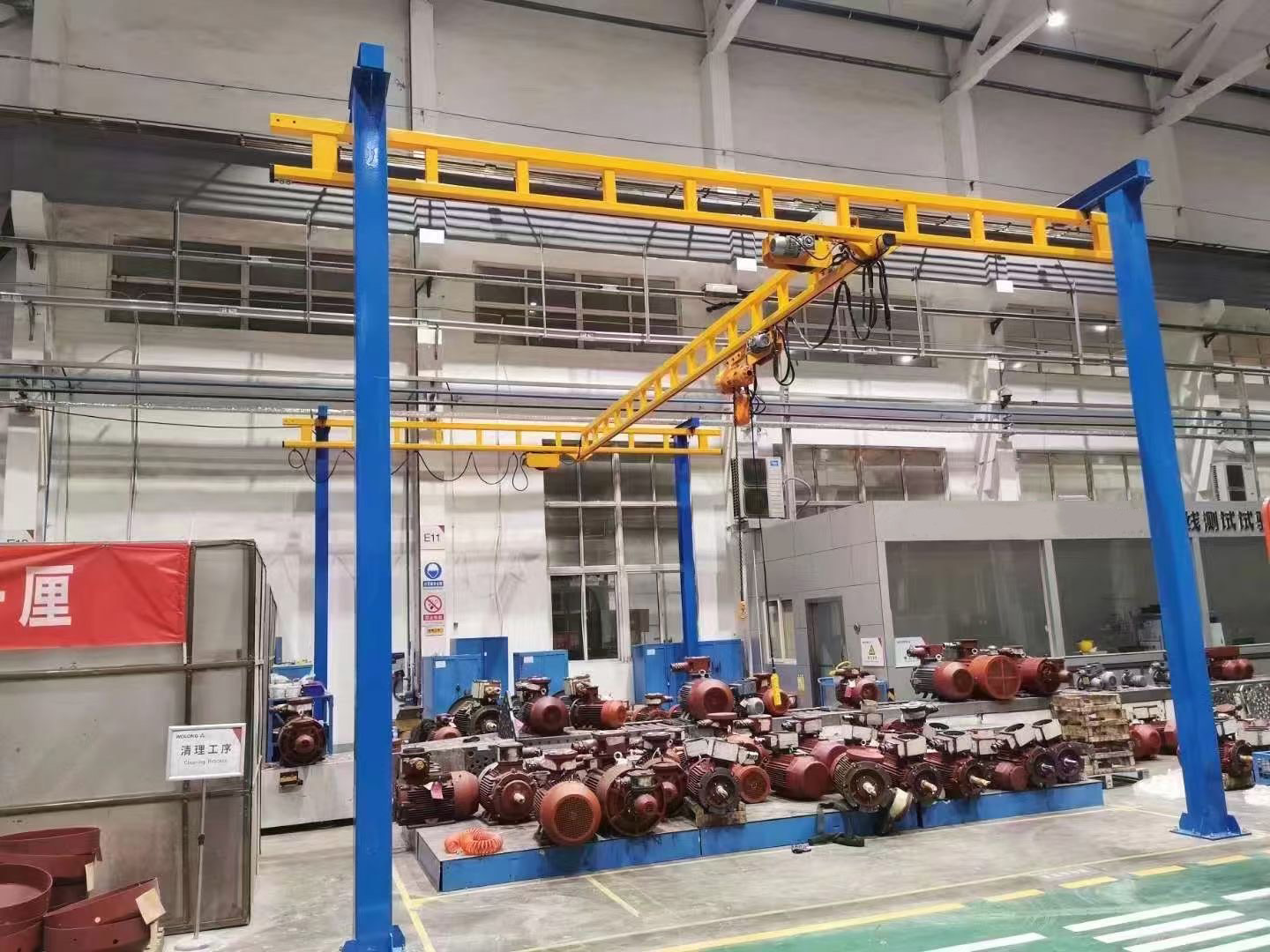
KBK light crane system
Maximizing Workflow Efficiency with Modular KBK Light Crane Systems in Assembly Plants
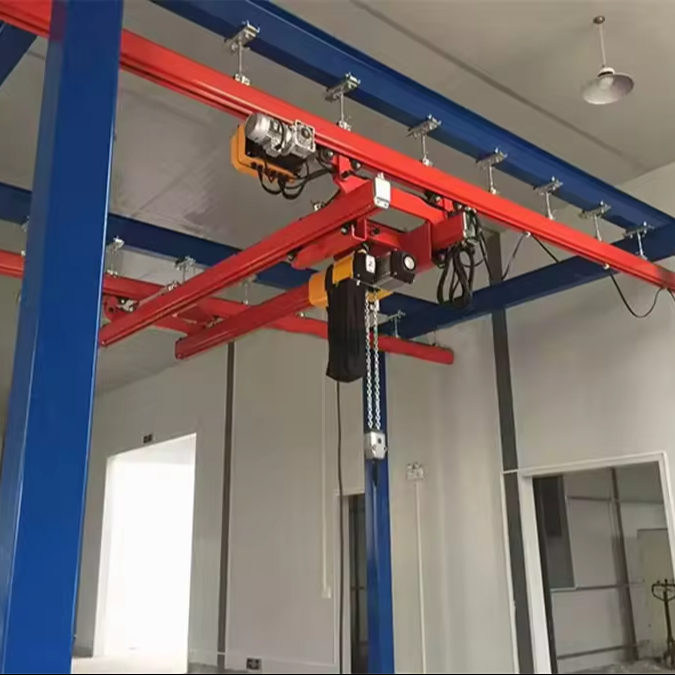
Efficient material handling is a critical factor for modern assembly plants, manufacturing cells, and local industrial workshops. Implementing a modular KBK light crane system can significantly improve production flow, eliminate material transport bottlenecks, and create an organized, highly productive workspace. By utilizing cold-rolled enclosed track profiles and articulated ceiling suspensions, a well-planned KBK system transforms localized production bays into seamless material flow networks, enabling workers to handle parts quickly and smoothly without relying on heavy overhead bridge cranes.
Why KBK Crane Systems Matter in Modern Assembly Plants
Industrial assembly facilities often face challenges such as crowded floor aisles, repetitive component transfers, and long operator wait times for facility-wide overhead cranes. Relying on manual lifting or motorized forklifts within tight workstations slows down cycle times and increases the risk of product damage and operator fatigue. A modular KBK crane system provides an effective solution by:
- Delivering dedicated, low-friction overhead lifting coverage across single or multiple workstations
- Bypassing floor congestion by moving materials along elevated, ceiling-suspended runway tracks
- Enabling operators to move loads up to 2,000 kg manually with minimal push/pull resistance
- Connecting sequential assembly, testing, and packaging stations into a continuous workflow
- Relieving primary overhead cranes from small, repetitive handling tasks
Businesses that integrate KBK crane systems into their production lines experience immediate gains in workflow speed and operator safety. For example, an automotive sub-assembly cell handling gearboxes and chassis parts can reduce localized transfer time by up to 35% with an interconnected KBK track network.
Key Strategies for Maximizing Efficiency
- Map Production Workflows and Track Topology
Before installing a KBK system, evaluate your workshop layout, ceiling truss structural capacity, and the linear path of materials. Determine whether your workflow requires a simple linear monorail, a single-girder bridge covering a rectangular bay, or an interconnected system with curved tracks, switches, and turntables. Mapping material movement ensures tracks follow natural assembly sequences without awkward detours. - Leverage Ultra-Low-Friction Enclosed Track Profiles
The core advantage of a KBK system lies in its enclosed track design. Cold-rolled steel or extruded aluminum profiles shield internal running surfaces from shop-floor dust and debris. Paired with precision-machined nylon or steel trolley wheels, the system keeps rolling resistance below 1% of the total load weight, allowing operators to glide parts between stations with minimal effort. - Synchronize Lifting Speeds with Line Takt Times
Select electric chain hoists or pneumatic balancers that match your workstation cycle times. Dual-speed hoisting allows rapid vertical lifting alongside ultra-slow micro-speed positioning for delicate component alignment. For rapid, high-frequency positioning of parts under 150 kg, pneumatic balancers provide zero-gravity floating control that matches human movement seamlessly. - Standardize Below-the-Hook Lifting Attachments
Outfit your KBK hoists with dedicated lifting attachments tailored to the specific components handled in each bay. Vacuum sheet lifters, permanent magnetic chucks, scissor grabs, and custom mechanical C-hooks eliminate manual rigging and significantly reduce part hook-up times. - Plan for Bolted Modular Expansion
Take advantage of the 100% bolted design of KBK track systems. Avoid welded connections so that track sections, suspension hangers, and bridge girders can be easily extended, re-routed, or relocated as manufacturing contracts change or factory floor layouts evolve.
Real-World Examples of Efficiency Gains
An automotive powertrain assembly facility in Leipzig installed a double-bridge KBK light crane system across four engine dressing stations. Previously, operators shared a single 5-ton overhead crane, resulting in regular assembly line stoppages averaging 20 minutes per shift. The dedicated KBK system eliminated wait times entirely, increased daily engine throughput by 26%, and significantly lowered worker fatigue reports.
Similarly, a commercial appliance manufacturer in Bilbao installed a closed-loop KBK monorail with track switches connecting metal stamping, welding, and final packaging. The continuous overhead loop eliminated forklift travel within the assembly aisle, reduced product paint scratching by 40%, and decreased total part transfer time by 30%.
Benefits for Local Businesses
Implementing a modular KBK light crane system offers clear operational advantages for manufacturers and workshops:
- Increased Productivity: Smooth overhead material movement eliminates transfer delays and keeps assembly lines balanced.
- Cost Savings: Minimizes reliance on expensive forklifts, lowers electric power consumption, and prevents handling damage.
- Enhanced Safety: Reduces manual lifting strain, eliminates floor tripping hazards, and maintains controlled load movement.
- High Scalability: Fully modular components allow easy track extensions and layout reconfigurations with zero welding.
- Local Engineering Support: Partnering with qualified crane suppliers ensures rapid suspension analysis, fast parts delivery, and certified safety inspections.
Maximizing efficiency in modern manufacturing requires targeted material handling solutions that empower operators and eliminate process bottlenecks. A modular KBK light crane system is a practical, scalable investment that streamlines workstation logistics, protects employees, and builds a faster, more competitive production facility.
