


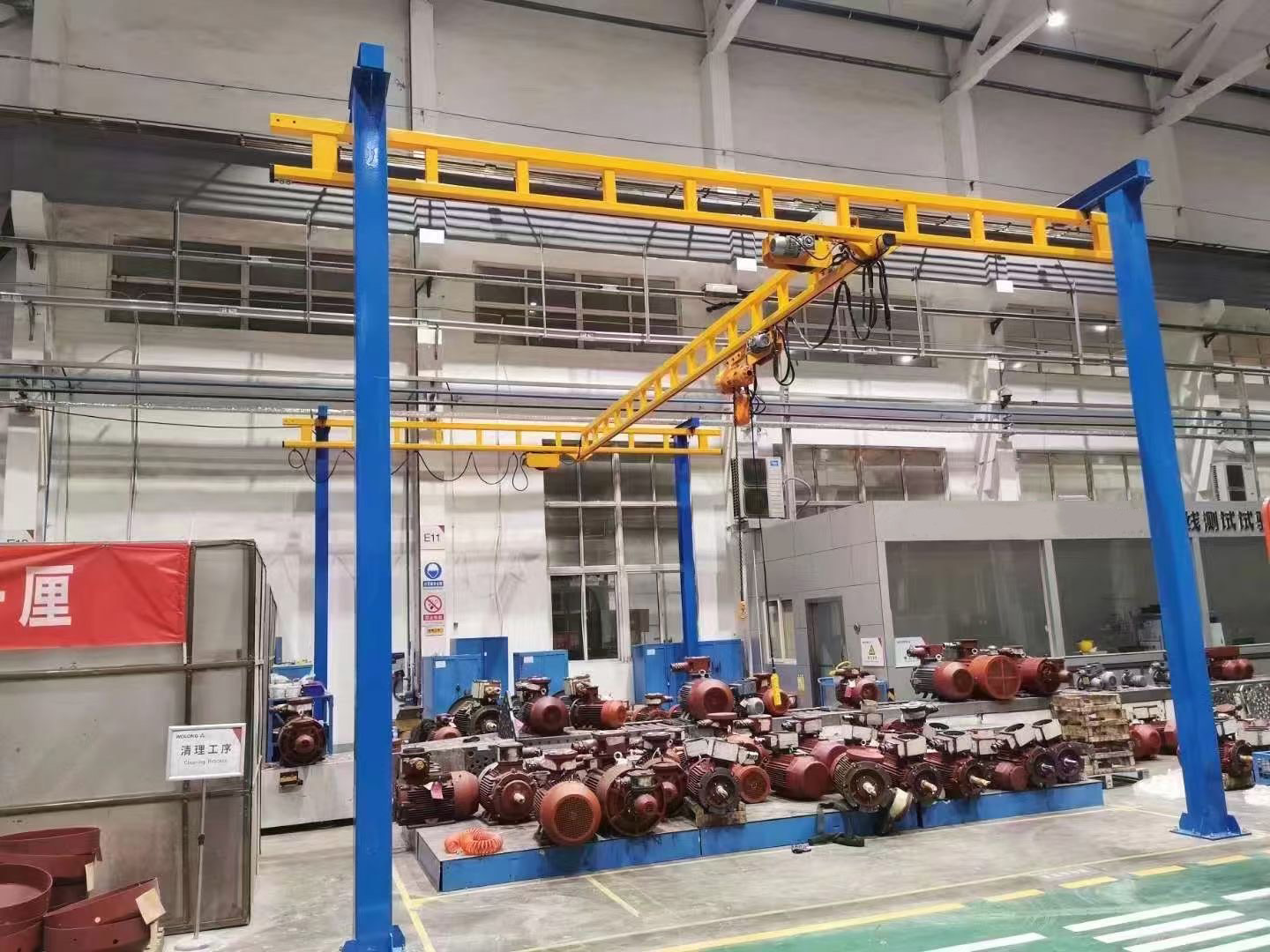
KBK light crane system
Optimizing Cleanroom and Sensitive Manufacturing with Aluminum KBK Crane Systems
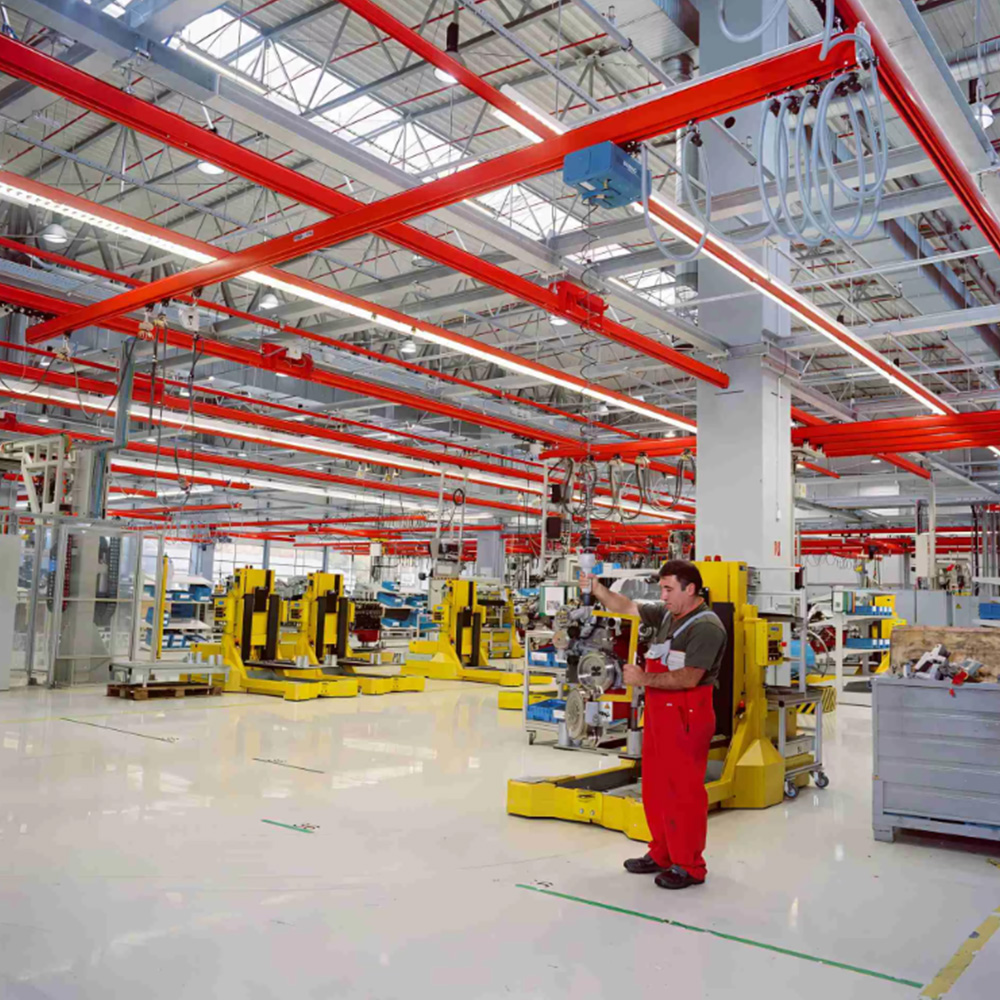
In high-precision industries such as electronics manufacturing, pharmaceutical packaging, food processing, and medical device assembly, material handling equipment must meet rigorous standards for cleanliness, low particulate emission, and vibration-free motion. Implementing an extruded aluminum KBK light crane system provides a clean, highly efficient solution for localized workstation lifting. Combining anodized corrosion-resistant track profiles with smooth-rolling trolleys, an aluminum KBK crane creates an ultra-clean, ergonomic lifting environment that protects sensitive products from contamination and handling damage.
Why Aluminum KBK Cranes Matter in Controlled Environments
Standard steel lifting equipment often poses challenges in cleanrooms due to paint flaking, particulate generation from open runway rails, and heavy manual manipulation that causes air turbulence. An aluminum KBK enclosed-track system overcomes these limitations by:
- Utilizing anodized aluminum profiles that eliminate paint chipping, rust, and surface oxidation
- Housing smooth-rolling nylon trolley wheels inside an enclosed profile to contain wear particles
- Providing whisper-quiet operation (<65 dB) and low rolling resistance for delicate manual positioning
- Offering lightweight structural profiles that place minimal deadweight load on cleanroom ceiling grids
- Enabling non-magnetic, spark-resistant handling for sensitive electronic components and laboratory devices
Facilities that adopt aluminum KBK crane systems maintain strict ISO cleanroom compliance while significantly improving workstation handling speed. For example, a medical diagnostic equipment assembly cell can reduce part positioning errors and surface contamination risks by over 45% using a precision aluminum KBK crane.
Key Strategies for Cleanroom Material Handling
- Select Anodized Extruded Aluminum Profiles
Ensure the KBK tracks and bridge girders are constructed from high-grade anodized aluminum alloy (such as 6063-T6). Anodized surfaces provide a smooth, non-porous finish that is easy to wipe down, resistant to chemical cleaning agents, and completely free from flaking coatings. - Utilize Sealed-Bearing Nylon Trolley Wheels
Equip the system with precision nylon or polyoxymethylene (POM) trolley wheels fitted with lifetime-lubricated, double-sealed ball bearings. This prevents particulate shedding caused by steel-on-steel friction and eliminates grease leakage into controlled production areas. - Integrate Clean-Duty Electric Chain Hoists or Belt Hoists
Pair the aluminum KBK track with cleanroom-rated lifting mechanisms. Belt hoists or stainless-steel-fitted electric chain hoists using food-grade lubricants prevent particulate emission and fluid dripping directly above active workstations. - Maintain Laminar Airflow Alignment
Work closely with facility engineers to orient track profiles so they do not obstruct HEPA/ULPA ceiling fan filter units (FFUs). Slotted suspension brackets allow precise vertical adjustments to ensure the crane hangs below airflow diffusers without disrupting laminar downward air currents. - Establish Routine Surface Cleaning and Inspection
Implement a standardized cleaning protocol using approved lint-free microfiber cloths and isopropyl alcohol solutions. Regular wipe-downs of the external track profile and periodic vacuuming of internal running surfaces prevent airborne dust accumulation.
Real-World Examples of Efficiency Gains
A semiconductor testing facility in Dresden installed an anodized aluminum KBK single-girder crane across its wafer container loading bay. The lightweight system allowed operators to position sensitive wafer pods with zero-vibration gliding, eliminating micro-cracking defects caused by rough forklift handling and boosting yield rates by 12% in the packaging line.
Similarly, a medical device manufacturer in Lyon integrated an aluminum KBK monorail system above its sterile surgical kit assembly line. The smooth, quiet track allowed clean, continuous transfer of stainless steel trays between inspection hoods and packaging stations, cutting manual tray handling by 50% while fully meeting ISO Class 7 cleanroom cleanliness requirements.
Benefits for Local Businesses
Investing in an aluminum KBK crane system delivers measurable advantages for clean and precision manufacturing operations:
- Contamination Control: Non-flaking anodized surfaces and sealed trolleys preserve strict cleanroom air purity standards.
- Ergonomic Precision: Exceptionally low tare weight enables delicate, millimeter-level part alignment without operator fatigue.
- Corrosion Resistance: Immune to moisture, humidity, and regular chemical wash-downs in pharmaceutical and food applications.
- Flexible Installation: Lightweight tracks easily suspend from existing ceiling beams without costly structural reinforcements.
- Regulatory Compliance: Supports audit readiness for FDA, GMP, and ISO cleanroom certifications through sanitary design.
Maintaining productivity in contamination-sensitive environments requires specialized equipment engineered for cleanliness and precision. An aluminum KBK light crane system provides the clean, low-friction lifting power necessary to protect valuable components, streamline production flow, and maintain uncompromised cleanroom standards.
