


Jib Crane
Maximizing Productivity with Freestanding Jib Cranes in High-Volume Machine Shops
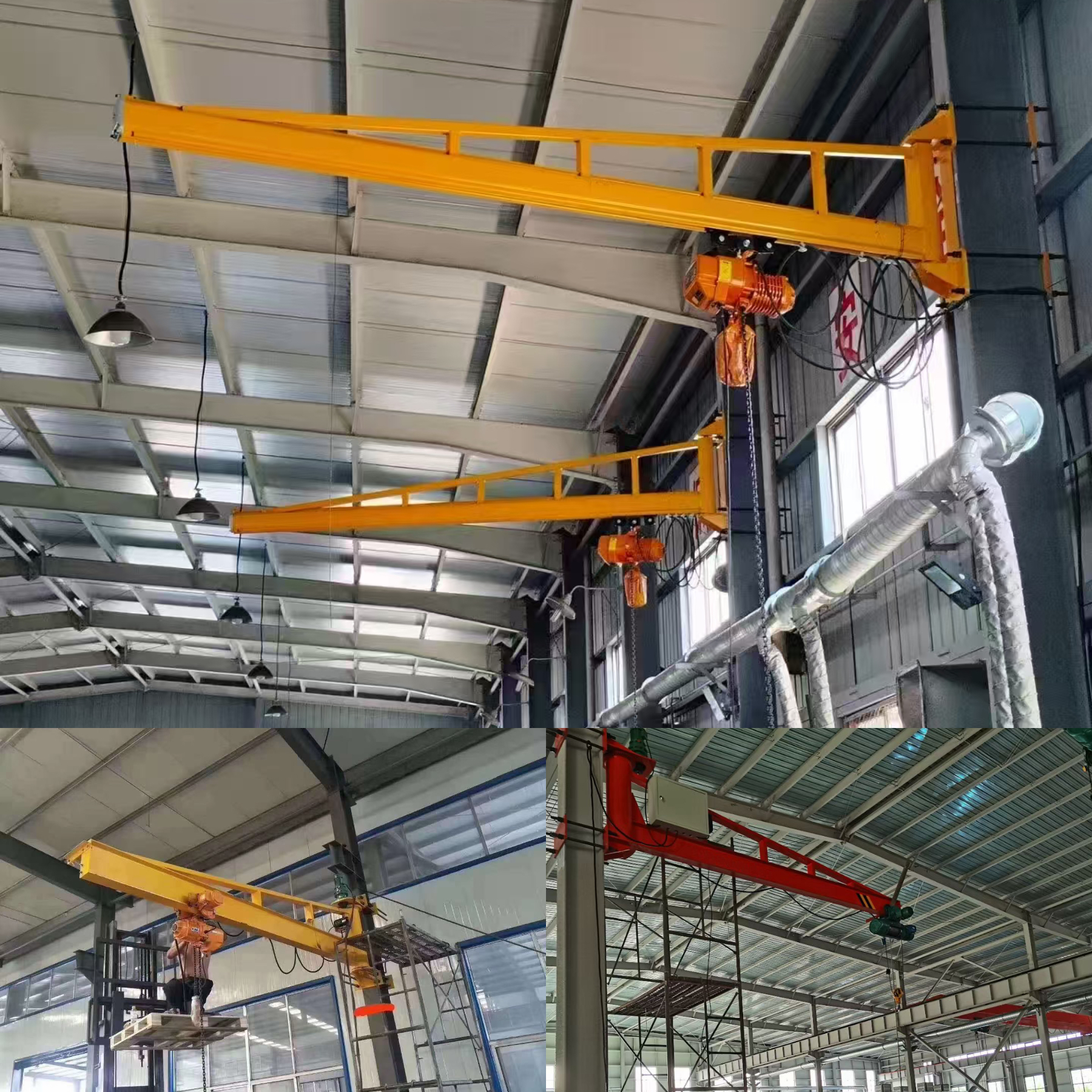
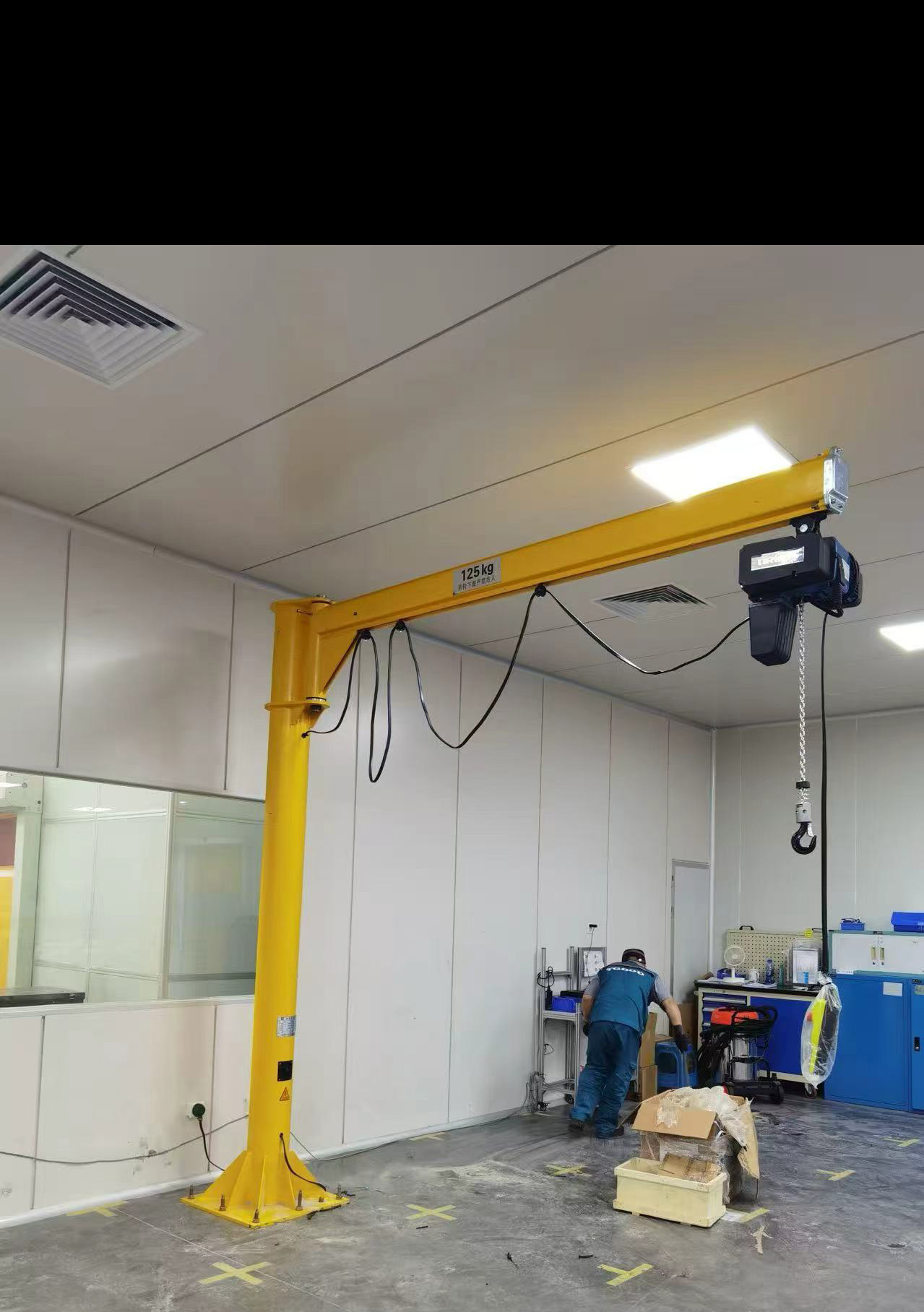
Efficient material handling is a critical factor for CNC machine shops, fabrication facilities, and localized manufacturing bays. Implementing a freestanding jib crane system can significantly improve workstation throughput, reduce machine idle time, and protect machine operators from repetitive strain injuries. A well-planned jib crane installation transforms individual machine cells into highly self-sufficient, productive, and safe environments, enabling operators to handle heavy parts without waiting for facility-wide overhead cranes.
Why Jib Cranes Matter in Local Machine Shops
Machine shops frequently struggle with machine idle time caused by operators waiting for the main overhead bridge crane to load raw billets or unload finished parts. Relying on forklifts inside narrow shop aisles or attempting manual lifting creates severe workflow bottlenecks and safety hazards. A freestanding jib crane solves these challenges by:
- Delivering dedicated 360-degree lifting coverage directly over one or multiple machine tools
- Eliminating production delays by decoupling workstation loading from the primary bay crane
- Allowing precise, micro-inching alignment of workpieces into chucks, fixtures, and machine beds
- Keeping shop-floor aisles completely clear of forklifts and mobile gantry obstacles
- Reducing physical worker fatigue and the risk of chronic lower-back injuries
Facilities that install dedicated jib cranes at critical machining stations typically see immediate productivity gains. For example, a heavy precision turning cell can reduce part loading and fixture changeover time by up to 40% with an overhead articulated or pillar jib crane.
Key Strategies for Maximizing Efficiency
- Assess Machine Tool Footprint and Working Envelope
Before selecting a jib crane, carefully measure the machine door opening, spindle centerline distance, ceiling height, and floor concrete foundation depth. Ensure the boom rotation radius clears neighboring building columns and overhead lighting while covering the machine loading zone and adjacent staging pallets. - Select the Appropriate Slewing and Hoist Mechanism
Choose between manual slewing for lightweight loads (under 1 ton) and motorized VFD rotation for longer boom reaches or loads exceeding 2 tons. Pairing the jib crane with a dual-speed or variable-frequency electric chain hoist ensures smooth acceleration and millimeter-level positioning without shock-loading machine spindles. - Optimize Tooling and Fixture Changeovers
Use the jib crane not only for raw material loading but also for swapping heavy lathe chucks, milling vises, and faceplates. Installing quick-change lifting clamps or dedicated eye-bolt lifting fixtures directly beside the machine speeds up setup times between production batches. - Establish Rigorous Operator Safety Protocols
Operator training is vital for preventing workstation collisions. Key training points should include:
- Avoiding side-pulling loads to prevent boom twisting and trolley derailment
- Controlling rotation inertia to prevent the boom or hoist from striking machine doors
- Understanding load ratings at maximum boom reach (radius limits)
- Performing daily pre-use checks on hoist limit switches, hooks, and wire ropes/chains
- Incorporate Ergonomic Below-the-Hook Lifting Attachments
Enhance the crane’s utility by equipping it with specialized lifting attachments such as permanent magnetic lifters for steel plates, scissor grabs for round billets, or vacuum lifters for smooth sheet metal. These attachments eliminate manual rigging and speed up attachment times.
Real-World Examples of Efficiency Gains
A contract machining facility in Sheffield installed three 1-ton freestanding jib cranes across six CNC horizontal machining centers. Previously, operators shared a single 10-ton overhead bridge crane, resulting in an average wait time of 15 minutes per part setup. The dedicated jib cranes eliminated wait times entirely, increasing active spindle run-time by 28% across two shifts.
Similarly, a valve manufacturing plant in Monterrey added a 2-ton pillar jib crane to its hydraulic testing station. The crane allowed a single technician to safely position heavy valve assemblies into test benches, reducing cycle times by 35% while eliminating manual lifting strain claims.
Benefits for Local Businesses
Installing dedicated jib cranes offers several measurable advantages for machine shops and manufacturing facilities:
- Increased Productivity: Spindle utilization increases as operators load and unload parts without waiting for shared equipment.
- Cost Savings: Minimizes machine downtime, lowers labor overhead, and prevents costly damage to expensive machine chucks and ways.
- Enhanced Safety: Eliminates dangerous manual lifting and prevents awkward body postures during part loading.
- Modular Scalability: Jib cranes can be easily relocated or added as new machining centers are introduced.
- Local Engineering Support: Partnering with regional crane suppliers guarantees fast anchor foundation verification, parts availability, and routine inspections.
Maximizing efficiency in machine shops requires targeted, localized lifting solutions that keep operators productive and machines running. A freestanding jib crane system is a practical investment that streamlines part changeovers, protects valuable equipment, and builds a safer, more competitive manufacturing facility.
