


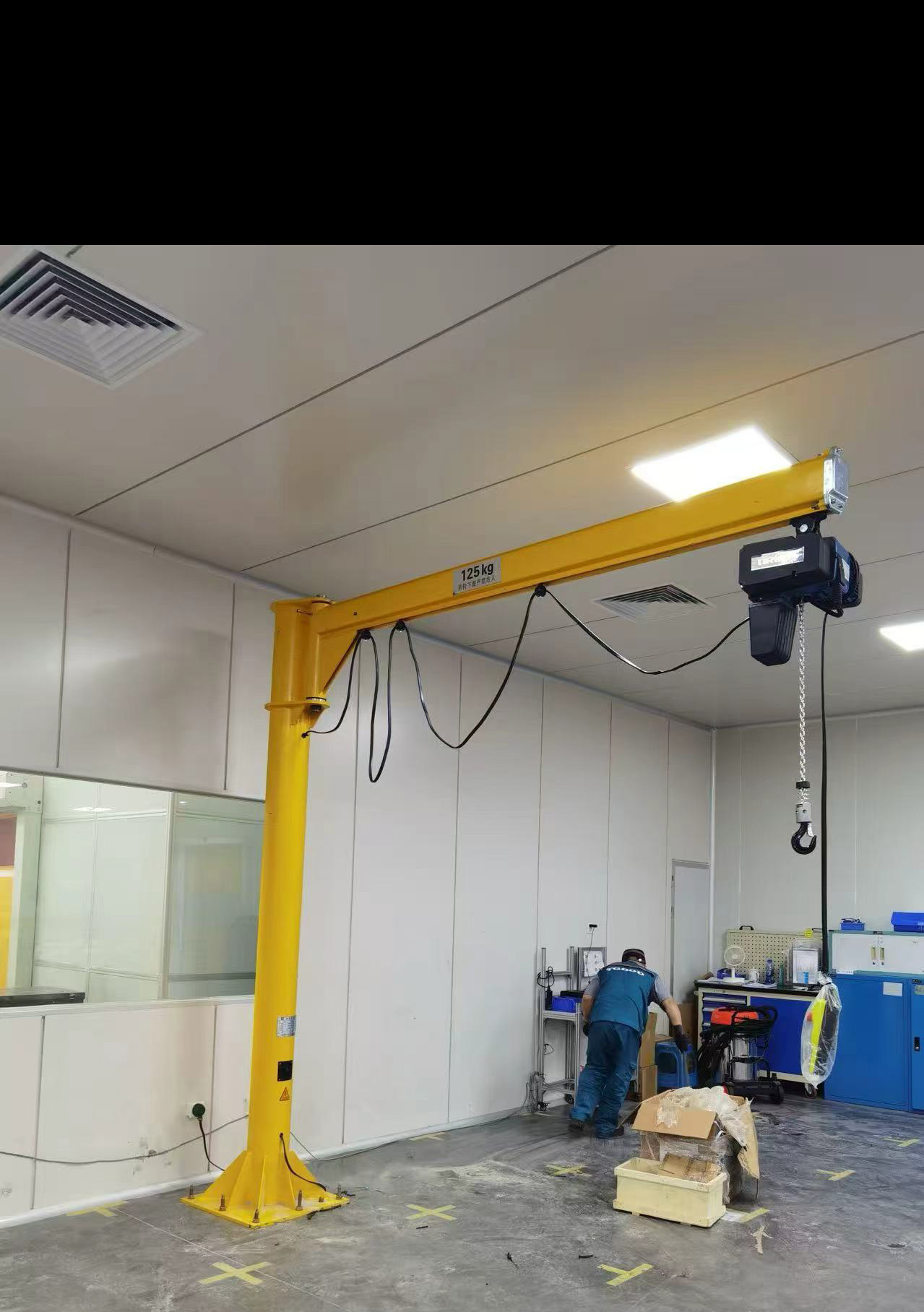
Jib Crane
Essential Jib Crane Safety Protocols & Daily Inspection Procedures for Local Facilities
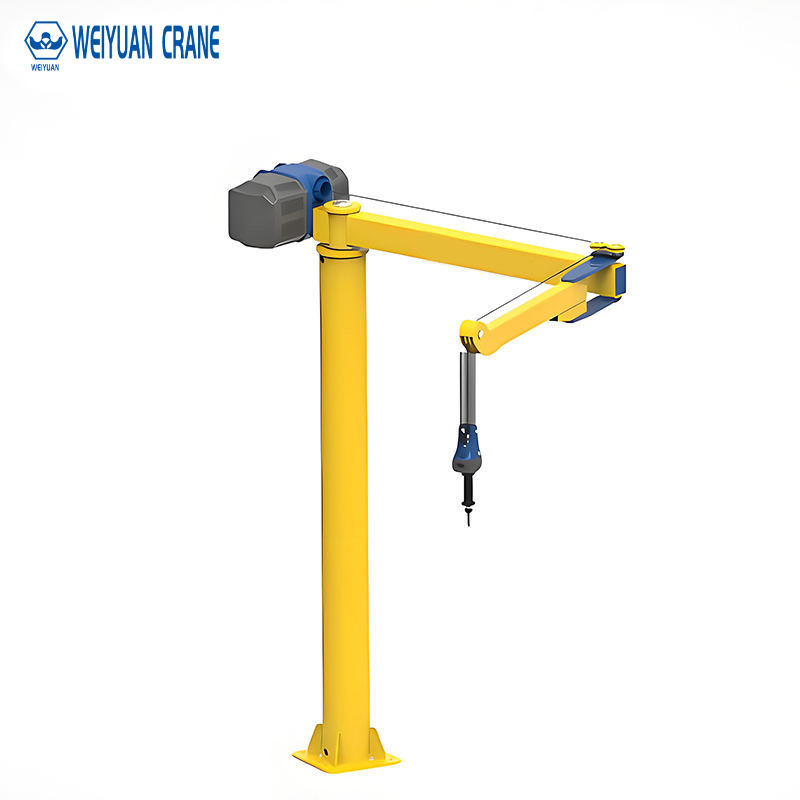
Workplace safety and equipment reliability are fundamental priorities for industrial plants, warehouses, and fabrication workshops. While jib cranes are compact and straightforward to operate compared to large bridge cranes, they still handle heavy suspended loads capable of causing catastrophic injuries and equipment damage if neglected. Implementing standardized safety protocols and a consistent daily inspection checklist ensures ASME B30.11 and OSHA compliance, reduces workplace risks, and extends the operational lifespan of your lifting equipment.
Why Jib Crane Safety Standards Matter
Local industrial facilities frequently operate under demanding production schedules where routine equipment checks can be overlooked. Jib crane accidents—such as boom over-rotation, load slippage from side-pulling, and hoist brake failure—often stem from improper operation or lack of preventive inspections. Establishing rigorous safety practices provides:
- Immediate prevention of dropped loads and workplace pinch-point accidents
- Protection of costly machine tools, dies, and raw materials from impact damage
- Full compliance with OSHA 1910.179 / ASME B30 standards, avoiding legal penalties
- Early detection of structural wear, loose foundation bolts, and electrical faults
- Increased operator confidence and improved workplace safety culture
Facilities that enforce consistent pre-shift crane checks experience significantly lower unplanned downtime and maintain accident-free material handling operations.
Key Strategies for Maintaining Jib Crane Safety
- Enforce Strict “No Side-Pulling” Operating Rules
Jib cranes are designed strictly for vertical lifting. Side-pulling loads at an angle introduces dangerous lateral bending moments to the boom, causes wire rope or chain to jump guides, and creates uncontrolled pendulum swings once the load clears the floor. Operators must always center the hoist directly above the load’s center of gravity before lifting. - Implement a Standardized Daily Pre-Shift Inspection Checklist
Before operating the crane each day, operators should conduct a 3-minute visual and functional check:
- Foundation & Mounting: Check anchor bolts and column baseplates for signs of loosening, cracking, or movement.
- Boom & Structure: Inspect the cantilever beam, gussets, and pivot pins for visible deformation, weld cracks, or excessive rust.
- Hoist Mechanism: Inspect the load chain or wire rope for kinks, broken wires, twisting, and proper lubrication.
- Upper Limit Switch: Test the hoist upper limit switch without a load to verify that hoisting stops automatically before contacting the drum or sprocket.
- Hook & Safety Latch: Verify that the hook rotates freely, has no visible throat opening deformation, and the safety latch springs shut firmly.
- Control Boom Slewing and Swing Momentum
Uncontrolled boom rotation is a major cause of collisions with building columns, machines, and nearby personnel. Operators should always use smooth, controlled motions when pushing or motorizing the boom. Where applicable, maintain adjustable friction brakes on manual slewing pivots to prevent the boom from drifting under air drafts or momentum. - Establish Clear Floor Safety Zones
Mark the slewing radius of the jib crane on the shop floor with bright yellow safety lines. Keep this circular or semi-circular zone clear of scrap bins, temporary pallets, and unauthorized personnel during lifting operations. - Conduct Certified Annual Load and Electrical Testing
In addition to daily checks, schedule a comprehensive annual inspection by certified crane technicians. This includes non-destructive testing (NDT) of critical pivot welds, electrical insulation checks, ground continuity testing, and 100% rated load brake-drift verification per ASME guidelines.
Real-World Examples of Efficiency and Safety Gains
A heavy valve foundry in Leeds established a mandatory digital pre-shift inspection protocol for its eight workstation jib cranes. Within six months, the daily checks identified two worn hoist safety latches and a loose anchor bolt before any equipment failure occurred, preventing estimated emergency repair and downtime costs exceeding £18,000.
In an automotive stamping plant in Detroit, installing mechanical rotation limit stops on three wall-bracket jib cranes prevented the booms from swinging into an adjacent automated packaging conveyor. The modification eliminated collision damage and ensured full compliance with corporate EHS standards.
Benefits for Local Businesses
A proactive approach to jib crane safety delivers tangible operational advantages:
- Minimized Workplace Injuries: Protects operators and ground personnel from crushing and pinch-point hazards.
- Zero Unplanned Downtime: Detects mechanical wear and electrical issues early before catastrophic failure occurs.
- Asset Protection: Eliminates accidental crane collisions with expensive CNC machinery and building structures.
- Regulatory Compliance: Keeps your facility fully aligned with local OSHA, CE, and industrial safety inspection mandates.
- Lower Insurance Premiums: Documented maintenance and inspection records demonstrate a proactive safety culture, reducing corporate liability.
Maintaining a safe lifting environment requires the right safety hardware, thorough operator training, and an uncompromising commitment to daily inspections. By making safety an integral part of everyday operations, businesses can maximize the productivity of their jib cranes while protecting their most valuable asset—their workforce.
