


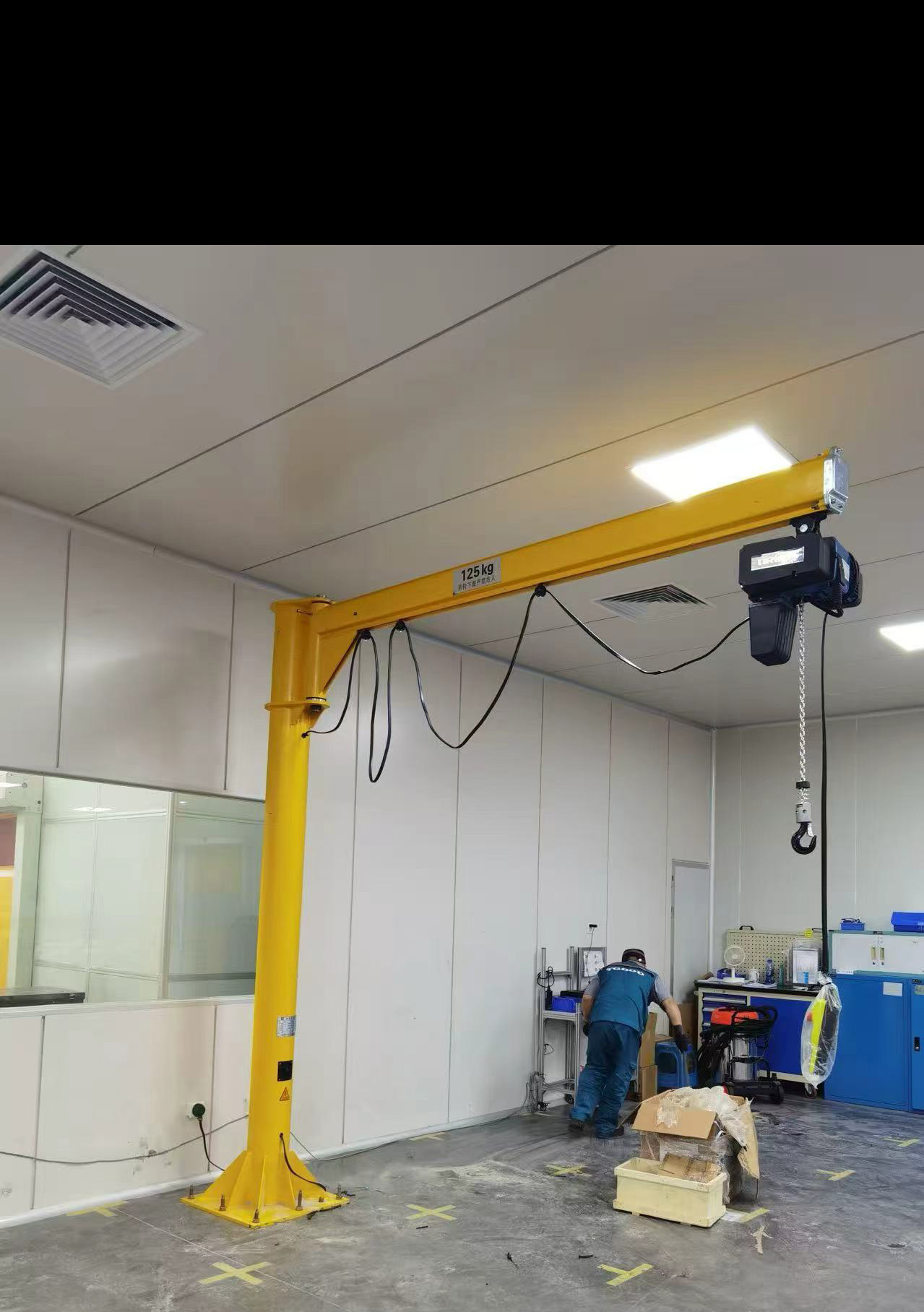
Jib Crane
Implementing Jib Cranes in Lean Manufacturing: Eliminating Workstation Bottlenecks
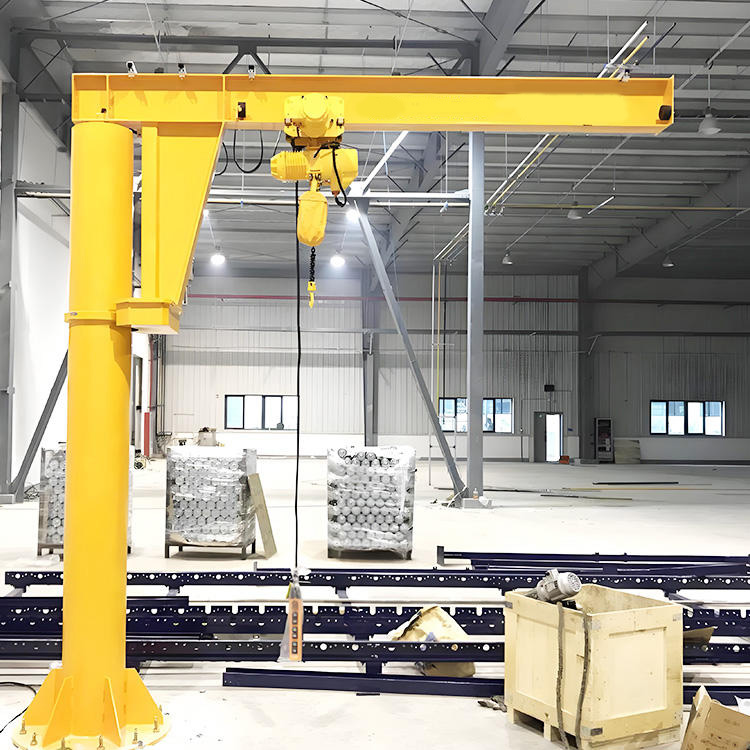
Lean manufacturing focuses on the relentless elimination of waste (Muda), optimizing workflow velocity, and maximizing value-added production time. While material handling does not alter the physical properties of a product, inefficient part transportation creates severe delays, excess inventory, and worker fatigue. Integrating dedicated jib cranes into cellular manufacturing layouts provides a targeted, highly effective method to eliminate material transfer waste and support continuous, balanced production flow.
Why Workstation Jib Cranes Are Essential for Lean Facilities
In traditional manufacturing layouts, operators frequently spend valuable time waiting for overhead cranes, transporting parts on manual carts, or executing high-strain manual lifts. In a lean enterprise, waiting time and unnecessary transportation are direct forms of waste. Installing dedicated workstation jib cranes addresses these inefficiencies by:
- Establishing single-piece flow or small-batch transfer between adjacent workstations
- Decoupling individual work cells from central plant logistics, eliminating waiting waste
- Supporting ergonomic U-shaped cell configurations with centralized 360-degree material access
- Minimizing work-in-progress (WIP) buffer inventories between sequential manufacturing operations
- Enabling a single operator to safely perform loading, processing, and unloading tasks independently
By providing dedicated lifting at the exact point of value creation, jib cranes transform material handling from an operational bottleneck into a synchronized, continuous process.
Key Strategies for Integrating Jib Cranes into Lean Production Cells
- Design U-Shaped Cells Around a Central Jib Crane
In cellular manufacturing, machines and assembly benches are often arranged in a U-shape to minimize walking distances. Placing a freestanding 360-degree jib crane in the center of the cell allows one crane to service parts incoming, raw machining, secondary drilling, inspection, and outgoing finished parts staging. - Synchronize Crane Lifting Speeds with Takt Time
Select electric hoists with variable-speed controls that match your line’s takt time. Ultra-slow micro-speeds allow delicate, high-accuracy part positioning, while fast single-speed transit ensures cycle times remain within lean takt limits. - Standardize Rigging and Below-the-Hook Grippers
Eliminate time lost searching for rigging straps by outfitting each jib crane with dedicated, standardized grippers, pneumatic suction lifters, or magnetic lifters tailored to the specific product handled in that cell. Suspended tool balancers and pendant holders keep controls within immediate reach of the operator. - Reduce Takt-Time Variance Through Ergonomic Lifting
Manual lifting of 25kg to 50kg parts creates significant cycle time variability as workers fatigue throughout a shift. Jib cranes provide consistent lifting speed and effortless manipulation, ensuring production takt time remains predictable from the first hour to the last hour of every shift. - Implement 5S Organization for Lifting Accessories
Apply 5S methodology to the crane workstation: outline designated parking positions for the crane boom when idle, install shadow boards for rigging hardware, and route power cables overhead via festoon systems to keep the work cell clean, organized, and hazard-free.
Real-World Examples of Lean Success
A pump assembly plant in Stuttgart redesigned its heavy pump assembly bay into four self-contained lean manufacturing cells, each centered around a 1-ton articulated jib crane. By allowing operators to lift, assemble, and transfer 80kg pump casings without leaving their cells, the plant cut overall product lead time from 4.5 days to 1.8 days and reduced work-in-progress inventory by 42%.
Similarly, an aerospace sheet-metal fabricator in Wichita installed two column-mounted jib cranes equipped with vacuum sheet lifters between their laser cutting table and CNC press brake. The direct cell-to-cell transfer eliminated forklift handling between departments, saving an estimated 14 labor hours per week.
Benefits for Local Businesses
Adopting jib cranes within a lean manufacturing framework delivers clear operational benefits:
- Waste Elimination: Slashes operator waiting time, walking distance, and unnecessary material handling steps.
- Optimized Floor Space: Compact footprints integrate seamlessly into high-density cellular manufacturing layouts.
- Consistent Cycle Times: Eliminates physical fatigue, maintaining steady production pacing across all shifts.
- Reduced WIP Inventory: Parts move smoothly from one operation to the next without accumulating in large staging buffers.
- Improved Quality Control: Controlled, mechanical hoisting prevents surface scratches and impact damage on finished parts.
Achieving lean operational excellence requires aligning equipment directly with workflow requirements. A well-placed workstation jib crane eliminates production bottlenecks, empowers workers, and provides the localized lifting agility necessary to sustain a world-class lean manufacturing operation.
